Menu

Business

Oil Prices Slip as Investors Remain Cautious Over Possible U.S. Role in Iran-Israel Dispute

Saudi Aramco to Invest in Two New Indian Refineries

 Saudi Aramco to Invest in Two New Indian Refineries


Overview

Saudi Aramco, the world’s leading oil producer, is in advanced talks to acquire a 20% stake in two upcoming refinery projects in India one located in Gujarat and the other in Andhra Pradesh. In addition to providing a steady market for its crude exports, this calculated action demonstrates the Saudi oil giant’s dedication to strengthening its relations with one of the global energy markets that are expanding at the fastest rate.
The two refinery projects under consideration are a part of India’s larger initiative to develop its petrochemical and refining infrastructure. India has been looking for strategic partners with financial clout and long-term crude supply agreements in light of rising domestic energy demands and a goal to become a global center for energy processing. Supported by the Saudi government, Saudi Aramco meets both requirements.

Andhra Pradesh: The Mega Plan of BPCL

The Andhra Pradesh refinery project is being led by Bharat Petroleum Corporation Limited (BPCL). About $11 billion, or ₹90,000 crore, would be spent by BPCL to build a greenfield refinery-cum-petrochemical complex. The planned project will have downstream petrochemical units and is anticipated to process 10 to 15 million tonnes of crude oil annually (MTPA).
Sources close to the matter say Aramco is keen on securing a 20% stake in the project. It has offered to provide up to three times the amount of crude oil as its ownership position in exchange; for example, a 20% equity share would equate to 60% of the refinery’s crude supply. This would give BPCL a steady supply source from a trustworthy partner in addition to guaranteeing a market for Aramco’s oil.
However, the amount of oil delivery that Aramco is requesting has raised concerns among Indian stakeholders. “They want to supply crude equal to 90% of the plant’s capacity if we give them a 30% stake,” stated a senior official in the Indian energy ministry. We must maintain our sourcing alternatives open because that limits our purchase freedom.

Gujarat: The Refinement Goals of ONGC

The Oil and Natural Gas Corporation (ONGC) is promoting the second refinery project, which is slated to be built in Gujarat. The Gujarat refinery, which is still in the design phases, is anticipated to have an integrated petrochemical component and be comparable in scale to the Andhra project.
To bring in both money and technology, ONGC has been negotiating with international investors. Aramco’s plan to integrate into India’s downstream industry would be consistent with its possible investment here. Building a top-notch complex that might eventually act as a center for the export of chemicals and processed fuels is part of ONGC’s plan.

The Broader India Strategy of Aramco

Saudi Aramco has long viewed India as a key market. In 2018, it partnered with a consortium of Indian state-owned oil companies to develop a $44 billion refinery project in Maharashtra, with an ambitious goal of producing 1.2 million barrels per day. Unfortunately, difficulties in acquiring land caused the project to halt.
Aramco and Reliance Industries then came to a non-binding agreement in 2019, according to which Aramco would invest $75 billion to acquire a 20% share in Reliance’s oil-to-chemicals (O2C) business. However, arguments over strategic fit and valuation ultimately led to the deal’s cancellation.
Despite these setbacks, Aramco has remained determined to enter the Indian refining market. If these new agreements go through, it would mark a significant milestone for Saudi Aramco’s operations in India.

Geopolitical and Strategic Consequences

In recent years, refiners in India have been expanding their sources of crude. Due to economic advantages, Russian imports have increased dramatically, while Middle Eastern supplies—especially those from Saudi Arabia—have somewhat decreased. Aramco would be able to secure long-term demand from one of the biggest and fastest-growing energy customers thanks to its equity participation in refineries in India.
During Indian Prime Minister Narendra Modi’s projected trip to Saudi Arabia in the second half of 2025, the agreements are also anticipated to be discussed. According to diplomatic sources, in order to send a clear message of bilateral cooperation, the Indian government is eager to gain a general grasp of these projects prior to the visit.

Conclusion

If successful, Aramco’s acquisition of a 20% stake in the proposed refineries in Andhra Pradesh and Gujarat will represent a win-win strategic partnership. It guarantees steady crude supply and much-needed foreign investment for India. It strengthens Aramco’s downstream footprint in Asia and provides it with a steady, quickly growing market. These collaborations are anticipated to be crucial in determining the direction of future energy cooperation between production and consumer countries, as the global energy market moves toward cleaner fuels and integrated petrochemicals.


The image added is for representation purposes only

iPhone Component Maker’s Shares Tumble After Profit Warning

Trump Tariffs Push US Inflation to Eight-Month High

Trump Eyes New Trade Deals with Asia’s Powerhouses

 Trump Eyes New Trade Deals with Asia’s Powerhouses


As the world economy changes, the United States gets closer to signing important trade agreements with South Korea, Japan, and India.

Ongoing Strategic Trade Negotiations

President Trump recently stated that the United States is in the final stages of negotiating trade deals with India, South Korea, and Japan, possibly within the next two weeks. While underscoring the significance of these potential agreements, he also conveyed that there is no immediate pressure to finalize them, suggesting that discussions are still in progress. The President’s statements indicate a strategic approach to trade negotiations, balancing the urgency of reaching agreements with the need to secure favorable terms for the United States.

U.S. Commerce Secretary Howard Lutnick has announced the conclusion of a new trade agreement with an unspecified nation, widely believed to be India. This agreement is currently awaiting approval from the other country’s leadership. The specifics of this agreement remain undisclosed, but it is expected to address key areas of trade, such as tariffs, market access, and intellectual property rights.

Tariff Policies and Their Economic Repercussions

On April 2nd, the Trump administration implemented reciprocal tariffs, imposing rates of 25% on South Korea, 24% on Japan, and 26% on India. Following subsequent negotiations and international pressure, these rates were later reduced to 10%. The initial imposition of high tariffs was likely a tactic to pressure these nations into accelerating trade negotiations and making concessions. The subsequent reduction suggests a willingness to compromise and reach mutually acceptable solutions.

Apple CEO Tim Cook has reported that these tariffs could negatively impact the company’s financial performance, potentially costing it approximately $1.4 billion in the current quarter. This highlights the potential economic consequences of tariff policies on businesses, particularly those with complex global supply chains. The increased costs resulting from tariffs can erode profit margins, force companies to raise prices, and ultimately affect consumer demand.

India’s Diplomatic Efforts

India has been actively engaged in diplomatic efforts with the U.S. to resolve existing trade tensions. President Trump and Indian Prime Minister Narendra Modi have agreed to accelerate negotiations on a comprehensive Bilateral trade Agreement (BTA) with the bold goal of doubling bilateral trade to $500 billion by 2030. This ambitious target reflects the growing economic relationship between the two countries and the potential for further expansion.

In exchange for the United States easing reciprocal duties, India has offered to lower tariffs on almost half of its imports from the United States. This proposal indicates India’s willingness to make concessions in exchange for more equitable trade treatment. According to the U.S. Treasury Secretary, India is anticipated to be one of the first countries to complete a trade agreement under the new administration, indicating that deepening economic connections with India is a top priority.

Economic Strategies of Japan and South Korea

With businesses like Toyota and Isuzu building new plants, Japanese Prime Minister Shigeru Ishiba has announced intentions to raise Japanese investment in the United States by $1 billion. This aims to strengthen ties and demonstrate Japan’s commitment to U.S. economic growth. Despite this, the U.S. has imposed a 24% tariff on Japanese goods, which Ishiba finds difficult to comprehend, raising concerns about trade balance. In order to lessen the impact of the 25% tariff that will go into effect in April, South Korea and the United States are also negotiating a trade deal. These negotiations are part of a broader effort to strengthen ties and address trade imbalances, as South Korea seeks to diversify its trade and reduce reliance on U.S. exports.

Market Reactions and Investor Confidence

The anticipation of new trade agreements has had a positive effect on financial markets. Indian benchmark indices, the Nifty 50 and BSE Sensex, have experienced consecutive weeks of gains, driven by optimism surrounding a potential trade deal between India and the U.S. and consistent inflows of foreign investment. Investor sentiment has been buoyed by the prospect of reduced trade tensions and increased economic cooperation between major trading partners.

Navigating a Shifting Trade Landscape

A major change in U.S. trade policy may be seen in President Trump’s hint of possible trade agreements with South Korea, Japan, and India. While the imposition of tariffs has created challenges, the ongoing negotiations suggest a willingness to pursue mutually beneficial solutions. The outcomes of these discussions are poised to have a lasting impact on global trade dynamics and international economic relationships. The successful conclusion of these trade deals could lead to increased trade flows, enhanced economic growth, and greater stability in the global economy. However, failure to reach agreements could result in prolonged trade tensions, increased protectionism, and a negative impact on businesses and consumers.

Final Thoughts

According to recent remarks made by President Trump, the United States is aggressively seeking new trade deals with South Korea, Japan, and India. These developments occur amidst a backdrop of tariff adjustments and ongoing negotiations aimed at resolving trade tensions. While tariffs have presented challenges for businesses, the potential agreements signal a move towards establishing more structured trade relationships. The outcomes of these negotiations will be crucial in shaping future global trade patterns and the economic ties between the U.S. and these key Asian economies. The evolving trade landscape underscores the importance of diplomacy, compromise, and a commitment to free and fair trade in promoting global economic prosperity.


The image added is for representation purposes only

U.S. Ends Duty-Free Perks on Cheap Chinese Parcels

The U.S. government has ended the duty-free status for low-value Chinese parcels, impacting both consumers and businesses.

U.S. Ends Duty-Free Perks on Cheap Chinese Parcels

 U.S. Ends Duty-Free Perks on Cheap Chinese Parcels


New tariffs change the game for cross-border shoppers.

Introduction

In a dramatic shift to U.S. trade policy, parcels valued under \$800 that are imported from China will no longer be exempt from customs duties. Starting May 2025, products from China that previously entered the U.S. without tariffs will now face new duties, impacting both consumers and businesses involved in cross-border e-commerce.

The change, made official by U.S. authorities, is aimed at tackling concerns over trade imbalances and a rising flood of low-cost Chinese goods entering the U.S. market with little oversight. It is expected to have wide-reaching effects, especially for e-commerce giants that rely on low-cost Chinese imports to keep prices down.

The End of the De Minimis Exemption

Previously, the U.S. allowed goods worth \$800 or less to enter the country duty-free under the “de minimis” threshold. This provision has encouraged a surge in online shopping from Chinese-based platforms such as Shein, Temu, and AliExpress, where consumers could buy inexpensive items without worrying about customs charges or long delays.

However, the de minimis exemption will be phased out for all shipments from China, including smaller parcels, which will now require formal entry documentation and be subject to tariffs and customs procedures. The initiative is a key component of the U.S.’s broader strategy to restrict the influx of unmonitored imports and reinforce adherence to trade regulations.

Impact on E-Commerce and Online Shoppers

For businesses operating in the e-commerce space, particularly those selling Chinese-made products, this new regulation could result in increased shipping costs, longer delivery times, and more complicated customs procedures. Online stores like Shein and Temu, which gained popularity for offering bargain-priced goods to U.S. consumers, will be most affected.

This policy change could lead to higher retail prices for consumers. A \$30 shirt that would have arrived without additional charges may now face a \$10 to \$15 tariff, depending on the item’s category. While companies may absorb some of the cost, the increased expenses will likely lead to higher prices across a broad spectrum of goods.

Effects on Chinese E-Commerce Platforms

Platforms like Temu , which offer a vast array of inexpensive goods, are now preparing for the ripple effect this new policy will have on their business models. Companies that rely on the smooth flow of low-value shipments will need to restructure their logistics and pricing strategies to remain competitive.

Numerous businesses are actively seeking alternative strategies to lessen the effects of the new tariffs. For instance, some are considering setting up warehouses in the U.S. to reduce the costs associated with long-distance shipping and customs clearance. Others are expanding their offerings of locally sourced products to avoid the new duties entirely.

U.S. Government’s Rationale

The U.S. government has highlighted the necessity of tighter trade regulations as a key factor in eliminating the de minimis exemption. With more than 1 billion shipments coming from China each year, authorities believe that such a vast number of goods entering the U.S. without appropriate oversight is a loophole that invites risks such as fraud, counterfeit goods, and tax evasion.

Additionally, the rising volume of low-cost Chinese products in U.S. markets has led to concerns about unfair competition and the undermining of domestic industries. By imposing duties on these goods, the U.S. hopes to level the playing field and ensure that imports adhere to the same standards of accountability as products made within the country.

Potential Consequences for Consumers

For U.S. shoppers, the immediate consequences of this policy change will be higher costs, more paperwork, and possibly longer wait times for deliveries. Consumers who were used to receiving inexpensive parcels without delays or additional charges may now face a more cumbersome and expensive shopping experience.

The cost of small-ticket items, such as clothing, accessories, gadgets, and household goods, could increase significantly once tariffs are applied. For many budget-conscious shoppers, this could mean a shift in purchasing behavior, with fewer cross-border transactions or more scrutiny before making purchases online.

Economic Implications

The change will have broader economic implications as well. For one, it could slow the growth of cross-border e-commerce, as U.S. consumers become less inclined to buy small items from overseas if they have to pay tariffs and wait for shipments to clear customs. Additionally, businesses in the e-commerce industry might need to pass on higher operational costs to consumers, potentially lowering their competitiveness in the U.S. market.

Another potential consequence is the possibility of U.S. businesses seeking alternative suppliers from countries outside China. As the U.S. tightens its regulations on Chinese imports, countries like India, Vietnam, and Mexico may become more attractive sourcing locations for U.S. retailers.

What’s Next for E-Commerce?

As the changes take effect, businesses and consumers will likely adjust their strategies to adapt to the new reality of cross-border e-commerce. Companies may look into more efficient shipping and logistics practices, including partnering with local fulfillment centers, while consumers might reconsider purchasing lower-value items from abroad.

In the long term, U.S. retailers and consumers will likely seek balance between price sensitivity and the higher costs associated with international trade. The full impact of these changes on the U.S. market is yet to unfold, but e-commerce businesses and consumers alike are certain to experience lasting repercussions in the years ahead.

Summary:

The U.S. government has ended the duty-free status for low-value Chinese parcels, impacting both consumers and businesses. This move will lead to higher prices, longer delivery times, and more customs processing for small-ticket items bought from China. The policy change aims to curb counterfeit goods and enforce stricter trade compliance, but it will alter the landscape of cross-border e-commerce and consumer purchasing behaviors.


The image added is for representation purposes only

Greaves Cotton Q4 Revenue Climbs to ₹823 Crore, Up 19%

TVS Takes the E2W Crown: Surpasses Ola Electric in April

Warburg Pincus Acquiries 10% Share in IDFC First Bank

Warburg Pincus Acquiries 10% Share in IDFC First Bank

A worldwide private equity firm has expressed its interest in acquiring a 10% share in IDFC First Bank by reaching out. This move signals growing foreign investor confidence in India’s private banking sector.

Summary:
It a global private equity company, has shown interest in buying a 10% stake in IDFC First Bank by getting in touch with the CCI. The strategic investment seeks to bolster the bank’s capital base and signifies renewed interest from global investors in India’s expanding banking and financial services landscape.

Warburg Pincus Eyes Slice of India’s Banking Future

A global private equity firm has indicated its interest in purchasing a 10% stake in IDFC First Bank by contacting the CCI. The proposed transaction comes as India’s banking industry is witnessing a surge in foreign interest, driven by robust financial performance, digital transformation, and a strengthening regulatory environment.
Though the financial specifics of the proposed deal have not been publicly disclosed, analysts anticipate the investment to fall within the ₹4,000–₹5,000 crore range based on IDFC First Bank’s current market capitalization.

Regulatory Nod: The First Step

The CCI nod is a crucial regulatory milestone without which the transaction cannot proceed. As per Indian laws, any acquisition that crosses specific asset or turnover thresholds must be cleared by the CCI to ensure the deal doesn’t harm market competition. In the case of banking and financial institutions, the CCI also examines the transaction’s impact on financial stability, credit access, and sectoral competitiveness.
In addition to CCI clearance, Warburg Pincus may also need approvals from the Reserve Bank of India (RBI), particularly if the stake exceeds the regulatory limits set for foreign investors in private banks. Under current norms, the RBI caps foreign direct investment (FDI) in private sector banks at 74%, with automatic approval up to 49%.

About Warburg Pincus

It is a prominent global private equity firm that oversees more than $80 billion in assets. It has a strong track record of investing in the financial services sector, particularly in emerging markets. In India, Warburg has previously backed firms like Kotak Mahindra, AU Small Finance Bank, HDFC, and Capital First, which merged with IDFC Bank in 2018 to create IDFC First Bank.
This history makes Warburg’s interest in IDFC First Bank a return to familiar territory and a continuation of its long-term bet on India’s evolving financial inclusion and retail lending story.

About IDFC First Bank: A Rising Contender

Under the leadership of V Vaidyanathan, the bank has made a significant shift towards retail banking, decreasing its reliance on corporate and infrastructure loans. This transition has contributed to enhanced asset quality and more consistent earnings.
As of FY24, IDFC First Bank has:
Over 46 million customers
Gross advances of over ₹2.3 lakh crore
A CASA ratio of around 50%, among the best in the industry
Net NPA below 1%, reflecting robust credit underwriting
The bank has also consistently improved profitability and digital adoption, positioning itself as a formidable challenger to traditional banking incumbents.

Strategic Significance of the Investment

  •  Capital Boost for Future Growth
    If the transaction goes through, the fresh capital injection will strengthen IDFC First Bank’s Tier-1 capital base, enabling it to expand its loan book, enhance digital infrastructure, and prepare for future regulatory requirements such as Basel III norms.
  •  Investor Confidence in Indian Banking
    The move highlights how India’s private banking sector continues to attract long-term, patient capital. Despite global macroeconomic uncertainties, India’s growing middle class, digital banking revolution, and pro-reform stance have made its financial sector a lucrative investment ground.
  •  Warburg’s Strategic Play
    For Warburg Pincus, this deal is not just a financial investment—it’s a strategic foothold in a high-growth, digitally agile bank. With a history of nurturing financial services companies into market leaders, Warburg could bring global best practices, corporate governance support, and long-term strategic value.

Sector-Wide Ripple Effects

The news of the stake acquisition proposal is expected to create ripple effects across the Indian banking and private equity ecosystem:
Private sector banks, especially mid-sized ones, may see heightened global funds’ interest in high-growth stories.
Banking sector valuations could increase as demand from long-term investors like Warburg increases.
The transaction may also boost IDFC First Bank’s share price, subject to deal valuation and subsequent market response.

What Comes Next?

Warburg’s path to initiating the acquisition will be more straightforward once the CCI reviews and approves the deal—usually within 30 to 60 days. The RBI’s stance will also be keenly watched, especially in the context of its approach to significant ownership changes in private banks.
The bank, on its part, may use the capital to further its retail expansion, fintech partnerships, and rural banking reach, aligning with the government’s financial inclusion vision.

Conclusion

The move by Warburg Pincus to seek CCI’s approval for a 10% stake in IDFC First Bank is more than just another private equity transaction—it’s a signal of deep-rooted foreign confidence in the Indian banking story. It reaffirms that India’s financial sector, especially nimble players like IDFC First, is resilient and primed for transformative growth in the coming decade.
As India moves forward with its digital and financial inclusion agenda, such high-profile partnerships could shape its banking future, providing consumers with more accessible, tech-driven, and inclusive financial services.


The image added is for representation purposes only
Adani Enterprises Reports Exceptional Growth in Quarterly and Yearly Performance

Zepto Eyes ₹1,500 Crore Debt at $5B Valuation

Zepto Eyes ₹1,500 Crore Debt at $5B Valuation

Zepto Eyes ₹1,500 Crore Debt at $5B Valuation


The quick-commerce unicorn eyes a high-interest debt deal led by Edelweiss with an equity-linked upside, signalling confidence in its aggressive growth strategy.

Summary:
Zepto, India’s fastest-growing quick-commerce player, is reportedly in advanced talks to raise ₹1,500 crore in structured debt at a soaring valuation of nearly $5 billion. The proposed deal, led by Edelweiss, includes a minimum interest rate of 16% and an equity-linked upside, potentially enhancing returns to 18%. This reflects rising investor confidence and Zepto’s ambitious expansion drive.

zepto’s Strategic Debt Move Amid Rapid Expansion

Zepto, the rapid grocery delivery service founded by young entrepreneurs Aadit Palicha and Kaivalya Vohra, is once again in the news for its promise of 10-minute delivery. This time, the company is not chasing another equity round but is reportedly in the final stages of securing structured debt financing worth ₹1,500 crore. The move is critical as the startup continues its aggressive expansion across metro cities while eyeing profitability.
Edelweiss is taking the lead in the funding negotiations and has presented a binding offer. The debt, structured with fixed returns and equity-linked components, is designed to offer returns of 16% minimum, climbing up to 18% when equity upside is factored in. This approach gives Zepto the dual advantage of accessing capital without immediate dilution of ownership while still allowing lenders a stake in potential future growth.

A High-Interest, High-Stakes Deal

At the heart of this transaction is the structure of the debt agreement. The arrangement may seem steep, with the reported interest rate at 16%, significantly higher than conventional debt rates in the startup ecosystem. Zepto’s choice is based on a strategic desire to prevent equity dilution in the existing high-valuation landscape.
Sources suggest the total return for lenders may cross 18% due to the inclusion of an equity-linked upside—likely in the form of warrants or convertible instruments. This gives lenders a share in the company’s potential value appreciation, making the deal more lucrative without burdening Zepto with large cash outflows upfront.
The deal also signals the growing maturity of India’s startup debt market, where high-growth ventures increasingly seek alternative funding instruments beyond equity.

Valuation Nears $5 Billion: A Vote of Confidence.

The structured debt raise is taking place at an impressive valuation of nearly $5 billion, significantly up from Zepto’s last valuation of $3.6 billion during its previous funding round in 2023. This notable increase in valuation highlights the optimistic outlook regarding Zepto’s business model and its ability to execute effectively.
The jump in valuation is primarily attributed to Zepto’s successful expansion into multiple cities, improved unit economics, and the establishment of efficient dark store networks that have reduced delivery times and costs. Moreover, the company’s ability to maintain order density and repeat purchase behaviour has reassured investors about its path to profitability.

Why Debt Instead of Equity?

Raising structured debt instead of traditional equity funding is a calculated move. For one, it allows Zepto to access funds while retaining its existing cap table. Secondly, it signals that the company is confident about its revenue and cash flow trajectory in the short to medium term, sufficient to service interest payments on such debt.
By taking on structured debt at this stage, Zepto may soon open the door for a larger equity round at a higher valuation—possibly from global sovereign funds or late-stage investors seeking stakes in profitable Indian startups ahead of IPOs.

Market Context and Competitive Landscape

Zepto’s move comes when the quick-commerce sector is witnessing heightened competition and funding challenges. Competitors such as Blinkit (owned by Zomato), Swiggy Instamart, and BigBasket’s BB Now are all vying for market share in the instant delivery sector, frequently working with very narrow profit margins.
However, Zepto has carved out a niche by maintaining consistent delivery timelines and a tech-driven backend that efficiently manages inventory and delivery logistics. Its robust operations have allowed it to outpace rivals in key metros like Mumbai, Delhi, and Bengaluru. It has positioned it as a leader in India’s nascent but growing quick-commerce market.

What’s Next for Zepto?

With the structured debt raise likely to be closed soon, the proceeds are expected to be deployed toward:
Enhancing its dark store network.
Improving supply chain and cold storage facilities.
Enhancing technological skills to improve last-mile delivery efficiency.
If done successfully, the debt raise could provide Zepto with a substantial financial reserve without giving up equity at its current valuation. This would help the company move closer to profitability while gearing up for a possible IPO in the next few years.

Conclusion: A Bold Bet on Future Growth

Zepto’s decision to opt for high-interest structured debt reflects confidence and urgency. As it accelerates its growth in a fiercely competitive market, the deal structure allows it to balance immediate capital needs with long-term strategic goals. With strong investor optimism and efficient scaling of operations, Zepto could be positioning itself to become India’s first quick-commerce IPO success story.


The image added is for representation purposes only
Servotech’s Stock Climbs: New Subsidiary Sparks Investor Excitement

In India, Bosch Launches a Smart Supply Chain Platform

In India, Bosch Launches a Smart Supply Chain Platform

In India, Bosch Launches a Smart Supply Chain Platform


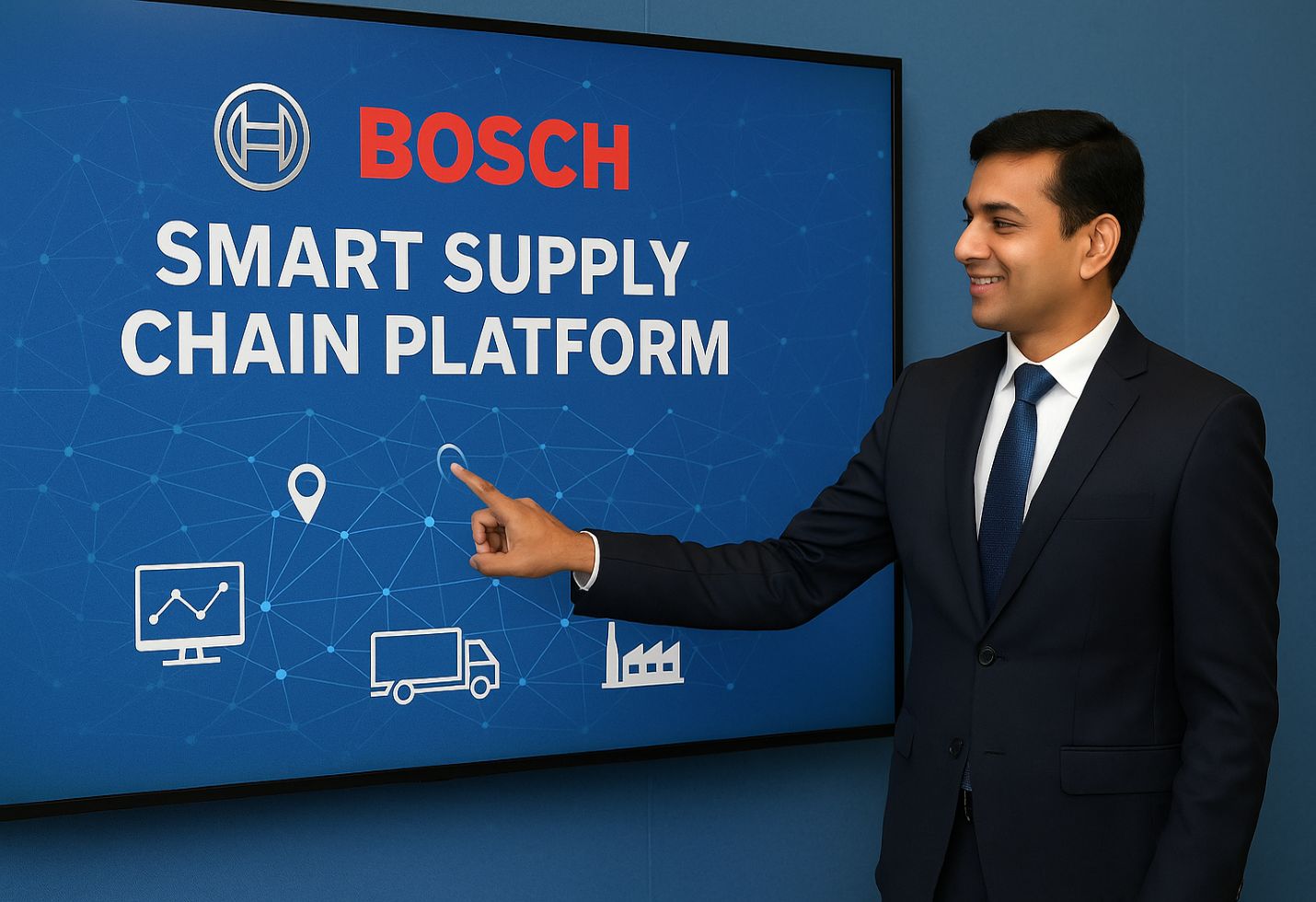
The Digital Supply Chain Management (DSCM) platform from Bosch, a world leader in engineering and technology solutions, has launched in India. In line with India’s drive for smarter and more connected industrial systems under the “Digital India” and “Make in India” agendas, the move represents a significant step towards modernizing supply chain operations in one of the fastest-growing economies in the world.
By combining cutting-edge technology like artificial intelligence (AI), cloud computing, the Internet of Things (IoT), and predictive analytics, the recently launched platform seeks to completely transform how companies in India manage, track, and improve their supply chains. It aims to provide seamless collaboration, automated procedures, and real-time supply chain insight.

Overcoming Supply Chain Difficulties

Despite its size and diversity, India’s supply chain ecosystem nevertheless faces a number of operational challenges. These include disjointed logistical networks, a lack of transparency, a failure to integrate data across stakeholders, and uncertain delivery schedules—problems that were made worse by the COVID-19 epidemic and the ensuing world upheavals.
By providing companies with a powerful digital tool to precisely estimate demand, manage inventories in real time, trace shipments, and save operating costs through automation and data-driven insights, Bosch hopes to address these inefficiencies with its Digital Supply Chain Management platform.
“Our goal is to empower Indian enterprises—whether in manufacturing, logistics, or retail—with a scalable, secure, and smart supply chain solution,” said Soumitra Bhattacharya, Managing Director of Bosch Limited India, in response to the launch. Through the utilization of Bosch’s worldwide experience and profound comprehension of Indian market conditions, we are offering a platform that not only streamlines operations but also equips companies for the future.

The Digital Supply Chain Management Platform’s attributes

Bosch’s DSCM platform has a number of features designed specifically for Indian companies in several industries:
• End-to-End Visibility: Using GPS tracking and IoT-enabled devices, real-time tracking of items from suppliers to final consumers.
• Demand Forecasting: Predictive models powered by AI assist in foreseeing supply concerns, seasonal patterns, and customer demands.
• Inventory optimization: automated insights and warnings to minimize overstock or stockouts in warehouses and retail locations.
• Supplier Collaboration: Order placement, confirmation, invoicing, and payment administration are all accomplished through digital connection with suppliers.
• Analytics Dashboard: Adaptable dashboards with efficiency measurements, danger warnings, and key performance indicators (KPIs).
• Smooth Integration: Compatible with current supply chain software and top enterprise resource planning (ERP) systems.

Specifically designed for the Indian market

In contrast to off-the-shelf global solutions, Bosch developed this platform with consideration for the unique supply chain complexity in India, which includes multi-layered vendor networks, regional logistics limitations, and differences in the level of digital adoption among SMEs
The platform provides cloud-based and on-premise deployment choices, is mobile-friendly, and supports interfaces in multiple languages. Bosch has also partnered with logistics firms and government-sponsored digital infrastructure projects to broaden the platform’s reach, particularly in Tier 2 and Tier 3 cities.

Applications in Industry

The platform is expected to benefit a wide range of industries, including fast-moving consumer goods (FMCG), pharmaceuticals and healthcare, automotive and auto components, e-commerce and retail, and industrial manufacturing.
Bosch cites significant improvements in inventory accuracy, lead time reduction, and supply chain responsiveness from a prototype version of the DSCM platform that was already deployed with a few manufacturing enterprises in India in 2024.

Bosch’s More Comprehensive Digital Approach

This introduction is a component of Bosch’s larger digital transformation plan in India, where the business has made significant investments in digital transportation, AI research, and smart manufacturing (Industry 4.0). Bosch’s digital innovation hub in Bengaluru will oversee the recently developed platform, and integration and support services will be provided nationwide.
Bosch is also collaborating with startups and academic institutions to co-develop features and analytics tools that might improve the platform’s functionality.

Prospective Roadmap

In future iterations of the platform, Bosch intends to incorporate carbon footprint tracking, sophisticated cybersecurity mechanisms, and blockchain-based supply chain authentication. These improvements are intended to meet changing regulatory requirements, improve openness, and promote sustainability goals.
Bosch’s new product comes at a critical juncture, as India’s economy is expected to grow to $5 trillion in the near future and supply chain resilience is emerging as a major business concern worldwide.
Such platforms, according to industry analysts, will be essential for future-proofing companies, particularly as India integrates more fully into global value chains.


The image added is for representation purposes only

Green Growth: Ambuja’s Capacity Surge and Record Earnings


Ashok Leyland–CALB Tie-Up: A Game Changer for EV Investors

SML Isuzu's Acquisition by M&M: A Revolution in India's Commercial Vehicle Sector

SML Isuzu’s Acquisition by M&M: A Revolution in India’s Commercial Vehicle Sector


By purchasing the majority of SML Isuzu, Mahindra & Mahindra (M&M) has paved the way for a significant shift in the commercial vehicle market in India. In addition to strengthening M&M’s position in the truck and bus market, the move is anticipated to have repercussions for other companies in the industry, including JBM Auto and Ashok Leyland.

Mahindra’s Audacious Step: Acquisition Specifics

Mahindra & Mahindra declared on April 26, 2025, that it will pay about ₹555 crore (~$65 million) to purchase a 58.96% share in SML Isuzu. This stake includes:
• Isuzu Motors is transferring 15% of its equity, while Sumitomo Corporation is relinquishing a more substantial portion amounting to 43.96%.
Additionally, M&M has initiated a mandatory open offer to purchase an additional 26% ownership from public shareholders for ₹1,554.6 per share, despite the direct acquisition’s price of roughly ₹650 per share.
With the aggressive target of reaching 12% by FY31, this initiative puts M&M in a position to quadruple its market share in the truck and bus industry, from the present 3% to 6%.
With this acquisition, M&M, which has historically been stronger in the tractor and utility vehicle segments, is making a strategic shift by putting its money on India’s expanding commercial vehicle industry.

Effect on SML Isuzu: On the Rise?

SML Isuzu was founded in 1983 as a joint venture between Sumitomo Corporation and Punjab Tractors, and over the years, it’s earned a solid reputation in the commercial vehicle market. The company focuses on producing light and medium commercial vehicles, including everything from light trucks and medium-duty trucks to ambulances, school buses, and passenger buses. Just before its acquisition, SML Isuzu was showing strong performance, with vehicle sales growing an impressive 21.2% year-on-year in May 2024.

According to SharesBazaar, May 2024
By partnering with M&M, SML Isuzu will benefit from: • New funding for product development; • Distribution network synergies;
• Enhanced R&D capabilities;
• Manufacturing modernization opportunities
Furthermore, SML Isuzu may be able to greatly increase its clientele with Mahindra’s extensive experience in rural and semi-urban areas.

JBM Auto: A Lost Chance?

Prior to Mahindra’s intervention, JBM Auto was spearheading negotiations to purchase SML Isuzu. According to reports, JBM Auto investigated cash and stock swap agreements in order to purchase Sumitomo and Isuzu’s shares.

In addition to their strong position in electric buses and metro rail systems, JBM Auto would have benefited from their strategic entry into the full-spectrum commercial vehicle market.
Following M&M’s acquisition of SML Isuzu, JBM Auto might need to reassess and adjust its strategic plans for the future.
• Reevaluate growth plans;
• Put more emphasis on electric mobility;
• Look at more M&A options.
JBM Auto’s ambitions to establish itself as a comprehensive commercial vehicle producer in India may be slowed down by the unsuccessful acquisition.

Ashok Leyland Rethinking His Approach?

As speculation circulated over its possible interest in SML Isuzu, Ashok Leyland, another significant competitor, saw a roughly 4% increase in its shares.
Initial discussions with Ashok Leyland were made by Sumitomo Corporation and Isuzu Motors.
However, now that Mahindra has closed the deal, Ashok Leyland must focus on three areas: increasing exports to developing nations, protecting its market dominance in the medium-duty segment, and speeding up product innovation.
Ashok Leyland will probably accelerate the launch of new products, concentrate on alternative fuels (such as CNG and electric), and possibly look into international alliances in light of Mahindra’s aggressive purpose.

Wider Market Consequences

The purchase of M&M is indicative of an increasing trend of consolidation in the Indian auto industry. This trend is being influenced by multiple factors:
• Higher investments are required for regulatory compliance (BS-VI regulations, safety standards).
• The move to electric vehicles, which calls for R&D skills

Why International OEMs entering India are a global threat.

By purchasing SML Isuzu, Mahindra accelerates its commercial vehicle goals without having to start from scratch by gaining a ready foundation of products and manufacturing facilities.
In order to remain competitive, other market participants might soon adopt similar strategies, such as joint ventures, acquisitions, or partnerships.

Conclusion

The purchase of SML Isuzu by Mahindra represents a sea change in the Indian commercial vehicle market. Although it significantly improves M&M’s position, rivals like Ashok Leyland and JBM Auto now need to adjust their tactics accordingly.

In addition to improving M&M’s immediate market share, this transaction demonstrates the company’s broader goal of dominating a market that is becoming more and more competitive. The truck and bus industry is expected to see a fierce struggle for dominance over the next years, with innovation, consolidation, and scale emerging as crucial success factors.

Summary:
India’s truck market is being reshaped by M&M’s acquisition of SML Isuzu, which forces JBM Auto and Ashok Leyland to reconsider their approaches.


The image added is for representation purposes only

Goldman Sachs Acquires Stake in Vodafone Idea: The Block Deal That Captured Investors’ Attention

Goldman Sachs Acquires Stake in Vodafone Idea: The Block Deal That Captured Investors’ Attention

Goldman Sachs Acquires Stake in Vodafone Idea: The Block Deal That Captured Investors’ Attention

Goldman Sachs Acquires Stake in Vodafone Idea: The Block Deal That Captured Investors’ Attention


Goldman Sachs purchases a 0.55% stake in Vodafone Idea through a block deal, sparking market interest and boosting the company’s share price.

Introduction
In a significant move in India’s stock market, shares of Vodafone Idea Ltd (Vi) have gained significant attention after Goldman Sachs (Singapore) Pte acquired a substantial stake in the company via a block deal. The deal, which saw Goldman Sachs purchasing about 60 crore shares from Nokia Solutions and Networks India, has drawn significant attention, raised the company’s stock price and sparked market interest. The deal underscores the rising attention towards Vodafone Idea, particularly as it faces ongoing struggles in India’s highly competitive telecom industry.

Goldman Sachs’ Strategic Acquisition

Goldman Sachs acquired around 60 crore shares of Vodafone Idea at ₹7.65 each, totaling ₹457.96 crore. This move has given Goldman Sachs a 0.55% stake in the telecom company, a deal that has reverberated through the stock market. Following the announcement, Vodafone Idea’s shares saw an uptick, rising by 1% in early trading hours. This move highlights Goldman Sachs’ interest in Vodafone Idea, which, despite facing fierce competition and financial hurdles, continues to be an attractive choice for institutional investors.
The deal represents a positive step for Vodafone Idea, which has been grappling with large debts and fierce competition from players like Reliance Jio and Bharti Airtel. The block deal’s successful completion shows a vote of confidence from Goldman Sachs, and it is seen as an indication of Vodafone Idea’s long-term viability in the telecommunications industry.

Nokia’s Exit and Impact on Vodafone Idea
The deal was significant not just because of Goldman Sachs’ involvement but also due to Nokia’s role in the transaction.

In the block transaction, Nokia offloaded 102.7 crore shares, valued at ₹785.67 crore. The deal was executed at ₹7.65 per share, in line with the valuation of Vodafone Idea’s stock at the time.
Nokia’s exit has been a major event for the company, given that it had been one of the key institutional shareholders in Vodafone Idea. While Nokia’s decision to sell could be seen as a strategic move to cash in on its holding, the timing of the deal coincides with a broader shift in the market, where institutional investors are increasingly looking to secure stakes in troubled companies at attractive valuations.

Market Reaction and Impact on Stock Price

Following the announcement of the block deal, Vodafone Idea’s share price rose by 1.47%, sparking market optimism. This uptick reflects not just the increased institutional interest but also investors’ reactions to the potential future upside of the telecom company. The deal comes at a time when Vodafone Idea’s stock had been trading below ₹15 per share, making it an attractive buy for large institutional investors looking to take a position in the firm.
Vodafone Idea has long been in the spotlight due to its financial struggles, particularly its massive debt burden. However, as major institutional players like Goldman Sachs take a stake in the company, it is seen as a sign of future growth prospects, which has spurred investor optimism. This move may also signal that the company could be on the path to recovery or that strategic changes are underway.

SEBI Regulations and the Role of Block Deals

The block deal between Nokia and Goldman Sachs also highlights the evolving regulatory framework in India’s stock market. The Securities and Exchange Board of India (SEBI) has increasingly pushed for transparency and fairness in such deals, ensuring that these transactions are in line with market regulations. In the case of the Vodafone Idea deal, the transaction was carried out with transparency, ensuring that shareholders and investors were kept informed.
Block deals, which involve the purchase of large quantities of shares, are often used by institutional investors to acquire significant stakes without causing market disruptions. These deals can also help improve liquidity in the market and encourage broader participation from smaller investors.

Conclusion

Goldman Sachs move has brought the telecom company back into the spotlight. With this move, Goldman Sachs is signalling confidence in Vodafone Idea’s long-term prospects, despite its current financial challenges. The deal has also sparked interest in the stock, pushing its price up and giving investors hope for potential growth.
The exit of Nokia Solutions and Networks India from the company has added a layer of intrigue to the deal, but overall, the involvement of institutional investors in the telecom sector could bode well for Vodafone Idea’s future. With a new round of institutional interest and regulatory backing, Vodafone Idea may be in a better position to overcome its challenges and secure a stronger market position in the coming years.


The image added is for representation purposes only

Silver’s Potential to Outshine Gold in 2025: What Investors Need to Know

LTIMindtree: Simplifying IT, Driving Growth Through Consolidation

LTIMindtree: Simplifying IT, Driving Growth Through Consolidation

LTIMindtree: Simplifying IT, Driving Growth Through Consolidation


Company Aims to Capitalize on Trend of Businesses Streamlining IT Partnerships

LTIMindtree, a global technology consulting and digital solutions company, is strategically positioning itself to capitalize on the increasing trend of vendor consolidation within the information technology (IT) sector. The company believes that this trend, where businesses are reducing the number of IT service providers they work with, will be a key driver of its growth in the current year.

With a revenue exceeding $3 billion, LTIMindtree sees significant opportunities in providing comprehensive solutions that allow clients to streamline their IT operations and reduce complexity. The company’s management has expressed confidence that its broad portfolio of services and expertise makes it well-suited to benefit from this industry shift.

Vendor Consolidation: A Growing Trend

Many organizations are seeking to optimize their IT spending and improve efficiency by consolidating their IT vendor relationships. This involves reducing the number of different companies they work with for various IT needs, such as software development, infrastructure management, cybersecurity, and data analytics.

There are several reasons driving this trend. Working with fewer vendors can simplify IT management, improve coordination, and reduce administrative overhead. Furthermore, it can generate cost efficiencies via bulk purchasing discounts and more efficient sourcing procedures. Furthermore, consolidating vendors can enhance security and reduce risks associated with managing multiple disparate systems and interfaces.

LTIMindtree’s Strengths and Strategy

LTIMindtree believes it is well-positioned to take advantage of this vendor consolidation trend due to its comprehensive service offerings and deep industry expertise. The organization provides a wide range of IT solutions and services, covering various needs and requirements.
• Digital transformation
• Cloud computing
• Data analytics and artificial intelligence (AI)
• Cybersecurity
• Application development and maintenance
• Infrastructure management
This broad portfolio allows LTIMindtree to serve as a one-stop shop for many clients’ IT needs, making it an attractive partner for those seeking to consolidate their vendors.

The company’s strategy focuses on building long-term, strategic relationships with its clients. This involves understanding their specific business challenges and providing tailored solutions that address their unique requirements. LTIMindtree also emphasizes its expertise in various industry verticals, such as financial services, healthcare, manufacturing, and retail, which enables it to deliver industry-specific solutions.

Financial Performance and Growth

LTIMindtree has demonstrated consistent financial performance and growth in recent years. The company has been focused on expanding its client base, enhancing its service offerings, and investing in new technologies. This strategic emphasis has resulted in consistent revenue growth and strong profitability. The revenue figures of the company underscore its strong foothold in the market and its proven ability to secure significant agreements.

While the company acknowledges the challenging macroeconomic environment, it remains optimistic about its growth prospects. The demand for digital transformation and IT modernization continues to be strong, and LTIMindtree’s focus on vendor consolidation aligns well with the current market trends.

Focus on Innovation and Technology

LTIMindtree is committed to investing in innovation and staying at the forefront of emerging technologies. The company has established dedicated centers of excellence focused on areas such as AI, cloud computing, and cybersecurity. These centers enable LTIMindtree to develop cutting-edge solutions and provide its clients with the latest technological advancements.

The company also actively collaborates with technology partners to enhance its capabilities and offer a wider range of solutions. This focus on innovation helps LTIMindtree differentiate itself from its competitors and attract clients seeking advanced technological solutions.

Client-Centric Approach

LTIMindtree prioritizes a deep focus on its clients. The organization collaborates closely with its clientele to gain a thorough understanding of their business objectives and challenges, subsequently customizing its offerings to address their unique requirements. This approach has helped LTIMindtree build strong, long-lasting relationships with its clients, which are essential for driving sustainable growth.

The company’s commitment to client satisfaction is reflected in its high client retention rates and positive client feedback. LTIMindtree strives to be a trusted partner for its clients, providing them with the support and expertise they need to achieve their business objectives.

Final Thoughts:

LTIMindtree is strategically positioned to capitalize on the growing trend of vendor consolidation in the IT industry. Its comprehensive service portfolio, deep industry expertise, and client-centric approach make it an attractive partner for organizations seeking to streamline their IT operations and reduce costs. The company’s focus on innovation and investment in emerging technologies further strengthens its competitive position. LTIMindtree’s management is optimistic about its growth prospects, driven by the continued demand for digital transformation and the company’s alignment with current market trends. The company’s commitment to building long-term client relationships and delivering tailored solutions positions it for continued success in the evolving IT landscape.


The image added is for representation purposes only

India Boosts Electronics Component Manufacturing with New Incentive Scheme

Rulka Electricals Secures ₹16.34 Crore in New Orders, Stock Hits Upper Circuit

India Boosts Electronics Component Manufacturing with New Incentive Scheme

India Boosts Electronics Component Manufacturing with New Incentive Scheme


The government unveils a ₹23,000-crore plan to boost domestic output.

To significantly strengthen its domestic electronics production base, the Indian government has officially announced the operational framework for the ₹23,000 crore Electronics Components Manufacturing Scheme (ECMS). This strategic initiative is designed to substantially increase the domestic value contribution within the electronics sector and bolster India’s standing in the global supply network.

Union Minister for Electronics and Information Technology, Ashwini Vaishnaw, emphasized that companies demonstrating strong local design expertise and adherence to stringent ‘six sigma’ quality standards will be given priority in the application process. He suggested that businesses lacking in-house design teams in India risk missing out on the anticipated rapid expansion of the nation’s electronics ecosystem over the next five years.

The online application portal for this six-year scheme will be operational from May 1st. This timely launch coincides with ongoing global geopolitical shifts, presenting a favorable environment for India to attract adjustments in global value chains. S Krishnan, Secretary of the Electronics and IT Ministry, assurance that the ECMS would allow India to significantly boost its share of the world’s electronics production, The objective of this initiative is to increase the current level of domestically added value in electronics manufacturing from 3% to 8% within a six-year timeframe.

The government anticipates that the ECMS will attract new investments totaling ₹59,350 crore, generate approximately 91,600 direct jobs, and facilitate production valued at an estimated ₹4,56,500 crore. The scheme offers a flexible incentive structure, including both turnover-linked and capital expenditure (capex) incentives, or a combination, tailored to the specific needs of the manufactured components. It’s worth noting that a component of both categories of financial benefits is tied to the generation of employment opportunities.

Wide-Ranging Support for the Electronics Ecosystem

The ECMS provides extensive coverage across crucial segments of the electronics manufacturing value chain. This includes key sub-assemblies like display and camera modules, fundamental bare components such as multilayer printed circuit boards (PCBs) and lithium-ion cells, and specialized advanced bare components like High-Density Interconnect (HDI) or Modular Semiconductor Assembly Platform (MSAP) PCBs. Furthermore, the scheme extends support to the essential supply chain ecosystem and the acquisition of necessary capital equipment for electronics manufacturing.

The period for submitting applications for sub-assemblies, fundamental components, and certain specified fundamental components will last for three months. Conversely, the supply chain ecosystem and capital equipment sectors will have an extended application period of two years.

Industry Leaders Express Strong Support and Commitment

Atul Lall, Vice Chairman and Managing Director of Dixon Technologies, a leading electronics manufacturing services provider, affirmed the company’s strong commitment to participating in at least four component categories under the ECMS, indicating significant upcoming investments.

Industry bodies have highlighted the critical need for international collaborations and strategic state-level partnerships to effectively expand and strengthen India’s electronics manufacturing ecosystem.

Building on Existing Growth Momentum

Minister Vaishnaw highlighted the significant fivefold increase in India’s domestic electronics production and the sixfold surge in exports over the past decade. This existing strong growth, he asserted, provides a robust foundation for the ECMS to achieve its objectives. He noted that the initial groundwork for establishing a strong electronics industry in India has been laid, paving the way for even more rapid growth.

Recent data shows that India’s annual electronics production has surpassed ₹11 lakh crore, approximately $129 billion. With an intermediate goal of reaching $300 billion in electronics production by 2026, the nation has established an ambitious long-term target of achieving $500 billion in domestic electronics output by the fiscal year 2030-31.

Complementary Initiatives Strengthening the Sector

In a parallel development, Sarvam AI, an artificial intelligence startup located in Bengaluru, has been chosen as the pioneering entity to create a homegrown foundational model as part of the IndiaAI Mission. This highlights the government’s holistic approach to fostering technological advancement.

Pankaj Mohindroo, Chairman of the India Cellular & Electronics Association, anticipates strong competition among states to offer attractive incentives for investments under the ECMS. He pointed out the substantial manufacturing base of the mobile phone sector, which is close to $62 billion, and predicted that the ECMS will expand this expansion to the ecosystem of components and sub-assemblies.

Mohindroo emphasized that effective integration with global value chains (GVCs) is crucial for achieving scale and enhancing competitiveness. Acknowledging its significance, Ashok Chandak, who heads both SEMI India and IESA, praised the ECMS for its potential to bolster India’s manufacturing and product innovation sectors, emphasizing its synergistic relationship with the India Semiconductor Mission. He noted ongoing efforts to attract global players through MoUs and SEMI Global networks.

Targeted Incentives for Various Component Categories

Under the ECMS, display and camera module sub-assemblies with investments of ₹250 crore are eligible for turnover-linked incentives. To be eligible for these incentives in the bare components category, investments must fall within the range of ₹50 crore to ₹500 crore, with the specific amount varying based on the type of component. Selected advanced bare components, requiring investments between ₹250 crore and ₹1,000 crore, will receive a 25% capex incentive in addition to turnover-linked incentives. Capital expenditure for supply chain and capital equipment investments, with a minimum of ₹10 crore, will be eligible for a 25% incentive.

Final Thoughts:

An important step toward expanding electronics manufacturing in India was the introduction of the Electronics Components Manufacturing Scheme. By offering a mix of incentives and prioritizing quality and design, the scheme aims to attract significant investment, create jobs, and elevate India’s global position. The timing, amidst global shifts, enhances its potential for transformative growth, building on existing momentum through collaborative efforts.


The image added is for representation purposes only

Nextiva is hiring 150 professionals in India as part of its global expansion with the Bengaluru hub.