Menu

NBFC

CRISIL sees strong 12–13% credit growth ahead

CRISIL sees strong 12–13% credit growth ahead

CRISIL sees strong 12–13% credit growth ahead


It is anticipated that the expansion of credit will positively impact the banking sector in India. The credit rating agency CRISIL Ratings has predicted a 12–13% increase in bank lending for the fiscal year 2025–2026 (FY26) due to the renewed optimism in the Indian economy. Numerous factors, including reduced interest rates, tax breaks, increased consumption, and loosened regulations, all support this growth forecast.
Compared to the expected 11–11.5% increase in FY25, the projected growth is an improvement, suggesting that India’s financial ecosystem may be about to enter a more expanding phase.

One important catalyst is regulatory support.

The Reserve Bank of India’s (RBI) regulatory relaxation is one of the main factors contributing to this positive outlook. Credit prospects have improved dramatically, especially with the rollback of the 25 percentage point risk weight hike on bank loans to specific Non-Banking Financial Companies (NBFCs), which goes into effect on April 1, 2025. It is anticipated that this regulatory change will increase banks’ capital adequacy and increase lending to NBFCs, which are essential in helping last-mile borrowers.

Increased Consumption as a Result of Tax Benefits

New tax benefits were implemented in the Union Budget 2025–2026, which mostly benefited middle-class and salaried individuals. It is anticipated that these incentives will enhance consumer consumption, which will raise demand for retail loans—particularly home, auto, and personal loans. As per CRISIL’s projection, retail credit—which accounts for approximately 31% of overall bank lending—is anticipated to grow by 13–14% in the fiscal year 2026, marking an increase from the 12% growth expected in FY2025.
Increased discretionary income from lower personal income taxes also helps customers become more creditworthy and encourages them to take up loans for expensive things like homes, cars, and schooling.

Interest rates and monetary policy

A key contributor to the optimistic credit outlook is the Reserve Bank of India’s decision to lower the repo rate by 25 basis points, reducing it to 6%. Monetary accommodation is shown by the central bank’s softer attitude, which lowers borrowing costs for both individuals and companies.
In general, lower interest rates make it more affordable for consumers to get credit and for firms to fund capital expenditures, which increases demand for loans. This rate reduction follows a protracted period of rate increases meant to curb inflation, indicating a change in the central bank’s emphasis to promoting growth.

Sectoral Outlook and Corporate Lending

Corporate credit, which makes up roughly 41% of all bank credit, is predicted to expand by 9–10% in FY26, up from about 8% in FY25, while retail loans are likely to grow consistently. The credit rating agency observes a recovery in private sector investments, especially in capital-intensive industries that significantly rely on institutional financing, like steel, cement, aluminum, and infrastructure.
Increased bank funding is also anticipated to help NBFCs. The RBI’s loosened risk weights will allow banks to fund NBFCs more freely, promoting overall credit expansion after a halt brought on by stricter regulations and increased risk assessments.

Lending to MSME and Agriculture

With the support of government incentives like loan guarantee programs and priority sector lending mandates, as well as strong demand, credit growth to MSMEs is predicted to stay strong at 16–17%.
Depending mostly on monsoon performance, the agriculture sector may have loan growth of 11–12% in the interim. Due to the need for farm inputs, mechanization, and rural consumption, the demand for rural loans will continue to rise if monsoons are typical and crop production stays constant.

Growth of Deposits: A Juggling Act

Mobilizing deposits is one of the main obstacles banks may encounter in maintaining credit development. Deposit growth has been comparatively moderate in FY25 because of restricted systemic liquidity, which is necessary to enable credit expansion.
However, the RBI’s recent liquidity initiatives are starting to relieve some of the pressure on the banking system. As interest rates on deposits progressively rise, deposit growth is anticipated to catch up. Banks can lend sustainably without affecting their credit-deposit ratio or jeopardizing their financial stability if they have a strong deposit base.

Obstacles & Hazards to Come

Even while the outlook is mostly favorable, some domestic and international dangers could nevertheless put doubt on it:
• Uncertainty in the world economy, particularly if developed markets experience financial instability or slowdowns.
• Geopolitical conflicts that might impact oil prices and raise India’s inflation rate.
• Risks associated with credit quality, particularly in the unsecured retail lending market.
• A slower-than-expected increase in deposits, which would limit banks’ capacity to lend.
Notwithstanding these reservations, the Indian economy’s structural strength, together with proactive regulatory actions and financial assistance, instills optimism that the banking industry would continue to grow steadily.

Conclusion

The 12–13% loan growth forecast by CRISIL for FY26 is encouraging for the Indian banking sector and the overall economy. The industry appears well-positioned to lead the next phase of economic expansion because to accommodative monetary policy, retail lending fueled by spending, regulatory flexibility, and a recovery in corporate credit. But sustaining this upward trend will require ongoing attention, particularly in the areas of deposit growth and credit quality.


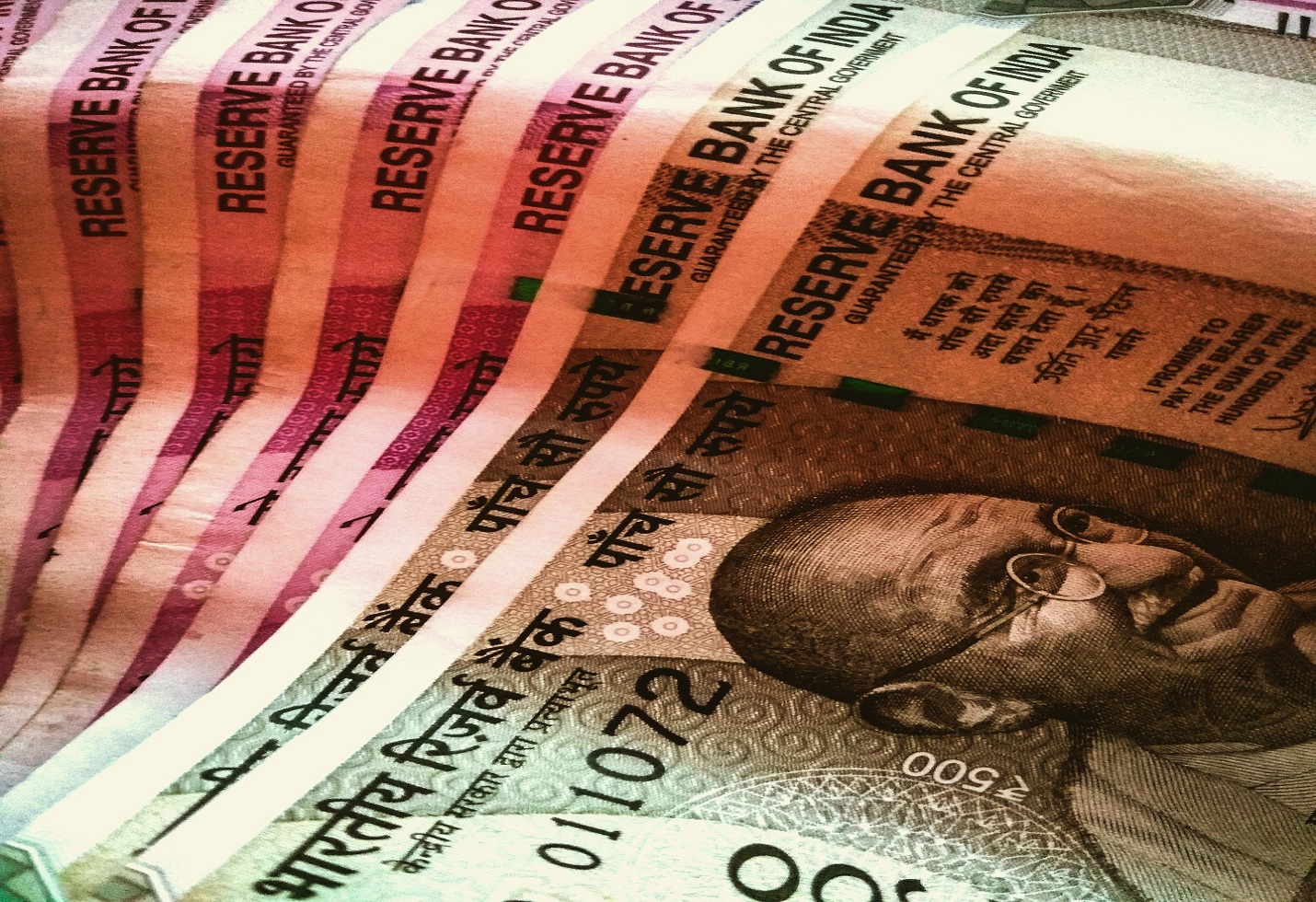
The image added is for representation purposes only

Foxconn Plans 300-Acre Hub in North India

UGRO Capital Acquires Profectus Capital in Ambitious ₹1,400 Crore Deal

The stable growth of Shriram Finance driven by policy aid and balance credit mix

The stable growth of Shriram Finance driven by policy aid and balance credit mix

Shriram Finance remains the biggest Non-Banking Financial Company in the retail segment. Its current market price is about Rs. 527 and market capitalisation is around Rs. 99,157 crore. The ratings given to the stock is over-weight.

The performance of the company was affected by a hike in operating spendings and provisions. Despite the prevailing contraction in the industry, the quality of assets of the company continued to be strong due to a healthy balance of different credits.

Performance of the stock
During the period of the previous three months, the shares of the company recorded a decline of about 19 percent. Since 10th January, 2025, the stock has traded in accordance with a new split basis as it was split into a ratio of 1:5.

Healthy credit mix
The commercial auto industry is facing a declining trend in the present times. Despite this, the growth in AUM was higher than predicted due to a rise in loans taken for passenger vehicles, MSME, and two-wheelers.

The progress in medium and heavy commercial vehicles was not much due to bad weather conditions, prolonged elections, and also due to contraction in spending on infrastructure. In contrast to this, the two-wheelers and Passenger vehicles recorded a strong growth potential. Further, rise in rural consumption levels lead to boost to growth in demand for farm equipment and tractors.

There is a potential for Commercial vehicles to grow in case of increase in market activity. Apart from this, the growth in loans for the non-auto segment will lead to expansion of credit growth. The company recorded a consecutive fall in the gold loans segment. Despite this, it is anticipated to record a slight hike in the growth following the fourth quarter of the financial year 2025. The company expects its AUM to grow in the range of 15 to 20 percent.

Sale of its subsidiary
In the month of December 2024, the company sold shares of about 84.44 percent of its housing finance subsidiary to Warburg Pincus. The sale was worth about Rs. 3,929 crore. The money acquired from the sale of the subsidiary will help to finance its further growth in its key business areas having high returns. It will give an opportunity to the company to focus on growth of operations which give high returns to the company.

This sales agreement helped the company to raise its capital adequacy ratio to about 84 basis points on a quarter-on-quarter basis in the third quarter of the current financial year. The sale of the housing finance subsidiary of the company led to a special profit of about Rs. 1,489.39 crore to the company after deduction of its taxes.

Performance of asset class
In midst of tension across the industry, the company was able to maintain low cost of loans. The reason for this is efforts taken regarding collection of loan amounts and loan approvals. This has resulted in a good quality of assets of the company. The company has maintained a target of keeping the cost of loans below the range of 2 percent. The company was able to keep its loan cost in the range of 1.85 percent.

Performance of NIMs
Even though the loan cost is low and stable returns observed by the company, the contraction in net interest margins was recorded. The reason for this is surplus liquidity in the company. In the fourth quarter of the current financial year, the company is projected to record a hike of 20 basis points in the net interest margins, when the issues of cash flow are resolved. The expansion in assets with higher returns will help to improve net interest margins. Further, the possibility of RBI reducing interest rates will help in the progress of the company.

In the third quarter of the financial year 2025, the cost of employees and other overhead was spiked. This resulted in the expansion of the cost-to-income ratio of the Shriram Finance company compared to being in range of about 28 percent in the current financial year. Further, the ratio is anticipated to fall in the financial year 2026. The reason for this is progress in digitization and productivity of the company.

In addition to this, expansion of NIMs, stable loan cost and a healthy growth in AUM will lead to boost to Return on Equity (ROE) of the company.

Projection
Shriram Finance was able to tackle the prevailing economic challenges in the economy. It was able to outshadow its competitors. One of the reasons for this is power to set prices as it has a strong position in the rural areas and financing of used vehicles segments. It also has the advantage of selling extra products to their existing consumers.

Following its merger, the company is able to diversify its services resulting in better risk management and not depending on one type of financing only.

Further, the recovery would be observed in the commercial vehicles segment due to rise in rural demand and better macroeconomic situation. It is also due to growth in logistics operations due to good monsoon and expansion in infrastructure expenditure in the first half year of the financial year 2026.

In present times, the company’s stock price is about 1.8 times compared to its projected book value for the financial year 2026. Further, the current fall in the stock price can act as a chance for long-term investors to purchase and hold the stock.

The image added is for representation purposes only

Budget needs to focus on local infrastructure

Festo Launches ₹500 Crore Facility to Boost Automation

NBFC & HFC Loan Growth to Slow in FY25 Amid Softer Demand and RBI Norms

NBFC & HFC Loan Growth to Slow in FY25 Amid Softer Demand and RBI Norms

Overview
A Jefferies study projected that the loan growth of Indian Non-Banking Financial Companies (NBFCs) and Housing Finance Companies (HFCs) (apart from Infrastructure Finance Companies (IFCs)) would slow to 17% in FY25 from 21% in FY24. According to the research, this moderation is the result of softer macroeconomic conditions, which have led to a decline in loan demand. It predicted that growth would level off and settle at healthy levels in FY26e. It predicted that growth would level off and settle at healthy levels in FY26e. With the exception of IFC, we anticipate that sector loan growth will slow to 17% in FY25e (compared to 21% in FY24) and level off around these levels in FY26e. Additionally, according to an article published in the Economic Times, most lenders recorded reduced credit growth in the three months due to a combination of factors, including slower consumer demand, risk aversion toward unsecured loans, and lackluster deposit growth until late into the December quarter.

RBI’s guidelines on lending to NBFCs led to a slowdown in credit growth
According to the research, this moderation has been aided by a cyclical downturn in industries like automobiles as well as decreased lending to unsecured and microfinance loans (MFI), in accordance with RBI advice.

In November of last year, the RBI released guidelines on the NBFC’s lending criteria which increased risk weights on bank funding to NBFCs. This acted as the preliminary reason behind the slowing down in credit growth. The shadow banks diversified their funding sources as a result of this action. These days, NBFCs are more often using the domestic capital market to raise money through bonds and the international market to access dollar bonds and syndicated loans. Put this in figures, compared to a 19% increase in the same time in 2023, lending growth to the NBFC sector fell to 7.8% year-over-year in the two weeks ended November 29, 2024. As a result of this slowdown, sectoral deployment data issued by the RBI showed that credit growth to the services sector decreased from 22.2% year over year to 14.4%.

In absolute terms, credit to the NBFC sector was Rs 15.75 trillion at the end of the two weeks ending November 29, 2024, as opposed to Rs 15.48 trillion at the end of the two weeks ending March 22, 2024, according to RBI data. In its most recent “trend and progress report,” the RBI emphasized that NBFCs must further diversify their funding sources as a risk mitigation tactic because, notwithstanding recent moderation, their reliance on banks is still significant.

Jefferies report further stated that during 1HFY25e, growth moderation was comparatively milder in other areas, although it has been significant in unsecured PL, consumer lending, and MFI.

According to the RBI’s Financial Stability Report, shadow bank loan growth slowed to 6.5% on a half-year-on-half-year (H-O-H) basis in September 2024 after the RBI increased risk weights on NBFC lending to specific consumer credit categories and bank lending to NBFCs. The RBI claims that the upper-layer NBFCs segment, which is mainly made up of NBFC-Investment credit companies and has a large percentage of retail lending (63.8%) in its loan book, was where the effects of the credit moderation were most noticeable. Nonetheless, middle-layer NBFCs—apart from government-owned NBFCs—maintained strong credit growth, particularly in portfolios of retail loans.

Additionally, private placement is the preferred method for bonds listed on reputable exchanges, and NBFCs continue to be the biggest issuers in the corporate bond market. NBFCs tried to diversify their funding sources by issuing more listed non-convertible debentures (NCDs) in the face of a slowdown in bank direct lending. In order to diversify their funding sources and keep total expenses under control, NBFCs are now taking out more foreign currency loans. Nevertheless, the RBI has issued a warning that, to the extent that these NBFCs remain unhedged, the increase in foreign currency borrowings may present currency concerns.

Asset Under Management of NBFCs on a decline
According to the research, NBFCs’ Asset Under Management (AUM) growth is anticipated to decrease to 20% in FY25 from 24% in FY24. HFCs might, however, experience better AUM growth, increasing from 11% in FY24 to 12–13% in FY26. Further, economic activity is expected to rise in FY26, which would help stabilize growth in the sector.For the FY25–27 period, the coverage AUM (excluding IIFL) is expected to grow at a CAGR of 19%, which is slightly higher than the 18% predicted for FY25. As of September 2024, the growth in loans for Housing Finance Companies (HFCs) and NBFCs has decreased from 22% in March 2024 to 20%.

Further, the slowdown has been most noticeable in consumer financing, MFI loans, and unsecured personal loans, while growth in other areas has slowed down somewhat in the first half of FY25. About 30% of NBFC and HFC lending is provided by infrastructure finance companies (IFCs), whose share of the sector’s asset under management (AUM) growth slowed to 15% in September 2024 from 18% in March 2024.

Sectoral credit growth trends to follow in 2025
By segment, incremental growth trends in 2025 are probably going to differ. Auto loans and other segments are forecast to stabilize and possibly pick up if macroeconomic conditions improve as planned, the research noted, even if growth in unsecured loans and MFI loans is predicted to remain muted throughout the first half of the year.

The image added is for representation purposes only

India’s Steel Demand Set to Rise 8-9% in 2025

RBI's Revised Co-Lending Norms Set to Transform NBFC Growth

RBI Bars Four NBFCs for Regulatory Breach

RBI Bars Four NBFCs for Regulatory Breach

RBI Suspends Four NBFCs from Loan Issuance: A Regulatory Crackdown
In a significant regulatory move, the Reserve Bank of India (RBI) has prohibited four non-banking financial companies (NBFCs) from issuing new loans. The action follows these firms’ violations of regulatory norms related to lending practices, signaling the central bank’s growing vigilance toward the sector.

The four entities impacted by the RBI’s order are:

Muthoot Microfin Ltd
Handygo Technologies Pvt Ltd
Vibrant Microfinance Ltd
Pai Power Solutions Pvt Ltd
This development has far-reaching implications, given the crucial role of NBFCs in extending credit, especially to underserved segments such as small businesses and low-income households.

Reasons Behind the Regulatory Action
The RBI has not disclosed the precise nature of each company’s violations. However, it indicated that the affected NBFCs breached guidelines governing fair lending practices and responsible operations. These norms are critical to ensuring transparency, borrower protection, and financial stability within the sector.

Given the RBI’s emphasis on systemic health, even relatively minor lapses in governance, documentation, or compliance can attract swift punitive actions. Analysts speculate that the infractions could involve issues such as improper loan underwriting, failure to maintain sufficient capital buffers, or mismanagement in lending portfolios.

Implications for the NBFC Sector
The RBI’s regulatory action sends a clear message to the broader NBFC ecosystem. As financial intermediaries with less stringent regulatory oversight compared to banks, NBFCs have expanded aggressively in recent years. However, this growth has heightened concerns over asset quality and operational transparency.

For investors, the incident highlights the risks associated with non-bank lenders. Companies that fail to maintain proper compliance structures risk not only regulatory action but also a deterioration in market reputation. On the other hand, NBFCs that demonstrate robust governance may find it easier to attract capital and enhance customer trust.

This crackdown may prompt other NBFCs to reassess their processes and tighten internal controls to avoid similar repercussions. Furthermore, it underscores the importance of regulatory arbitrage—a phenomenon where NBFCs operate with fewer restrictions relative to banks—remaining in check.

Impact on Credit Flow and Borrowers
The immediate impact of the ban is expected to be limited to the operations of the four affected NBFCs. However, if systemic tightening across the sector follows, it could temporarily disrupt the flow of credit to small businesses and individuals who rely heavily on non-bank lenders.

Additionally, the affected companies will likely experience increased scrutiny from stakeholders, including investors and rating agencies. Operational constraints may also hinder their ability to grow loan portfolios, further constraining profitability.

Broader Market Implications
The regulatory crackdown aligns with the RBI’s broader objective of maintaining financial discipline across the financial services ecosystem. With the sector growing rapidly, the central bank’s proactive stance aims to mitigate risks that could destabilize the economy.

NBFCs play a vital role in filling credit gaps left by traditional banks, especially in rural and semi-urban areas. However, incidents like these highlight the need for robust compliance frameworks to ensure that the sector continues to grow sustainably.

Conclusion
The RBI’s ban on four NBFCs from issuing loans serves as a reminder of the importance of regulatory adherence within India’s financial system. It demonstrates the central bank’s focus on strengthening governance practices in non-bank lending to protect borrowers and investors.

For the affected NBFCs, the path forward will require addressing the compliance gaps identified by the regulator. On a broader level, this regulatory action reinforces the need for financial institutions to operate transparently while balancing growth with sound governance.

The image added is for representation purposes only

TCS Unveils Pace Studio in Philippines to Boost Digital Innovation

Visteon Invests $10M in India's Camera Manufacturing!

Shriram Finance Targets $1.5 Billion in Overseas Funding

Shriram Finance Targets $1.5 Billion in Overseas Funding

Shriram Finance, a prominent non-banking financial company (NBFC) in India, has announced its plans to raise up to $1.5 billion from international investors in the current fiscal year (2024-25). This strategic move marks a significant step towards diversifying its funding sources and bolstering its financial resilience in the face of recent regulatory changes.

The decision to seek international capital is primarily driven by the Reserve Bank of India’s (RBI) mandate for lending institutions to allocate more capital for loans extended to NBFCs. This regulatory change has increased the cost of domestic borrowing, making it more challenging for NBFCs to secure affordable financing. By tapping into the global capital markets, Shriram Finance aims to mitigate the impact of these regulatory changes and secure funding at potentially more favorable terms.

Shriram Finance is targeting to raise between $1.25 billion and $1.5 billion through a combination of loans and bonds placed in the international market. The company has already secured $300 million of this amount and is actively pursuing additional funding in the coming months. This strategic approach demonstrates Shriram Finance’s confidence in its ability to attract foreign investors and its commitment to achieving its ambitious fundraising goals.

The company’s decision to diversify its funding sources is a testament to its prudent financial management. Prior to the planned overseas fundraising, Shriram Finance had a well-balanced funding portfolio. Shriram Finance’s total liabilities were approximately 24.8% bank borrowings, 8.3% foreign currency loans,and 5.8% bonds. This diversified approach has provided the company with a degree of financial flexibility and resilience in the face of changing market conditions.

The RBI’s regulatory changes are expected to have a more significant impact on smaller NBFCs with a higher dependence on domestic banks. These institutions may face challenges in securing affordable financing due to their lower credit ratings and limited access to alternative funding sources. Shriram Finance, with its strong credit profile and diversified funding strategy, is well-positioned to weather the storm and capitalize on the opportunities presented by the evolving regulatory landscape.

Shriram Finance is confident in its growth prospects, even in light of recent regulatory changes. The company anticipates a 15-16% increase in its assets under management (AUM) in the quarter ending September 2024. However, this growth is expected to be slower than the previous quarter’s 21%, which was driven by a surge in lending for large commercial vehicles.

Looking ahead, Shriram Finance’s successful fundraising efforts and continued focus on diversification are likely to strengthen its financial position and enable it to pursue strategic growth initiatives. Shriram Finance’s future success hinges on its ability to effectively adapt to and benefit from the changing regulatory landscape.

While Shriram Finance’s overseas funding plans offer significant promise, there are several factors that could influence the outcome. These include fluctuations in global interest rates, changes in currency exchange rates, the regulatory environment in the countries where Shriram Finance plans to raise funds, and the overall sentiment among international investors towards emerging markets.

Shriram Finance’s decision to raise up to $1.5 billion from overseas investors is a bold and strategic move that reflects the company’s commitment to growth and financial resilience. By diversifying its funding sources and tapping into the global capital markets, Shriram Finance is positioning itself to navigate the challenges and capitalize on the opportunities presented by the evolving regulatory landscape. The successful execution of its fundraising plans could pave the way for further expansion and solidify Shriram Finance’s position as a leading player in the Indian NBFC sector.

The image added is for representation purposes only

Sugar Industry Fears New Norms May Stifle Growth and Innovation

Equity Right

Government announces first tranche of economic package

Government announces first tranche of economic package

To go by the struggle caused due to COVID-19, Finance Minister Nirmala Sitharaman has announced an economic package of ₹ 20 lakh crore under government’s Atma Nirbhar Bharat Abhiyan / Self-Reliant India. Government noted Lockdown 4.0 will be implemented, with all the new rules and regulation which are applicable state wise and will be completely different from the previous lockdowns. The national movement of Atma Nirbhar Bharat Abhiyan / Self-Reliant India initiated by Prime Minister Narendra Modi is to support India’s small and local business. He emphasized on slogan viz. #VOCALFORLOCAL.


Aid to Non-Banking Financial Companies (NBFCs) in this economic booster package:

Non-banking financial companies (NBFCs), Microfinance institutions (MFIs) and Housing finance companies (HFCs) will get liquidity support of ₹30,000 crore under liquidity scheme. Under this scheme, banks can invest in investment-grade debt papers issued by NBFCs, HFCs and MFIs through both primary and secondary market transactions. The investment up to ₹30,000 crore will be entirely guaranteed by Government of India.

Additionally, NBFCs, MFIs, and HFCs will even get the assistance of ₹45,000 crore under partial guarantee scheme. This assistance provided by the government is to provide liquidity support to institutions whose credit rating is low. This will be applicable to all unrated papers and the papers with ratings of AA and below issued by NBFCs, MFIs, and HFCs. This will enhance the liquidity support of all the institutions under NBFCs, MFIs, and HFCs. Under this scheme, the first 20% loss will be borne by Indian government i.e. public sector banks resulting in a liquidity of ₹45,000 crore.


Aid to Micro, Small and Medium Enterprises (MSMEs) in this economic booster package:

New rules and regulation introduced in MSMEs is to enhance the growth of small businesses are as follows:

1) Government of India introduced the new definition for Micro, Small and Medium Enterprises (MSMEs) which includes increase in investment limits, new additional criteria of turnover, manufacturing and service sector will be considered same and introduced some new amendments to law. New definition states micro units, small units and medium can invest up to ₹1 crore and turnover below ₹5 crore, ₹10 crore and turnover below ₹50 crore, ₹20 crore and turnover below ₹100 crore, respectively.

2) Government introduced the provision of Collateral-free Automatic Loans of ₹3 lakh crore. This provision will help 45 lakh MSMEs in India. MSMEs can avail loan from banks, and NBFC’s. The eligibility criteria of granting loan is MSMEs with ₹25 crore outstanding credit & turnover of ₹100 crore are eligible to take advantage of this provision. They can avail the scheme before October 31st 2020. However, interest will be charged on the loan granted, but 100% guarantee will be ensured by Banks & NBFCs.

3) MSMEs which are undergoing through massive losses and NPAs, provision of Subordinate Debt worth ₹ 20,000 crore will be offered by the government. Approximately 2 lakh small companies will be aided through this provision. Credit Guarantee Fund Trust for Micro and Small Enterprises (CGTMSE) will get assistance of ₹4,000 crore from government in return CGTMSE will provide partial credit guarantee support to banks.

4) Government will set up Fund of Funds (FoF) amounting ₹10,000 crore. This will help MSMEs for equity funding and in their potential growth and viability. Set up Fund of Funds (FoF) will be functioned by Mother Funds and some daughter funds. Daughter fund level will help Fund of Funds (FoF) to provide assistance of ₹50,000 crore MSME’s to get listed on stock exchanges and also for their expansion.

5) To support movement of VOCAL FOR LOCAL government will not pass global tender worth ₹200 crore. This step will immensely help in the growth of MSME’s.

6) Government noted all the dues of Micro, Small and Medium Enterprises (MSMEs) will be cleared in the upcoming 45 days.


Aid to Employee Provident Funds (EPF’s) in this economic booster package:

Government of India stated they will extend their support under Employees Provident Fund scheme by 3 months i.e. for the month of June, July, and August 2020. This provision will cover 3.67 lakh institutions and help approximately 71 lakh employees by providing liquidity relief of ₹2,500 crore.

Relief of ₹6,750 crore will be observed by a reduction in Employees Provident Funds (EPF) contribution for business and workers. This provision will cover 6.5 lakh institutions covered under Employees Provident Fund Organization (EPFO) and approximately 4.3 crore employees are benefited. However, state run Public sector undertakings (PSU’s) will continue to pay 12% as employer contribution.


Aid to contractors in this economic booster package:

Railways, Ministry of Road Transport and Highways, and various central agency will get leeway up to 6 months in construction work, all contacts which have obligations to complete in a stipulated time period. Bank guarantees are partially released to ease cash flows.


• Aid to Real Estate sector in this economic booster package:

Extension of 6 months will be provided in a timeline of all Real Estate Regulatory Authority (RERA) projects. All the registration and completion dates of projects under RERA will be covered in this provision.


Aid in Tax Reforms in this economic booster package:

There will be a reduction of 25% in TDS/TCS on all the transactions executed by individuals and businesses. This provision will help to provide liquidity support of ₹50,000 crore. This reduction will be effective from 14th May 2020 to 31st March 2021. Due date of income tax return (ITR) filings is extended to 30th November 2020.


What are liquid funds? Find more

Easing of risk weights on loans given to MFIs and NBFCs

Lenders seek replacements for debt schemes

Lenders seek replacements for debt schemes

Debt mutual funds are the funds which are invested in instruments like treasury bills, certificate of deposits and c-papers. This instruments have fixed interest earnings with fixed tenure. Although, this interest is fixed for throughout the period of investment on the underlying asset. The main goal is to collect wealth through the interest earned and increase the overall investment value. Best debt scheme is decided on the basis of the credit rating given to them. If the credit rating is high. it means debt security have higher chances of paying the interest and principle during the time of maturity.

Debt schemes are usually taken by the investors and high network individual (HNI). They are risk averse and not ready to invest in equities. They choose debt funds according to their requirement for short to medium term. While investing in any scheme, investor considers points like what is the objective of funds? In which category this funds fall, how much risk is involved. Factors like cost, investment horizon and financial goal is also considered. Debt funds are evaluated on the factors like fund history, fund returns and ratios like financial ratios and expense ratios. Some best performing debt funds are SBI magnum constant maturity fund, ICICI prudential constant maturity gilt fund, UTI gilt fund, Axis banking and PSU debt fund and Kotak dynamic debt fund.


Franklin Templeton’s decision:

Franklin Templeton is one of the biggest mutual fund house and stands in 9th position in the country. They have recently announced that they are winding up the their 6 debt schemes. They are credit risk fund, duration fund, dynamic accrual fund, short term income plan, ultrashort bond fund and income opportunities fund. If valued altogether, this 6 schemes hold around 30,000 core asset of investors. After these scheme got windup, investors who had invested in this scheme cannot withdraw their cash on the basis of the asset they have put and their money is locked.


Liquidity concerns:

After Franklin Templeton scraped six debt schemes, liquidity became the main concern for the financial institution. Therefore they have asked investors and HNI’s who have borrowed fund from the banks and other financial institution to bring additional margins in debt mutual fund. This also includes franklin Templeton’s schemes. Investors and promoters have invested money in these schemes to raise money so that they can invest in the market or any other short term scheme to meet their short term capital requirement. Many high network individuals have borrowed money from NBFCs and bank to invest in the mutual funds. They are giving more than 8% returns and are more risky.


How will businesses survive social distancing?

Equity Right Ola Financial Services

SFPL gives up NBFC dreams. Renounces the licence

Mr Dilip Shanghvi's investment company Shanghvi Finance Pvt Ltd (SFPL) has surrendered their NBFC license. The investment company is a unit of Dilip Shanghvi Group. The group is also responsible...
Giva Raises Fresh Capital to Strengthen Jewelry Business, Valued at ₹3,950 Crore

RBI releases draft norms on Liquidity Risk Management for NBFCs and Core Investment Companies

On 24th May 2019, the Reserve Bank of India (RBI) suggested changes in the Asset Liability Management (ALM) framework for Non-Banking Financial Companies (NBFCs) and Core Investment Companies (CICs) in...