Menu

business update

SMBC Strengthens Stake with ₹16,000 Crore Investment in Yes Bank

SMBC Strengthens Stake with ₹16,000 Crore Investment in Yes Bank

SMBC Strengthens Stake with ₹16,000 Crore Investment in Yes Bank

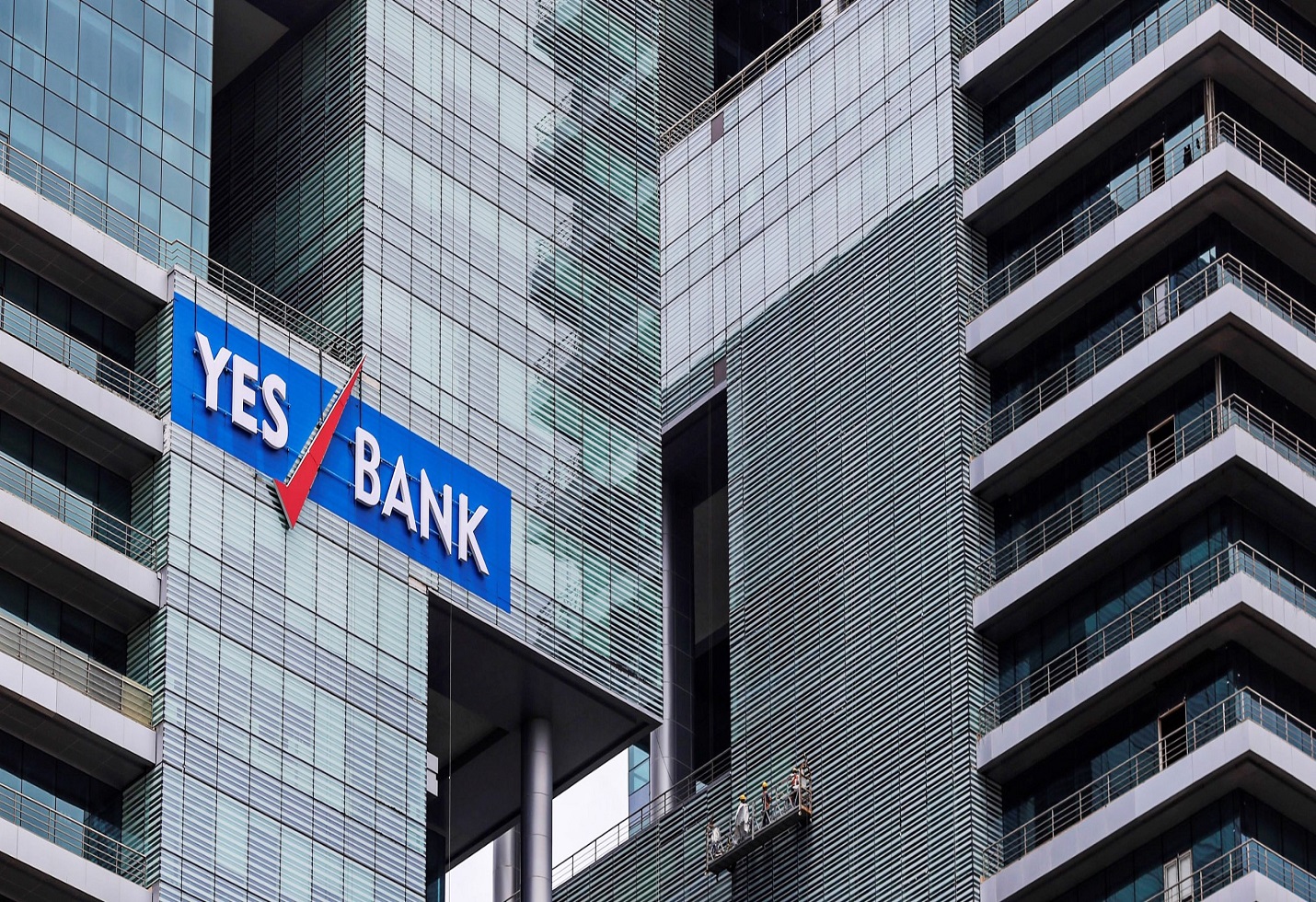
Sumitomo Mitsui Banking Corporation (SMBC), Japan’s banking major, is poised to strengthen its partnership with Yes Bank through an infusion of ₹16,000 crore in equity and debt financing.

Strategic Boost for Yes Bank’s Financial Health
Sumitomo Mitsui Banking Corporation (SMBC), Japan’s third-largest lender, is preparing to infuse an additional ₹16,000 crore into Yes Bank. This latest capital infusion, structured through yen-denominated bonds and equity instruments including foreign currency convertible bonds (FCCBs), is anticipated to significantly strengthen Yes Bank’s balance sheet and improve overall financial metrics.
The ₹16,000 crore further investment follows SMBC’s earlier acquisition of a 20% stake in Yes Bank for ₹13,500 crore, primarily acquired from existing shareholders led by the State Bank of India (SBI). SMBC has secured regulatory approval from the Reserve Bank of India (RBI) to hold up to 24.99% equity, with plans to explore strategies to raise this stake by 4.99% in coming months.

Investment Breakdown and Structure
The capital injection is split into two parts:
• ₹8,500 crore through long-term, yen-denominated bonds carrying sub-2% rates, offering Yes Bank access to low-cost capital.
• ₹7,500 crore through equity infusion, most likely in the form of FCCBs, boosting the bank’s capital adequacy and enabling growth lending.
This structured funding approach not only tightens Yes Bank’s liquidity but also optimizes the cost of capital, which will enable more competitive lending and expansion.

SMBC’s Plans for a Larger Role
The bank is also establishing a wholly owned subsidiary in India, intended as a platform for potential majority ownership in the future. Recent negotiations with private equity investors Advent International and Carlyle Group—holders of approximately 9.2% and 4.2% stakes, respectively—are ongoing to facilitate the increase in SMBC’s holding.
While RBI has yet to grant promoter status, SMBC’s keen interest in formalizing this status signals a robust long-term commitment to shaping Yes Bank’s growth narrative in the competitive banking sector.

Positive Market Reception and Outlook
News of SMBC’s additional ₹16,000 crore investment led to immediate market enthusiasm, with Yes Bank’s shares surging around 4% on BSE following the announcement. Investors view the move as bolstering the bank’s financial position, which is crucial given Yes Bank’s position as a private sector challenger bank in India.
The fresh infusion of capital is expected to lift Yes Bank’s net interest margin (NIM), which stood at just 2.5% in June 2025—one of the lowest in the industry.
Better capital adequacy could enable the bank to lend more aggressively while sustaining profitability.

Yes Bank’s Evolution and Growth Prospects
Yes Bank has undergone significant transformation since the 2020 bailout led by the Reserve Bank of India and major lenders like SBI. SMBC’s involvement marks an important chapter, bringing in international expertise and financial muscle to support the private lender’s ambitions.
With this infusion, Yes Bank is well-positioned to scale its loan book, invest in digital banking capabilities, and strengthen its presence in corporate, retail, and MSME banking sectors. SMBC’s strategic partnership is expected to provide the bank with access to global best practices, governance frameworks, and new business opportunities.

Concluding Perspectives
SMBC’s planned ₹16,000 crore investment is a pivotal moment for both the Japanese banking giant and Yes Bank. It underlines SMBC’s growing confidence in India’s private banking sector and its aspirations for a larger footprint. For Yes Bank, this strategic capital boost secures a stronger capital base, setting the stage for accelerated growth and enhanced competitiveness.
Pending regulatory approvals and successful stakeholder negotiations, this partnership could redefine Yes Bank’s future trajectory as a robust, technology-driven, and globally connected bank.


The image added is for representation purposes only

Maruti Suzuki’s EV Export Push: A Strategic Win for Investors

Murae Organisor Reports Promising Q1 2026 Results: A Positive Start to the Fiscal Year

Murae Organisor Reports Promising Q1 2026 Results: A Positive Start to the Fiscal Year

Murae Organisor Reports Promising Q1 2026 Results: A Positive Start to the Fiscal Year

Steady Revenue Growth and Improved Margins Highlight Operational Strength

Introduction
On August 18, 2025, Murae Organisor Ltd, a prominent player in the pharmaceutical and biotech industry, announced its Q1 FY26 financial results. The quarterly performance demonstrated resilience and incremental growth amidst a challenging industry environment. The results reflect the company’s focused execution on sales expansion, operational efficiency, and strategic investments, setting a positive tone for the year ahead.

Financial Highlights: Solid Performance Amid Market Challenges
Murae Organisor reported strong financial performance for the quarter ended June 2025:
• Revenue: Consistent year-on-year growth, driven by strong demand for core pharmaceutical products.
• Net Profit: Improved profitability supported by effective cost controls and optimized production processes.
• EBITDA Growth: Margins expanded moderately, reflecting a better product mix and higher operational leverage.
The board meeting, held in August 2025, formalized these results and included discussions on dividend policy and ongoing capital expenditure.

Revenue Expansion
Murae Organisor’s revenue growth for Q1 2026 was fueled by:
• Increased sales traction in both domestic and international markets.
• Enhanced product distribution channels boosting market penetration.
• Favorable market conditions improving customer ordering patterns.

Profitability Improvement
The company demonstrated improved earnings quality through:
• Efficient supply chain management reducing input costs.
• Adoption of lean manufacturing practices mitigating overhead expenses.
• Focus on higher-margin products bolstering overall profitability.

Market Response and Share Performance
Following the Q1 2026 announcement, investor sentiment turned favorable:
• Share Price Movement: The stock price exhibited steady gains post-results release, reflecting growing confidence in the company’s operational trajectory.
• Analyst Commentary: Market watchers appreciated Murae’s ability to sustain growth despite pressures typical for the pharmaceutical sector as well as ongoing inflationary trends.

Strategic Initiatives Underpinning Growth
Murae Organisor continued advancing key strategic priorities in Q1 2026:
• Product Innovation: Continued investment in R&D to expand the product pipeline, advancing high-potential biopharmaceuticals.
• Capacity Enhancement: Upgrading manufacturing lines to support scale and improve quality assurance.
• Market Diversification: Expanding presence in emerging geographies to reduce dependency on traditional markets.
These initiatives were highlighted in the company’s recent board communications and investor disclosures.

Industry Context and Outlook
The pharmaceutical sector in India is navigating several transformative trends:
• Increased focus on generic drug production aligned with affordability mandates.
• Greater adoption of biotechnology and specialty drugs creating new market segments.
• Regulatory reforms encouraging transparency and stricter compliance.
In this environment, Murae Organisor’s strategic emphasis on innovation, quality, and regulatory adherence positions it well for sustainable growth.

Management Commentary
In statements accompanying the Q1 results, company leadership expressed optimism:
“Our Q1 results reaffirm our dedication to operational excellence and agility in responding to market dynamics. We are confident that our strategic investments will generate lasting shareholder value,” said senior executives.

Challenges and Risks
While results are encouraging, challenges remain:
• Competitive pressures from domestic and global generics manufacturers.
• Raw material price volatility impacting cost structures.
• Need for continual regulatory compliance in a rapidly changing policy landscape.

Conclusion
Murae Organisor’s Q1 2026 fiscal results deliver a strong start to the year, showcasing steady revenue growth and improved profitability. Supported by strategic initiatives in innovation, capacity building, and market expansion, the company appears well positioned to capitalize on evolving pharmaceutical industry dynamics. Investors and analysts will continue to watch Murae Organisor’s execution closely as it pursues sustained growth in a competitive sector.


The image added is for representation purposes only

Inditrade Capital Posts Steady Q1 2026 Results Amid Market Headwinds

STL Networks’ Shares Jump on ₹360 Crore PowerGrid Teleservices Contract

Kore Digital Q1 FY2026 Results: Robust Growth Driven by Telecom Infrastructure Demand

Kore Digital Q1 FY2026 Results: Robust Growth Driven by Telecom Infrastructure Demand

Kore Digital registers strong quarter with impressive revenue and profit growth amid expanding telecom infrastructure sector.

Overview of Kore Digital’s Q1 FY2026 Performance
Kore Digital delivered a strong financial performance for the quarter ending June 30, 2025, signaling a new phase of solid growth. The company’s revenue surged by approximately 35% quarter-on-quarter (QoQ) to ₹157 crore, compared to ₹116.5 crore in the previous quarter. This growth reflects heightened demand for telecom infrastructure services, bolstered by ongoing digitalization initiatives and network expansion activities across India.
Key financial highlights for the quarter include:
• Revenue: ₹157.01 crore (up 34.69% QoQ)
• EBITDA: ₹19.93 crore (up 15.54% QoQ)
• PAT: ₹13.51 crore, its 15.37% QoQ increase
• Basic Earnings Per Share (EPS): ₹11.44
These figures establish Kore Digital’s foundational strength in executing telecom infrastructure projects and are indicative of the company’s ability to capitalize on India’s accelerating digital growth and network rollout strategies.

Drivers of Growth
Telecommunication Infrastructure Demand
The telecom sector continues to be a key driver of Kore Digital’s growth. Increasing investments to strengthen 4G/5G networks, rollout of new fiber optic cables, and expanding data penetration have fueled demand for infrastructure solutions. Kore Digital’s focus on high-quality fibre and connectivity projects for large telecom operators and government infrastructure initiatives is clearly paying off.

Operational Efficiency and Margin Expansion
While revenues posted remarkable gains, EBITDA grew at a more moderate 15.5%, reflecting disciplined operational cost management amid rising expenses. The EBITDA margin was 11.63%, while the net profit margin came in at 8.6%. The company showed an encouraging trend in controlling operating expenses, positioning itself well for sustained margin expansion as scale improves.

New Contracts and Long-Term Outlook
Kore Digital announced new contracts, including connectivity work on the prestigious Samruddhi Mahamarg project, expected to begin generating revenues from December 2025. These strategic projects are expected to fortify earnings in upcoming quarters, providing visibility for growth beyond the current fiscal year.
Financial Health and Balance Sheet Strength
Kore Digital’s balance sheet reflects healthy capital deployment aimed at supporting expansion. Equity capital and reserves total around ₹106 crore, while total assets stand at about ₹246 crore. The company maintains a stable working capital cycle, and positive cash flows are anticipated with the ramp-up of new projects. Investor confidence remains strong, with promoter holding at approximately 63%.

Market Reaction and Analyst Views
The financial markets responded positively to Kore Digital’s quarterly results. The stock showed price gains post-results announcement, fueled by optimistic analyst commentary projecting continued telecom capex driving revenues and profitability. Analysts highlight Kore Digital’s well-diversified project portfolio, strong client relationships, and operational execution as key competitive advantages.
Analysts recommend monitoring margins and working capital performance closely, as well as successful execution of the upcoming Samruddhi Mahamarg connectivity project, which could serve as a major catalyst for medium-term growth.

Challenges and Risks
• Project Delays: Execution speed and regulatory approvals for large infrastructure projects can impact revenue visibility and cash flows.
• Competitive Pressure: The telecom infrastructure space is becoming increasingly competitive, potentially affecting pricing power and margins.
• Macro Headwinds: Supply chain disruptions or changes in government policies could slow investment pace.
Kore Digital’s management is focused on risk mitigation through contractual safeguards and maintaining operational agility to adapt to changing market dynamics.

Conclusion
Kore Digital’s Q1 FY2026 financial results demonstrate a solid leap forward, powered by robust telecom infrastructure demand and operational discipline. With revenues up 35% and net profit growing 15%, the company is well-positioned to leverage India’s digital infrastructure boom. Upcoming strategic projects, such as the Samruddhi Mahamarg connectivity, add confidence for sustained growth and investor interest.
While challenges persist, Kore Digital’s strong execution track record and market position form a sound foundation for future success. The quarter’s results confirm it as a key player in India’s telecom infrastructure services landscape with promising growth prospects in FY2026 and beyond.


:


The image added is for representation purposes only
Coastal Corporation Q1 2026: Robust Performance and Rising Profits

Godrej Consumer Products: Can International Expansion and Product Innovation Improve Profitability?

Madhur Industries Q1 FY26: Modest Gains, Ongoing Losses, Turnaround Hopes

Madhur Industries Q1 FY26: Modest Gains, Ongoing Losses, Turnaround Hopes

Fragile Recovery as Company Grapples with Thin Margins in a Volatile Market

Introduction
Madhur Industries, active in India’s food processing segment, entered fiscal year 2026 focusing on growth and efficiency. The Q1 FY26 numbers, now announced following its August 2025 board meeting, reveal a company gradually expanding top-line revenue, yet unable to convert those gains into sustainable profits. As India’s packaged food sector adjusts to shifting consumer habits and cost structures, Madhur’s story is one of determination amid mounting financial challenges.

Q1 FY2026 Snapshot: Revenue Growth Amid Losses
For the first quarter ending June 2025, Madhur Industries reported standalone revenue of ₹0.11 crore, representing a substantial jump compared to preceding quarters. Despite this improvement, the company posted a net loss of ₹2.53 lakh for the quarter, continuing a succession of negative quarters that have tested management’s resilience and shareholder patience.
• Revenue: ₹0.11 crore in Q1 FY26, up 83% from ₹0.06 crore last quarter.
• Net Loss: ₹2.53 lakh in Q1 FY2026, reflecting continued pressure on margins.
• Expenses: Operating costs outpaced revenue growth, with quarterly expenses rising sharply.
• EPS: It remained negative

Unpacking the Financials: What’s Driving Results?
Revenue Trends and Demand
On the sales front, Madhur Industries saw marginal volume upticks in established segments. The company continues to see moderate demand for staple products among its core consumer base but struggles to find scale at profitable price points. While the 83% sequential revenue leap appears promising, the small base means actual gains are modest in absolute terms.
Where the Losses Originate
Costs remain a substantial burden. Raw material inflation, logistics turmoil, and recurring manufacturing overheads have squeezed operating margins. As of Q1 FY26, these factors collectively tipped Madhur into another loss-making quarter, as cost-cutting and operational streamlining failed to keep pace with upward expense trends. Net profit margins remained resolutely negative.
Furthermore, the company’s EBIT margin has been consistently in the red (e.g., -239.93% for the latest quarter), and EPS for shareholders has not improved. The pattern reveals not short-term issues, but structural challenges in business model and execution.

Strategy: Pushing for Turnaround
In response, Madhur Industries’ executives have set out a series of measures designed to reverse course:
• Cost Rationalization: Streamlining procurement, minimizing wastage, and negotiating better supplier terms are front and center. Management is also reviewing overheads and production processes closely.
• Market Diversification: There is a clear effort to expand into new retail formats, bolster exports, and tap emerging channels in Tier 2 and Tier 3 regions.
• Product Innovation: The company has placed renewed emphasis on new products that meet evolving consumer preferences—healthier, ready-to-cook, and value-driven items gaining traction across wider geographies.
• Brand Investments: Marketing campaigns and digital engagement are set for a refresh, hoping to trigger higher turnover and improved customer loyalty.

Industry Landscape: Challenges and Glimmers of Hope
The Indian packaged food sector faces persistent headwinds—volatile input prices, regulatory scrutiny on food safety, and fluctuating demand due to inflationary pressures. For players like Madhur Industries, the onus is on carve-out niches where they can defend pricing, reduce costs, and leverage modest operational scale.
At the same time, the sector still holds potential. India’s consumption story is robust, with organized grocery and online channels expanding in both urban and rural markets. If Madhur can refine its product mix and ramp up efficiency, a path back to profitability remains—albeit uncertain and demanding.

Looking Forward: Can Madhur Turn the Corner?
With a series of quarters in the red, Madhur Industries is at a crossroads. Q1 FY26 brought some positive news in sales growth and renewed strategic discipline, but losses are still mounting. The company’s next few quarters will be critical as it aims to arrest the slide in bottom-line results and demonstrate that its cost and innovation strategies can bear fruit. Investors now seek evidence of sustained improvement in both margins and overall profitability.

Conclusion
Madhur Industries’ Q1 FY26 results highlight a company fighting hard for survival and relevance. While revenue is beginning to move in the right direction, consistent losses put the spotlight on execution, innovation, and discipline. The coming quarters will decide whether Madhur’s new initiatives can deliver a true turnaround, restore profitability, and reward patient stakeholders.


:


The image added is for representation purposes only

Lakshmi Mills Q1 FY26: Growing Revenue Despite Headwinds

Cedaar Textile Delivers Strong Q1 2026 Results Amid Challenging Market Conditions

Lakshmi Mills Q1 FY26: Growing Revenue Despite Headwinds

Lakshmi Mills Q1 FY26: Growing Revenue Despite Headwinds

The textile industry stalwart posts improved sales but struggles to regain profitability in a volatile market

Introduction
Lakshmi Mills Company, a prominent name in India’s textile sector, released its financial performance for the first quarter of fiscal year 2026. The results, announced in August 2025, reveal a company that is witnessing gradual revenue growth yet finds itself grappling with profitability pressures. This latest earnings report reflects both the opportunities and the challenges that India’s textile manufacturers face as they seek to balance market demand with rising costs and global competition.

Q1 FY26 Financial Highlights
Lakshmi Mills reported total income of approximately ₹71.4 crore for the quarter ending June 2025, marking a 27% increase compared to the corresponding quarter in the previous fiscal year. Despite the revenue growth, the company faced a net loss of about ₹0.66 crore (₹66 lakh), continuing a pattern of fluctuating profitability over recent quarters.
• Revenue: ₹71.4 crore, showing strong sequential and year-on-year growth.
• Net Loss: ₹0.66 crore, reflecting continued margin pressure.
• Operating Profit (EBIT): ₹2.67 crore with a positive EBIT margin of 3.74%, a significant improvement from losses recorded in past quarters.
• Expenses: Total expenses rose proportionally but were managed to preserve operating profit.
• EPS: The negative basic earnings per share stood at approximately ₹9.49.

Revenue Expansion: Drivers and Dynamics
The growth in Lakshmi Mills’ revenue can be attributed to several factors:
• Improved Sales in Key Segments: The company’s textile manufacturing and apparel segments saw increased orders driven by both domestic demand recovery and export market momentum.
• Product Mix Optimization: Emphasis on premium and value-added products improved realizations and contributed to higher sales.
• Operational Efficiency: Enhanced production scheduling and supply chain improvements supported better inventory management and sales fulfillment.
The company’s focus on diversifying its client base and expanding into new geographical markets also demonstrated early positive returns, positioning Lakshmi Mills to capitalize on industry growth trends.

Lingering Profitability Challenges
Although revenue improved, profitability stayed out of reach as the company reported net losses for the quarter. Challenges include:
• Rising Input Costs: Raw material inflation, especially in cotton and synthetic fibers, has put pressure on margins.
• Energy and Logistics Costs: Increased fuel and power expenses have further weighed on the operating environment.
• Global Trade Dynamics: Fluctuating demand in export markets and competition from international textile producers continue to impact pricing and order volumes.
These factors collectively resulted in a net loss, even as the company maintained a positive EBIT, indicating some operational cost control but not enough to offset overheads and financial charges fully.

Strategic Initiatives and Management Outlook
Lakshmi Mills’ management remains cautiously optimistic about the path forward, focusing on:
• Cost Control Measures: Tightening procurement, energy conservation, and efficiency improvements are central to safeguarding margins.
• Innovation and Product Development: Pushing investments in newer textile technologies and fabric innovations aimed at premium markets.
• Market Expansion: Strategic entry into emerging domestic markets and strengthening export relationships.
• Sustainability: Increasing focus on environmentally friendly manufacturing processes as part of corporate responsibility and market differentiation.
The management highlights ongoing efforts to balance growth with financial discipline, aiming to return to profitable growth in upcoming quarters.

Industry Context and Competitive Landscape
India’s textile sector has remained resilient in the face of global challenges. While urban consumer demand supports premium and branded apparel, rural demand softness and inflationary pressures pose challenges. Additionally, geopolitical uncertainties affecting raw material supplies and export tariffs influence operational planning.
Lakshmi Mills competes in a dynamic market where established brands and new entrants alike are striving for market share. Its ability to innovate and streamline production will be pivotal for capturing new growth opportunities in India’s evolving textile industry.

Conclusion
Lakshmi Mills Company’s Q1 FY26 results present a mixed picture—solid revenue growth driven by strategic moves, but weighed down by ongoing net losses from cost pressures.
The company’s positive operating profit signals improving operational management, but the road to restored profitability requires sustained focus on cost control, innovation, and market penetration. Stakeholders will watch forthcoming quarters closely to assess whether these efforts translate into consistent earnings and shareholder value creation.


:


The image added is for representation purposes only

IHCL Takes Majority Control with 51% Stake in Clarks Hotels & Resorts

Lemon Tree Hotels' Mid-Market Hospitality Strategy: Can Rising Occupancy Support Growth?

IHCL Takes Majority Control with 51% Stake in Clarks Hotels & Resorts

IHCL Takes Majority Control with 51% Stake in Clarks Hotels & Resorts

Expanding Footprint with Over 135 Properties, IHCL Strengthens Its Market Leadership and Asset-Light Growth Strategy

Introduction
Indian Hotels Company Limited (IHCL), the hospitality flagship of the Tata Group and the parent company of the iconic Taj brand, has taken a decisive step to bolster its presence in India’s fast-growing midscale hotel segment. In August 2025, IHCL announced its acquisition of a 51% controlling stake in two key entities—ANK Hotels Pvt Ltd and Pride Hospitality Pvt Ltd—operators of the Clarks Hotels & Resorts brand comprising over 135 properties. This landmark transaction signals IHCL’s sustained commitment to expanding and diversifying its portfolio, addressing market heterogeneity, and moving further towards an asset-light business model.

Deal Overview: Enhancing Scale and Reach
IHCL is set to acquire majority ownership in two entities—ANK Hotels for about ₹110 crore and Pride Hospitality for roughly ₹94 crore—totaling nearly ₹204 crore. These companies oversee a range of midscale hospitality brands, including Clarks Inn, Clarks Inn Suites, Clarks Inn Premier, Clarks Safari, Clarks Collection, and Clarks Resort.
• Portfolio Size: A network of 135 hotels across 110 destinations in India, with over 80 properties already in operation.
• Brand Integration Plans: Most properties are set to integrate into IHCL’s Ginger brand ecosystem, significantly enhancing Ginger’s nationwide reach.
• Completion Timeline: The deal is expected to close by November 15, 2025, post necessary regulatory and shareholder approvals.
• Marketing Partnership: IHCL has also entered into a distribution and promotion pact with Brij Hospitality Pvt Ltd.

Strategic Rationale: Unlocking Mid-Market Potential
India’s hospitality sector has witnessed robust demand driven by rising domestic travel, growing urban middle-class aspirations, and increased business travel. IHCL’s acquisition aligns with these trends by:
• Deepening Geographic Penetration: Targeting a variety of leisure and business destinations often underserved by upscale brands.
• Expanding Midscale Leadership: The acquisition more than doubles IHCL’s midscale hotel portfolio, underpinning its ambition to make Ginger the top mid-market hospitality brand.
• Asset-Light Growth Model: Leveraging management contracts and operating leases reduces capital expenditure while enabling rapid scale.
• Responding to Market Heterogeneity: Diverse traveler preferences across India’s regions require varied offerings, from economy stays to boutique experiences (through Brij Hospitality).

Business Synergies and Integration
Under the broad IHCL umbrella, Clarks Hotels will benefit from several operational strengths:
• Brand Transformation: Migrating Clarks properties predominantly under the Ginger brand, expected to grow its footprint to over 250 hotels shortly.
• Operational Continuity: Current management teams of ANK Hotels and Pride Hospitality will continue leading day-to-day operations, ensuring seamless customer experience and business stability.
• Enhanced Distribution: Access to IHCL’s global sales channels, loyalty programs, and Marriott partnership will elevate the visibility and occupancy of Clarks properties.

Market Impact and Competitive Edge
With this acquisition, IHCL’s portfolio expands to more than 550 hotels and around 55,000 rooms, strengthening its status as India’s largest hospitality player in both scale and brand breadth. By focusing on the midscale segment—a major underserved category in India’s hotel landscape—IHCL aims to capture the rising wave of aspirational travelers who seek quality stays at affordable prices.
This expansion is part of IHCL’s broader “Accelerate 2030” strategy aimed at doubling consolidated revenue, achieving best-in-class margins, and growing the portfolio beyond 700 hotels over the next five years.

Leadership Insights
Puneet Chhatwal, Managing Director and CEO of IHCL, emphasized the strategic importance of this acquisition, stating:
“The Indian hospitality sector is experiencing sustained growth, with demand consistently outpacing supply, particularly in the mid-market segment. Our partnership with ANK Hotels, Pride Hospitality, and Brij Hospitality perfectly aligns with our vision to unlock this enormous potential and elevate the Ginger brand as a market leader. Retaining the expertise of the Clarks Hotels’ management will ensure both continuity and accelerated growth.”
He also noted the deal’s fit with IHCL’s asset-light approach, which enables rapid scaling with capital efficiency.

Financial and Market Response
The announcement energized IHCL’s shares, which rose 1.65% on the Bombay Stock Exchange following the news. Investors favored the move as a transformative step that dynamically increases IHCL’s competitive positioning in midscale hotels.

Broader Expansion and Future Prospects
In addition to this acquisition, IHCL is actively expanding other ventures, including the ‘Tree of Life’ experiential leisure brand, aiming for 100 properties by 2030. The company’s acquisition strategy continues to prioritize markets with high growth potential, emphasizing brand diversification and new customer segments such as spiritual tourism.

Conclusion
IHCL’s acquisition of 51% stake in Clarks Hotels & Resorts is a milestone event that substantially expands its presence in the burgeoning Indian midscale hospitality market. By integrating 135 hotels into its brandscape, IHCL not only accelerates its growth trajectory but also solidifies its leadership through an asset-light, market-responsive approach. This move strategically positions IHCL to capture the evolving needs of India’s diverse travelers and reinforces its commitment to driving long-term sustainable growth.


:


The image added is for representation purposes only

Devyani International Q1 FY26 Results: Revenue Growth Amid Profit Challenges

Devyani International Q1 FY26 Results: Revenue Growth Amid Profit Challenges

Devyani International Q1 FY26 Results: Revenue Growth Amid Profit Challenges

Devyani International Q1 FY26 Results: Revenue Growth Amid Profit Challenges

Strategic Expansion and Market Challenges Shape Devyani International’s Early Fiscal Year Performance

Overview of Q1 FY26 Performance
Devyani International, India’s leading franchisee of Yum Brands operating popular chains like KFC, Pizza Hut, and Costa Coffee, reported its Q1 FY26 financial results with mixed outcomes. The company recorded an 11.1% year-on-year growth in consolidated revenue, reaching approximately Rs 1,357 crore, driven by robust sales across key brands and international markets. This revenue increase stood in stark contrast to a steep drop in net profit, which fell almost 90%, sliding to Rs 2.2 crore from Rs 22.4 crore in Q1 FY25.
This dichotomy highlights both the opportunities and challenges facing the quick service restaurant (QSR) industry amid evolving consumer behavior and macroeconomic headwinds.

Revenue Drivers: Growth Across Brands and Markets
The increase in revenue was fueled primarily by strong performances in several segments:
• KFC India, the company’s flagship brand, reported revenues of Rs 612.6 crore, marking a 10.5% year-on-year increase.
• Pizza Hut India Recorded a modest 3% year-on-year growth, with revenues reaching Rs 187.3 crore.
• The international business segment expanded impressively by 11.2% YoY, contributing Rs 433 crore, supported by new store openings such as two Tealive outlets in Thailand and the first New York Fries store in Mumbai.
Devyani International sustained its growth momentum, opening 106 new stores during the quarter and increasing its total to 2,145 outlets. A pivotal acquisition drove this growth, as Devyani boosted its holding in Sky Gate Hospitality to 86.13% through an investment of Rs 103 crore. Sky Gate houses rapidly expanding brands such as Biryani By Kilo and Goila Butter Chicken, adding further diversity to Devyani’s revenue streams.
Profit Decline: Navigating Margin Pressure and Rising Costs
While revenues increased, profitability faced significant contraction. The company’s PAT nosedived nearly 90%, declining to Rs 2.2 crore in Q1 FY2026 from Rs 22.4 crore a year earlier, driven by several contributing factors:
Several factors contributed to this sharp drop:
• Rising operational expenses: Total expenses increased by nearly 14% to Rs 1,367 crore, signaling cost pressures in areas such as marketing, promotions, and employee costs.
• Margin compression: The EBITDA margin declined to 15.1%, down from 17.7% the previous year, indicating profitability was impacted by the cost structure and lower operating leverage.
• Soft consumer demand: Macro factors, including a period of subdued consumer spending, affected customer traffic and consumption patterns in the QSR space.
Despite the profit dip, the company’s reported EBITDA remained strong at Rs 205 crore, reflecting solid core earnings before other expenses.

Strategic Insights and Future Outlook
Ravi Jaipuria, Non-Executive Chairman of Devyani International, emphasized that India’s QSR industry is on a structural growth path, supported by urbanization, rising incomes, greater digital adoption, and changing consumer preferences, especially among younger demographics and working women. Although the near-term environment presents challenges with softer consumer demand, the firm remains optimistic about long-term prospects.
The company is focusing on resetting its business model to deliver a differentiated and compelling value proposition across both online and offline channels. Its multi-brand and multi-format strategy, bolstered by acquisitions and international expansion, is designed to capture growth opportunities while mitigating market risks.
Key strategic priorities include:
• Scaling operations profitably
• Strengthening core brands like KFC and Pizza Hut
• Growing emerging brands through acquisitions such as Sky Gate’s portfolio
• Enhancing digital and delivery capabilities to reach evolving consumer habits
Jaipuria underscored the importance of job creation and rising per capita income in India as drivers for future consumption growth, painting a positive medium to long-term outlook despite current profitability pressures.

Conclusion
Devyani International’s Q1 FY26 results reflect a dynamic but challenging operating environment. The company successfully grew revenues through brand strength, geographic expansion, and strategic acquisitions, but profit margins were squeezed by rising costs and shifting consumer demand. The near-term financial softness is viewed by management as a temporary phase in the context of a fundamentally growing Indian QSR market.
As Devyani International accelerates store openings and leverages its diverse brand portfolio, its ability to innovate, operate efficiently, and adapt to consumer trends will be critical drivers in returning to sustainable profit growth. Investors and industry watchers will be keenly observing the company’s execution of its growth and margin recovery plans in the upcoming quarters.


:


The image added is for representation purposes only
Max Healthcare Institute Limited Q1 FY26 Results: Steady Growth & Strategic Expansion

Ipca Laboratories Q4FY26 Result Update: Margin Expansion Supports Strong Profit Growth

Max Healthcare Institute Limited Q1 FY26 Results: Steady Growth & Strategic Expansion

Max Healthcare Institute Limited Q1 FY26 Results: Steady Growth & Strategic Expansion

Max Healthcare reported a solid 17% rise in consolidated profit for Q1 FY26, with robust revenue growth and strategic capacity expansions signaling continued growth in healthcare services.

Introduction: Positive Start to FY26
Max Healthcare Institute Limited has started FY26 on a strong note. Announcing its Q1 results for the period ending June 30, 2025, the company reported a significant increase in profitability and revenue driven by higher operational bed utilization across its hospital network. This performance underscores Max Healthcare’s ongoing focus on strategic growth, service quality, and enhanced capacity, setting a promising tone for the coming quarters.

Financial Performance Overview
• Consolidated Profit After Tax (PAT): Max Healthcare’s consolidated PAT for Q1 FY26 stood at ₹345 crore, marking a 17% increase from ₹295 crore in the same quarter last year.
• Revenue Growth: Gross revenue surged to ₹2,574 crore, a 27% rise from ₹2,028 crore in Q1 FY25.
• EBITDA: Earnings before interest, tax, depreciation, and amortization grew 23% year-on-year, reaching ₹613 crore with an EBITDA margin of 24.9%, slightly down from 25.8% in the prior year period.
• Net Debt: The company’s net debt at the end of June 2025 was ₹1,755 crore, up from ₹1,576 crore at the end of March 2025, reflecting ongoing investments and expansions.
These figures demonstrate Max Healthcare’s effective cost management alongside growing revenue streams, confirming operational strength in a competitive healthcare sector.

Operational Highlights and Capacity Expansion
Max Healthcare’s strategy involves not only growing revenue but also expanding and upgrading its operational infrastructure to meet increasing demand for super-specialty medical services.
• New Hospital Lease in Dehradun: The board approved a lease agreement to establish a built-to-suit 130-bed hospital near its existing 220-bed facility in Dehradun. Scheduled to open in 2028, this new hospital will focus significantly on advanced oncology treatments, including radiation therapy.
• Expansion Projects: The commissioning of a 160-bed brownfield tower at Max Mohali is expected soon, alongside additional brownfield capacity at Max Smart and Nanavati-Max hospitals. These expansions aim to enhance service delivery and financial viability.
• Strategic Divestment: Aligning with its focus on super-specialty care in larger urban centers, Max Healthcare’s wholly-owned subsidiary Jaypee Healthcare executed an agreement to divest two smaller hospitals in Bulandshahr and Anoopshahr for ₹40 crore.
Chairman and Managing Director Abhay Soi emphasized that these investments and expansions showcase the company’s strategic strength and positive growth outlook. The ramping up of clinical and support teams combined with optimizing service mix is expected to accelerate utilization rates of new capacities.

Market Positioning and Outlook
Max Healthcare’s sustained growth and profitability improvements come at a time when the healthcare sector continues to experience rising demand for specialized medical treatments, infrastructure modernization, and enhanced patient care services. The company’s focus on super-specialty hospitals and geographic expansion places it well to capitalize on these trends.
Its diversified revenue base and ongoing capacity additions provide a competitive edge, while the firm’s manageable debt levels ensure financial flexibility for future development. The stock has seen positive investor response, trading modestly higher following the earnings announcement and rising over 11% year-to-date in 2025.

Conclusion: A Clear Path Toward Long-Term Growth
Max Healthcare’s Q1 FY26 results reflect prudent financial management, operational discipline, and strategic focus on expanding its capacities to meet growing healthcare demands. With robust revenue growth and profitability alongside targeted expansions, the company is poised for continued momentum in upcoming quarters.
The planned hospital expansions and specialty care initiatives demonstrate Max Healthcare’s commitment to enhancing its footprint and delivering superior medical services across key urban centers. Investors and stakeholders can expect this trajectory to hold strong as the company balances growth with operational efficiency and service excellence.


:


The image added is for representation purposes only

BPCL Q1 FY26 Results: A Robust Start to the Financial Year

Jindal Steel’s Capacity Expansion: Can Higher Production Strengthen Free Cash Flow?

Jindal Steel & Power Q1 FY26: Profits Surge on Operational Gains and Strategic Growth

Jindal Steel & Power Q1 FY26: Profits Surge on Operational Gains and Strategic Growth

Jindal Steel & Power Posts Strong Profit Growth Despite Modest Revenue Drop

Introduction: JSPL’s Q1 FY26 Performance Highlights a Strategic Rebound
In the first quarter of financial year 2026, Jindal Steel & Power recorded a marked recovery in profitability, swinging from a loss in the previous quarter to significant gains. The company exhibited resilience amid challenging sectoral dynamics, including fluctuating demand and cost pressures, driven largely by its focus on efficiency, product quality, and capacity growth.

Financial Overview: Profit Growth Amid Revenue Softening
• Net Profit: ₹1,496 crore, up 36% quarter-on-quarter, affirming a recovery from the prior quarter’s loss of ₹339 crore.
• Revenue: ₹12,294 crore, down 6.7% from ₹13,183 crore in Q4 FY25, reflecting cautious demand conditions.
• EBITDA: Increased 32% YoY to ₹3,006 crore.
• EBITDA Margin: Rose sharply to 24.4%, up from 17.2% in the previous quarter.
• Net Debt: Rose to ₹14,400 crore, with the net debt to EBITDA ratio edging up to 1.49x.
The profitability jump was driven by better operational execution, higher contribution from value-added steel products, and margin improvements despite a modest drop in topline revenue.

Production and Sales Dynamics: Volume Steady Amid Sales Dip
Jindal Steel’s steel production remained steady around 2.09 million tonnes (MT), a marginal 1% decline over the previous quarter. However, sales volumes saw a more notable 10% reduction to 1.9 MT, attributed primarily to post-seasonal inventory replenishment effects.
Key operational highlights included:
• Exports: Export share doubled to 7%, reflecting the company’s growing reach in international markets.
• Value-Added Products: Value-Added Products accounted for a record 72% of total sales, highlighting JSPL’s strategic focus on higher-margin steel products.

Strategic Expansion: Capacity and Product Enhancement Projects
JSPL is advancing multiple critical expansions and modernization projects aimed at boosting production quality and scale:
• Angul Blast Furnace: Set to commission India’s second-largest blast furnace shortly, which will enhance production efficiency and capacity significantly.
• Continuous Galvanizing Line: The 0.2 MTPA line (CGL-1) recently commissioned broadens JSPL’s portfolio in value-added steel.
• Other Projects: These include a 0.5 MTPA Hot Rolled Skin Pass Mill, a 3.6 MTPA twin strand slab caster, and a 1,710 TPD oxygen plant — all designed to improve operational scale and product quality.
• Technological Enhancements: Deployment of Cut to Length (CTL) and Hot Rolled (HR) Slitter lines furthers manufacturing precision.
These investments position JSPL for sustainable growth and competitiveness as demand for advanced steel products rises globally.

Market Response and Analyst Perspectives
The market responded positively to JSPL’s earnings announcement, with shares rising shortly after results were declared. Analysts noted:
• The profit rebound, improved margins, and expanded exports underline JSPL’s operational turnaround.
• While the revenue dip is a concern, the shift towards value-added products and capacity enhancements is pro-growth.
• Some caution remains about elevated debt levels, though manageable given improved earnings.
Consensus recommendations remain mostly positive, with many brokers endorsing a “buy” or “hold” rating based on growth prospects.

Challenges and Outlook
Despite strong performance, JSPL faces ongoing challenges:
• Demand Volatility: Softening sales volume reflects broader cyclical demand fluctuations in steel markets.
• Cost Pressures: Raw material, energy, and logistics costs remain elevated, requiring operational discipline.
• Debt Management: Rising net debt necessitates careful financial strategy to maintain leverage ratios within comfort zones.
Looking ahead, JSPL remains focused on:
• Leveraging expanded capacity from Angul to meet growing domestic and export demand.
• Further increasing value-added product sales to drive margin enhancement.
• Continuing investments aimed at sustainable operations and environmental compliance.

Conclusion: JSPL’s Q1 FY26 Performance Reinforces Growth Trajectory
Jindal Steel & Power’s Q1 FY26 results illustrate a company recovering robustly from previous setbacks, with profit growth driven by operational efficiencies and strategic capital projects. While revenue softened slightly, limiting near-term growth, the company’s expanded capacity, rising export share, and shift toward high-value steel products bode well for sustainable profitability.
As JSPL commissions major facilities and pursues product innovation, it appears well-positioned to capture future opportunities in India’s steel sector and beyond.


:


The image added is for representation purposes only

MRF Q1 FY26: Revenue Up, Profits Down on Margin Pressures


MRF Q1 FY26: Revenue Up, Profits Down on Margin Pressures

MRF Q1 FY26: Revenue Up, Profits Down on Margin Pressures

MRF Q1 FY26: Revenue Up, Profits Down on Margin Pressures

Tire Industry Leader Navigates Rising Costs and Market Challenges While Expanding Sales

Introduction: MRF Faces Margin Headwinds Despite Topline Strength
MRF, India’s largest tire manufacturer, kicked off fiscal year 2026 with mixed financial results. While revenue from operations grew robustly by nearly 7% year-on-year, the company’s net profit declined by over 12%, impacted mainly by a contraction in profit margins due to higher input prices and increased expenses. The results underscore the challenges posed by a volatile commodity environment even as demand showed resilience.

Financial Overview: Profit Drops Even as Revenue Climbs
For the quarter ended June 30, 2025 (Q1 FY26), MRF’s consolidated financial highlights stood as follows:
• Revenue from operations: stood at ₹7,676 crore, up 6.7% from ₹7,196 crore in Q1 FY25.
• Consolidated net profit (PAT): ₹500 crore, down 12.36% year-on-year from ₹571 crore.
• Profit before tax (PBT): ₹1,198 crore, marginally lower than the previous year’s ₹1,244 crore.
• EBITDA: ₹1,034 crore, with trailing EBITDA margin compressed by over 200 basis points to approximately 13.7% (from 16.1% YoY).
• Gross margin: Declined by 300 basis points to 34.3%, reflecting higher raw material costs which rose around 6%.
The margin squeeze was primarily driven by inflationary pressures on key inputs like natural rubber, synthetic rubber, and crude derivatives, coupled with higher energy and logistical expenses.

Operational Highlights and Segment Performance
MRF’s revenue growth reflected firm demand across various product segments and geographies:
• Volume Growth: Increased tire sales volume amid steady aftermarket demand and growth in original equipment manufacturer (OEM) segment.
• Segment Mix: Focus on premium and value-added tire segments helped sustain top-line expansion.
• Other Income: While operational profitability declined, other income streams provided some cushioning to overall earnings.
• Cost Controls: Management emphasized ongoing initiatives to optimize operational efficiencies and reduce waste.
The company continues to actively monitor supply chain dynamics and cost trends to manage margin pressures effectively.

Strategic Initiatives: Capacity Expansion and Technological Upgrades
Despite short-term profitability challenges, MRF is progressing with several strategic projects to bolster future growth:
• Capacity Expansion: Investments to increase production capabilities at existing plants to meet rising demand domestically and internationally.
• Technology Upgrades: Modernization efforts are underway to enhance product quality, reduce manufacturing costs, and improve energy efficiency.
• Product Innovation: Focus on developing new tire technologies suited for electric vehicles and performance segments.
• Market Penetration: Efforts to grow export markets and expand distribution reach, especially in skill-intensive and premium segments.
Such initiatives position MRF to capitalize on long-term industry trends including rising automotive production and the transition to greener mobility solutions.

Market Reaction and Analyst Views
Following the Q1 results announcement, MRF’s stock exhibited modest correction reflective of profit decline concerns:
• Investor Sentiment: The mixed results caused caution among investors, although the revenue growth offered some optimism.
• Analyst Take: Brokerage houses highlighted the margin compression as a near-term challenge but acknowledged resilient demand and growth initiatives.
• Outlook: Analysts recommend close attention to raw material price trends and operational execution in upcoming quarters as key determinants of recovery.
MRF remains among the most watched players in India’s tyre industry given its market leadership and strategic importance.

Challenges and Outlook
MRF’s Q1 FY26 performance highlighted ongoing challenges:
• Volatile Input Costs: Raw material inflation continues to strain profit margins.
• Rising Expenses: Energy, logistics, and other operational costs are adding to margin pressures.
• Competitive Landscape: Intense competition in domestic and export markets necessitates continued focus on innovation and cost efficiency.
• Economic Uncertainties: Macro factors such as inflation, currency volatility, and supply chain disruptions remain risks.
Looking forward, MRF aims to:
• Sustain revenue growth through enhanced capacity and new product launches.
• Enhance and sustain margins through cost-control initiatives and operational efficiency.
• Utilize technological innovations to meet growing demand in emerging markets, including electric vehicles.

Conclusion: MRF Balances Growth and Margin Pressure in Challenging Cycle
MRF’s Q1 FY26 results reveal a company growing its sales volumes in a difficult cost environment but facing pressure on profitability. The revenue increase reflects strong market traction, yet margin compression underscores the need for continued efficiency gains. With planned capacity expansions and technology investments, MRF is committed to navigating these challenges and sustaining its leadership in the tire sector over the long term.

.


:


The image added is for representation purposes only

ONGC Q1 FY26 Results: Profit Growth Amid Revenue Decline