Menu

business update

India: Infrastructure Set to Outpace IT as the Growth Engine

Hitachi Energy India’s Share Price Skyrockets Over 124,000% in Five Years

Hitachi Energy India’s Share Price Skyrockets Over 124,000% in Five Years

From a modest ₹15 in April 2020 to an astonishing ₹19,030 in September 2025, Hitachi Energy India has become one of the most remarkable multibagger stocks in Indian markets. The remarkable price appreciation reflects strong operational performance, industry leadership, and investor confidence.

Introduction: The Incredible Journey of Hitachi Energy India
Hitachi Energy India Limited, formerly ABB Power Products and Systems India Ltd, has delivered a staggering growth story in the stock market. What started as a penny stock priced at ₹15 in April 2020 has surged to a breathtaking ₹19,030 on the NSE as of September 2025. This translates into an astronomical return of over 124,608% in just five years, making it one of the most successful investment stories in Indian capital markets.

Stock Price Performance: From Penny to Powerhouse
The journey of Hitachi Energy India shares has been characterized by consistent upward momentum. The stock price moved from sub-₹1,000 levels in 2020 and steadily surged past ₹10,000 by 2023, crossing the ₹19,000 mark in 2025 amid strong earnings growth and sector momentum.
In 2020, the year-end price was around ₹800, delivering an annual return of 67.4%.
In 2021, the stock closed the year at approximately ₹1,360, generating a return of over 70%.
In 2022, the price surged to nearly ₹3,900, marking an annual gain of 187%.
In 2023, the stock ended the year at about ₹6,400, yielding a 54% return.
In 2024, it climbed sharply to around ₹13,000, recording an impressive 177% return.
In 2025 (YTD), the stock has reached roughly ₹19,000, reflecting a 46% gain so far this year.
These numbers highlight rapid compounding fueled by growth in revenues, improving profitability, and positive market sentiments around power technology and energy infrastructure.

Business Growth & Financial Health
Hitachi Energy India operates in a critical niche within power transmission products and solutions. Jointly formed by Hitachi and ABB Power Grids, the company supplies a wide portfolio including transformers, circuit breakers, and electrical equipment essential for India’s infrastructure buildout.
The company reported revenue of ₹6,385 crore in FY25, up from ₹3,236 crore in FY20, nearly doubling over five years. Operating margins improved to a strong 9–10%, and net profits have increased significantly, complemented by steady Earnings Per Share (EPS) growth reaching ₹115 for the trailing twelve months.

Valuation Metrics: Premium for Leadership
Despite its strong fundamentals, Hitachi Energy India trades at a premium valuation:
• Price to Earnings (P/E) ratio around 166 (TTM).
• Price to Book (P/B) ratio near 19.3.
• Market capitalization of approximately ₹84,000 crore.
• Low dividend yield of 0.03%, reinvesting earnings for growth.
Investors pay a substantial premium valuing the company’s market position, technological edge, and future growth potential in energy transition projects.

Investors and Market Sentiment
Institutional investors hold significant stakes, while retail participation has grown with rising prominence as a growth and multibagger stock. Positive quarterly earnings surprise and industry-tailwinds have kept investor appetite robust, despite market volatility in broader indices.

Peer Comparison in Electrical Equipment Sector
Among similar companies like Siemens, CG Power, and ABB India, Hitachi Energy India leads in growth, although at a higher valuation. Its return on capital employed (ROCE) around 19% suggests efficient capital utilization.
Hitachi Energy’s market capitalization stands at around ₹84,000 crore, with a P/E ratio of 166 and a ROCE of 19%.
Siemens holds a market cap of roughly ₹113,000 crore, with a P/E ratio of 66 and a ROCE of 23.6%.
CG Power & Industrial commands a market capitalization of nearly ₹119,000 crore, a P/E ratio of 119, and a ROCE of 37.5%.
ABB has a market cap of close to ₹109,000 crore, with a P/E ratio of 60 and a ROCE of 38.6%.

Risks and Considerations
The high valuation entails risks related to market corrections or earnings disappointments. Promoter shareholding has decreased slightly, and the company’s low dividend yield suggests an ongoing growth investment phase rather than yield generation. Investors should weigh valuation against growth potential carefully.

Conclusion: A Multibagger with a Bright Future
Hitachi Energy India’s stock price surge from ₹15 to over ₹19,000 within five years is a remarkable testament to strong industry fundamentals, successful execution, and an energy transformation theme. While valuation premiums call for cautious optimism, the company’s leadership in electrical equipment and power transmission markets bodes well for continued growth and shareholder wealth creation.


The image added is for representation purposes only

Prakash Industries Announces ₹1.5 Dividend; Multibagger Stock Confirms Record Date

India’s year-end IPO blitz: risks, rewards and what to watchIndia’s year-end IPO blitz: risks, rewards and what to watch

Urban Company IPO 2025: Subscription Buzz and Profit Milestone

Urban Company IPO 2025: Subscription Buzz and Profit Milestone

Urban Company opens its ₹1,900 crore IPO for subscription on September 10, riding high on investor enthusiasm and a turnaround to profitability in FY2025. Strong brand recognition, sector growth, and grey market premium fuel demand, though risks remain from high OFS and market competition.

IPO Overview: Subscription Timeline and Structure
Urban Company, India’s leading tech-enabled marketplace for home and beauty services, is set to launch its ₹1,900 crore initial public offering (IPO) from September 10 to September 12, 2025. The company’s shares will list on BSE and NSE on September 17, making it one of the most keenly watched tech IPOs of the year.
The issue comprises ₹472 crore through fresh equity and ₹1,428 crore through an offer for sale. Key existing investors, including Accel, Elevation Capital, and Bessemer India Capital, will partially exit via the OFS. The IPO price band is set at ₹98–103 per share, valuing the company at ₹14,790 crore at the upper end. Investors can bid for a lot size of 145 shares—with minimum retail investment at about ₹14,935.

Business Snapshot: Tech-Driven Home Services Platform
Founded in Gurugram in 2014, Urban Company has built a strong reputation for connecting trained professionals with urban consumers for cleaning, plumbing, appliance repair, beauty, wellness, and more. Its tech-enabled platform operates in over 59 cities in India and select overseas markets including the UAE, Singapore, and Saudi Arabia.
The company has serviced more than 97 million orders in India, with professionals on its platform reportedly earning higher than peers in food delivery and quick commerce sectors. Urban Company also markets products under the ‘Native’ brand and has a substantial presence in the high-potential, fragmented home-services industry.

Financial Turnaround: From Losses to Profits
Urban Company’s financials have sharply improved in FY2025, marking its first profitable year after sustained losses.
• FY2023: firm recorded ₹726 crore in revenue but ended with a ₹312 crore net loss.
• FY2024: Revenue ₹928 crore, Net Loss ₹93 crore
• FY2025: Revenue ₹1,260 crore, Net Profit ₹240 crore
The turnaround was fueled by surging revenues and a deferred tax credit; even without the one-time benefit, the company posted a modest operating profit. This profitability, absent in many recent Indian tech IPOs, is a major factor attracting long-term and institutional investors.

Use of IPO Proceeds: Focus on Growth
Funds raised through the fresh issue will support technology and cloud infrastructure (₹190 crore), marketing efforts (₹90 crore), lease expenses (₹75 crore), along with general corporate purposes (₹117.1 crore). This positions Urban Company for scaling its network, improving user experience, and expanding into new geographies.

Risks to Watch: OFS, Competition, Gig Economy
Despite its promise, analysts flag several risks for prospective investors:
• Nearly 75% of the issue proceeds are OFS, meaning most capital raised won’t go directly into growth.
• Profitability, while a landmark, remains new after years of losses—even “one bad year” could pressure valuations.
• The company’s business is heavily urban-centric, with metro areas accounting for 90%+ of revenues.
• Competition from local service providers and other aggregators is robust, and sector regulations (labour, consumer rights, data protection) remain fluid.

Investor Sentiment: GMP and Listing Buzz
Market enthusiasm is evident in the grey market, where Urban Company shares trade at a premium of ₹28–30 above the upper IPO band, signaling anticipated listing gains of nearly 30%.
• The GMP (Grey Market Premium) has doubled since announcement, reflecting strong demand, but remains speculative and should not be the sole basis for investment.
• Leading brokerages describe the IPO as best suited for aggressive, risk-tolerant investors seeking long-term growth or potential short-term gains.
Conclusion: Balancing Growth and Risk
Urban Company’s IPO stands out in India’s startup landscape for its recognizable brand and newly-achieved profitability—attributes missing from many earlier tech listings. With strong market positioning and sector tailwinds, investors see opportunities both for listing upside and long-term growth. However, with a high OFS, metro concentration, and changing industry dynamics, investors need to weigh their risk tolerance. Short-term gains may appeal to retail participants, but sustained growth and broader market reach will ultimately define value post-listing.


The image added is for representation purposes only

Vedanta’s Game-Changing Win: Outbidding Adani for Jaiprakash Associates

Vedanta Ltd Q2 FY26: Record Revenue & EBITDA, but Exceptional Loss Weighs on Net Profit

Vedanta’s Game-Changing Win: Outbidding Adani for Jaiprakash Associates

Vedanta’s Game-Changing Win: Outbidding Adani for Jaiprakash Associates

A ₹17,000 crore bid is set to redefine Vedanta’s trajectory, influencing India’s cement and real estate sectors while navigating ongoing legal, operational, and strategic hurdles.

Introduction
In a watershed moment for Indian industry, Anil Agarwal-led Vedanta Limited outbid Adani Enterprises to secure Jaiprakash Associates Ltd (JAL) for ₹17,000 crore. This fiercely contested insolvency battle marks a strategic leap for Vedanta, pivoting the conglomerate beyond its traditional mining and metals roots and adding significant cement, real estate, and power assets to its portfolio.

Inside the Insolvency: How JAL Reached This Point
Jaiprakash Associates Ltd—once the flagship of the Jaypee Group—fell into insolvency after defaulting on ₹57,185 crore worth of loans. Over years, its sprawling business, spanning cement plants, premium real estate (Jaypee Greens, Wishtown), hotels, NCR commercial assets, power projects, and limestone mining rights, became unsustainable amid mounting debt and slowdowns in infrastructure. The National Company Law Tribunal (NCLT) admitted JAL’s insolvency case in June 2024, with most claims sold to the National Asset Reconstruction Company Limited (NARCL) by the banks—a move reflecting the growing role of “bad banks” in India’s economic clean-up.

The Bidding War: Vedanta vs Adani
In the final “challenge process” auction, Vedanta secured victory with an aggregate bid of ₹17,000 crore (NPV: ₹12,505 crore), narrowly surpassing Adani’s ₹12,005 crore offer.
Although several major corporate houses initially showed interest, only Vedanta and Adani submitted binding offers in the crucial final round. The contest reflected the intensified race for scale in India’s cement sector, especially with Adani’s aggressive earlier acquisitions of Ambuja and ACC.

Why Did Vedanta Want JAL?
This acquisition marks Vedanta’s strategic pivot:
• Asset Expansion: JAL brings dormant cement plants in UP and MP plus rare limestone reserves—critical for cement production.
• Sector Diversification: Vedanta now enters cement, real estate, and power, fitting with India’s infrastructure boom and driving forward the group’s evolution beyond metals, oil, and mining.
• Synergy Potential: Cement complements Vedanta’s portfolio—aligning with construction, infrastructure, and power businesses, giving it strong growth leverage.

The Payment Structure and Legal Hurdles
Vedanta will pay ₹4,000 crore upfront after getting NCLT approval; the remainder is spread over 5–6 years. However, the deal faces several hurdles:
• YEIDA Land Dispute: The outcome of a Supreme Court case over land near Jewar Airport could accelerate or stall asset transfer and creditor recovery. A positive resolution may boost overall recoveries.
• Regulatory Approvals: Apart from NCLT, antitrust and Competition Commission of India (CCI) approvals are awaited.

Winners and Losers: Strategic Consequences
For Adani
Having strengthened its cement portfolio with ACC and Ambuja, missing out on JAL marks a setback for Adani’s push for industry dominance—likely tempering its growth in northern and central India markets.
For Creditors
Creditors (primarily NARCL and the SBI-led consortium) recover roughly 22% of their claims—better than many insolvency outcomes, yet banks still absorb a haircut of nearly 71%. Future recoveries might improve if the YEIDA land dispute resolves favorably.
For Vedanta
The deal catapults Vedanta into cement and infrastructure, but reviving dormant plants will demand significant capital and operational acumen. Integration of cement, real estate, and power within Vedanta’s diverse empire presents unique management challenges.

Challenges Ahead: Execution and Integration Risks
Vedanta faces three primary risks:
1. Legal Risk: The YEIDA land issue and various pending litigations could delay asset handover, complicate title, or slice overall value
2. Operational Risk: Restarting four idle cement plants will require deep investments, advanced manufacturing execution, and strong leadership to regain market share.
3. Integration Risk: Combining cement and infrastructure assets with Vedanta’s existing businesses will test management focus, stretch resources, and require holistic strategy pivots.

Market Impact and Looking Forward
On news of the deal, Vedanta’s shares fluctuated, as analysts weighed the pros and cons of moving into an unrelated business segment. Minority shareholders worry the acquisition could strain financials amid Vedanta’s ongoing deleveraging efforts, but the allure of cement sector growth remains strong. The deal remains pending NCLT and CCI approvals, and its execution over the coming year will determine whether Vedanta’s diversification becomes a game-changer or a risky bet.

Conclusion
Vedanta’s victory over Adani for the ownership of Jaiprakash Associates reshapes India’s inorganic growth story, cement industry, and the outcome of high-stakes insolvency proceedings. The move demonstrates how insolvency law is redefining Indian corporate leadership—and how strategic asset acquisitions can pivot legacy conglomerates into new high-growth sectors. Vedanta’s key test will be turning this promise into reality—reviving idle assets, resolving legal battles, and uniting varied businesses. The results could serve as a benchmark for how India’s bankruptcy framework molds the next generation of industry leaders.


The image added is for representation purposes only

India’s FDI Surge Signals Global Confidence in Tech and Growth

Poonawalla Fincorp’s Bold NCD Move: ₹1500 Crore Private Placement

Poonawalla Fincorp’s Bold NCD Move: ₹1500 Crore Private Placement

Poonawalla Fincorp’s Bold NCD Move: ₹1500 Crore Private Placement

The board’s approval signals a strategic funding boost and renewed investor interest, as Poonawalla Fincorp matches ambition with sound financial planning.This significant NCD issue arrives amid robust asset growth, offering fresh opportunities for institutional investors and retail confidence.

Board Greenlight Ushers in a New Funding Phase
Poonawalla Fincorp, a key player in India’s non-banking financial services space, has strengthened its capital base by approving a private placement of Non-Convertible Debentures (NCDs) valued at up to ₹1,500 crore.
Announced after their recent board meeting, this funding initiative reflects the company’s policy of prudent capital management and growth-driven strategy.
The NCD issue will support new business ventures, refinance obligations, and help streamline future expansion plans, crucial in current market conditions where liquidity access and long-term sustainability remain vital for NBFCs.

Breaking Down the Strategic Implications
Strengthening the Balance Sheet
The infusion of ₹1500 crore comes at a time when Poonawalla Fincorp aims to scale up its lending book and enhance its market share in lucrative retail finance segments.
• Base issue: ₹1000 crore, with a Green Shoe Option for additional ₹500 crore, indicating adaptability to investor demand.
• Supports planned asset growth, operational resilience, and compliance with new regulatory norms.
Investor Interest and Market Impact
Through the private placement route, these NCDs are issued directly to select institutional and accredited investors, offering them customized securities along with attractive coupon rates.
• Recent analyst meets, such as the JP Morgan event in London, have amplified global investor interest in Poonawalla’s debt instruments.
• NCDs, being secured, offer investor safeguards against non-payment or delays, reinforcing trust.
Diversification and Liquidity
Alongside strengthening its asset-liability profile, the move aligns with the company’s vision to diversify funding sources beyond traditional bank loans.
• NCDs provide flexibility in structuring maturities and rates according to prevailing macro-economic conditions.
• The fresh capital infusion helps keep cost of funds manageable, benefiting both operational metrics and customer offerings.
Regulatory Oversight and Corporate Governance
By opting for private placement, Poonawalla Fincorp ensures debt issuance stays in line with SEBI and Reserve Bank of India guidelines.
• Corporate governance standards have seen steady improvement, crucial for sustaining investor faith and credit ratings.

Recent Trends: From Issue to Execution
As the business climate around NBFCs evolves, NCDs remain a preferred instrument for raising long-term stable capital.
Earlier, Poonawalla Fincorp successfully placed ₹350 crore in NCDs, showcasing its ability to access debt capital markets efficiently and respond to demand
• The new ₹1500 crore tranche stands as the largest since the firm’s rebranding and represents a milestone in its capital market journey.
The company’s healthy asset quality, as seen through recent quarterly reports, adds a layer of confidence for debenture holders looking for security and steady returns.
Market analysts view this move as a precursor to further innovation in secured retail lending and fintech integration, themes Poonawalla Fincorp has championed in presentations and investor calls.

Conclusion: Setting the Tone for Future Growth
By approving a ₹1,500 crore NCD private placement, Poonawalla Fincorp signals more than routine fundraising—it reflects strategic ambition, robust governance, and active market engagement. Institutional and retail investors, tracking India’s dynamic NBFC landscape, will view this initiative as a signal of emerging opportunity, robust risk management, and potential for continued innovation.


The image added is for representation purposes only

Ather Speeds Ahead Despite Losses, Steel Sector Faces Cash Burn

AXISCADES Wins $1.2M Aircraft Cabin Interiors Contracts

AXISCADES Wins $1.2M Aircraft Cabin Interiors Contracts

AXISCADES Wins $1.2M Aircraft Cabin Interiors Contracts

AXISCADES Technologies has won two pilot projects for aircraft cabin interior design and retrofits, signaling a strategic foray into the rapidly growing cabin interiors market. The deals highlight strong trust from leading global aerospace players.

Introduction
AXISCADES Technologies Limited, a leading global engineering and technology solutions provider, has taken a significant step by entering the aircraft cabin interiors segment with new international contract wins worth USD 1.2 million. The contracts, awarded by renowned aerospace original equipment manufacturers (OEMs) and top-tier aircraft cabin interior companies.

Contract Wins and Scope of Work
The two pilot contracts secured by AXISCADES stem from global aerospace leaders—one a prominent aircraft OEM and the other a cabin interior specialist operating in Europe and the United States. The contracts will be executed primarily from AXISCADES’ Bengaluru facility with international collaboration as needed.
The scope of services encompasses comprehensive engineering and design activities, including:
• Aircraft cabin design
• Seating systems engineering
• Electrical wiring design and integration
• Retrofit and modernization solutions
• Technical documentation and certification support
These contracts will be executed over an estimated timeline of nine months, with follow-on business potential as AXISCADES extends its footprint in this high-growth segment.

Strategic Importance and Market Potential
Building on over two decades of expertise in aero-structures, AXISCADES is making a strategic move into aircraft cabin interiors. With airlines worldwide seeking innovative, lightweight, and passenger-focused interior solutions amid fleet modernization and rising customer expectations, the company aims to seize this opportunity. By doing so, AXISCADES positions itself as a full-spectrum aerospace engineering partner, offering complete aircraft interiors design and retrofit solutions.
Deputy CEO & President-Aerospace, K.P. Mohanakrishnan, emphasized that the new contracts validate the company’s design and engineering capabilities. He highlighted that the rising demand for cabin modernization in the aerospace sector is in line with AXISCADES’ strategy to provide sustainable, long-term solutions and pursue non-linear growth opportunities.

Company Expertise and Capabilities
AXISCADES Technologies is recognized for its precision engineering, operational efficiency, and proven execution in the aerospace, defense, and embedded systems domains. The company offers holistic solutions from product conceptualization to certification compliance, making it a trusted partner for global OEMs and tier-1 suppliers.
Its new focus on aircraft cabin interiors extends existing capabilities in aero-structures and product design into cabins, seating systems, electrical components, and retrofit engineering. This expansion allows AXISCADES to address increasing global demand for modern, passenger-centric aircraft interiors, improving both the travel experience and airline efficiency.

Financial and Market Impact
Following the announcement, AXISCADES share prices showed a positive market response, rising over 3.15% initially and peaking at a 5% intraday gain. The stock’s upward movement signals investor confidence in AXISCADES’ new aerospace ventures and future growth potential.
The company reported a 9% year-on-year revenue growth in Q1 FY26, with a turnover of ₹244 crore and profit after tax reaching ₹21 crore. This financial strength provides a solid foundation for scaling operations in the aircraft interiors market.

Future Outlook
AXISCADES views this segment as a strategic area with vast potential, driven by airlines’ increasing focus on cabin modernization to improve passenger comfort and comply with evolving regulatory standards. The company plans sustained investment in technology, talent acquisition, and process enhancements to maintain high-quality delivery in cabin interiors projects.
With an expanding global aerospace portfolio, AXISCADES aims to cement its position as a key player in aircraft interior design and retrofit solutions worldwide. Additionally, the pilot contracts provide a springboard for future engagements and sustained value creation for customers, shareholders, and partners.

Conclusion
AXISCADES Technologies’ entry into the aircraft cabin interiors market through USD 1.2 million worth of pilot contracts marks an important milestone in its aerospace growth journey. As airlines and manufacturers prioritize modern, lightweight, and passenger-focused cabin interiors, AXISCADES’s engineering capabilities and strategic vision position it to capture significant market share. The successful execution of these contracts will serve as a foundation for expanding its aerospace services, driving innovation, and creating long-term stakeholder value in a competitive global sector.


The image added is for representation purposes only

Tata Capital Eyes $2B IPO This September


Tata Capital Eyes $2B IPO This September

Tata Capital Eyes $2B IPO This September

Tata Capital Eyes $2B IPO This September

India’s non-banking financial sector is poised for a historic moment as Tata Capital prepares to launch its initial public offering (IPO) in late September 2025. With a targeted fundraising of $2 billion (approximately ₹17,200 crore) and an expected valuation of $11 billion, this event is slated to be among the country’s largest financial IPOs

Strategic Timing: Regulatory and Market Forces
The timing of Tata Capital’s IPO is more than a matter of market savvy; it is in response to guidelines set by the Reserve Bank of India. The company’s decision to list before the September 30 deadline exemplifies its commitment to regulatory compliance and long-term stability for its shareholders. Tata Capital’s decision to fast-track its IPO reflects its readiness to embrace the demands of a listed company, including transparency, governance, and capital access.

IPO Structure and Shareholder Movements
The upcoming IPO is structured to include both freshly issued shares and those offered for sale by existing stakeholders. Out of the roughly 47.58 crore shares to be listed, the majority will be made up of new equity, while Tata Sons, the principal holding company of the Tata Group, and the International Finance Corporation (IFC) are divesting substantial portions of their holdings. This dual approach is designed to strike a balance—raising fresh capital for Tata Capital and enabling existing shareholders to partially realize their investments.
Funds generated from the IPO are earmarked to bolster Tata Capital’s Tier-1 capital base, ensuring the company is well-positioned for future lending and growth initiatives. In an environment marked by increasing competition and regulatory oversight, this move will help the organization not only satisfy capital requirements but also pursue expansion into new lending segments and geographies.

Financial Performance and Growth Trajectory
The optimism around Tata Capital’s IPO is fueled by its recent financial results and operational milestones. The company reported a more than twofold increase in net profit during the first quarter of FY26, and saw continued momentum in total income from its diverse lending activities. Loan growth has been remarkably strong, with a compound annual growth rate (CAGR) of 37% over the last two financial years. Asset quality remains robust, testament to prudent management in an often volatile market.
These achievements not only validate Tata Capital’s business strategy but also enhance its reputation as a trusted NBFC, capable of adjusting to changing regulatory demands and consumer expectations. The capital raised from this IPO will be pivotal for technology upgrades, risk management enhancements, and new customer acquisition.

Setting a New Precedent in India’s IPO Market
Tata Capital’s listing is expected to be a watershed moment for the Indian financial services sector. This issue is poised to exceed prior NBFC listings and potentially rank as the biggest IPO of 2025. Such scale reflects the confidence investors have in Tata Capital’s fundamentals and the strengths of the Tata brand, as well as the deepening appetite for high-growth, well-managed companies in India’s equity markets.
Investment banks and financial analysts have noted that the company’s strong growth trajectory, diversified asset base, and sound governance practices make it an attractive proposition for both institutional and retail investors. The IPO is also poised to bring about greater market liquidity and benchmarking among India’s listed NBFCs.

Challenges and Opportunities
Despite the enthusiasm, Tata Capital’s entry into the public domain comes with its own set of challenges. The company must sustain its high growth rates, navigate evolving regulatory landscapes, and respond to competitive pressures from both established players and emerging fintech companies. Market fluctuations, interest rate shifts, and credit demand trends will all influence Tata Capital’s post-listing trajectory.
However, opportunities abound as well. The infusion of capital positions Tata Capital to deepen digital adoption, diversify its loan portfolio, and expand into underpenetrated markets. The IPO will also help elevate the company’s profile and grant it access to a broader pool of investors and resources, fueling its ambition to become a dominant force in financial services.

Conclusion: A New Chapter for Tata Capital and Indian Finance
Tata Capital’s $2 billion IPO this September stands as a major milestone for both the company and India’s financial sector. The listing not only reflects the ambitions and resilience of the Tata Group, but also signals the increasing depth and maturity of India’s capital markets. Investors and market watchers alike anticipate that this offering will serve as a model for other non-banking financial firms considering similar moves in the future. 


The image added is for representation purposes only

AI Growth Sparks 15% Surge in Alibaba’s Market Value

Samvardhana Motherson’s Strategic Leap: Acquiring Yutaka Giken

Samvardhana Motherson’s Strategic Leap: Acquiring Yutaka Giken

Samvardhana Motherson’s Strategic Leap: Acquiring Yutaka Giken

Samvardhana Motherson International, a leading name in automotive component manufacturing, has taken a significant step towards expanding its international footprint. The group recently approved the acquisition of an 81% stake in Yutaka Giken, a Japanese manufacturer long associated with Honda Motor Co. This landmark deal, worth approximately ₹1,610 crore.

A New Era for Motherson and Honda Collaboration
On August 29, 2025, the SAMIL board approved the acquisition, which will be carried out through its wholly owned subsidiary, Motherson Global Investments BV. This transaction will see Honda’s share in Yutaka Giken decrease from nearly 70% to a strategic 19%, marking a shift in the partnership model within the highly competitive automotive supplier ecosystem.
This move doesn’t just signify a transfer of ownership. It deepens the collaborative spirit between Honda and Samvardhana Motherson. With a substantial stake in Yutaka Giken, Motherson is well placed to tap into Honda’s global network and broaden its presence with other leading Japanese automakers. The partnership paves the way for mutual growth, tapping into advanced technologies and operational excellence.

Behind the Deal: Rationale and Implications
Yutaka Giken, a Japan-based company listed on the Tokyo Stock Exchange, is a well-known manufacturer of critical automotive components such as rotors, stator assemblies, drive systems, and brake systems. The company operates 13 manufacturing sites and a dedicated R&D center spread across nine countries—including Japan, India, China, the U.S., and Brazil—ensuring a strong manufacturing and innovation base.
Samvardhana Motherson’s ambition held several dimensions:
• Strengthening Global Partnerships: The acquisition is a strategic move to enhance business interactions with Japanese OEMs, while Honda benefits from a more flexible, leaner operational model post-partnership.
• Expanding Product Reach: Owning Yutaka Giken’s portfolio enables Motherson to introduce these advanced products to diverse automaker clients, especially in emerging markets, thus boosting cross-selling opportunities.
• Enriching Manufacturing Capabilities: Access to Yutaka Giken’s plants and R&D will foster technology sharing and innovation, crucial for adapting to worldwide industry shifts.
• Financial Health: Yutaka Giken’s debt-free status gives Motherson not only strategic leverage but also greater financial flexibility.
Additionally, SAMIL will acquire an 11% stake in Shinnichi Kogyo, another subsidiary under the Yutaka umbrella, and will take full control of Yutaka Autoparts India. Together, the combined operations promise a significant elevation in Motherson’s standing within the supply chain across Asia and beyond.

Regulatory Roadmap and Market Response
While the deal has generated buzz across financial and automotive circles, it is contingent upon regulatory approvals from authorities spanning Japan, the United States, China, Brazil, and Mexico. Subject to these clearances, the closing is anticipated by the first quarter of FY26-27.
After the announcement, Samvardhana Motherson’s stock traded steady at ₹92.09, reflecting the market’s cautious optimism.
The stock, however, has seen downward movement over the past month—an indication of market volatility typical during major transitions. Investors appear to be weighing the long-term value creation potential against short-term concerns.

Strategic Impact on the Automotive Landscape
The acquisition comes at a time of intense change in the automotive industry, with suppliers seeking greater scale, technical know-how, and market access. Motherson’s decisive acquisition places it among leading global suppliers better equipped to serve not only Honda but a spectrum of OEMs in emerging and established markets.
For Honda, the shift to a minority holding permits focus on core operational strengths and innovation, trusting Motherson’s management to deliver continued excellence in production.

Conclusion
Samvardhana Motherson’s acquisition of Yutaka Giken marks a pivotal moment for both companies and the wider automotive supply chain. By expanding its reach and deepening partnerships with Honda and Japanese OEMs, Motherson is poised to set new benchmarks for innovation, efficiency, and global integration. The deal, although pending regulatory review, signals a forward-looking strategy that may redefine the group’s trajectory and inspire similar moves across the industry.


The image added is for representation purposes only
Jio’s Giant Leap: Reliance Confirms IPO in Early 2026

India’s year-end IPO blitz: risks, rewards and what to watchIndia’s year-end IPO blitz: risks, rewards and what to watch

Jio’s Giant Leap: Reliance Confirms IPO in Early 2026

Jio’s Giant Leap: Reliance Confirms IPO in Early 2026

Reliance Jio, India’s telecom giant, is set for its largest-ever IPO by mid-2026, as announced by Mukesh Ambani at the 48th AGM—marking a new chapter in the nation’s digital and investment landscape.

A Landmark Announcement by Mukesh Ambani
Reliance Industries, under the leadership of Mukesh Ambani, has set the stage for a historic moment in India’s corporate history: the public listing of its telecom and digital powerhouse, Jio, by the first half of 2026. Unveiled at the company’s recent Annual General Meeting, the decision comes after years of anticipation, with Ambani confirming that all necessary arrangements for the IPO filing are underway.
For investors, analysts, and market watchers, the development underscores Jio’s undeniable growth path and its ambition to drive the next wave of digital transformation in India and globally.

Unprecedented Scale: India’s Biggest Public Offering
Market analysts predict that Jio’s IPO will surpass all previous Indian share sales in both size and excitement. Recent estimates indicate that Reliance Jio may target valuations above ₹10 lakh crore, potentially raising more capital than Hyundai Motor India’s landmark ₹27,870 crore IPO in 2024.
If successful, Jio’s listing could set new benchmarks—making it not just a telecom IPO, but a milestone in Asian capital markets.
Reliance is reportedly considering an initial sale of a modest 5-10% stake, which could still yield record-breaking fundraising—and give early global investors like Meta and Google avenues for profitable exits.

The Growth Engine: What Drives Jio’s IPO
• Universal Connectivity: Every Indian home and business is a target for broadband connectivity, with Jio setting new records through its rapid 5G rollout and a base of over 200 million 5G subscribers
• Digital Services Expansion: The IPO will finance the growth of Jio Smart Home, JioTV+, and targeted digital solutions for enterprises, all aiming to elevate the quality of life and business productivity across India.
• AI Revolution: Ambani envisions Jio as a catalyst for mass adoption of artificial intelligence in India, promising “AI Everywhere for Everyone.” Jio’s technological edge is set to drive innovations in energy, retail, and entertainment.
• Global Outreach: Moving beyond India, Jio intends to leverage proprietary technologies to expand its footprint internationally.
• Financial Fundamentals: Jio’s robust 17% revenue growth and 25% rise in quarterly profit underscore its healthy operational performance and investor appeal. ARPU has risen to ₹208.8, reflecting robust monetization.
This confluence of broadband leadership, digital innovation, and strong financials together positions Reliance Jio as not merely a telecom operator, but a multidimensional technology company.

Investor Insights: Value Creation and Potential Risks
The Jio IPO isn’t just about unlocking value for Reliance shareholders—it’s about reshaping investor access to India’s digital future. Early and institutional investors, such as Meta and Google, are expected to realize substantial returns on their initial bets in Jio. Meanwhile, the new listing is set to open direct ownership opportunities for millions of retail investors, offering them a stake in India’s largest and most influential digital ecosystem.
Potential regulatory changes may also influence the offering: SEBI’s recently proposed amendments could allow mega-sized IPOs to float a smaller percentage of equity, helping markets absorb such massive listings more efficiently.
However, some market experts caution that Reliance’s decision to opt for an IPO rather than a demerger might lead to a “holding company discount” for Reliance Industries shareholders—meaning the full value of Jio may not immediately reflect in the parent company’s market capitalization.

The Road Ahead
With arrangements already in motion and leadership expressing confidence at the AGM, the months ahead are expected to see feverish activity in regulatory filings, roadshows, and market speculation.
If all goes as planned, Jio’s IPO will mark a transformative leap for India’s telecom and digital sectors, with ripple effects across global investment, innovation, and consumer access.

Conclusion
Reliance Jio’s forthcoming IPO marks a landmark moment in Indian corporate history. With strong financials, clear strategic direction, and ambitions spanning both national and global growth, Mukesh Ambani has set the stage for a transformative market shift. All eyes—investors, partners, and consumers alike—will be on India’s digital future as it takes center stage globally.


The image added is for representation purposes only

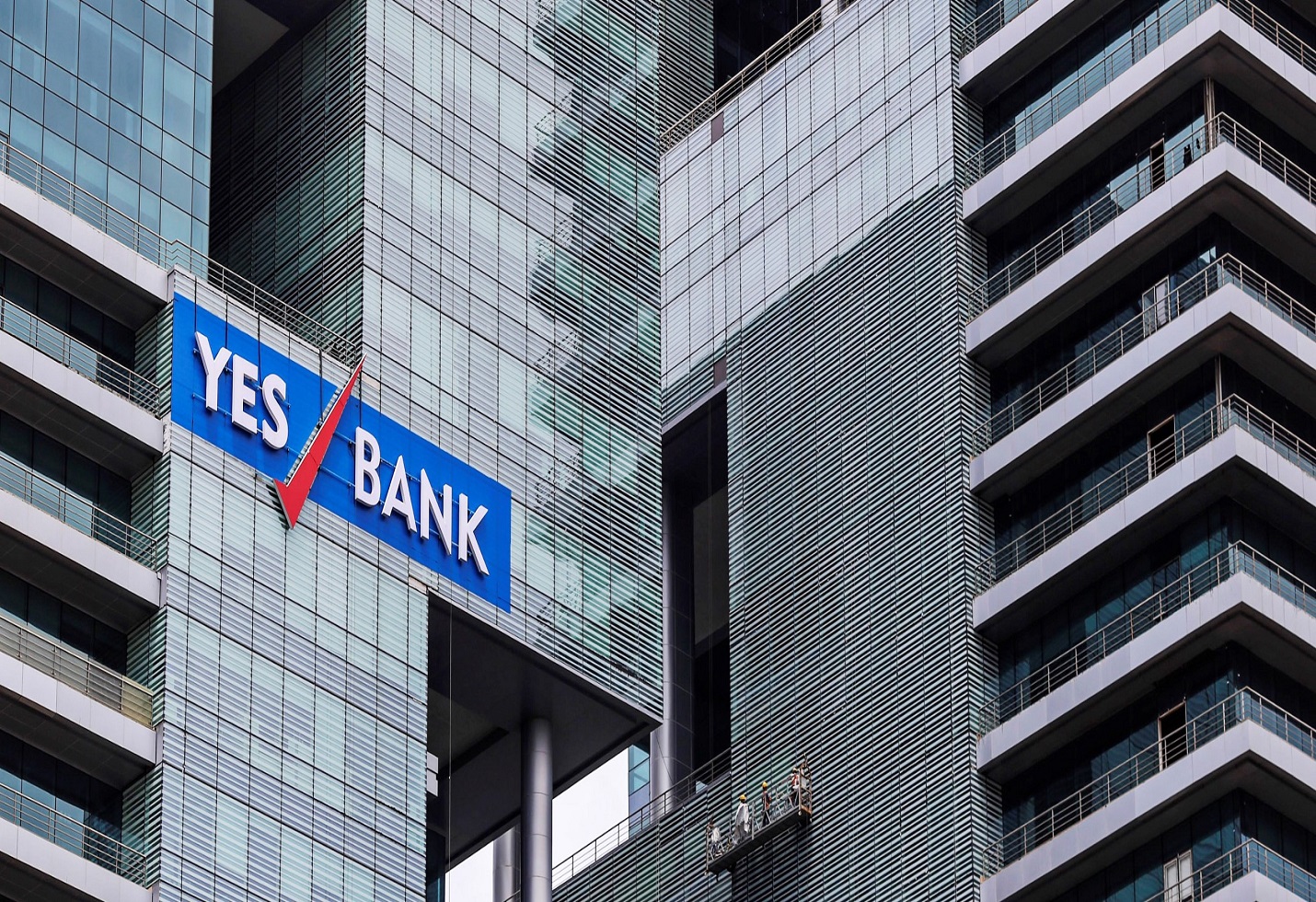
SMBC Strengthens Stake with ₹16,000 Crore Investment in Yes Bank

SMBC Strengthens Stake with ₹16,000 Crore Investment in Yes Bank

SMBC Strengthens Stake with ₹16,000 Crore Investment in Yes Bank

SMBC Strengthens Stake with ₹16,000 Crore Investment in Yes Bank

Sumitomo Mitsui Banking Corporation (SMBC), Japan’s banking major, is poised to strengthen its partnership with Yes Bank through an infusion of ₹16,000 crore in equity and debt financing.

Strategic Boost for Yes Bank’s Financial Health
Sumitomo Mitsui Banking Corporation (SMBC), Japan’s third-largest lender, is preparing to infuse an additional ₹16,000 crore into Yes Bank. This latest capital infusion, structured through yen-denominated bonds and equity instruments including foreign currency convertible bonds (FCCBs), is anticipated to significantly strengthen Yes Bank’s balance sheet and improve overall financial metrics.
The ₹16,000 crore further investment follows SMBC’s earlier acquisition of a 20% stake in Yes Bank for ₹13,500 crore, primarily acquired from existing shareholders led by the State Bank of India (SBI). SMBC has secured regulatory approval from the Reserve Bank of India (RBI) to hold up to 24.99% equity, with plans to explore strategies to raise this stake by 4.99% in coming months.

Investment Breakdown and Structure
The capital injection is split into two parts:
• ₹8,500 crore through long-term, yen-denominated bonds carrying sub-2% rates, offering Yes Bank access to low-cost capital.
• ₹7,500 crore through equity infusion, most likely in the form of FCCBs, boosting the bank’s capital adequacy and enabling growth lending.
This structured funding approach not only tightens Yes Bank’s liquidity but also optimizes the cost of capital, which will enable more competitive lending and expansion.

SMBC’s Plans for a Larger Role
The bank is also establishing a wholly owned subsidiary in India, intended as a platform for potential majority ownership in the future. Recent negotiations with private equity investors Advent International and Carlyle Group—holders of approximately 9.2% and 4.2% stakes, respectively—are ongoing to facilitate the increase in SMBC’s holding.
While RBI has yet to grant promoter status, SMBC’s keen interest in formalizing this status signals a robust long-term commitment to shaping Yes Bank’s growth narrative in the competitive banking sector.

Positive Market Reception and Outlook
News of SMBC’s additional ₹16,000 crore investment led to immediate market enthusiasm, with Yes Bank’s shares surging around 4% on BSE following the announcement. Investors view the move as bolstering the bank’s financial position, which is crucial given Yes Bank’s position as a private sector challenger bank in India.
The fresh infusion of capital is expected to lift Yes Bank’s net interest margin (NIM), which stood at just 2.5% in June 2025—one of the lowest in the industry.
Better capital adequacy could enable the bank to lend more aggressively while sustaining profitability.

Yes Bank’s Evolution and Growth Prospects
Yes Bank has undergone significant transformation since the 2020 bailout led by the Reserve Bank of India and major lenders like SBI. SMBC’s involvement marks an important chapter, bringing in international expertise and financial muscle to support the private lender’s ambitions.
With this infusion, Yes Bank is well-positioned to scale its loan book, invest in digital banking capabilities, and strengthen its presence in corporate, retail, and MSME banking sectors. SMBC’s strategic partnership is expected to provide the bank with access to global best practices, governance frameworks, and new business opportunities.

Concluding Perspectives
SMBC’s planned ₹16,000 crore investment is a pivotal moment for both the Japanese banking giant and Yes Bank. It underlines SMBC’s growing confidence in India’s private banking sector and its aspirations for a larger footprint. For Yes Bank, this strategic capital boost secures a stronger capital base, setting the stage for accelerated growth and enhanced competitiveness.
Pending regulatory approvals and successful stakeholder negotiations, this partnership could redefine Yes Bank’s future trajectory as a robust, technology-driven, and globally connected bank.


The image added is for representation purposes only

Maruti Suzuki’s EV Export Push: A Strategic Win for Investors

Murae Organisor Reports Promising Q1 2026 Results: A Positive Start to the Fiscal Year

Murae Organisor Reports Promising Q1 2026 Results: A Positive Start to the Fiscal Year

Murae Organisor Reports Promising Q1 2026 Results: A Positive Start to the Fiscal Year

Steady Revenue Growth and Improved Margins Highlight Operational Strength

Introduction
On August 18, 2025, Murae Organisor Ltd, a prominent player in the pharmaceutical and biotech industry, announced its Q1 FY26 financial results. The quarterly performance demonstrated resilience and incremental growth amidst a challenging industry environment. The results reflect the company’s focused execution on sales expansion, operational efficiency, and strategic investments, setting a positive tone for the year ahead.

Financial Highlights: Solid Performance Amid Market Challenges
Murae Organisor reported strong financial performance for the quarter ended June 2025:
• Revenue: Consistent year-on-year growth, driven by strong demand for core pharmaceutical products.
• Net Profit: Improved profitability supported by effective cost controls and optimized production processes.
• EBITDA Growth: Margins expanded moderately, reflecting a better product mix and higher operational leverage.
The board meeting, held in August 2025, formalized these results and included discussions on dividend policy and ongoing capital expenditure.

Revenue Expansion
Murae Organisor’s revenue growth for Q1 2026 was fueled by:
• Increased sales traction in both domestic and international markets.
• Enhanced product distribution channels boosting market penetration.
• Favorable market conditions improving customer ordering patterns.

Profitability Improvement
The company demonstrated improved earnings quality through:
• Efficient supply chain management reducing input costs.
• Adoption of lean manufacturing practices mitigating overhead expenses.
• Focus on higher-margin products bolstering overall profitability.

Market Response and Share Performance
Following the Q1 2026 announcement, investor sentiment turned favorable:
• Share Price Movement: The stock price exhibited steady gains post-results release, reflecting growing confidence in the company’s operational trajectory.
• Analyst Commentary: Market watchers appreciated Murae’s ability to sustain growth despite pressures typical for the pharmaceutical sector as well as ongoing inflationary trends.

Strategic Initiatives Underpinning Growth
Murae Organisor continued advancing key strategic priorities in Q1 2026:
• Product Innovation: Continued investment in R&D to expand the product pipeline, advancing high-potential biopharmaceuticals.
• Capacity Enhancement: Upgrading manufacturing lines to support scale and improve quality assurance.
• Market Diversification: Expanding presence in emerging geographies to reduce dependency on traditional markets.
These initiatives were highlighted in the company’s recent board communications and investor disclosures.

Industry Context and Outlook
The pharmaceutical sector in India is navigating several transformative trends:
• Increased focus on generic drug production aligned with affordability mandates.
• Greater adoption of biotechnology and specialty drugs creating new market segments.
• Regulatory reforms encouraging transparency and stricter compliance.
In this environment, Murae Organisor’s strategic emphasis on innovation, quality, and regulatory adherence positions it well for sustainable growth.

Management Commentary
In statements accompanying the Q1 results, company leadership expressed optimism:
“Our Q1 results reaffirm our dedication to operational excellence and agility in responding to market dynamics. We are confident that our strategic investments will generate lasting shareholder value,” said senior executives.

Challenges and Risks
While results are encouraging, challenges remain:
• Competitive pressures from domestic and global generics manufacturers.
• Raw material price volatility impacting cost structures.
• Need for continual regulatory compliance in a rapidly changing policy landscape.

Conclusion
Murae Organisor’s Q1 2026 fiscal results deliver a strong start to the year, showcasing steady revenue growth and improved profitability. Supported by strategic initiatives in innovation, capacity building, and market expansion, the company appears well positioned to capitalize on evolving pharmaceutical industry dynamics. Investors and analysts will continue to watch Murae Organisor’s execution closely as it pursues sustained growth in a competitive sector.


The image added is for representation purposes only

Inditrade Capital Posts Steady Q1 2026 Results Amid Market Headwinds