
Menu

Blog

 Carlyle Unwinds Entire Holding in India’s PNB Housing

Carlyle Unwinds Entire Holding in India’s PNB Housing

 Carlyle Unwinds Entire Holding in India’s PNB Housing


Through bulk transactions, a well-known global private equity firm sold off all of its 10.44% stake in PNB Housing Finance; the stock price increase that followed demonstrates investor optimism about the lending company’s prospects as an independent business.

Carlyle Group Concludes Investment in Indian Mortgage Lender

On May 2, 2025, U.S.-based private equity firm Carlyle Group finalized its complete exit from PNB Housing Finance Ltd., one of India’s leading housing finance companies. The investment firm offloaded its entire 10.44% equity stake in the company via block trades on the open market, signaling a significant strategic shift and marking the end of its long-standing association with the lender.

The investment firm Carlyle maintained its ownership position via its subsidiary, Quality Investment Holdings, making it the second-largest stakeholder in PNB Housing. The decision to divest comes after years of investment efforts and a previously failed attempt to increase its holding significantly.

Block Deal Executed at Robust Price Levels

The opening bid for the bulk trade was set at a base price of ₹960 for each share. However, demand from institutional and retail buyers pushed the executed price higher. Approximately 17.3 million shares—constituting nearly 60% of the overall block deal volume—were sold at ₹1,000.20 apiece, just a slight discount to the previous closing rate.

With Carlyle’s full divestment finalized, PNB Housing Finance’s shares registered a 6% gain in the market. Market participants largely viewed the stake sale as a routine portfolio adjustment rather than a lack of confidence in the company’s fundamentals.

This resilient market response underlined the stock’s strength and the growing faith investors place in the company’s standalone prospects.

Background: The Unmaterialized ₹4,000 Crore Preferential Deal

Carlyle’s relationship with PNB Housing Finance had deep roots, having been a significant investor for years. In 2021, the firm attempted to enhance its exposure by leading a ₹4,000 crore preferential allotment deal. However, the ambitious investment plan came under scrutiny from India’s securities regulator, the Securities and Exchange Board of India (SEBI).

SEBI raised questions around the fairness of the valuation methodology and potential disregard for minority shareholders. Following legal hurdles and intense regulatory oversight, the deal was eventually scrapped.

Since then, Carlyle had been exploring options to reposition its investment, and the recent block sale was the final step in its gradual disengagement from PNB Housing.

Investor Response: Exit Viewed as Strategic Rather Than Negative

Contrary to typical market reactions to large stakeholder exits, Carlyle’s withdrawal didn’t drag the stock down. Conversely, PNB Housing’s stock rose after the announcement, indicating that market players were more confident.

Analysts interpret the positive response as an indicator of the lender’s resilience and the increasing appeal of India’s housing finance sector. The company’s operational improvements, focus on retail loans, and prudent risk management seem to be working in its favor.

Furthermore, the market perceives Carlyle’s exit as part of a broader global recalibration strategy rather than a reflection on the company itself.

Carlyle’s Global Strategy: Portfolio Rebalancing in Emerging Markets

Carlyle’s decision aligns with a wider trend among global private equity firms adjusting their exposure to emerging markets in response to evolving economic conditions.

With inflationary pressures, volatile interest rates, and shifting investment landscapes, several global funds are reassessing portfolio allocations. Carlyle’s exit from PNB Housing is seen within this context of strategic realignment rather than a singular negative view of the Indian housing finance space.

Implications for PNB Housing Finance: New Opportunities and Ownership Mix

The exit opens up new opportunities for other institutional players to invest in PNB Housing Finance. Increased float from the block trade may enhance stock liquidity and attract new stakeholders, including domestic mutual funds and global asset managers.

Punjab National Bank, the promoter of PNB Housing Finance, still holds a significant ownership position and may explore strategic options, including further equity infusion or partnerships, to support business expansion.

The company’s future now hinges on how effectively it leverages this ownership transition to fortify governance, explore funding avenues, and scale its operations across the growing Indian mortgage landscape.

Final Thoughts : A Calculated Departure Marks the Dawn of a Fresh Era for Carlyle Group and PNB Housing Finance.

The complete divestment of Carlyle Group’s ownership in PNB Housing Finance represents a transformative juncture for both enterprises. For Carlyle, the move reflects a methodical global strategy shift aimed at portfolio optimization. For PNB Housing, it heralds a new phase of institutional engagement, potentially unlocking fresh growth opportunities.

Investor reaction—evidenced by the stock’s post-sale rally—suggests the market views this shift as a sign of maturity and resilience. This disposal shows a strong belief in PNB Housing Finance’s capacity to thrive without the stabilizing support of substantial private equity.

In broader terms, the deal exemplifies the depth and stability of Indian capital markets, where significant exits can be absorbed efficiently, without spooking investors.


The image added is for representation purposes only

Reliance Power to Invest ₹10,000 Crore in Solar!

Alpex Solar Q1 FY26: Stellar Growth Pushes Company to New Peaks

Reliance Power to Invest ₹10,000 Crore in Solar!

 Reliance Power to Invest ₹10,000 Crore in Solar!


In a significant move towards green energy, Reliance Power has signed a power purchase agreement to provide 930 MW of solar energy along with 465 MW of battery storage, marking the biggest initiative in Asia aimed at combining solar energy with battery energy storage systems.

Summary:

Reliance NU Suntech, a part of Anil Ambani’s Reliance Power, has unveiled plans for a groundbreaking investment of ₹10,000 crore in a solar plus battery energy storage system (BESS) initiative. In partnership with SECI, the initiative will generate 930 MW of solar energy and 465 MW of battery storage, making it Asia’s largest project and vital for India’s renewable energy transition.

Anil Ambani’s Green Gambit: ₹10,000 Crore Bet on Solar-BESS

In what could mark a transformational chapter in India’s renewable energy journey, Anil Ambani-led Reliance Power Ltd is investing a massive ₹10,000 crore to develop Asia’s largest solar power project with integrated Battery Energy Storage System (BESS). The project is being executed by Reliance NU Suntech, a green energy arm of Reliance Power, in collaboration with Solar Energy Corporation of India (SECI).
A Power Purchase Agreement (PPA) has already been signed between Reliance NU Suntech and SECI for procuring 930 MW of solar power, coupled with a 465 MW battery storage capacity. This pioneering hybrid setup is a landmark step in India’s mission to build resilient, dispatchable, and green energy systems.

Project Overview: Merging Solar and Storage for Round-the-Clock Power

This groundbreaking solar-BESS initiative will become the largest of its type in Asia. It will feature a combined output of 930 MW of clean energy generation and a 465 MW battery energy storage system, effectively allowing solar power to be stored and distributed even during non-sunny hours.
Unlike traditional solar projects that suffer from intermittency, integrating battery storage enables grid stability, peak-hour dispatchability, and a reliable renewable energy supply. This makes the project a future-proof model for energy infrastructure in rapidly developing economies like India.
Reliance Power stated that the project aligns with the government’s “Energy Storage Obligation (ESO)” and “Renewable Purchase Obligation (RPO)” mandates, providing crucial balancing and backup capacity to the grid.

Strategic Importance: Decarbonizing Power Supply at Scale

India has pledged to meet 500 GW of non-fossil fuel-based capacity by 2030, and large-scale solar-BESS projects like this are essential to that mission. This project’s hybrid nature enhances grid resilience and helps reduce dependence on coal-based peak power.
SECI, the government’s nodal agency for renewable energy procurement, has aggressively pushed for solar-plus-storage projects to tackle renewable energy curtailment, improve efficiency, and ensure round-the-clock power.
By committing ₹10,000 crore, Reliance Power is fulfilling its net-zero aspirations and demonstrating its willingness to reinvent and reposition itself in the highly competitive clean energy domain dominated by giants like Adani Green and Tata Power Renewables.

Financing and Execution Timeline

Though detailed financing arrangements are yet to be disclosed, industry experts suggest a mix of debt and equity financing, possibly supported by green bonds or international climate funds.
The project is expected to be implemented in phases, with commercial operations likely to commence within the next 24–30 months. To maintain cost and performance efficiency, key components like lithium-ion battery systems, solar modules, and inverters may be sourced through Make in India initiatives and global suppliers.

Impact on India’s Clean Energy Ecosystem

This solar-BESS project will serve as a template for future renewable infrastructure in India, offering several benefits:
Grid Stability: BESS can discharge power during peak hours, preventing blackouts and load shedding.
Job Creation: Estimated to create thousands of direct and indirect employment opportunities across engineering, procurement, construction, and operations.
Carbon Reduction: A combined reduction of approximately 1.5 million tons of CO₂ per year, equivalent to planting over 25 million trees.
Technology Adoption: Accelerates India’s adoption of cutting-edge battery storage and smart grid technology.
Furthermore, Reliance Power’s foray into this segment could catalyze more private sector participation in hybrid renewable projects, potentially attracting FDI and climate finance.

Anil Ambani’s Strategic Repositioning

Once known for its aggressive expansion in coal-fired power plants and mega-infrastructure, Reliance Power has recently pivoted towards renewable energy, driven by market pressures and the global energy transition.
This ₹10,000 crore investment reflects a strategic shift in vision—from debt-laden legacy operations to high-growth, sustainable energy segments. While the company has faced considerable financial stress, this move could begin its resurgence, particularly if the project is executed efficiently and profitably.

Conclusion: A Defining Moment for India’s Energy Future

Reliance Power’s launch of Asia’s largest solar-BESS project is more than just a corporate announcement—it’s a significant milestone for India’s renewable energy landscape. With robust policy backing, market demand for clean power, and technological feasibility, this project can serve as a benchmark for integrated renewable energy development across emerging economies.
As the world pivots towards decarbonization, India’s leadership in solar-plus-storage could be the game-changer needed to bridge the energy security and sustainability divide—and Anil Ambani’s Reliance Power seems to be betting big on that future.


The image added is for representation purposes only

Boost: 200% Dividend Announced by City Union Bank

Boost: 200% Dividend Announced by City Union Bank

Boost: 200% Dividend Announced by City Union Bank

 Boost: 200% Dividend Announced by City Union Bank


Stock under ₹200 offers attractive returns with strong financials and positive growth outlook.

Introduction

A significant 200% dividend has been announced by City Union Bank (CUB), a well-known private sector lender, for the fiscal year that ends in March 2025. Following a strong Q4 performance, the bank is now positioned as a desirable choice for investors looking for value in the sub-₹200 stock market.

Q4 FY25 Financial Highlights

In comparison to the same quarter last year, City Union Bank’s Q4 FY25 net profit of ₹254.8 crore represented a 17% increase. The bank’s net profit for the full fiscal year increased by 8% from ₹937.47 crore in FY24 to ₹1,015.73 crore, marking the first time it has crossed the ₹1,000 crore threshold.
The bank’s total income for FY25 surged to ₹6,012.22 crore, up from ₹5,524.69 crore in the previous year. This growth was driven by improved recoveries and a reduction in provisioning, enhancing the bank’s profitability.

Dividend Declaration

City Union Bank has declared a final dividend of ₹2.00 per share, which is 200% of the share’s face value of ₹1. This gives investors a strong return at the present share price of about ₹146, with a dividend yield of about 1.37%.
The bank’s dedication to shareholder value is demonstrated by its steady dividend payment history. Eligible shareholders can anticipate receiving their dividend payout soon after the ex-dividend date and record date for this dividend are published.

Stock Performance and Valuation

City Union Bank’s stock is currently trading at ₹146.35, offering an attractive entry point for investors. The stock has a 52-week high of ₹187.80 and a low of ₹125.35, indicating potential for capital appreciation.
Brokerage firms have taken note of the bank’s performance. ICICI Securities has upgraded the stock to a ‘Buy’ rating with a target price of ₹200, citing healthy Q3FY25 numbers and a positive growth outlook.
Similarly, other analysts have maintained a bullish stance, with target prices ranging from ₹185 to ₹220, reflecting confidence in the bank’s fundamentals and growth prospects.

Operational Highlights

City Union Bank has achieved important operating milestones. The bank’s overall revenue for FY25 increased from 96,369 crore to 1,02,138 crore, surpassing the ₹1 lakh crore milestone. Advances totaled ₹46,481 crore, while total deposits were ₹55,657 crore.
With a Gross Non-Performing Asset (NPA) of 3.99% and a Net NPA of 1.97% as of March 31, 2025, the bank’s asset quality is still stable. The capital adequacy ratio, which stands at 22.98%, is good and provides a strong cushion for future growth.

Strategic Initiatives and Outlook

City Union Bank continues to focus on expanding its footprint and enhancing customer engagement. The bank has opened several new branches in recent months, strengthening its presence in key markets.
Additionally, the bank has launched innovative products, such as a co-branded credit card with Chennai Super Kings, aimed at attracting younger customers and diversifying its revenue streams.
Looking ahead, the bank aims to maintain its growth trajectory by focusing on retail lending, improving operational efficiency, and leveraging technology to enhance customer experience. Analysts project a 15-16% growth in FY26, supported by the bank’s strategic initiatives and strong financial position.

Conclusion

City Union Bank’s dedication to providing value to shareholders is demonstrated by its outstanding Q4 FY25 performance and its declaration of a generous 200% dividend. With a strong balance sheet, consistent dividend history, and strategic growth initiatives, the bank presents a compelling investment opportunity, especially for those seeking quality stocks under ₹200.


The image added is for representation purposes only
APSEZ Reports ₹11,061 Crore Net Profit in FY25, Marking Major Growth

Adani Power Q2 FY26: Revenue Edges Up, EBITDA Steady and Profit Down ~11% on Higher Costs & Taxes

APSEZ Reports ₹11,061 Crore Net Profit in FY25, Marking Major Growth

 APSEZ Reports ₹11,061 Crore Net Profit in FY25, Marking Major Growth


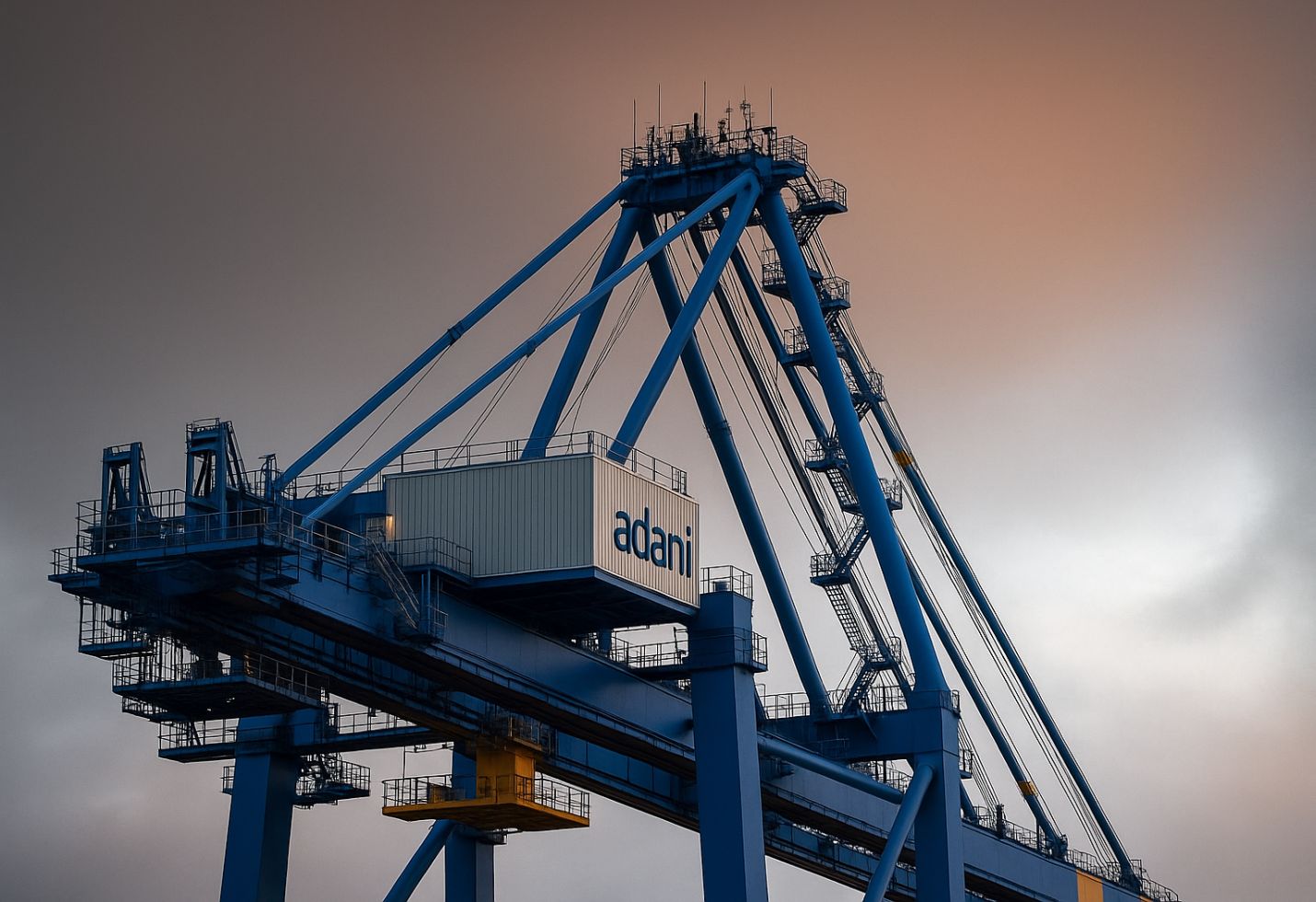
The biggest private port operator in India, Adani Ports and Special Economic Zone Limited (APSEZ), has reported record-breaking financial results for the fiscal year 2024–2025. The company’s record net profit of ₹11,061 crore represented a 37% increase from the previous year. This outstanding outcome demonstrates the company’s sound business strategy, which is supported by excellent results in its key industries, such as ports, logistics, and maritime services.

Financial Highlights

In the fiscal year 2024–2025, Adani Ports and Special Economic Zone Limited (APSEZ) showcased strong operational performance and strategic growth with remarkable financial results. The company saw its net profit (PAT) rise by 37% year-on-year (YoY), reaching ₹11,061 crore. EBITDA also grew by 20%, amounting to ₹19,025 crore, while revenue from operations increased by 16%, totaling ₹31,079 crore. APSEZ’s flagship Mundra Port achieved a milestone by handling over 200 million metric tonnes (MMT) of cargo, contributing to an overall cargo volume of 450 MMT for the company. APSEZ recorded a PAT of ₹3,023 crore in the fourth quarter of FY25, which is an impressive 50% year-over-year growth. The company also announced a dividend of ₹7 per share, totaling around ₹1,500 crore. These robust results highlight APSEZ’s consistent profitability and its ability to effectively cater to the increasing demands of the port and logistics industries.

Important Accomplishments and Strategic Turning Points

Mundra Port Sets New Records

Mundra Port, the flagship of APSEZ, set a historic record in FY25 by handling more than 200 million metric tons (MMT) of cargo, making it the first port in India to reach this achievement. The port’s performance highlights its crucial role in India’s commerce infrastructure, which is supported by ongoing investments in technological developments and capacity expansion. Mundra, which handles a variety of cargo such as containers, coal, crude oil, and other bulk commodities, remains the primary force behind the expansion of APSEZ.

International Growth: Acquisition of NQXT Australia

Additionally, APSEZ has advanced significantly in its plan for global expansion. With the successful acquisition of NQXT Australia, the company’s portfolio now includes an extra 50 million tonnes per annum (MTPA) of capacity. Through this transaction, APSEZ’s global market position is strengthened, opening up new trade lines and enabling it to diversify its sources of income. With the potential to gain from trade flows between Asia and other regions, this initiative puts APSEZ as a more global player as international trade and logistics gain prominence.

Growth of Marine Services

In FY25, APSEZ’s marine services division saw a notable 82% increase in revenue, demonstrating a major attempt at diversification. APSEZ’s emphasis on broadening its service offerings beyond conventional port operations is directly responsible for this expansion. The company has established itself as a leader in India’s maritime industry because to its integrated supply chain solutions, which connect port operations with logistics and marine services. In order to further solidify its position in the industry, the company’s long-term goals include increasing the revenue from its marine services within the next two years.

Investor Confidence and Market Performance

On the Bombay Stock Exchange (BSE), APSEZ’s stock price jumped by over 6% when the company’s financial results were announced. This significant gain reflects investor confidence in APSEZ’s growth trajectory and ability to continuously generate good financial performance.
The market’s favorable reaction also reflects APSEZ’s growing market share in both home and foreign markets. Due to APSEZ’s continuous infrastructure investments and smart business initiatives, investors have demonstrated a strong conviction in the company’s long-term growth prospects.

Prospects for the Future: FY26 Growth Plans

Regarding its growth forecasts for the upcoming fiscal year, APSEZ is still upbeat. The company’s FY26 revenue growth projections range from 15.8% to 22.2%, driven by the ongoing increase of port volumes, logistics services, and marine capabilities. With several projects in progress and an expanding asset portfolio, APSEZ hopes to increase its market share abroad and solidify its position as the industry leader in Indian ports.
APSEZ is concentrating more on improving its interior logistics capabilities in addition to growing its main port business. In order to increase the effectiveness of the Indian supply chain, the business intends to build multimodal logistics hubs that will link its ports to important inland transportation networks. By cutting turnaround times and increasing the overall cost-effectiveness of logistics operations, these hubs should increase efficiency and allow APSEZ to better serve both local and foreign clients.
Additionally, APSEZ is dedicated to funding technology advancements that will optimize its business processes, lower expenses, and enhance service quality. With a heavy emphasis on automation, digitization, and smart port technologies, APSEZ hopes to keep its competitive edge in the global maritime sector and streamline its supply chain.

Conclusion

The record financial performance of APSEZ in FY25 shows that it can extend its service offerings, adjust to shifting market conditions, and seize development possibilities in India and abroad. The company has demonstrated its leadership in India’s port and logistics sector with a 37% increase in earnings, new cargo handling records, successful overseas acquisitions, and a notable rise in marine services revenue. In order to sustain its growing momentum and firmly establish its place as a major player in the ports and logistics industry globally, APSEZ is still committed to diversifying its business, utilizing technology, and building out its infrastructure as it looks to FY26.


The image added is for representation purposes only

Saudi Aramco to Invest in Two New Indian Refineries

Oil Prices Slip as Investors Remain Cautious Over Possible U.S. Role in Iran-Israel Dispute

Saudi Aramco to Invest in Two New Indian Refineries

 Saudi Aramco to Invest in Two New Indian Refineries


Overview

Saudi Aramco, the world’s leading oil producer, is in advanced talks to acquire a 20% stake in two upcoming refinery projects in India one located in Gujarat and the other in Andhra Pradesh. In addition to providing a steady market for its crude exports, this calculated action demonstrates the Saudi oil giant’s dedication to strengthening its relations with one of the global energy markets that are expanding at the fastest rate.
The two refinery projects under consideration are a part of India’s larger initiative to develop its petrochemical and refining infrastructure. India has been looking for strategic partners with financial clout and long-term crude supply agreements in light of rising domestic energy demands and a goal to become a global center for energy processing. Supported by the Saudi government, Saudi Aramco meets both requirements.

Andhra Pradesh: The Mega Plan of BPCL

The Andhra Pradesh refinery project is being led by Bharat Petroleum Corporation Limited (BPCL). About $11 billion, or ₹90,000 crore, would be spent by BPCL to build a greenfield refinery-cum-petrochemical complex. The planned project will have downstream petrochemical units and is anticipated to process 10 to 15 million tonnes of crude oil annually (MTPA).
Sources close to the matter say Aramco is keen on securing a 20% stake in the project. It has offered to provide up to three times the amount of crude oil as its ownership position in exchange; for example, a 20% equity share would equate to 60% of the refinery’s crude supply. This would give BPCL a steady supply source from a trustworthy partner in addition to guaranteeing a market for Aramco’s oil.
However, the amount of oil delivery that Aramco is requesting has raised concerns among Indian stakeholders. “They want to supply crude equal to 90% of the plant’s capacity if we give them a 30% stake,” stated a senior official in the Indian energy ministry. We must maintain our sourcing alternatives open because that limits our purchase freedom.

Gujarat: The Refinement Goals of ONGC

The Oil and Natural Gas Corporation (ONGC) is promoting the second refinery project, which is slated to be built in Gujarat. The Gujarat refinery, which is still in the design phases, is anticipated to have an integrated petrochemical component and be comparable in scale to the Andhra project.
To bring in both money and technology, ONGC has been negotiating with international investors. Aramco’s plan to integrate into India’s downstream industry would be consistent with its possible investment here. Building a top-notch complex that might eventually act as a center for the export of chemicals and processed fuels is part of ONGC’s plan.

The Broader India Strategy of Aramco

Saudi Aramco has long viewed India as a key market. In 2018, it partnered with a consortium of Indian state-owned oil companies to develop a $44 billion refinery project in Maharashtra, with an ambitious goal of producing 1.2 million barrels per day. Unfortunately, difficulties in acquiring land caused the project to halt.
Aramco and Reliance Industries then came to a non-binding agreement in 2019, according to which Aramco would invest $75 billion to acquire a 20% share in Reliance’s oil-to-chemicals (O2C) business. However, arguments over strategic fit and valuation ultimately led to the deal’s cancellation.
Despite these setbacks, Aramco has remained determined to enter the Indian refining market. If these new agreements go through, it would mark a significant milestone for Saudi Aramco’s operations in India.

Geopolitical and Strategic Consequences

In recent years, refiners in India have been expanding their sources of crude. Due to economic advantages, Russian imports have increased dramatically, while Middle Eastern supplies—especially those from Saudi Arabia—have somewhat decreased. Aramco would be able to secure long-term demand from one of the biggest and fastest-growing energy customers thanks to its equity participation in refineries in India.
During Indian Prime Minister Narendra Modi’s projected trip to Saudi Arabia in the second half of 2025, the agreements are also anticipated to be discussed. According to diplomatic sources, in order to send a clear message of bilateral cooperation, the Indian government is eager to gain a general grasp of these projects prior to the visit.

Conclusion

If successful, Aramco’s acquisition of a 20% stake in the proposed refineries in Andhra Pradesh and Gujarat will represent a win-win strategic partnership. It guarantees steady crude supply and much-needed foreign investment for India. It strengthens Aramco’s downstream footprint in Asia and provides it with a steady, quickly growing market. These collaborations are anticipated to be crucial in determining the direction of future energy cooperation between production and consumer countries, as the global energy market moves toward cleaner fuels and integrated petrochemicals.


The image added is for representation purposes only

iPhone Component Maker’s Shares Tumble After Profit Warning

iPhone 17 India Launch Sparks Rally: Aditya Vision, Electronics Mart, and Retail Stocks in Spotlight

iPhone Component Maker's Shares Tumble After Profit Warning

 iPhone Component Maker’s Shares Tumble After Profit Warning


 Key iPhone supplier signals trouble, highlighting challenges from slowing demand and global trade tensions.

Stock Plunge Follows Revised Earnings Outlook

Yesterday, May 1st, the stock price of Japan’s Murata Manufacturing Co., a key supplier of components for Apple’s iPhone, saw a sharp decline, falling by up to 18%. The steep decline was triggered by the company’s announcement of a profit warning, which also indicated that the financial impact of U.S. President Donald Trump’s tariffs has not yet been fully incorporated into their projections.

This single-day downturn marks the most substantial decrease in the company’s stock value in a quarter-century, with a similar level of decline last seen in 2000. Murata, a key producer of multilayer ceramic capacitors, now anticipates a net profit reduction of approximately 24% for the fiscal year ending in March 2026.

Factors Contributing to Profit Warning

The company has attributed this revised financial outlook to a combination of factors. These include a slowdown in demand for components used in both the automotive and smartphone industries, coupled with the ongoing effects of tariffs imposed by the United States. Furthermore, the strengthening of the Japanese Yen has added downward pressure to the company’s financial forecasts.

Murata has also signaled the potential for further reductions in earnings, emphasizing that its current projections do not account for the full impact of the U.S. tariffs. In a recent earnings discussion, President Norio Nakajima explained, “Each percentage point by which demand falls short of our projections translates to a ¥5 billion reduction in revenue.”

Market Reaction and Industry-Wide Implications

The news prompted a rapid and significant sell-off, driving Murata’s shares to a five-year low in Tokyo trading. Murata is widely viewed as a leading indicator of demand trends in the broader consumer electronics sector, given that its components are found in a wide range of devices produced by major global brands. These include products from Apple, Samsung, Nvidia, and Sony, including its game consoles.

Analyst Concerns and Future Projections

Industry analysts have expressed concerns about the potential ramifications of Murata’s updated financial outlook. Pelham Smithers, from the Japan-focused equity research firm Pelham Smithers Associates, suggested that the current fiscal year could be “considerably worse” than currently anticipated. Smithers also noted that while the company had previously benefited from increased demand related to the growth of AI servers, “even there, question marks now exist,” indicating potential challenges across multiple segments of the electronics market.

Underlying Factors Affecting Murata’s Performance

Several key factors are currently influencing Murata’s performance, reflecting broader trends within the global economy and the technology sector:

• Weakening Global Smartphone Demand: The global smartphone market has experienced a slowdown in growth, with consumers extending the lifecycles of their existing devices and facing increased economic uncertainty. This trend has resulted in reduced demand for components used in smartphone manufacturing.
• Challenges in the Automotive Sector: The automotive industry is currently undergoing a significant transformation, driven by the increasing adoption of electric vehicles and ongoing disruptions to global supply chains. These factors have created volatility and impacted demand for various electronic components used in automotive applications.
• Impact of US Tariffs: The imposition of tariffs by the United States has introduced uncertainty and increased costs for numerous companies operating within the global electronics supply chain, including Murata. The full extent of the financial impact from these tariffs is still being assessed.
• Strengthening Japanese Yen: The appreciation of the Japanese Yen has negatively affected the revenue and profitability of Japanese export-oriented companies like Murata. A stronger Yen makes their products more expensive for international buyers, potentially reducing their competitiveness in global markets.

Broader Implications for the Electronics Supply Chain

The present circumstances at Murata highlight the interdependent character of the worldwide electronics supply network. As a critical supplier of essential components, any significant downturn in its performance has the potential to create ripple effects throughout the industry. This could adversely affect manufacturers of a wide range of electronic devices, including smartphones, personal computers, automobiles, and various other consumer electronics products.

The company’s warnings regarding the impact of tariffs also highlight the inherent risks associated with escalating international trade tensions. Such tensions can disrupt established supply chains, lead to increased costs for businesses, and create a climate of uncertainty for companies operating in the global marketplace.

Final Thoughts:

Murata Manufacturing’s recent stock decline, prompted by a profit warning, signals significant challenges within the global electronics component sector. The company is facing headwinds from softening demand in the smartphone and automotive industries, the continued impact of U.S. tariffs and the Japanese yen’s rising. As a key supplier to major electronics manufacturers, Murata’s difficulties raise broader concerns about the overall health of the industry and the interconnectedness of global supply chains. These developments underscore the growing need for companies to effectively navigate evolving technological landscapes, geopolitical uncertainties, and shifting patterns in consumer demand. The long-term implications suggest potential shifts within the industry, with adaptability and strategic resilience becoming increasingly crucial for sustained success.


The image added is for representation purposes only

Trump Eyes New Trade Deals with Asia’s Powerhouses

Trump Tariffs Push US Inflation to Eight-Month High

Trump Eyes New Trade Deals with Asia’s Powerhouses

 Trump Eyes New Trade Deals with Asia’s Powerhouses


As the world economy changes, the United States gets closer to signing important trade agreements with South Korea, Japan, and India.

Ongoing Strategic Trade Negotiations

President Trump recently stated that the United States is in the final stages of negotiating trade deals with India, South Korea, and Japan, possibly within the next two weeks. While underscoring the significance of these potential agreements, he also conveyed that there is no immediate pressure to finalize them, suggesting that discussions are still in progress. The President’s statements indicate a strategic approach to trade negotiations, balancing the urgency of reaching agreements with the need to secure favorable terms for the United States.

U.S. Commerce Secretary Howard Lutnick has announced the conclusion of a new trade agreement with an unspecified nation, widely believed to be India. This agreement is currently awaiting approval from the other country’s leadership. The specifics of this agreement remain undisclosed, but it is expected to address key areas of trade, such as tariffs, market access, and intellectual property rights.

Tariff Policies and Their Economic Repercussions

On April 2nd, the Trump administration implemented reciprocal tariffs, imposing rates of 25% on South Korea, 24% on Japan, and 26% on India. Following subsequent negotiations and international pressure, these rates were later reduced to 10%. The initial imposition of high tariffs was likely a tactic to pressure these nations into accelerating trade negotiations and making concessions. The subsequent reduction suggests a willingness to compromise and reach mutually acceptable solutions.

Apple CEO Tim Cook has reported that these tariffs could negatively impact the company’s financial performance, potentially costing it approximately $1.4 billion in the current quarter. This highlights the potential economic consequences of tariff policies on businesses, particularly those with complex global supply chains. The increased costs resulting from tariffs can erode profit margins, force companies to raise prices, and ultimately affect consumer demand.

India’s Diplomatic Efforts

India has been actively engaged in diplomatic efforts with the U.S. to resolve existing trade tensions. President Trump and Indian Prime Minister Narendra Modi have agreed to accelerate negotiations on a comprehensive Bilateral trade Agreement (BTA) with the bold goal of doubling bilateral trade to $500 billion by 2030. This ambitious target reflects the growing economic relationship between the two countries and the potential for further expansion.

In exchange for the United States easing reciprocal duties, India has offered to lower tariffs on almost half of its imports from the United States. This proposal indicates India’s willingness to make concessions in exchange for more equitable trade treatment. According to the U.S. Treasury Secretary, India is anticipated to be one of the first countries to complete a trade agreement under the new administration, indicating that deepening economic connections with India is a top priority.

Economic Strategies of Japan and South Korea

With businesses like Toyota and Isuzu building new plants, Japanese Prime Minister Shigeru Ishiba has announced intentions to raise Japanese investment in the United States by $1 billion. This aims to strengthen ties and demonstrate Japan’s commitment to U.S. economic growth. Despite this, the U.S. has imposed a 24% tariff on Japanese goods, which Ishiba finds difficult to comprehend, raising concerns about trade balance. In order to lessen the impact of the 25% tariff that will go into effect in April, South Korea and the United States are also negotiating a trade deal. These negotiations are part of a broader effort to strengthen ties and address trade imbalances, as South Korea seeks to diversify its trade and reduce reliance on U.S. exports.

Market Reactions and Investor Confidence

The anticipation of new trade agreements has had a positive effect on financial markets. Indian benchmark indices, the Nifty 50 and BSE Sensex, have experienced consecutive weeks of gains, driven by optimism surrounding a potential trade deal between India and the U.S. and consistent inflows of foreign investment. Investor sentiment has been buoyed by the prospect of reduced trade tensions and increased economic cooperation between major trading partners.

Navigating a Shifting Trade Landscape

A major change in U.S. trade policy may be seen in President Trump’s hint of possible trade agreements with South Korea, Japan, and India. While the imposition of tariffs has created challenges, the ongoing negotiations suggest a willingness to pursue mutually beneficial solutions. The outcomes of these discussions are poised to have a lasting impact on global trade dynamics and international economic relationships. The successful conclusion of these trade deals could lead to increased trade flows, enhanced economic growth, and greater stability in the global economy. However, failure to reach agreements could result in prolonged trade tensions, increased protectionism, and a negative impact on businesses and consumers.

Final Thoughts

According to recent remarks made by President Trump, the United States is aggressively seeking new trade deals with South Korea, Japan, and India. These developments occur amidst a backdrop of tariff adjustments and ongoing negotiations aimed at resolving trade tensions. While tariffs have presented challenges for businesses, the potential agreements signal a move towards establishing more structured trade relationships. The outcomes of these negotiations will be crucial in shaping future global trade patterns and the economic ties between the U.S. and these key Asian economies. The evolving trade landscape underscores the importance of diplomacy, compromise, and a commitment to free and fair trade in promoting global economic prosperity.


The image added is for representation purposes only

U.S. Ends Duty-Free Perks on Cheap Chinese Parcels

The U.S. government has ended the duty-free status for low-value Chinese parcels, impacting both consumers and businesses.

U.S. Ends Duty-Free Perks on Cheap Chinese Parcels

 U.S. Ends Duty-Free Perks on Cheap Chinese Parcels


New tariffs change the game for cross-border shoppers.

Introduction

In a dramatic shift to U.S. trade policy, parcels valued under \$800 that are imported from China will no longer be exempt from customs duties. Starting May 2025, products from China that previously entered the U.S. without tariffs will now face new duties, impacting both consumers and businesses involved in cross-border e-commerce.

The change, made official by U.S. authorities, is aimed at tackling concerns over trade imbalances and a rising flood of low-cost Chinese goods entering the U.S. market with little oversight. It is expected to have wide-reaching effects, especially for e-commerce giants that rely on low-cost Chinese imports to keep prices down.

The End of the De Minimis Exemption

Previously, the U.S. allowed goods worth \$800 or less to enter the country duty-free under the “de minimis” threshold. This provision has encouraged a surge in online shopping from Chinese-based platforms such as Shein, Temu, and AliExpress, where consumers could buy inexpensive items without worrying about customs charges or long delays.

However, the de minimis exemption will be phased out for all shipments from China, including smaller parcels, which will now require formal entry documentation and be subject to tariffs and customs procedures. The initiative is a key component of the U.S.’s broader strategy to restrict the influx of unmonitored imports and reinforce adherence to trade regulations.

Impact on E-Commerce and Online Shoppers

For businesses operating in the e-commerce space, particularly those selling Chinese-made products, this new regulation could result in increased shipping costs, longer delivery times, and more complicated customs procedures. Online stores like Shein and Temu, which gained popularity for offering bargain-priced goods to U.S. consumers, will be most affected.

This policy change could lead to higher retail prices for consumers. A \$30 shirt that would have arrived without additional charges may now face a \$10 to \$15 tariff, depending on the item’s category. While companies may absorb some of the cost, the increased expenses will likely lead to higher prices across a broad spectrum of goods.

Effects on Chinese E-Commerce Platforms

Platforms like Temu , which offer a vast array of inexpensive goods, are now preparing for the ripple effect this new policy will have on their business models. Companies that rely on the smooth flow of low-value shipments will need to restructure their logistics and pricing strategies to remain competitive.

Numerous businesses are actively seeking alternative strategies to lessen the effects of the new tariffs. For instance, some are considering setting up warehouses in the U.S. to reduce the costs associated with long-distance shipping and customs clearance. Others are expanding their offerings of locally sourced products to avoid the new duties entirely.

U.S. Government’s Rationale

The U.S. government has highlighted the necessity of tighter trade regulations as a key factor in eliminating the de minimis exemption. With more than 1 billion shipments coming from China each year, authorities believe that such a vast number of goods entering the U.S. without appropriate oversight is a loophole that invites risks such as fraud, counterfeit goods, and tax evasion.

Additionally, the rising volume of low-cost Chinese products in U.S. markets has led to concerns about unfair competition and the undermining of domestic industries. By imposing duties on these goods, the U.S. hopes to level the playing field and ensure that imports adhere to the same standards of accountability as products made within the country.

Potential Consequences for Consumers

For U.S. shoppers, the immediate consequences of this policy change will be higher costs, more paperwork, and possibly longer wait times for deliveries. Consumers who were used to receiving inexpensive parcels without delays or additional charges may now face a more cumbersome and expensive shopping experience.

The cost of small-ticket items, such as clothing, accessories, gadgets, and household goods, could increase significantly once tariffs are applied. For many budget-conscious shoppers, this could mean a shift in purchasing behavior, with fewer cross-border transactions or more scrutiny before making purchases online.

Economic Implications

The change will have broader economic implications as well. For one, it could slow the growth of cross-border e-commerce, as U.S. consumers become less inclined to buy small items from overseas if they have to pay tariffs and wait for shipments to clear customs. Additionally, businesses in the e-commerce industry might need to pass on higher operational costs to consumers, potentially lowering their competitiveness in the U.S. market.

Another potential consequence is the possibility of U.S. businesses seeking alternative suppliers from countries outside China. As the U.S. tightens its regulations on Chinese imports, countries like India, Vietnam, and Mexico may become more attractive sourcing locations for U.S. retailers.

What’s Next for E-Commerce?

As the changes take effect, businesses and consumers will likely adjust their strategies to adapt to the new reality of cross-border e-commerce. Companies may look into more efficient shipping and logistics practices, including partnering with local fulfillment centers, while consumers might reconsider purchasing lower-value items from abroad.

In the long term, U.S. retailers and consumers will likely seek balance between price sensitivity and the higher costs associated with international trade. The full impact of these changes on the U.S. market is yet to unfold, but e-commerce businesses and consumers alike are certain to experience lasting repercussions in the years ahead.

Summary:

The U.S. government has ended the duty-free status for low-value Chinese parcels, impacting both consumers and businesses. This move will lead to higher prices, longer delivery times, and more customs processing for small-ticket items bought from China. The policy change aims to curb counterfeit goods and enforce stricter trade compliance, but it will alter the landscape of cross-border e-commerce and consumer purchasing behaviors.


The image added is for representation purposes only

Greaves Cotton Q4 Revenue Climbs to ₹823 Crore, Up 19%

Greaves Cotton Q4 Revenue Climbs to ₹823 Crore, Up 19%

Greaves Cotton Q4 Revenue Climbs to ₹823 Crore, Up 19%

 Greaves Cotton Q4 Revenue Climbs to ₹823 Crore, Up 19%


For the fourth quarter of FY2024–2025, Greaves Cotton Limited, a diversified engineering firm catering to the automotive and non-automotive industries, reported strong financial results. With a 19% year-over-year increase in revenue to ₹823 crore, the company demonstrated robust demand across all of its business divisions and solidified its position as a major force in India’s engineering and transportation sector.

Q4 Financial Performance Overview

Greaves Cotton reported a consolidated revenue of ₹823 crore for Q4 FY25, reflecting a 19% increase compared to ₹692 crore in the same quarter last year. This growth was fueled by solid performance in its electric mobility and engine segments, coupled with increased aftermarket demand.
The company’s EBITDA for Q4 stood at ₹71 crore, rising from ₹60 crore in the same period last year, with an EBITDA margin of 8.6%. Net profit for the quarter rose to ₹36 crore, showing a year-on-year increase of 13%. This positive bottom-line growth reflects improved cost management and stronger product mix efficiency.

Annual Financial Snapshot

Greaves Cotton recorded total revenue of ₹3,110 crore for the whole fiscal year FY25, up 15% from FY24’s ₹2,702 crore. The EBITDA for the year grew to ₹278 crore, compared to ₹229 crore in the previous year, while net profit reached ₹148 crore, up from ₹121 crore.
These results highlight the company’s strategic execution, diversification efforts, and focus on sustainable mobility solutions. The consistent rise in revenue and profit over the year is a testament to Greaves’ agility in adapting to changing market dynamics and consumer needs.

Dividend Declaration

The board of directors announced a final dividend of ₹1.50 per equity share for FY25 in recognition of its impressive performance. This reflects the company’s commitment to delivering value to shareholders while continuing to invest in innovation and expansion. The dividend will be paid to eligible shareholders after approval at the upcoming Annual General Meeting.

Segment-Wise Highlights

Electric Mobility (Ampere Vehicles)

Greaves Electric Mobility, the EV arm operating under the Ampere brand, continued its momentum with growing sales of electric two-wheelers and three-wheelers. The division contributed significantly to the revenue, supported by the rollout of new products and expansion of the dealership network.
The company also made advancements in battery technology and vehicle range, aiming to address range anxiety concerns and increase adoption of EVs in tier 2 and tier 3 cities. Sales during Q4 showed a strong uptick due to year-end buying trends, improved supply chain management, and attractive financing options.

Automotive Engines and Non-Automotive Applications

The traditional engine business also saw consistent demand, especially in the agricultural and industrial sectors. The company witnessed stable order inflow for diesel and CNG engines, used widely in irrigation pumps, small commercial vehicles, and construction machinery.
In the non-automotive space, Greaves’ gensets, marine engines, and light engineering products saw healthy growth, driven by demand from rural electrification, backup power solutions, and infrastructure projects.

Strategic Initiatives and Sustainability Goals

Greaves Cotton has been increasingly focusing on cleaner, sustainable technologies. The corporation made significant investments in R&D and digital capabilities in FY25 with the goal of future-proofing its products. Enhancing linked mobility solutions, growing electric product lines, and breaking into new export markets were among the initiatives. The company also continues to emphasize ESG (Environmental, Social, and Governance) practices by reducing its carbon footprint, improving energy efficiency across plants, and supporting community programs focused on skill development and rural upliftment.

Management Commentary

Commenting on the performance, Greaves Cotton’s MD and CEO, Nagesh Basavanhalli, said, “This quarter’s performance reflects the strength of our diversified portfolio and the successful execution of our transformation strategy. Our focus on electric mobility, while maintaining momentum in our traditional engine and aftermarket businesses, has allowed us to create a balanced and resilient model. We are confident of building on this foundation in FY26.”

Outlook for FY26

Looking ahead, Greaves Cotton aims to accelerate growth by expanding its EV portfolio, increasing localization to reduce costs, and leveraging government support for electric mobility under initiatives like FAME-II. With rising fuel prices and a growing shift towards sustainable alternatives, the company is optimistic about capturing a larger market share in both electric and traditional sectors.
The company is also evaluating potential strategic collaborations to strengthen its supply chain and tap into international markets, especially in Southeast Asia and Africa, where demand for affordable mobility and power solutions is rising.

Conclusion

Greaves Cotton has successfully transformed into a diverse, forward-thinking business, as seen by its Q4 FY25 performance. A defined growth path, solid financials, and growing investor confidence suggest that the company is well-positioned to maintain pace into FY26 and beyond.


The image added is for representation purposes only

Vedanta Q4 FY25 Earnings: Robust Profit Surge Fueled by Cost Cuts and Commodity Gains

Vedanta Ltd Q2 FY26: Record Revenue & EBITDA, but Exceptional Loss Weighs on Net Profit

Vedanta Q4 FY25 Earnings: Robust Profit Surge Fueled by Cost Cuts and Commodity Gains

 Vedanta Q4 FY25 Earnings: Robust Profit Surge Fueled by Cost Cuts and Commodity Gains


Vedanta Ltd., one of India’s leading diversified natural resources companies, reported a significant turnaround in its fourth-quarter performance for the fiscal year 2024–25 (Q4 FY25), buoyed by lower tax outflows, improved operating efficiency, and higher commodity prices. The company delivered strong top-line and bottom-line growth despite global volatility in metals and energy markets.

Financial Highlights: Q4 FY25

• Net Profit: ₹3,483 crore
This represents a 154% year-on-year (YoY) increase, a sharp rise from ₹1,372 crore reported in Q4 FY24. The jump was primarily driven by a lower effective tax rate and favourable commodity pricing.
• Revenue: ₹39,523 crore
Up 13.9% YoY compared to ₹34,712 crore in the year-ago quarter. This increase was led by higher sales volumes in the aluminium, zinc, and oil & gas segments, along with improved realizations.
• EBITDA: ₹13,827 crore
EBITDA margin stood at 35%, the highest in the last 12 quarters, supported by operational efficiencies and cost rationalization.
• Basic EPS: ₹9.41 per share, compared to ₹3.69 in Q4 FY24.

Segment-Wise Performance
• Aluminium Business:
Higher aluminium prices and improved cost efficiencies contributed significantly to profitability. The company also reported increased production volumes, aided by better plant utilization rates.
• Zinc and Lead (Hindustan Zinc):
Zinc volumes and premiums improved YoY, backed by higher prices and robust demand. Hindustan Zinc, a key subsidiary, played a pivotal role in driving consolidated profitability.
• Oil & Gas:
The segment saw improved realization on the back of stable global crude prices. Production volumes were steady, though upstream investment remains moderate.
• Iron Ore and Steel:
These segments experienced steady growth, though iron ore margins faced strain from elevated input costs.
Cost and Tax Optimization
One of the key highlights of the quarter was a significant reduction in the effective tax rate, which helped boost net profit. Vedanta also executed several cost-efficiency initiatives across its operations, including logistics optimization and raw material procurement efficiencies, enhancing its EBITDA margin.

Full-Year FY25 Overview
• Net Profit: ₹9,854 crore (up 78% YoY)
• Revenue: ₹1,52,390 crore (up 19% YoY)
• EBITDA: ₹44,032 crore
The full-year performance reflects a broader recovery in the commodities cycle and the company’s ability to manage costs amid inflationary pressures and regulatory complexities.

Dividend and Capital Allocation

Vedanta declared a final dividend of ₹20.50 per share, maintaining its stance on rewarding shareholders while preserving liquidity for capex and debt servicing.

Debt and Financial Health

Gross debt stands at ₹58,752 crore, with a net debt-to-EBITDA ratio improving to 1.3x, compared to 1.9x a year ago. Free cash flows remained strong, providing adequate headroom for future investment and debt servicing.

Stock Market Reaction

Despite robust earnings, Vedanta’s stock closed slightly lower on April 30, 2025, reflecting some investor caution due to global commodity price uncertainties and long-term sustainability of current margins. However, analysts remain largely positive about the company’s medium-term outlook given its diversified portfolio and strong cost control measures.

Management Commentary

Vedanta’s leadership reaffirmed its commitment to prudent capital deployment, advancing technological upgrades, and upholding its ESG (Environmental, Social, and Governance) responsibilities. CEO Sunil Duggal highlighted the company’s plans to accelerate low-carbon initiatives and expand production capabilities in core segments such as aluminium and zinc.

Outlook for FY26

Going forward, Vedanta aims to enhance its aluminium smelting and oil exploration capacities while maintaining its focus on cost efficiency. Analysts expect commodity markets to remain moderately favourable, with potential upside from energy and infrastructure demand in India and China.

Conclusion

Vedanta recorded significant gains in profit and performance during Q4 FY25, driven by favourable market dynamics and enhanced operational discipline. Although fluctuations in global commodity prices may present near-term challenges, the company’s broad-based business foundation and commitment to sustainable expansion provide a solid platform for consistent progress in FY26.


The image added is for representation purposes only

Banking Stocks Provide Stability Amid Nifty Volatility; Focus Turns to SBI Q4 Results