Menu

IndianEconomy

RBI Lowers Repo Rate by 50 bps: Why You Should Care and What’s Next

RBI Lowers Repo Rate by 50 bps: Why You Should Care and What’s Next

RBI Lowers Repo Rate by 50 bps: Why You Should Care and What’s Next

The Reserve Bank of India just shook things up by chopping the repo rate down by 50 basis points to 5.75%. What’s that mean? Banks get to borrow cheaper cash from the RBI, and fingers crossed, they’ll cut down loan interest rates too. So, if you’re already paying EMIs or eyeing a new loan, get ready to breathe a little easier!

From Full Throttle to Chill Mode: Policy Stance Shift

Along with the rate cut, RBI flipped the script from “all-in growth mode” (aka accommodative) to “playing it cool” (neutral). Basically, they’re done pushing super hard for growth and now want to keep an eye on inflation and the economy before making their next big move. It’s like RBI saying, “We’ve done our bit, now let’s see what happens.”

CRR Slashed from 4% to 3% — More Cash in Banks’ Pockets
Here’s a power move: the RBI chopped the Cash Reserve Ratio (CRR) from 4% to 3%. This means banks have more cash to play with instead of parking it with the RBI. More cash = more loans and investments. In short, banks get more cash to flex and fuel growth.

RBI’s Economic Outlook: A Steady 6.5% Growth on the Horizon for FY26
RBI’s looking bright and bold, forecasting a solid 6.5% growth for India’s economy in the coming fiscal year. That’s a thumbs up for rising consumer spending, business bouncing back, and factories firing on all cylinders. Good vibes all around!

Inflation Forecast? Cooler at 3.7%
Inflation got a little friendlier too. RBI dropped its forecast from 4% to 3.7%, meaning prices might not hike up too much. This is a win for your wallet and gives RBI more freedom to keep rates supportive without breaking a sweat.

What’s in It for You?
Borrowers, you’re the real winners here—loans could get cheaper, and your EMIs might shrink. Savers, on the other hand, might feel the heat as fixed deposit rates could dip. So, while borrowers pop the champagne, savers might want to rethink where they park their money.

Markets Are Loving It
The stock market got the memo and cheered! Banks, NBFCs, and real estate stocks rallied hard because lower rates usually mean more business for them. Even bond markets chilled with softer yields. Investors are clearly vibing with RBI’s growth-friendly moves.

Final Word: RBI’s Playing It Smart
With the repo rate cut, CRR reduction, and the neutral stance, RBI is sending a clear message—growth matters, but inflation isn’t getting ignored. It’s a smart, balanced approach that keeps the economy moving forward without losing control.


The image added is for representation purposes only

RBI Cuts Rates: Home Loans Cheaper, FDs at Risk!

Bhartia's NCDs Soar 1.9x for Coca-Cola Stake!

Bhartia's NCDs Soar 1.9x for Coca-Cola Stake!

Bhartia’s NCDs Soar 1.9x for Coca-Cola Stake!

Strong institutional demand has led to bond oversubscription as leading asset management companies back Jubilant Bhartia’s strategic investment in India’s burgeoning beverage market.

Summary:
The Bhartia Group’s non-convertible debentures (NCDs), amounting to ₹5,650 crores, garnered an excellent reaction from institutional investors, with subscriptions exceeding the target by 1.9 times. Leading asset management firms such as HDFC AMC, Nippon India, and Franklin Templeton took part in the offering, showcasing strong confidence in the group’s strategy to acquire a significant share of Hindustan Coca-Cola Holdings. Priced competitively at yields of 8.66% and 8.79%, these NCDs have reinforced the group’s standing in India’s expanding FMCG and beverage market.

Strategic Fundraise to Cement Beverage Ambitions
In a landmark capital market move, the Jubilant Bhartia Group—a diversified conglomerate with interests ranging from pharmaceuticals to food services—successfully raised ₹5,650 crore through two tranches of non-convertible debentures (NCDs) to finance its acquisition of a significant stake in Hindustan Coca-Cola Holdings Pvt Ltd (HCCB). The bond issuance was oversubscribed by 1.9 times, underlining the market’s growing confidence in the group’s strategic investment in the Indian fast-moving consumer goods (FMCG) and beverage space.
This acquisition forms part of Jubilant’s larger roadmap to diversify and strengthen its consumer-facing businesses and comes at a time when India’s non-alcoholic beverage market is poised to grow at a CAGR of over 9% through FY2030.

Details of the NCD Offering: Strong Demand from Top AMCs
The bond offering was divided into two segments:
A ₹3,000 crore tranche with a yield of 8.66%
A ₹2,650 crore tranche with a yield of 8.79%
According to sources close to the deal, asset management companies (AMCs) were the dominant contributors to the issue. HDFC Asset Management Company, one of India’s largest fund houses, was a top subscriber, followed closely by Nippon India Mutual Fund, Franklin Templeton, and others. Collectively, these institutions doubled down on Jubilant’s paper, buoyed by the stability of the group and the high-quality rating of the bonds.
The paper was reportedly rated AA (stable) by rating agencies, suggesting moderate credit risk but good repayment ability—attractive enough to AMCs seeking better yield spreads amid a gradually softening interest rate cycle.

Why This Acquisition Matters: Betting on India’s Thirst
Jubilant Bhartia’s decision to acquire a stake in Hindustan Coca-Cola Beverages, the bottling and distribution arm of Coca-Cola India, is a significant pivot toward consumer-centric growth. HCCB contributes over 60% of Coca-Cola India’s bottling operations and commands a robust supply and distribution network across Indian states.
India ranks as Coca-Cola’s fifth-largest market worldwide, with its drinks—ranging from Coke to Sprite and Minute Maid—enjoying significant market presence. The strategic buy signals Jubilant’s intent to:
Tap into India’s booming youth-driven beverage demand
Strengthen its FMCG footprint beyond QSR chains like Domino’s (through Jubilant FoodWorks)
Align with global consumer trends pushing towards non-alcoholic, ready-to-drink segments

AMC Confidence and Market Dynamics
Asset managers, especially mutual funds, have been increasingly eyeing private placement bond deals that offer superior yields, in contrast to government securities or AAA-rated public sector bonds. The robust demand for Jubilant Bhartia’s NCDs points to three major trends:
Shifting focus towards stable, high-yield private credit
Increased interest from institutions in corporate bonds within high-growth industries
Revitalized optimism regarding consumer and discretionary spending in India
The oversubscription comes in the backdrop of a relatively volatile equity market, making debt instruments with higher yields and reliable promoters more attractive.

Financial Structure & Utilization
The proceeds of the NCD issuance will be directly used to finance the acquisition of a significant minority stake in HCCB, which is expected to be worth over ₹6,000 crore. This will likely be complemented by internal accruals and possible secondary financing.
Moreover, the NCDs are structured with fixed tenure repayments, providing clear visibility to investors. The bonds are secured, and the issue is listed, thereby offering liquidity through the secondary market if needed.

Expert Take: A Calculated and Opportunistic Move
Market analysts have welcomed the deal, with many terming it a “calculated, high-return diversification strategy.” According to equity research heads at leading brokerages:
“Jubilant is leveraging its operational strength in consumer services to enter the beverage manufacturing space—this gives it pricing power, upstream control, and brand association.”
Given that India is expected to become the third-largest consumer economy by 2030, Jubilant’s forward integration into a Coca-Cola bottler positions it well to capitalize on rising per-capita income, urbanization, and brand consumption.

Risks & Future Outlook
Despite the strong investor appetite and strategic rationale, the investment comes with its own set of risks:
Challenges in executing a high-volume bottling operation
Integration difficulties with HCCB’s supply chain and systems
Competition from PepsiCo and local brands such as Paper Boat and Bisleri in Tier-2 and Tier-3 markets
However, if managed well, the acquisition could significantly boost Jubilant’s top-line growth, offer cross-brand synergies, and result in long-term shareholder value creation.

Conclusion
Jubilant Bhartia Group’s successful ₹5,650 crore bond issue for acquiring a stake in Hindustan Coca-Cola is not just a sign of market confidence in its vision but also a turning point in its evolution into a diversified consumer conglomerate. Backed by robust demand from marquee institutional investors and fueled by India’s demographic dividend, this bold bet may well mark the beginning of a new growth era for the group.


The image added is for representation purposes only

Cochin Shipyard Sees Share Price Uptick as Defense Sector Gains Strength

HUL Q2 FY26: Revenue Up 2%, PAT Up ~4% Amid GST-Led Disruption

Revitalizing Demand: Growth Strategies of Colgate, HUL, and Marico

Revitalizing Demand: Growth Strategies of Colgate, HUL, and Marico

Revitalizing Demand: Growth Strategies of Colgate, HUL, and Marico

Major consumer goods companies like Colgate-Palmolive, Hindustan Unilever, and Marico are counting on a rebound in rural demand, the success of premium products, and strategic innovations to compensate for weaker urban consumption and enhance sales in the upcoming fiscal quarters.

Summary:
India’s fast-moving consumer goods (FMCG) sector is currently experiencing a challenging period characterized by stagnant volumes and a decline in urban consumption. Colgate-Palmolive, Hindustan Unilever (HUL), and Marico have all encountered stagnation in growth over the past few quarters, yet they are hopeful for an improvement in the latter half of FY26. These companies are concentrating on rural market recovery, premium product offerings, innovation, and enhancing operational efficiencies to regain momentum and boost profitability.

A Tough Quarter for FMCG Giants
Colgate-Palmolive (India) witnessed a nearly 7% decline in its stock price following the announcement of a subdued March quarter performance. The decline came on the back of stagnant sales volumes and weakened urban demand, which overshadowed the company’s marginal gains in rural areas and its premium oral care segment.
Hindustan Unilever (HUL) and Marico echoed similar sentiments, indicating broader industry headwinds. While rural markets showed early signs of recovery, the pace was tepid. Urban India, traditionally a stronghold for premium and value-added products, remained sluggish, impacted by inflationary pressures, high interest rates, and shifting consumer priorities.

Industry-Wide Challenges: Inflation and Volatility
The FMCG sector’s performance in FY25 thus far has reflected a complex interplay of inflation moderation, changing consumer behaviour, and heightened competition. Though input costs, particularly palm oil and packaging materials, have eased, the benefits have not yet fully translated into stronger sales volumes.
NielsenIQ data shows flat volume growth and low-single-digit value growth in the FMCG sector for Q4 FY25. Urban demand for oral care, hair oils, detergents, and packaged foods softened as consumers became more price-conscious, resulting in downtrading and less frequent purchases of discretionary items.

Colgate’s Strategy: Premiumisation and Rural Push
Colgate-Palmolive is now pinning its hopes on a rural resurgence and the continued success of its premium oral care offerings like the Colgate Visible White and Colgate Vedshakti range. The company is also investing in consumer engagement and dental health awareness initiatives to drive category growth.
In its Q4 FY25 earnings call, Colgate’s management noted that while macro headwinds continue to persist, a clearer demand revival is expected to take shape by the second half of FY26. The company is aiming to optimize distribution, push higher-margin products, and maintain brand recall through targeted campaigns.

HUL’s Multifold Approach: Innovation, Pricing, and Execution
Hindustan Unilever, India’s largest FMCG firm, has also seen challenges in sustaining volume growth. Its Home Care and Beauty & Personal Care segments faced muted demand, though Foods & Refreshments remained relatively resilient. In response, HUL is leveraging its deep distribution network and data-driven market intelligence to recalibrate pricing strategies and product portfolios.
HUL is focusing on innovations like plant-based foods, sustainable packaging, and AI-driven analytics to boost consumer loyalty. The company anticipates better rural demand due to government spending, easing inflation, and a potential rebound in discretionary spending after Q2 FY26.

Marico’s Focus: Core Portfolio and Margin Management
Marico reported weak domestic volume growth in the March quarter, particularly in its flagship Parachute and Saffola ranges. Despite the challenges, the company stayed profitable due to effective cost management and favourable input costs. Management has noted a decline in the consumption of hair nourishment and edible oils, particularly in urban areas of India.
To navigate the slowdown, Marico is prioritizing its core portfolio while expanding its food and digital-first brands. The company is also increasing its focus on direct-to-consumer (D2C) platforms to capture emerging demand pockets among millennial and Gen-Z consumers.

Rural Markets: The Next Growth Frontier
A common theme emerging across all three companies is the bet on rural India. Despite monsoon uncertainties and structural challenges like wage stagnation, companies expect rural demand to outpace urban consumption in FY26. Government measures such as increased rural spending, subsidies, and employment generation programs under MNREGA could help boost disposable incomes.
Moreover, increasing smartphone penetration and improved rural infrastructure are enhancing product accessibility and brand awareness. Companies are ramping up rural marketing efforts and expanding stock-keeping units (SKUs) suited for value-conscious rural households.

Premiumization and Category Expansion: Key Levers
Another strategy being employed is premiumization — offering value-added, higher-margin products to cater to aspirational consumers. For example, HUL’s Dove and Lakme brands, Colgate’s advanced whitening range, and Marico’s premium edible oils and hair serums are gaining traction among urban elites and semi-urban households.
Category expansion is also underway with new launches in personal wellness, plant-based nutrition, hygiene, and Ayurveda-backed solutions. These offerings are designed to attract niche segments and diversify revenue streams.

Investor Sentiment and Market Outlook
Despite short-term weaknesses, investor confidence in India’s consumer goods sector remains cautiously optimistic. Analysts from brokerages like Motilal Oswal, ICICI Securities, and Axis Capital have advised a wait-and-watch approach but maintained long-term bullishness given India’s demographic dividend, rising middle class, and consumption-led economy.
Valuations for FMCG stocks have slightly moderated post-Q4 results, offering potential entry opportunities for long-term investors. Firms that boast robust balance sheets, a varied range of products, and quick execution abilities are anticipated to excel compared to their competitors when demand picks up again.

Conclusion: Road to Recovery May Be Gradual but Promising
Colgate, HUL, and Marico are navigating a challenging landscape shaped by inflation fatigue, evolving consumer habits, and market saturation in traditional categories. However, their proactive focus on innovation, rural penetration, cost management, and premiumization signals a solid roadmap for revival.
While the first half of FY26 may continue to reflect cautious consumer sentiment, a stronger rebound is anticipated in H2, backed by festive season demand, improved rural cash flows, and easing macroeconomic conditions. For India’s consumer sector, the recovery may be slow — but the building blocks for a resilient comeback are firmly in place.


The image added is for representation purposes only

City Gas Distribution: India’s Rising Natural Gas Star!

Poonawalla Fincorp’s Bold NCD Move: ₹1500 Crore Private Placement

Nestlé India Commits ₹5,000 Crore to Boost Production Capacity

Nestlé India Commits ₹5,000 Crore to Boost Production Capacity

Expanding Manufacturing Footprint to Meet Rising Consumer Demand

Nestlé India has announced a major investment initiative, pledging to inject ₹5,000 crore into expanding its manufacturing infrastructure by 2025. This significant capital deployment aims to enhance the company’s production capabilities and support its growth ambitions in the Indian market.

Strengthening Manufacturing Facilities Across India

The investment will be utilized to establish new production units and upgrade existing plants nationwide. Nestlé currently operates nine manufacturing sites in India, employing thousands, and this expansion will not only increase output but is expected to create numerous new job opportunities, thus positively impacting local economies.

Diversifying Product Range to Align with Consumer Trends

Alongside capacity expansion, Nestlé plans to broaden its product lineup to better cater to evolving consumer preferences. This includes launching healthier options and exploring plant-based alternatives, reflecting a global shift toward wellness and sustainable consumption.

Emphasis on Sustainable Practices

Nestlé India is also focusing on sustainability by incorporating energy-efficient technologies, minimizing waste, and sourcing raw materials responsibly. These steps are part of the company’s broader commitment to reducing its environmental footprint while maintaining operational excellence.

Economic Growth and Job Creation

This sizeable investment underscores Nestlé’s confidence in India’s economic potential. Beyond strengthening its market position, the project is set to contribute to broader economic development by generating employment and supporting ancillary industries connected to its supply chain.

Conclusion

By investing ₹5,000 crore in capacity building, product innovation, and sustainability, Nestlé India is positioning itself for long-term growth. The company’s strategic focus on expanding manufacturing and meeting changing consumer demands reaffirms its commitment to the Indian market and sustainable business practices.

Summary

Nestlé India’s planned ₹5,000 crore investment will expand its manufacturing footprint and diversify its product portfolio. This initiative reflects the company’s dedication to growth, sustainability, and aligning with consumer preferences in India.

The image added is for representation purposes only

XRP Climbs as Ripple Invests $100M, ETF Excitement Builds; Bitcoin Hits $106K

Prestige Group Plans ₹42,000 Crore Housing Launches in FY26 Amid Real Estate Boom

Prestige Group Plans ₹42,000 Crore Housing Launches in FY26 Amid Real Estate Boom

Prestige Group Plans ₹42,000 Crore Housing Launches in FY26 Amid Real Estate Boom

In a bold move to capitalize on the rising demand for residential real estate, Prestige Group has announced its plan to launch housing projects worth ₹42,120 crore in the financial year 2025–26 (FY26). This expansion will span across major metropolitan cities in India and marks one of the company’s largest initiatives in recent years.

A Massive Expansion Plan

The Bengaluru-based real estate developer aims to launch 25 housing projects in FY26, covering a total developable area of approximately 44.8 million square feet. This marks a significant escalation compared to FY25, during which the group launched 26.28 million square feet of residential space, valued at ₹26,222.8 crore.

According to the company, these upcoming projects will be strategically located in cities like Bengaluru, Chennai, Hyderabad, Mumbai, Delhi-NCR, and Goa. These urban centers have shown strong housing demand, driven by a growing population, improving infrastructure, and rising income levels. By tapping into these markets, Prestige Group intends to strengthen its footprint across India and cater to a wider spectrum of homebuyers.

Learning from FY25 Challenges

The FY25 performance of Prestige Group was hampered by delays in regulatory approvals, which led to a postponement of several project launches. As a result, the company reported a 19% decline in sales bookings, dropping to ₹17,023.1 crore for the year. The delayed launches significantly impacted their revenue pipeline and customer acquisitions.

However, Prestige Group is now positioned to bounce back with a more robust pipeline. The company has stated that all necessary approvals for the FY26 launches are either in place or in the final stages, ensuring a smooth rollout. This proactive approach reflects the firm’s adaptability and learning from the past year’s operational bottlenecks.

Riding the Wave of Housing Demand

India’s residential property market has shown strong resilience and growth post-pandemic. Demand for home ownership has surged, particularly in Tier 1 cities, where consumers are seeking spacious, modern homes with access to lifestyle amenities. The low-interest-rate regime during the past few years, coupled with rising disposable income and hybrid work models, has contributed to a surge in demand.

Prestige Group’s expansion comes at a time when the sector is poised for long-term growth. The company’s diversified presence across key cities allows it to target different consumer segments—from affordable housing to premium and luxury properties. This broad market approach positions Prestige to benefit from both volume and value growth.

Focus on Customer-Centric Development

The group has indicated that its upcoming projects will not only emphasize architectural quality and amenities but also adopt sustainable practices and smart technologies. This includes green building certifications, energy-efficient designs, and smart home integrations. These features are increasingly becoming critical for urban buyers, who are looking for more than just location or size in their home-buying decisions.

Prestige is also likely to introduce new project formats and layouts based on shifting consumer preferences. Post-pandemic trends indicate a demand for larger living spaces, balconies, community amenities, and co-working spaces within residential complexes.

Financial and Strategic Readiness

To support this massive launch plan, Prestige Group is expected to leverage a combination of internal accruals, joint development agreements, and institutional funding. With a proven track record in project execution and a solid reputation in the market, the company is likely to attract investors and land partners willing to collaborate on large-scale developments.

Moreover, the company has shown strong governance and consistent financial performance over the years, which adds credibility to its future plans. Its ability to manage a wide portfolio across geographies also reduces risk concentration and enhances operational flexibility.

Market Impact and Industry Implications

Prestige’s aggressive expansion is likely to spur competition in the real estate sector, especially among top-tier developers operating in metro cities. As the demand for homes continues to rise, developers are now racing to lock in strategic land parcels and expedite project timelines. This could lead to a surge in supply, offering buyers more choices and better deals.

Additionally, the sector is benefiting from increasing formalization and transparency due to regulatory reforms like RERA (Real Estate Regulatory Authority), which has helped rebuild buyer confidence.

Conclusion

Prestige Group’s ₹42,000 crore project rollout for FY26 signals a significant revival following a subdued performance in FY25. With strategic city selections, improved regulatory readiness, and a customer-focused approach, the company is well-positioned to capture a significant share of India’s booming residential real estate market. This move not only reaffirms the group’s long-term growth strategy but also signals broader optimism for the Indian housing sector in the years ahead.


The image added is for representation purposes only

Reliance Infrastructure Sets Sights on ₹3,000 Crore Defence Export Mark by FY27

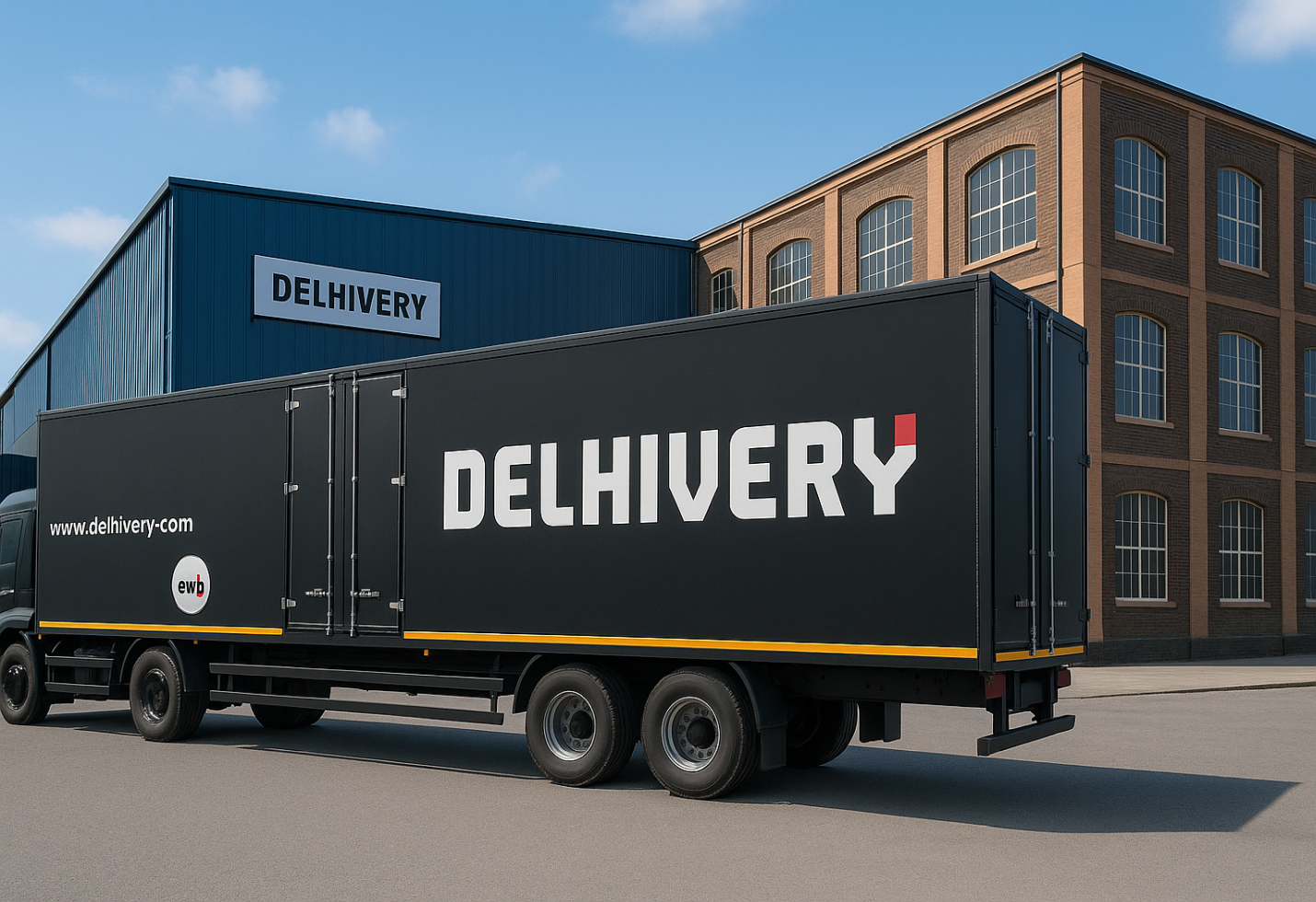
Delhivery Q2 FY26 — Revenue Up 17% Yet Back in the Red

Delhivery’s Stellar Quarter: Profit Surges 190% Sequential

Delhivery’s Stellar Quarter: Profit Surges 190% Sequential


Robust demand, operational efficiencies, and network strength drive growth

Delhivery Ltd., India’s leading logistics and supply chain solutions provider, has delivered an outstanding performance for the fourth quarter of FY25. The company reported a massive 190% quarter-on-quarter (QoQ) jump in net profit , reaching ₹72.6 crore, compared to ₹25 crore in the previous quarter. This marks a strong turnaround for the company that had faced headwinds in earlier quarters, particularly due to macroeconomic pressures and seasonal fluctuations.

The company’s financial performance during Q4 is a testament to its improving operational efficiency, strategic focus on profitable growth, and an uptick in demand across core business segments including express parcel services, part-truckload (PTL), and third-party logistics (3PL) warehousing.

Revenue and Margins Witness Robust Growth

This growth was fueled by an expansion in service offerings and increasing market demand from e-commerce and enterprise clients alike. Compared to the previous quarter, revenue showed a mild uptick of around 5%, which when combined with aggressive cost control, contributed to the sharp rise in profitability.

What stood out in this quarter’s performance was the significant improvement in EBITDA margins , which expanded to 6.1% versus 3.4% in Q3. The company attributed this to better yield management, automation-led efficiency gains, and tighter control over fixed overheads. Additionally, network optimization and reduced capacity under-utilization helped in reducing variable costs per shipment.

Segment Performance: Express and PTL Lead the Way

Delhivery’s express parcel services segment continued to be its largest revenue contributor, benefiting from e-commerce tailwinds and improved service levels. Shipment volumes rose by 9% sequentially, and the average revenue per shipment also witnessed moderate growth due to better product mix and premium services adoption.

The PTL freight business also saw robust traction, with volumes increasing 14% QoQ, driven by higher demand from small and medium enterprises (SMEs) and MSMEs, particularly from tier-2 and tier-3 cities. The company noted that its Spot platform — which connects shippers with real-time capacity — played a vital role in scaling this segment efficiently.

Delhivery’s supply chain services and warehousing verticals also witnessed expansion , as customers increasingly opted for integrated logistics solutions. While still a relatively smaller portion of the overall revenue pie, this segment is gaining strategic importance due to higher margins and sticky client relationships.

Strategic Initiatives and Technology Investments

Delhivery continued to invest in cutting-edge automation and AI-driven logistics platforms, which played a pivotal role in streamlining operations. During the quarter, the company enhanced its pan-India network coverage by operationalizing new hubs and strengthening connectivity in underpenetrated geographies.

In addition, the management revealed a **renewed focus on improving working capital efficiency, which helped reduce outstanding receivables and improve cash flows. Inventory turns improved in line with warehouse digitization and predictive demand tools, further reinforcing operational resilience.

The company has also deepened its partnerships with major e-commerce players, D2C brands, and industrial clients to offer customized logistics solutions, thereby driving cross-selling and upselling opportunities.

Management Commentary and Future Outlook

Commenting on the Q4 performance, CEO Sahil Barua stated, Our focus on execution, network efficiency, and product innovation has resulted in a resilient quarter. We are encouraged by the broad-based improvement across business segments and believe this momentum will carry into FY26.

The management guided for double-digit revenue growth in FY26,backed by improving demand, new client wins, and ongoing investments in capacity and technology. It also hinted at the possibility of select acquisitions to enhance last-mile capabilities and international freight forwarding reach.

Delhivery also reaffirmed its goal of sustainable EBITDA-level profitability, indicating that the worst of its margin compression phase may be behind it. Analysts tracking the logistics space view Delhivery as a structurally sound play in India’s growing digital commerce infrastructure.

Market Reaction and Analyst Takeaways

Following the strong results, Delhivery’s shares surged over 6% in intraday trade, reflecting investor confidence in the company’s turnaround story. Several brokerages have revised their target prices upwards, citing strong volume growth, operating leverage, and the company’s expanding market share in organized logistics.

The stock, which had faced pressure in previous quarters due to high fixed costs and muted demand, is now being seen as a key beneficiary of India’s logistics sector formalization and increasing digital penetration in supply chains.

Summary

Delhivery recorded a significant 190% rise in its net profit for Q4 FY25, reaching ₹72.6 crore, fueled by enhanced operational efficiency and strong demand across its logistics services. Revenue grew to ₹2,076 crore, supported by better cost management and increased shipment volumes in its express and part-truckload (PTL) businesses. Margin expansion and strategic investments in automation further strengthened the company’s performance. With optimistic management guidance and improving sector dynamics, Delhivery is well-positioned for steady growth in the coming fiscal year.


The image added is for representation purposes only

Investor Wealth Jumps ₹26.48 Lakh Crore as Markets Hit Historic Weekly High


India Boosts Monetary Policy with Improved Repo Rate Response

India Boosts Monetary Policy with Improved Repo Rate Response

India Boosts Monetary Policy with Improved Repo Rate Response


Due to the Reserve Bank of India’s regulatory and structural reforms, particularly in corporate lending, the transmission of repo rate changes to lending and deposit rates has significantly enhanced, thereby increasing the effectiveness of monetary policy.

Summary:

India’s monetary policy transmission has become notably more efficient recently, especially following the RBI’s changes in determining interest rates for corporate loans and retail sectors. This improved connection between the repo rate and lending rates for end users has enhanced the promptness and thoroughness of rate changes, enabling policy actions to impact borrowing costs, inflation, and consumer behavior more effectively. Economists consider this a significant advancement in the RBI’s efforts to enhance the effectiveness of its monetary tools.

India’s Monetary Policy Transmission: A Journey of Steady Improvement

India’s monetary policy transmission has become notably more efficient recently, especially following the RBI’s update to the methodology for determining interest rates in corporate and retail loan segments. This improved connection between the repo rate and end-user lending rates has led to more timely and comprehensive rate adjustments, enabling policy changes to have a greater impact on borrowing costs, inflation, and consumption trends. Economists consider this a significant achievement in the RBI’s efforts to enhance the effectiveness of its monetary tools.

Repo Rate: The Central Lever of Monetary Policy

The repo rate, the interest rate at which the RBI provides short-term loans to commercial banks, is a key tool for India’s monetary policy. Raising the repo rate makes borrowing more expensive, reduces credit demand, and controls inflation. Cutting the interest rate encourages people to borrow, invest, and spend more.
For this mechanism to work effectively, any shifts in the repo rate must be promptly reflected in the real economy, impacting both borrowers and savers. Historically, banks in India have been slow to adjust their lending and deposit rates, undermining the effectiveness of monetary policy actions.

Key Reforms Driving Better Transmission

The repo rate, which reflects the interest rate at which the RBI lends short-term funds to commercial banks, is a crucial instrument for India’s monetary policy. When the RBI raises the repo rate, borrowing costs increase, which lowers credit demand and helps control inflation. On the other hand, reducing the interest rate promotes borrowing, investment, and consumer expenditure.
For this approach to be successful, adjustments in the repo rate need to be effectively transmitted to the real economy, impacting both borrowers and savers. However, historically, Indian banks have been slow to change their lending and deposit rates, which diminishes the effectiveness of these monetary policy interventions.

Data Suggests Stronger Pass-Through

The repo rate is the interest rate at which the RBI provides short-term loans to commercial banks. It plays a vital role in shaping India’s monetary policy. An increase in the repo rate results in higher borrowing costs, reducing credit demand and helping to manage inflation. In contrast, when the repo rate is cut, it stimulates borrowing, investment, and consumer spending.
For this system to function effectively, changes in the repo rate must be accurately transmitted to the broader economy, affecting both borrowers and savers. However, Indian banks have traditionally been slow to adjust their lending and deposit rates, undermining the effectiveness of monetary policy measures.

Corporate Lending: A Notable Transformation

The repo rate, which represents the interest rate at which the RBI lends short-term funds to commercial banks, is a key component of India’s monetary policy. When the RBI raises the repo rate, borrowing costs increase, which helps control inflation by reducing credit demand. Conversely, lowering the rate encourages borrowing, investment, and consumer spending.
For this strategy to be effective, any changes to the repo rate must be quickly passed on to the broader economy, impacting borrowers and savers. However, Indian banks have often been slow to modify their lending and deposit rates, which limits the effectiveness of these monetary policy actions.

Benefits of Improved Transmission
1. Improved Inflation Management:
A more efficient transmission mechanism enables the RBI to achieve its inflation objectives more successfully. Changes in repo rates influence consumption, housing, and service pricing more swiftly, aiding in stabilizing core inflation.

2. Enhanced Credit Distribution:
Retail borrowers, MSMEs, and businesses can manage their finances more confidently with more predictable lending rates. Banks also face diminished benefits from interest rate risk.

3. IncreasedRBI’scy Credibility:
Improved transmission reinforces the credibility of the RBI’s policy signals, enhancing market trust and permitting more proactive interventions during economic challenges.

4. Synergy Between Monetary and Fiscal Policies:
More stable interest rates allow the government to align its fiscal strategies more effectively, improving overall macroeconomic coordination.

Remaining Challenges and the Road Ahead

Despite the progress made, several challenges persist. Public sector banks, which dominate the Indian banking landscape, still demonstrate slower responses in certain areas. Furthermore, legacy loan portfolios tied to MCLR or base rate systems weaken the transmission effect.
Additionally, non-banking financial companies (NBFCs), which play a significant role in lending within rural and semi-urban regions, are not required to adhere to external benchmarks, limiting the transmission of benefits beyond the formal banking sector.
A sustained emphasis on digitization, financial inclusion, market development, and an increase in India’s use of mark-linked pricing will be essential for smoother transmission.

Conclusion: A Maturing Monetary Policy Framework

India’s enhanced transmission of repo rate adjustments illustrates its monetary policy framework’s development and efficacy. The movement towards lending linked to external benchmarks, particularly in the retail and corporate sectors, has strengthened the Reserve Bank of India’s (RBI) capacity to shape credit conditions, manage inflation, and promote economic growth. India remains room for improvement—particularly in legacy lending and non-bank sectors—but the overall trend is encouraging. As global economic uncertainties continue and inflation management becomes increasingly complex, India’s improved policy transmission will be crucial for maintaining macroeconomic stability.


The image added is for representation purposes only

Central Banks Shift: Dollar’s Global Reserves Decline

Profit Surge Heats Up Blue Star’s Q4: ₹9 Dividend to Cool Investors

Profit Surge Heats Up Blue Star’s Q4: ₹9 Dividend to Cool Investors

Profit Surge Heats Up Blue Star’s Q4: ₹9 Dividend to Cool Investors

Fueled by strong summer demand and a healthy order book, Blue Star announced a more than 20% year-on-year increase in revenue and profit for Q4 FY25. The impressive growth in room air conditioners and project businesses helps maintain momentum into FY26.

Summary:

Blue Star Ltd announced a consolidated net profit of ₹194 crore for Q4 FY25, reflecting a year-on-year increase of 21.5%. This growth was driven by strong demand during the summer months and strategic inventory management by distributors. Revenue from operations grew by 20.8% compared to the previous year, totaling ₹4,018.96 crore. For the entire fiscal year, the company’s net profit surged by 42.7% to ₹591 crore, alongside a revenue achievement of ₹11,976 crore. Blue Star’s board proposed a final dividend of ₹9 per share, underscoring the company’s robust financial position.

Q4 FY25 Results: Robust Growth Driven by Room AC Demand and Project Execution

Blue Star Limited’s performance in the fourth quarter of FY25 showcased robust operational execution and continued consumer interest, especially in its Unitary Products and Electro-Mechanical Projects segments. The company posted consolidated revenue of ₹4,018.96 crore for Q4 FY25, reflecting a 20.8% increase compared to ₹3,327.77 crore in Q4 FY24. The net profit, excluding exceptional items, surged by 21.5% to ₹194 crore, up from ₹159.71 crore in the same quarter the previous year.
Operating profit (PBIDTA excluding other income) rose 15.5% year-on-year to ₹279.40 crore, although the margin slightly declined from 7.3% to 7.0%. This drop was mainly due to increased promotional expenditures in the room air conditioning sector and rising input costs. Nevertheless, the overall operating leverage remained healthy.
Before accounting for exceptional items, the Profit Before Tax increased by 16.2% YoY, reaching ₹248.82 crore. At the same time, other income nearly doubled to ₹23.99 crore, indicating enhanced treasury performance driven by a larger cash surplus.

Full-Year FY25 Performance: Revenue Crosses ₹12,000 Crore Milestone

Blue Star reported a consolidated revenue of ₹11,976.65 crore for FY25, marking a 23.6% year-on-year increase from ₹9,685.36 crore in FY24, highlighting robust growth across its main sectors. The company’s net profit surged by 42.7% year-on-year to ₹591.28 crore, supported by operational efficiencies and a gain of ₹10.37 crore from exceptional items.
Operating profit for FY25 reached ₹875.92 crore, reflecting a 31.8% year-on-year increase and boosting the operating margin to 7.3%. The Earnings Per Share (EPS) grew to ₹28.76, up from ₹20.77 in the previous year.
Finance costs declined 16% year-on-year to ₹48.80 crore due to reduced borrowings and effective working capital management.The company closed the fiscal year with a strong net cash position of ₹640 crore.

Segment Performance: Room AC Business Shines Bright

-Unitary Products Segment: Revenue grew by 22.4% to ₹5,621 crore, with segment profits rising by 30.8% to ₹471.26 crore. The growth was driven by robust channel stocking ahead of summer and the introduction of new premium air conditioning products.
-Electro-Mechanical Projects & Commercial Air Conditioning: Revenue increased by 27.2% to ₹5,998 crore, while profits soared by 43.9% to ₹490.88 crore. This growth was fueled by strong demand from data centers, manufacturing, healthcare, and hospitality sectors. However, commercial real estate and banking, financial services, and insurance (BFSI) segments showed slow performance.
-Professional Electronics & Industrial Systems: This segment encountered challenges, with revenue falling by 7.7% to ₹348.55 crore and profits declining by 42.3% to ₹29.72 crore, mainly due to weak demand in the Data Security and Med-Tech sectors.

Dividend and Shareholder Updates

The board has announced a final dividend of ₹9 per share for FY25, which marks an increase from the ₹7 dividend declared the previous year. The company’s 77th Annual General Meeting (AGM) is on August 6, 2025. The record date to be eligible for the dividend is July 18, 2025, with book closure from July 19 to August 6.

Brokerages Maintain Positive Outlook

Brokerages are optimistic about Blue Star’s prospects. The company boasts a solid order book of ₹6,263 crore, representing a 9.9% increase year-on-year. Analysts expect ongoing earnings growth due to the rising demand for cooling solutions influenced by climate change. Blue Star’s strategic emphasis on innovation, a robust supply chain, and customer-focused solutions is vital for sustainable growth.
Nuvama continues to endorse a “buy” rating for the stock and has updated its target price to ₹1,550. They highlight strong earnings visibility, a trend towards premium products in consumer appliances, and a rise in capital expenditure from government and private sectors in infrastructure as significant contributors.

Future Outlook: Optimism Tempered by Market Volatility

Chairman and Managing Director Vir S. Advani stated, “We’re proud to achieve our third consecutive year of remarkable performance. Although April 2025 started slowly due to milder temperatures, we anticipate strong demand in May and June. The challenges in Commercial Refrigeration are now behind us. With our updated product range and the growth of market segments such as data centers and healthcare,” we are confident in our outlook.”
He also emphasized that the company closely monitors geopolitical risks, fluctuations in global commodity prices, and supply chain issues. Despite these challenges, the company is dedicated to enhancing its manufacturing capabilities and maintaining Star’s leadership position in the Indian Market.

Conclusion

Blue Star’s fourth quarter and full year 2025 results highlight the company’s strong business fundamentals, it’s capacity to adapt to economic fluctuations and its enhanced commitment to innovation and operational excellence. With impressive growth across various segments, a growing product portfolio, and a management set, Blue Star is strategically positioned for ongoing growth in fiscal year 2026. The proposed ₹9 dividend demonstrates management’s confidence in creating shareholder value.


The image added is for representation purposes only

 Dr. Reddy’s Laboratories Stock Slides Amid High Trading Volumes

Coal India Reopens 32 Mines as Clean Energy Progress Falters

 Coal India Q4 FY24 Results: Profit Soars 26%, ₹25.5 Total Dividend

Coal India Q4 FY24 Results: Profit Soars 26%, ₹25.5 Total Dividend


Coal India Limited (CIL), the state-owned coal mining behemoth and the largest coal producer in India, has outperformed market forecasts with an impressive financial performance in the fourth quarter of FY24. The company reported a consolidated net profit of ₹8,682 crore—marking a 26% year-on-year (YoY) surge—despite facing a slight decline in revenue.

Coal India’s Strong Finish to FY24

In Q4 FY24, Coal India, the state-run coal giant, demonstrated impressive financial strength, achieving solid profit growth despite challenges in revenue. The company reported a 26.2% year-on-year surge in consolidated net profit, reaching ₹8,682.2 crore, surpassing market forecasts. This result outpaced analyst predictions, as highlighted by sources like NDTV Profit and CNBC TV18.
The profit surge came even as consolidated income declined slightly to ₹39,654.5 crore, down from ₹40,359 crore in the same period last year. Revenue from operations fell nearly 2% YoY to ₹37,410 crore, according to Economic Times and Moneycontrol.

Dividend Bonanza: ₹25.5 Per Share for FY24

Coal India’s board approved a final dividend of ₹5 per share, which will be paid out in addition to the interim dividends of ₹15.25 and ₹5.25 already declared earlier in FY24. This brings the total dividend payout to ₹25.5 per share for the financial year.
This hefty payout underscores Coal India’s commitment to shareholder returns, despite moderate topline performance. The final dividend is pending for approval by shareholders it will get possibly in coming Annual General Meeting.

Operational Highlights

Coal India upheld steady operational efficiency, producing 241.75 million tonnes of coal during the quarter, sustaining the growth observed in prior periods. The company continues to dominate the domestic coal market, supplying nearly 80% of India’s coal needs.
Production efficiency, cost control, and better realization from e-auction sales contributed significantly to the bottom-line growth. The company also leveraged better pricing in the non-power sector, which supported profitability.

Market Reaction and Analyst Takeaways

The Q4 performance triggered a positive response from market analysts and investors alike. Brokerage houses revised their target prices upward following the earnings announcement, citing strong profit visibility and consistent dividend payouts.
NDTV Profit reported that analysts appreciated the beat on net profit and the disciplined capital expenditure that helped maintain free cash flows. The high dividend yield continues to be a major draw for long-term investors.
Coal India shares reacted modestly post-announcement, as much of the positive news had already been priced in. However, the stock remains a high-yielding defensive option in volatile markets.

Challenges Ahead

Despite the strong quarter, Coal India faces several challenges going forward. Declining demand from the power sector, rising competition from renewable energy, and environmental regulations could pressure margins and growth.
Moreover, any increase in global coal prices or disruption in logistics could impact coal availability and pricing strategies. The company must also ramp up efforts to diversify into cleaner energy options to align with India’s long-term sustainability goals.

Conclusion

Coal India has capped off FY24 with strong earnings and a generous dividend payout, reinforcing its position as a reliable and profitable public sector undertaking. While revenue growth remained muted, disciplined cost management and strong operational performance enabled a substantial jump in net profit.
Investors and analysts alike have applauded the company’s financial prudence and shareholder-friendly approach. As India’s energy transition picks up pace, Coal India will have to balance its traditional strengths with future readiness.


The image added is for representation purposes only

HDFC Life Sells Some Kesoram Shares in Portfolio Change.

SBI Lowers Interest on Savings and Term Deposits

Decoding SBI’s Q4 Surge: Strategic Gains and Headwinds

Decoding SBI’s Q4 Surge: Strategic Gains and Headwinds


STATE BANK OF INDIA

 CMP* (₹) 792
 Company Sector Banking
 Company Symbol State Bank of India                                                                                                                                                                                      

About the Company: –

State Bank of India (SBI) stands as the largest public sector bank in India and a pillar of the country’s financial ecosystem. With a legacy that dates back over two centuries, SBI has built an unmatched scale and reach across the Indian subcontinent. The bank caters to more than 51 crore customers, encompassing individuals, businesses, government bodies, and institutions, reflecting its deep penetration and trust across all economic segments.

SBI operates through a vast physical infrastructure of 22,542 branches and 65,004 ATMs/CDMs, making banking services accessible across urban, semi-urban, and rural areas. This widespread network not only enhances customer convenience but also supports the government’s financial inclusion initiatives. Internationally, SBI has established a presence in 29 countries, operating through 229 global offices that include branches, subsidiaries, and representative offices, thus catering to the banking needs of Indian diaspora and global corporates. In recent years, SBI has aggressively digitized its services to stay ahead in the evolving financial landscape. Its flagship digital platform, YONO (You Only Need One), has become one of India’s most widely used integrated banking and lifestyleapps.

With over 7.1 crore downloads and 2.7 crore monthly active users, YONO enables customers to perform a wide range of activities from opening bank accounts, applying for loans, investing in mutual funds and insurance, to shopping and travel bookings all through a single interface. The success of YONO underscores SBI’s commitment to innovation and customer- centric digital transformation, helping the bank expand its reach and efficiency while significantly lowering the cost-of-service delivery.

Key Financial

Particular Amount
MARKET CAPITALIZATION (₹ CRORE) ₹7,13,970
DEBT (₹ CRORE)  ₹5,06,027
EV (₹ CRORE) ₹12,20,000+
52 WEEK H/L ₹826 / ₹542
EQUITY CAPITAL (₹ CRORE) ₹892
FACE VALUE (₹) 1.00
DIVIDEND YEILD 1.99%
NO OF SHARES (CRORES) 89.2
Quarterly Performance
SBI’s Q4 FY25 results reflect strong operational momentum with improvements in both core and non-core income. Net Interest Income (NII) increased by 3.2% quarter-on-quarter (QoQ) to ₹42,775 crore, driven by a steady interest income growth of 1.91%. However, Net Interest Margin (NIM) slightly declined to 3.00% at the bank level, indicating pressure on yields.

The standout metric this quarter was Non-Interest Income, which surged 119% QoQ to ₹24,210 crore, supported by strong treasury gains and higher fee income. Consequently, Operating Income grew 27.6% QoQ to ₹66,985 crore, and Operating Profit rose 32.8% to ₹31,286 crore despite a 23.4% increase in operating expenses. On the bottom line, Net Profit came in at ₹18,643 crore, up 10.4% from the previous quarter but down 9.9% YoY, due to higher provisions of ₹12,643 crore (up 89.9% QoQ). Despite this, SBI maintained healthy profitability metrics, with Return on Assets (ROA) at 1.12% and Earnings Per Share (EPS) at ₹84.72. The cost-to-income ratio moderated slightly to 53.29%, indicating improved efficiency over the previous quarter.

Overall, the bank demonstrated operational resilience with strong income growth, though rising provisions and narrowing margins slightly offset the earnings upside.

Particulars Q4FY24 Q3FY25 Q4FY25 QoQ (%) YoY (%)
Interest Income 1,11,043 1,17,427 1,19,666 1.91% 7.77%
Interest Expenses 69,387 75,981 76,892 1.20% 10.81%
Net Interest Income (NII) 41,655 41,446 42,775 3.21% 2.69%
Non-Interest Income 17,369 11,041 24,210 119.28% 39.38%
Operating Income 59,024 52,486 66,985 27.62% 13.49%
Operating Expenses 30,277 28,935 35,698 23.37% 17.91%
Operating Profit 28,748 23,551 31,286 32.84% 8.83%
Total Provisions 8,049 6,659 12,643 89.86% 57.08%
Net Profit 20,698 16,891 18,643 10.37% -9.93%
NIM (Whole Bank) 3.30% 3.01% 3.00% -1 bps -30 bps
NIM (Domestic) 3.47% 3.15% 3.15% 0 bps -32 bps
Cost to Income Ratio 51.30% 55.13% 53.29% -184 bps +199 bps
Cost to Assets (%) 1.99% 1.79% 2.15% +36 bps +16 bps
EPS (₹) 93.28 75.09 84.72
ROA

(Annualized)

1.36% 1.04% 1.12%

Revenue Disclosure

In Q4FY25, State Bank of India (SBI) reported a total income of ₹1,29,173 crore, marking a YoY growth of 13.8% over ₹1,13,469 crore in Q4FY24. The growth was primarily driven by a strong increase in interest income, which rose 20.3% YoY to ₹1,14,782 crore.

  • The largest contributor was Interest on Advances, which increased to ₹84,017 crore (up 18.3% YoY), reflecting strong credit growth and improved yields.
  • Interest on Investments saw a substantial growth of 28.2%, reaching ₹24,580 crore, likely supported by increased SLR securities and favorable interest rates.
  • Other Interest Components also grew steadily, indicating better treasury and liquidity management.

However, Other Income declined by 20.5% YoY to ₹14,391 crore. This drop was largely attributed to lower treasury income and fee-based earnings, which affected the non-interest revenue profile for the quarter.


Key Revenue Financials  (Rs.in crore)

Particulars Q4FY25 Q4FY24 YoY Change (%)
Interest Earned ₹1,14,782 ₹95,374 20.3%
– Interest on Advances ₹84,017 ₹71,008 18.3%
– Interest on Investments ₹24,580 ₹19,181 28.2%
– Interest on Balances with RBI & Banks ₹1,258 ₹975 29.0%
– Others ₹4,927 ₹4,210 17.0%
Other Income ₹14,391 ₹18,095 20.5%
Total Income ₹1,29,173 ₹1,13,469 13.8%

Liabilities Table – SBI Q4FY25 (₹ in Crore)

Component Q4FY25 Q4FY24
Deposits ₹47,20,887.67 ₹44,23,778.45
Borrowings ₹3,18,374.62 ₹3,26,214.70
Other Liabilities & Provisions ₹2,20,244.82 ₹2,03,651.46
Capital ₹892.46 ₹892.46
Reserves & Surplus ₹2,98,072.11 ₹2,79,830.44
Minority Interest ₹1,169.03 ₹1,187.13
Total Liabilities ₹62,58,942.71 ₹59,53,475.55

Description of the above table

State Bank of India (SBI) recorded total liabilities of ₹62.59 lakh crore as of Q4FY25, indicating a year-on-year (YoY) growth of 5.13% from ₹59.53 lakh crore in Q4FY24. The major component remains customer deposits, which rose by over ₹2.97 lakh crore YoY, reinforcing SBI’s strong retail franchise and deposit mobilization strength .Borrowings, which include funds raised from RBI, banks, and other institutions, showed a slight decrease, suggesting greater reliance on deposits for funding. Other liabilities and provisions, primarily consisting of provisioning for bad loans and other obligations, increased by around ₹16,500 crore—pointing to prudence in financial risk management. SBI’s capital base remained stable at ₹892 crore, while reserves and surplus grew significantly, reflecting retained earnings and enhanced internal accruals. The minority interest represents the stake of minority shareholders in SBI’s subsidiaries and showed little change.

Overall, SBI’s liability’s structure continues to be robust, with healthy growth in core funding and a conservative approach to provisioning and capital management.

FINANCIAL STATEMENT

P&L Statement (In Cr.)

Particulars Q4FY25 Q4FY24 YoY Growth FY25 FY24 YoY Growth
Interest Earned 1,07,678 92,951 15.8% 4,03,057 3,48,302 15.7%
Interest Expended 62,796 51,099 22.9% 2,26,304 1,88,491 20.1%
Net Interest Income (NII) 44,882 41,852 7.2% 1,76,753 1,59,811 10.6%
Other Income 20,958 18,094 15.8% 47,375 47,761 -0.8%
Total Income 65,840 59,946 9.8% 2,24,128 2,07,572 8.0%
Operating Expenses 28,873 24,496 17.9% 95,589 83,796 14.1%
Operating Profit 36,967 35,450 4.3% 1,28,539 1,23,776 3.9%
Provisions and

Contingencies

1,609 3,276 -50.9% 14,578 20,489 -28.9%
Profit before Tax (PBT) 35,358 32,174 9.9% 1,13,961 1,03,287 10.3%
Tax Expense 8,906 7,950 12.0% 29,746 26,640 11.6%
Net Profit 26,452 24,224 9.2% 84,215 76,647 9.9%

Description of the above table

State Bank of India (SBI) reported a net profit of ₹26,452 crore in Q4FY25, marking a 9.2% year-on- year (YoY) growth from ₹24,224 crore in Q4FY24. For the full year FY25, net profit stood at ₹84,215 crore, an increase of 9.9% over FY24. Interest income rose significantly by 15.8% YoY in Q4FY25 to ₹1,07,678 crore, supported by growth in the loan book and improved yield on advances. However, interest expenses also grew by 22.9%, reflecting the impact of rising deposit costs and cost of funds.Despite higher interest costs, Net Interest Income (NII) – the core income from lending – grew by 7.2% YoY in Q4FY25 to ₹44,882 crore, while for the full year it increased 10.6%, reaching ₹1,76,753 crore. Other income, comprising fees, commissions, treasury operations, and recoveries, rose by 15.8% YoY in Q4 but remained nearly flat for the full year. Operating expenses increased by 17.9% YoY due to higher employee and administrative costs, slightly compressing the operating profit margin. Still, operating profit grew by 4.3% YoY in Q4FY25 and 3.9% for FY25, touching ₹1,28,539 crore for the year. A major contributor to net profit growth was the sharp decline in provisions and contingencies, which fell by 50.9% YoY in Q4FY25 and by 28.9% YoY annually, indicating better asset quality and lower credit costs.

The Profit Before Tax (PBT) grew by 9.9% YoY to ₹35,358 crore in Q4FY25. After a tax provision of ₹8,906 crore, the bank posted its record quarterly and annual net profits.

Summary of Balance Sheet

Particulars FY24 FY25 YoY Growth
Total Assets 59,84,781 65,98,819 10.2%
Deposits 45,03,700 51,30,072 13.9%
Gross Advances 33,03,731 36,48,564 10.4%
Capital & Reserves 3,62,996 4,23,019 16.5%

Description of above table

SBI’s balance sheet for FY25 reflects a robust and healthy financial trajectory, marked by substantial growth across key parameters. The total deposits surged to ₹51.3 lakh crore, representing an impressive 13.9% year-on-year (YoY) growth compared to ₹45.03 lakh crore in FY24. This strong deposit mobilization highlights the bank’s continued dominance and customer trust in India’s banking landscape, underpinned by its extensive branch network and strong retail franchise. On the asset side, gross advances rose to ₹36.48 lakh crore, reflecting a 10.4% growth YoY from ₹33.03 lakh crore. This expansion in lending activity signals robust credit demand across sectors, including retail, agriculture, MSME, and corporate segments. The bank’s ability to grow advances while maintaining asset quality showcases sound credit risk management and a growing economy. Additionally, the capital and reserves component, a key indicator of financial strength and stability, saw a noteworthy rise of 16.5%, increasing from ₹3.63 lakh crore in FY24 to ₹4.23 lakh crore in FY25. This growth may be attributed to higher retained earnings from record profits, prudent capital management, and possibly fresh equity infusion or revaluation reserves. A stronger capital base not only ensures regulatory compliance under Basel III norms but also enhances the bank’s capacity to support future business growth and absorb potential shocks.

In summary, SBI’s balance sheet for FY25 paints a picture of sustained growth, increasing financial resilience, and strategic positioning for future expansion in a dynamic economic environment.

Summary of Cash Flow Statement

Particulars FY25
Net Profit 61,077 Cr
Operating Profit 96,275 Cr
Provisions and Contingencies 19,384 Cr
Dividend Declared 13.70/share

Description of above table

In FY25, the State Bank of India (SBI) achieved a record-breaking net profit of ₹61,077 crore, showcasing exceptional earnings performance and a strong operational foundation. This remarkable profitability was supported by a healthy growth in core income streams, including interest income from advances and investments, as well as fee-based income. The record profit reflects efficient cost management, stable asset quality, and a favorable interest rate environment that supported net interest margins (NIMs). A key factor contributing to improved cash flows was the reduction in provisions and contingencies, which stood at ₹19,384 crore—lower than previous years. This decline indicates better credit discipline and improved asset quality, as fewer resources had to be set aside for non-performing assets (NPAs) and potential loan losses. As provisioning requirements ease, more of the bank’s operating profit translates directly into net cash flows, enhancing its liquidity and financial flexibility. SBI’s ability to declare a final dividend of ₹13.70 per share further underscores its strong free cash flow position and commitment to shareholder value. Dividend payouts of this magnitude are generally indicative of surplus cash after meeting capital expenditure and regulatory requirements, reflecting a confident outlook on future profitability and capital adequacy. While the detailed cash flow statement was not disclosed in the presentation, the combination of a high operating profit of ₹96,275 crore and lower provisioning strongly suggests healthy internal accruals and sustainable financial operations. These internal cash flows are crucial for funding future growth, managing liabilities, investing in digital infrastructure, and maintaining a robust capital buffer.

Ratio Analysis

Ratio FY25 FY24 Change / Remarks
Earnings Per Share (EPS) 63.1 57.7 Improved due to higher net profit
Book Value Per Share 209.6 183.3 Indicates stronger capital base
Dividend Per Share 33.0 34.0 Slight decline despite record profit
Revenue Growth (%) 1.9 4.7 Slower topline growth rate
Operating Profit Margin (%) 20.7 21.6 Marginal drop in operating efficiency
Net Profit Margin (%) 16.7 16.3 Improved profitability
Return on Net Worth (%) 30.1 31.5 Slight decline in efficiency of equity usage
Asset Turnover Ratio 1.2 1.3 Slight reduction in asset utilization
Fixed Asset Turnover Ratio 3.6 3.9 Indicates higher investment in fixed assets
Current Ratio 2.6 2.4 Improved short-term liquidity
Quick Ratio 2.6 2.4 Strengthened liquidity without inventories
Interest Coverage Ratio 134.1 149.1 Slight decline, but remains very strong

Description of Ratio Analysis

State Bank of India (SBI) reported a net profit of ₹26,452 crore in Q4FY25, marking a 9.2% year-on-year (YoY) growth from ₹24,224 crore in Q4FY24. For the full year FY25, net profit stood at ₹84,215 crore, an increase of 9.9% over FY24. Interest income rose significantly by 15.8% YoY in Q4FY25 to ₹1,07,678 crore, supported by growth in the loan book and improved yield on advances. However, interest expenses also grew by 22.9%, reflecting the impact of rising deposit costs and cost of funds. Despite higher interest costs, Net Interest Income (NII) – the core income from lending – grew by 7.2% YoY in Q4FY25 to ₹44,882 crore, while for the full year it increased 10.6%, reaching ₹1,76,753 crore. Other income, comprising fees, commissions, treasury operations, and recoveries, rose by 15.8% YoY in Q4 but remained nearly flat for the full year. Operating expenses increased by 17.9% YoY due to higher employee and administrative costs, slightly compressing the operating profit margin. Still, operating profit grew by 4.3% YoY in Q4FY25 and 3.9% for FY25, touching ₹1,28,539 crore for the year. A major contributor to net profit growth was the sharp decline in provisions and contingencies, which fell by 50.9% YoY in Q4FY25 and by 28.9% YoY annually, indicating better asset quality and lower credit costs. The Profit Before Tax (PBT) grew by 9.9% YoY to ₹35,358 crore in Q4FY25. After a tax provision of ₹8,906 crore, the bank posted its record quarterly and annual net profits.

Conference Highlight

1. Robust Credit Growth Outlook

  • SBI projects credit growth of 14–15% year-on-year in
  • Retail loans (especially housing and personal loans) and SME lending are the major growth
  • The bank has witnessed strong demand in home loans, Xpress Credit (personal loans), and small ticket MSME loans.
  • Corporate loan growth is expected to be moderate but steady, driven by working capital demand and select capex

2. Net Interest Margin (NIM) Stability

  • SBI guided for domestic NIMs at 4%–3.5% in FY25, despite a high cost of deposits.
  • There is a re-pricing benefit on the loan book as older low-yield loans get replaced with higher-rate
  • Deposit rates have been inching up, but asset yields have also improved, helping protect
  • NIM pressure from overseas operations is expected to normalize by

3. Strong Asset Quality and Credit Discipline

  • SBI reported best-in-class asset quality metrics among PSU
  • Gross NPA (GNPA) ratio is expected to fall further below 4%, and Net NPA below 0.6%, reflecting healthy recoveries and upgrades.
  • Credit cost is guided below 1%, supported by a strong PCR (Provision Coverage Ratio) of 76%+.
  • Slippage ratios remain under control, with no large stress emerging across retail or corporate

4. Healthy Return Metrics (Profitability)

  • SBI aims to maintain a Return on Assets (RoA) near 1% and Return on Equity (RoE) around 16–17%.
  • Operating performance is being driven by growth in core earnings, better asset quality, and efficiency in opex (operating expenses)
  • Continued focus on cost rationalization and productivity enhancement supports profit sustainability.

5. Digital Banking and CASA Strategy

  • SBI is ramping up its digital initiatives through platforms like YONO to drive customer engagement and reduce operational cost.
  • Over 95% of transactions now happen through digital channels, underscoring SBI’s shift toward a digital-first
  • CASA (Current Account Savings Account) ratio is expected to remain stable despite intense deposit competition from peers and NBFCs.

6. Strong Performance of Subsidiaries

  • SBI’s subsidiaries — SBI Life Insurance, SBI Cards, SBI General Insurance, and SBI Mutual Fund — continue to perform well.
  • SBI Life and SBI MF saw strong growth in AUM and premiums, boosting consolidated
  • The bank mentioned the potential to unlock further value through IPOs or stake monetization in non-banking

7. Comfortable Capital Position

  • SBI is well-capitalized with CET-1 ratio around 9% and total capital adequacy >14%.
  • There are no near-term equity dilution plans, as internal accruals and retained earnings are sufficient to support
  • Management is confident in supporting credit expansion without external capital infusion.


The image added is for representation purposes only

Kotak Mahindra Bank stock slips following Q4 earnings announcement.