
India’s Debt-to-GDP Ratio: Balancing Growth and Fiscal Prudence
Overview
Since governments in both developed and emerging nations provided varying degrees of fiscal stimulus following the Covid epidemic, sovereign debt as a percentage of GDP has been a hot topic of discussion worldwide. In developed countries like the US, the debt-to-GDP ratio has risen to unmanageable levels notwithstanding the rollback of stimulus measures. India’s ratio needs to be watched even though it is low when compared to its immediate developing market rivals.
FRBM Act target not achieved
According to Barclays, since the peak of the pandemic year, the central government debt to GDP ratio has remained at about 60%. That is significantly more than the 40 percent threshold set by the Fiscal Responsibility and Budget Management Act (FRBM) to be met by FY25.
The goal set by the FRBM Act was for the total debt of the central and state governments to reach 60% of GDP by 2024–2025, with the central government’s debt standing at 40%. Following the pandemic, the FRBM targets were halted, necessitating an increase in government spending to bolster the economy.
Fiscal Deficit to reduce Debt
In her budget address last year, Finance Minister Nirmala Sitharaman stated that starting in 2026–2027, the fiscal policy will aim for a fiscal deficit that would assist in the debt’s downward trajectory. Although no specific goals were stated, the idea is that the amount of government debt must decrease. After all, the current administration has repeatedly emphasized the importance of economic restraint and prudence.
To reduce debt to 40 percent of GDP from the present 57 percent is a tall task and is unlikely to be achieved in a handful of years. Indeed, the need to boost spending, be it capex or revenue towards slowing sectors, has emerged yet again. With the economy facing a cyclical slowdown, the pressure of the government has increased to lift consumption through measures that would force the government to forgo tax revenue.
External Debt on the rise
According to the Finance Ministry, India’s external debt increased 4.3% from June 2024 to $711.8 billion as of September of this year. The external debt was $637.1 billion at the end of September 2023.
According to India’s Quarterly External Debt Report, the country’s external debt was $711.8 billion in September 2024, $29.6 billion more than it was at the end of June 2024. Further the report highlights that the external debt to GDP ratio was 19.4% in September 2024 compared to 18.8% in June 2024. With a proportion of 53.4% of India’s external debt as of the end of September 2024, the US dollar-denominated debt was still the highest, followed by the Indian Rupee (31.2%), Japanese Yen (6.6%), SDR (5.0%), and Euro (3.0%).
It stated that both the general government’s and the non-government sector’s outstanding external debt rose from June 2024 to September-end 2024. According to the report, loans accounted for the highest portion of foreign debt (33.7%), followed by currency and deposits (23.1%), trade credit and advances (18.3%), and debt securities (17.2%). Further, debt servicing (principal repayments plus interest payments) accounted for 6.7% of current receipts at the end of September 2024, up from 6.6% in June 2024.
Market Opinion
Speaking about the impending Union Budget and India’s overall economic prospects, Nadir Godrej, Chairperson of Godrej Industries Group, says that although a budget deficit may appear worrisome in the near term, it need not be detrimental if it fosters growth. In an interview with Siddharth Zarabi, Editor of Business Today, at the World Economic Forum in Davos, he stated that the debt-to-GDP ratio is the most important indicator to keep an eye on since it shows the nation’s total debt in relation to its economic production.
According to Godrej, India’s debt-to-GDP ratio would improve and worries about the sustainability of its debt would be allayed if the country’s economic growth rate rose from the anticipated 6.7% to 9%. According to him, if a budget deficit is properly employed to spur growth, then a certain amount of it is acceptable.
Godrej emphasizes the value of government capital spending, despite the fact that it could seem excessive at first. According to him, even if these expenditures may appear high up front, they produce worthwhile assets (such as public facilities, energy infrastructure, and roads) that will pay off later on, increasing productivity and stimulating the economy. Government investment on infrastructure and other long-term initiatives that support the expansion of the economy in the future is referred to as capital expenditure.
Conclusion
What is heartening is that fiscal deficit is likely to reduce to 4.5 percent of GDP for FY26 but that is a job half done. Financing this deficit in a way that does not require the government to borrow large amounts from the bond market is critical towards reducing the debt load. This is where it gets tricky for the budget.
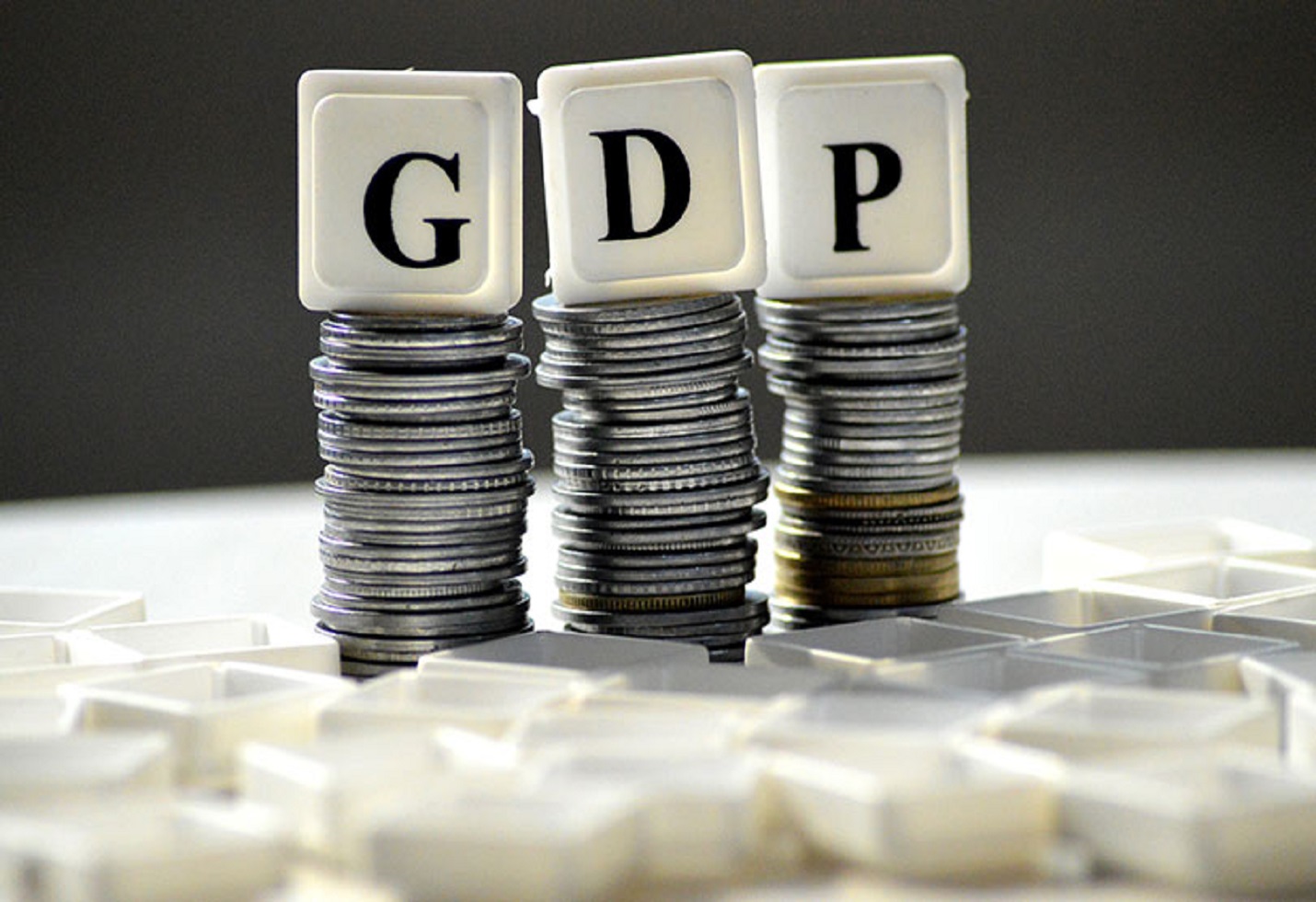
The image added is for representation purposes only


LEAVE A COMMENT
You must be logged in to post a comment.