Menu

Business

Fenesta Invests in DNV Global to Strengthen Industry Hold

Fenesta Invests in DNV Global to Strengthen Industry Hold

Fenesta Invests in DNV Global to Strengthen Industry Hold


Strategic Acquisition Enhances Fenesta’s Market Presence and Product Portfolio

Fenesta has acquired a controlling 53% interest in DNV Global for ₹244 crore, a strategic move aimed at scaling up its manufacturing capabilities and expanding its presence in the fenestration market. This investment is designed to streamline operations, enhance product offerings, and unlock new opportunities for growth in both domestic and international markets.

Fenesta Acquires 53% Stake in DNV Global for ₹244 Crore

Fenesta, a leading Indian brand specializing in uPVC windows and doors, has announced the acquisition of a 53% stake in DNV Global, a company engaged in the manufacturing of uPVC profiles. The deal, valued at ₹244 crore, marks a significant step in Fenesta’s expansion strategy.

Strategic Rationale Behind the Acquisition

The acquisition is poised to enhance Fenesta’s production capabilities and supply chain efficiency. By integrating DNV Global’s manufacturing expertise, Fenesta aims to streamline its operations and ensure consistent product quality. This move is expected to fortify Fenesta’s position in the competitive fenestration market.

Implications for Fenesta’s Market Position

With this acquisition, Fenesta is set to expand its footprint in the fenestration industry. The increased production capacity and improved supply chain logistics will enable Fenesta to meet the growing demand for high-quality uPVC windows and doors. This strategic alignment is anticipated to drive growth and innovation within the company.

Future Outlook and Growth Prospects

Looking ahead, Fenesta plans to leverage the synergies from this acquisition to explore new market opportunities. The company is committed to enhancing its product offerings and expanding its reach both domestically and internationally. With a strengthened operational framework, Fenesta is well-positioned to capitalize on emerging trends in the fenestration industry.

Conclusion

Fenesta’s acquisition of a 53% stake in DNV Global for ₹244 crore underscores its commitment to growth and innovation. This strategic move is expected to bolster Fenesta’s market presence and pave the way for future expansion in the fenestration sector.


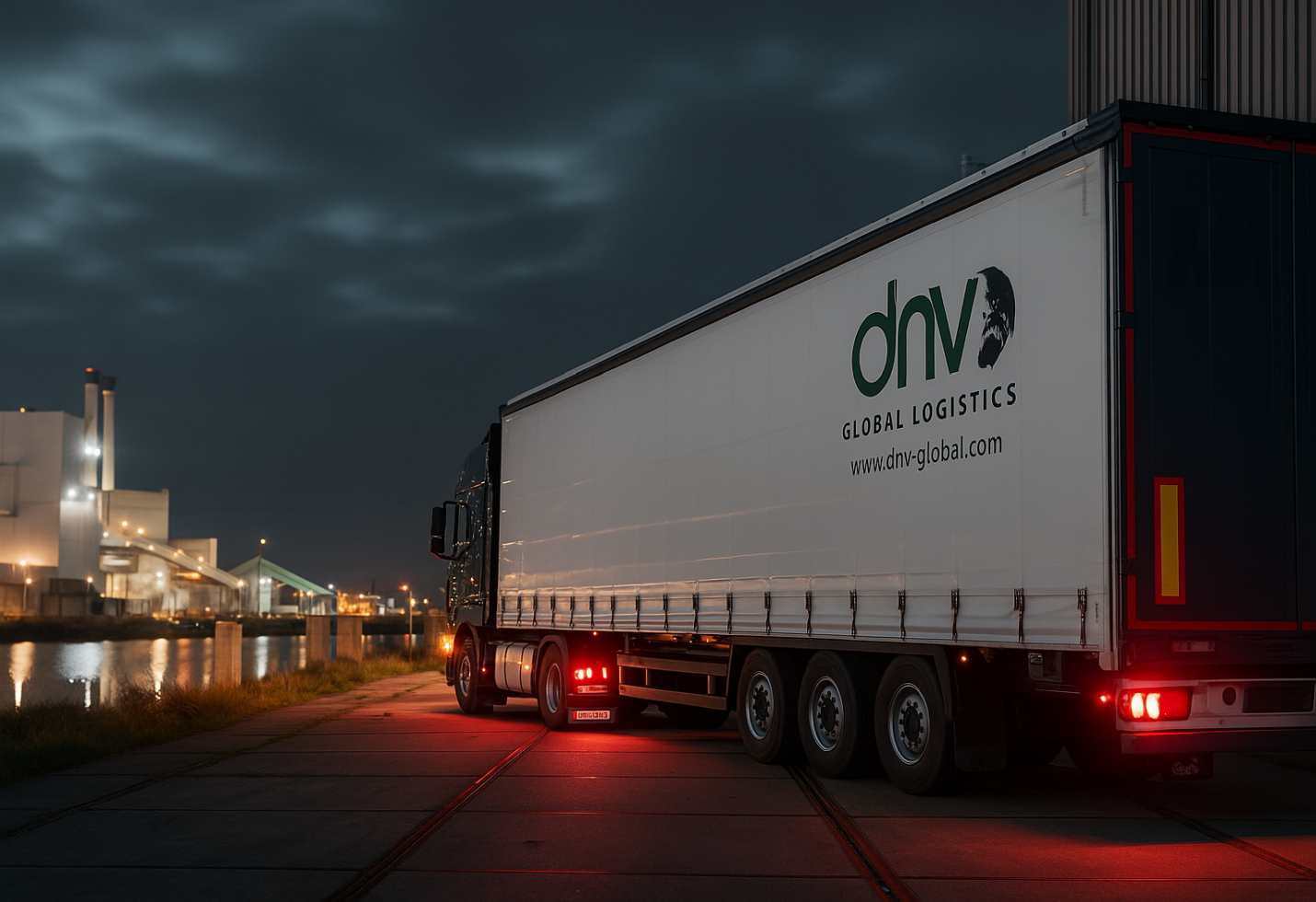
The image added is for representation purposes only

Lower Crude Prices and Strong Refining Margins Set to Boost OMCs’ Q1FY26 Earnings

Adani Power to Build 2,400-MW Thermal Plant in Bihar

Adani Wind Sets Ambitious 2.5 GW Target, Eyes Global Expansion

Adani Wind Sets Ambitious 2.5 GW Target, Eyes Global Expansion


Adani Wind aims for 2.5 GW capacity this fiscal, with plans to export turbines and establish a research center in Germany to tap European markets.

Adani Wind Charts Aggressive Growth Path

The wind energy division of Adani New Industries Ltd (ANIL), known as Adani Wind, has articulated a bold plan to elevate its manufacturing capability to 2.5 GW during the present fiscal period. Out of this targeted capacity, 1.5 GW is earmarked for internal deployment by Adani Green Energy Ltd, a group company focused on clean energy projects. The remaining 1 GW will cater to the requirements of other domestic renewable energy developers, marking Adani Wind’s foray into broader industry collaboration. This initiative reflects the company’s focused strategy to strengthen India’s wind power ecosystem and meet the rising demand for green energy solutions across the country. Furthermore, the move signifies Adani Wind’s intent to establish itself not only as a domestic powerhouse but also as a formidable player on the global wind energy stage. By increasing its production output and supporting both in-house and third-party projects, Adani Wind is positioning itself to contribute meaningfully to India’s clean energy transition while simultaneously eyeing long-term international opportunities.

Strengthening Domestic Manufacturing Capabilities

In the preceding annual cycle, Adani Wind achieved a considerable expansion of its energy creation potential, moving from a projected 1.5 GW to an impressive 2.25 GW in output. This expansion is a strategic response to the growing momentum in India’s renewable energy sector and directly supports the nation’s ambitious clean energy objectives. The growth in Adani Wind’s production aligns with India’s significant increase in wind energy adoption; approximately 3.4 GW of new wind power was added in 2024, marking a 21% rise over the previous year.

This upward trend highlights the country’s commitment to reducing carbon emissions and transitioning to sustainable power sources. With its expanded manufacturing strength, Adani Wind is well-positioned to play a pivotal role in this transition. The corporation’s expansion perfectly harmonizes with India’s nationwide objective of achieving a 100 GW wind energy potential by the decade’s conclusion. By increasing its contribution to the sector, Adani Wind not only strengthens its own market presence but also becomes an essential partner in India’s journey toward a cleaner, greener energy future.

Venturing into International Markets

Acknowledging the vast opportunities in the international renewable energy landscape, Adani Wind has taken a decisive step toward global expansion by setting up a specialized research and development center in Rostock, Germany. This strategic move is designed to strengthen the company’s presence in the European wind energy market, which is rapidly evolving and showing strong demand for advanced wind power technologies. As part of this initiative, Adani Wind successfully acquired Windnovation, a German company that had been facing financial challenges. Rather than dismantling the entity, Adani absorbed its skilled workforce and integrated them into its innovation ecosystem to drive forward its R&D capabilities.

The establishment of this center not only enhances Adani Wind’s technological edge but also positions it to contribute meaningfully to Europe’s growing focus on clean energy transformation. A particular area of emphasis is the repowering of older wind farms—upgrading or replacing aging turbines with newer, more efficient models. With many European countries looking to modernize their wind infrastructure to meet ambitious climate targets, Adani Wind’s efforts in Rostock are expected to provide cutting-edge solutions tailored to this evolving need. This venture also reinforces the company’s vision of becoming a globally competitive wind energy solutions provider while fostering innovation through international collaboration.

Financial Performance and Investments

During the final quarter of the fiscal year, Adani Enterprises recorded earnings before interest, taxes, depreciation, and amortization (EBITDA) of ₹2.74 billion from its wind turbine division, demonstrating the financial viability of its sustainable energy endeavors. Over the past five years, the company has invested up to ₹2,000 crore to establish a 5 GW capacity, reinforcing its commitment to sustainable energy solutions.

Aligning with National Renewable Energy Goals

The Indian green energy domain experienced substantial expansion in the year 2024, incorporating 24.5 GW of solar power and 3.4 GW of wind power generation. Adani Wind’s growth trajectory harmonizes with the country’s aim to achieve 500 GW of renewable energy capability by the year 2030. The company’s efforts contribute to reducing reliance on fossil fuels and promoting a sustainable energy future.

Conclusion: Pioneering Sustainable Energy Solutions

Adani Wind’s ambitious plans to scale up production capacity and penetrate international markets underscore its role as a frontrunner in the renewable energy sector. By enhancing domestic manufacturing capabilities and investing in global research initiatives, the company is well-positioned to contribute to India’s clean energy goals and establish a significant presence in the global wind energy market.


The image added is for representation purposes only

R Systems International’s 600% Interim Dividend: A Big Win for Shareholders

BOE Lowers Interest Rates to 4.25% as U.S. Tariffs Weigh on Economy

BOE Lowers Interest Rates to 4.25% as U.S. Tariffs Weigh on Economy

BOE Lowers Interest Rates to 4.25% as U.S. Tariffs Weigh on Economy


In response to the economic fallout from U.S. tariffs and global uncertainties, the Bank of England reduces rates to boost the UK economy.

Introduction

In a surprising move, the Bank of England (BoE) has lowered its key interest rate to 4.25%, signaling its readiness to adjust monetary policy in response to growing economic pressures. This decision, made in May 2025, comes amid rising concerns about the economic impact of U.S. tariffs, which are predicted to strain both domestic growth and international trade relations.
This rate cut represents a significant shift in the central bank’s policy stance, as it seeks to mitigate the impact of external economic factors, including global trade disputes, on the UK economy. While the decision was not unanimous, it underscores the BoE’s commitment to supporting growth during a time of heightened economic uncertainty.

Economic Pressures from U.S. Tariffs

The primary factor influencing the Bank of England’s decision to lower interest rates is the ongoing trade tensions between the U.S. and several countries, including the UK. U.S. tariffs, particularly those imposed on steel, aluminum, and automotive goods, have had a ripple effect across global markets, increasing costs for businesses and disrupting supply chains.
The effects of these tariffs are anticipated to be especially significant for sectors dependent on international commerce and imported goods. British enterprises, in particular, are grappling with escalating manufacturing expenses, which are ultimately being transferred to consumers through increased prices. This, in turn, is contributing to inflationary pressures in the UK, complicating the central bank’s efforts to stabilize the economy.
The BoE’s rate cut is aimed at alleviating some of the economic strain, encouraging borrowing and investment in sectors most affected by the tariffs. Reducing interest rates typically lowers the cost of borrowing, which can encourage business investment and consumer spending, helping to counterbalance some of the adverse impacts of the tariffs.

Diverging Opinions Among Policymakers

The interest rate cut did not receive unanimous support, as the Bank of England’s Monetary Policy Committee (MPC) was split—some members pushed for a deeper reduction to boost economic activity, while others preferred a more restrained strategy.
In the end, a 5-4 vote resulted in the 4.25% rate, marking a significant divergence of opinions within the committee.
The division within the MPC highlights contrasting perspectives on the most effective way to steer the economy amid external pressures.
Some members argue that a more aggressive stance is needed to buffer the UK against global economic headwinds, while others are concerned about the potential long-term Consequences of a swift rate cut, including rising inflation and the potential for asset bubbles.

Managing Inflation and Economic Growth

The BoE’s rate cut is part of its broader effort to balance two critical economic goals: managing inflation while encouraging growth. Inflation in the UK has been persistently high, driven in part by increased energy costs and global supply chain disruptions. However, with growth slowing and economic activity showing signs of stagnation, the central bank has had to make difficult decisions.
The BoE’s decision is a clear attempt to address these competing pressures by making borrowing more affordable, thus supporting economic activity in sectors that are underperforming. However, economists are divided on whether this will be enough to offset the negative effects of tariffs and global uncertainty, particularly with inflation remaining a key concern.

The Outlook for the UK Economy

Despite the interest rate cut, the UK economy remains under significant strain. Ongoing trade disputes, especially the repercussions of U.S. tariffs, are likely to continue creating difficulties for companies and consumers alike. The Bank of England’s ability to stimulate growth through monetary policy alone is limited, especially as the broader global economy faces uncertainty.
The outlook for the UK economy will depend heavily on how external factors, such as tariffs, evolve in the coming months. If the U.S. tariffs remain in place or escalate further, the UK could face continued pressure on its trade relationships, further limiting its economic growth potential.
However, the rate cut could provide some relief in the short term, particularly for industries facing higher borrowing costs and reduced investment. As the BoE continues to monitor the situation, future rate adjustments may be necessary to address ongoing challenges.

Conclusion

The Bank of England’s decision to cut interest rates to 4.25% in May 2025 marks a significant response to global economic challenges, including the negative impact of U.S. tariffs on the UK economy. While the decision was not unanimous, it highlights the central bank’s commitment to supporting economic stability through proactive monetary policy. As the UK navigates this period of uncertainty, the BoE will likely continue to adjust its policies to ensure long-term growth and manage inflation pressures.
In the face of global trade tensions and inflation concerns, the UK’s economic trajectory will depend on both domestic policy decisions and international developments, with the BoE’s rate cut serving as an essential instrument for maintaining this fragile equilibrium.


The image added is for representation purposes only

Golden Quarter: Kalyan Jewellers Shines with 36% Profit Jump, ₹1.5 Dividend Sparkle

Disney Set to Absorb $300 Million Loss After India JV Overhaul with Reliance

Disney Set to Absorb $300 Million Loss After India JV Overhaul with Reliance

Disney Set to Absorb $300 Million Loss After India JV Overhaul with Reliance


 A massive strategic merger with Reliance reshapes Disney’s India presence, triggering accounting changes and a $300 million equity loss projection for FY25.

Disney Foresees ₹25 Billion Equity Reduction in FY25 Due to India Media Alliance.

The Walt Disney Company has flagged a substantial financial setback in its fiscal year 2025 outlook, projecting a $300 million equity loss due to the restructuring of its operations in India. This loss is largely attributed to purchase accounting amortization, following the merger of Disney’s Indian media assets with those of Reliance Industries Limited.

The consequential agreement, finalized in the eleventh month of 2024, orchestrated the unification of Disney’s recreational and athletic televised properties—encompassing the digital streaming service Disney+ Hotstar—with Reliance’s substantial collection of broadcast networks, all operating under the established Star banner. This newly established collaborative enterprise vests a majority ownership stake of fifty-six percent with Reliance, while Disney retains thirty-seven percent, and the residual seven percent is held by an unaffiliated investment entity.

Accounting Shift Leads to Steep Drop in International Profits

A key outcome of this joint venture has been a significant change in the way Disney now reports financials related to Star India. Previously, Star India’s performance was fully consolidated within Disney’s global accounts. Post-merger, however, Disney reports its 37% stake as “Equity in the income of investees.”

This shift in reporting has led to a dramatic contraction in Disney’s international operating income for the second quarter of FY25. The figure plunged 84% year-over-year, falling from $92 million to just $15 million. This decline is directly tied to the exclusion of Star India’s earnings, which are no longer consolidated within Disney’s core results.

Second Quarter Performance: Growth Despite Regional Drag

Notwithstanding the unfavorable circumstances originating from its Indian operations, Disney registered a commendable seven percent expansion in its aggregate earnings for the fiscal period concluding on the twenty-ninth of March in the year 2025, culminating in a total of twenty-three point six billion United States dollars. This uptick was propelled by strong performances in its entertainment and theme parks segments.

The entertainment division alone delivered $1.3 billion in operating income—a $500 million increase compared to the same quarter the previous year. The organization further observed a slight upward trend in its traditional broadcast channels division, evidenced by a two percent expansion when juxtaposed with the equivalent period of the prior year. However, this figure included $89 million in income from Star India in Q2 FY24, a contribution that is absent this year.

Meanwhile, the company’s direct-to-consumer streaming platforms like Disney+ and Hulu saw gains in subscription revenues, thanks to pricing revisions and subscriber expansion. That said, this was partially offset by the removal of Star India’s streaming revenues and challenges posed by unfavorable currency exchange movements.

Regarding asset write-downs, Disney documented expenses totaling one hundred and nine million United States dollars linked to its media content during the reported fiscal quarter. This figure appears modest when contrasted with the $2.05 billion in goodwill impairments booked during the same period last year, which were largely linked to Star India’s linear networks.

Equity income from Disney’s various investments also declined significantly—from $141 million a year ago to $36 million this quarter—largely as a consequence of losses incurred by the India joint venture.

Strategic Rationale Behind the Reliance Partnership

This high-stakes alliance between Disney and Reliance merges some of the most influential television and digital platforms in India. The deal brings together Reliance’s Viacom18—home to channels like Colors and Sports18—and Disney’s Star network, which includes popular channels such as Star Plus, Star Gold, and Star Sports.

On the streaming side, the collaboration unifies Disney+ Hotstar with Reliance’s JioCinema, forming a digital media powerhouse that now reaches an estimated 750 million viewers across the country. This massive footprint gives the merged entity a decisive edge in the highly competitive Indian streaming market.

Analysts observe that the combined platform boasts significantly more viewing hours and total paid subscribers—around 250 million—compared to rivals like Netflix and Amazon Prime Video, each of which has roughly 12 million subscribers in India. The joint venture is also rumored to be exploring acquisitions of smaller, regional content providers, particularly those offering programming in regional languages, to deepen market penetration and strengthen niche appeal.

Conclusion: Strategic Realignment Comes with Short-Term Costs

The projected three hundred million dollar diminution in Disney’s equity holdings for the fiscal year 2025 underscores the considerable financial recording adjustments and functional reorganizations necessitated by its revised strategic approach within the Indian market. While the financial hit is notable, it reflects a calculated move to position itself for long-term growth in one of the world’s fastest-expanding media markets.

The partnership with Reliance offers Disney scale, deeper market reach, and the potential to dominate the streaming and broadcast landscapes in India. However, it also introduces new layers of complexity in terms of financial reporting, content integration, and competitive strategy. As the joint venture continues to take shape, Disney will need to skillfully manage these transitions to unlock the full potential of this high-stakes collaboration.


The image added is for representation purposes only

Voltas Q4 FY25: Profit More Than Doubles to ₹241 Crore, Dividend Declared

Skechers Sold for $9 Billion to 3G Capital Amid Global Trade Tensions

Skechers Sold for $9 Billion to 3G Capital Amid Global Trade Tensions

Skechers Sold for $9 Billion to 3G Capital Amid Global Trade Tensions


 In a significant move that shakes up the footwear industry, Skechers USA Inc., the global shoemaker, has agreed to be acquired by private equity firm 3G Capital for $9 billion, marking the end of its run as a publicly traded company. The deal, announced on May 5, 2025, comes at a time of economic uncertainty as the U.S.-China trade tensions continue to impact global businesses, particularly those in the manufacturing and retail sectors.

A Deal That Shakes the Footwear Industry

The acquisition, which values Skechers at $63 per share, marks a 36% premium over the company’s stock price before the deal was announced. This strategic move has garnered attention from industry insiders, analysts, and investors alike, signaling a change in how major global brands are navigating an increasingly uncertain global trade environment.
3G Capital, which is known for its aggressive investment strategies in large corporations, will now take Skechers private. The transaction is anticipated to be finalized in the latter half of 2025, subject to regulatory approval.
This acquisition comes as Skechers has been facing significant pressure due to rising tariffs on Chinese-made goods and challenges with global supply chains disrupted by the ongoing trade war.

Skechers’ Decision to Go Private Amid Trade War Pressures

For Skechers, the decision to sell itself and transition into private ownership reflects a broader trend among publicly traded companies seeking greater flexibility in times of geopolitical instability. With the trade war between the U.S. and China threatening margins, Skechers, like many other manufacturers, has been forced to confront the increasing costs of doing business internationally.
According to analysts, the trade war and its aftermath have contributed to rising tariffs on footwear imports from China, a key production hub for Skechers. In addition to these trade uncertainties, Skechers has faced disruptions in its global supply chain, particularly with transportation bottlenecks, increased raw material costs, and labor shortages in critical markets.
Moreover, Skechers has significant exposure to international markets. About 60% of its revenue comes from outside the United States, including key regions like Europe, Asia, and Latin America, where trade policies and local regulations are becoming increasingly unpredictable.

3G Capital’s Strategic Move

3G Capital’s purchase of Skechers highlights its expanding focus on the footwear and apparel market. 3G Capital, which has a reputation for buying undervalued companies, cutting costs, and restructuring operations, has made similar acquisitions in the past, including its buyouts of Burger King and Kraft Heinz.
As a private company, Skechers will likely benefit from 3G Capital’s expertise in operational efficiencies, which could help the company navigate the pressures of an increasingly competitive retail environment. Analysts believe that this private ownership will provide Skechers with more flexibility to invest in growth areas like e-commerce and international expansion without the constant scrutiny of public markets.

Stock Market Reaction and Investor Sentiment

Following the announcement of the acquisition, Skechers’ stock surged by more than 30%, reflecting investor approval of the deal and its favorable terms. Market analysts have noted that this acquisition could set a precedent for other global brands that are looking to go private amid ongoing trade disruptions and market volatility.
“This move signals a growing trend of companies opting for private ownership to avoid the volatility of public markets, especially when faced with such global risks,” said Daniel Clark, an analyst at Global Equities Research. “Skechers has made a strategic decision to focus on long-term growth rather than quarterly earnings pressure, which could prove invaluable in navigating the complexities of global trade.”

What This Means for Skechers and Its Employees

For Skechers, this acquisition marks a new chapter in its history. As a private company, it will no longer be subject to the same level of public disclosure, which could allow the company to make bold, long-term investments without immediate concerns over investor sentiment.
Employees at Skechers, many of whom are based in the U.S., might also see benefits in the form of more stability as the company restructures its operations under 3G Capital’s ownership. However, it remains to be seen whether the aggressive cost-cutting measures typically associated with 3G Capital will impact the workforce or the company’s global production strategies.

Conclusion: A New Era for Skechers

Skechers’ decision to sell for $9 billion and go private is a strategic response to the complexities of the ongoing U.S.-China trade war and the volatile economic environment. While the trade war has created challenges for many businesses, Skechers’ sale signals an opportunity for the company to retool its operations and chart a new path forward.
This development may also indicate a change in how major, well-established brands handle global risk in the face of rising trade tensions and ongoing supply chain challenges. Skechers’ shift to private ownership reflects a larger movement among companies aiming for greater stability and operational freedom, free from the pressures of public investors.
Now under the umbrella of 3G Capital’s expansive portfolio, Skechers could strengthen its position and enhance its ability to navigate today’s volatile global market landscape.


The image added is for representation purposes only

Defense Stocks Surge as India-Pakistan Tensions Rise

Amul Expands into Organic Products with Ambitious Revenue Goals

Amul Expands into Organic Products with Ambitious Revenue Goals

Amul Expands into Organic Products with Ambitious Revenue Goals


Amul, the iconic Indian dairy cooperative, is stepping up its game by diversifying its product offerings beyond dairy. In an effort to strengthen its position in the fast-moving consumer goods (FMCG) market, Amul has ventured into organic tea, sugar, jaggery, and spices. This move is part of the company’s broader strategy to expand its revenue streams and compete with other FMCG giants in India. Aiming for a turnover of ₹1 lakh crore by FY26, Amul is actively expanding its portfolio to include offerings beyond its traditional dairy products.

Strategic Expansion into Organic Products

Amul’s decision to enter the organic market comes at a time when consumers are becoming increasingly health-conscious and preferring natural, chemical-free products. Organic food products have gained substantial popularity over the past few years, with a significant rise in demand for alternatives like organic tea, sugar, jaggery, and spices. To tap into this growing trend, Amul is not just introducing products under the organic label but ensuring that they meet the highest standards of quality and sustainability.

The company has already begun rolling out certified organic products, including organic tea, sugar, jaggery, and spices. These products are sourced from farms that follow organic cultivation practices, ensuring that they are free from harmful chemicals and pesticides. By emphasizing sustainability and quality, Amul is appealing to a niche yet expanding market of health-conscious consumers looking for organic food options. This expansion aligns with the company’s broader strategy of becoming a comprehensive FMCG brand.

Setting Revenue Goals: ₹1 Lakh Crore by FY26

Along with its expansion into organic products, Amul has set a bold revenue goal of ₹1 lakh crore by FY26.This goal highlights the company’s determination to accelerate its growth trajectory and diversify into new segments. In the fiscal year 2024–2025, Amul recorded an impressive revenue of ₹66,000 crore, marking a significant growth that placed it ahead of several multinational competitors in India.

Amul’s revenue growth has been driven by the continued success of its dairy products, such as milk, butter, cheese, and ice cream, which are staples in Indian households. However, with its growing presence in the FMCG space, the company now aims to boost its turnover by tapping into more product categories, such as organic food products, health drinks, and snacks. As India’s middle class continues to grow, there is increasing demand for premium and diversified food options, which is exactly what Amul aims to address.

Diversification Beyond Dairy: Broadening Product Categories

While Amul’s dairy business remains its core, the company is strategically expanding into other categories. Ice cream, for instance, is one of the key non-dairy segments where Amul is seeing rapid growth. The company is forecasting a 35–40% growth in its ice cream business this year alone. To meet this rising demand, Amul is expanding its ice cream production capacity and increasing distribution reach.

Amul is set to scale up protein beverage production with a fivefold capacity boost through major investments. These efforts are indicative of Amul’s intention to capture a broader audience and cater to evolving consumer preferences, particularly as health-conscious choices gain popularity.

Global Expansion Plans: Aiming for International Reach

As Amul looks to build its brand further, it has set its sights on global expansion. The company is already present in international markets, including the United States, but its growth ambitions extend beyond these borders. The next phase of Amul’s global strategy involves expanding its footprint in the Middle East, South Asia, and Africa, where there is a rising demand for Indian food products.

The company’s international expansion will not only help to increase its market share globally but also position Amul as a leading FMCG player in various regions. Amul’s diverse product portfolio and strong brand recognition, especially within the Indian diaspora, give it a unique advantage in tapping into these growing markets.

Competitive Pricing Amidst Inflationary Pressures

One of the factors that have helped Amul maintain its leadership position in the Indian market is its ability to absorb the pressures of rising input costs. While other companies have raised prices in response to inflation, Amul has been able to keep its milk prices stable. The company’s approach is driven by its commitment to affordability and consumer trust. By not passing on increased costs to consumers, Amul has solidified its relationship with its large customer base.

This pricing strategy is essential in maintaining Amul’s competitive edge, especially in the face of growing competition from both local and international FMCG players. Thanks to its robust brand loyalty and dedication to providing high-quality products at affordable prices, Amul is well-equipped to maintain and grow its customer base, even amidst economic difficulties.

Conclusion: The Future of Amul

Amul’s venture into organic products and its ₹1 lakh crore FY26 goal highlight a transformative phase in its growth journey. As Amul continues to diversify its product portfolio, it is also preparing to capture an increasing share of the FMCG market. With strong growth prospects in both the domestic and international markets, Amul is well on its way to becoming a global FMCG powerhouse.

The company’s strategic focus on organic products, coupled with its strong financial position and market credibility, makes it a formidable player in the FMCG sector. As India’s consumer preferences continue to shift towards healthier and more sustainable food options, Amul’s timely entry into the organic market positions it as a leader in this segment. With its eyes set on global expansion and a broadening product range, Amul’s journey to achieving a ₹1 lakh crore turnover by FY26 seems increasingly achievable.


The image added is for representation purposes only

Maruti Suzuki Boosts Production for ICE and Electric Vehicles

Rupee Surge and the RBI Hold: What It Means for Indian Investors

Rupee Surges to 7-Month High at 83.78/USD Amid Strong Inflows, Trade Optimism

Rupee Surges to 7-Month High at 83.78/USD Amid Strong Inflows, Trade Optimism


India has attracted over $2.5 billion in foreign investments in the last ten days of April 2025, driven by strong economic fundamentals, political stability, and attractive stock valuations. These inflows have significantly boosted demand for the rupee, helping it reach its highest level since October 2024.

Strong Inflows Fuel Currency Rise

India’s financial markets have seen a wave of foreign investments over the past week. The inflows, primarily into equities and debt markets, have been driven by confidence in India’s economic fundamentals, political stability ahead of national elections, and relatively attractive valuations in Indian stocks compared to other emerging markets.
According to data cited in Reuters, overseas investors pumped in over $2.5 billion in the last ten days of April alone.

Equity Markets at Record Highs

India’s benchmark indices—Nifty 50 and BSE Sensex—have both notched record highs recently, reflecting investor optimism. The Nifty breached the 23,000 mark while the Sensex crossed 76,500, with strong performances in banking, IT, and infrastructure stocks.
The equity rally has further encouraged foreign portfolio investors (FPIs), who are betting on continued economic expansion and resilience despite global uncertainties. This, in turn, has led to increased demand for the rupee, strengthening its position in the forex markets.

Trade Deal Sentiment Adds Momentum

Market sentiment has been further strengthened by revived talks regarding possible trade agreements between India and the U.S., as well as between India and the U.K.
Although still in preliminary stages, such developments have prompted hopes of enhanced exports and greater economic integration, both of which would positively impact the rupee.
Additionally, the Chinese yuan’s sharp rebound on speculation of renewed U.S.–China trade talks has lifted sentiment across Asian currencies. The rupee, as part of this broader emerging market rally, has benefited from the risk-on mood among investors.

RBI’s Policy Stance: Caution Ahead

Despite the currency’s recent strength, the Reserve Bank of India (RBI) is likely to maintain a cautious stance. The central bank has historically intervened in the forex market to prevent excessive volatility and maintain export competitiveness.
In fact, some traders expect the RBI to resume dollar-buying interventions if the rupee appreciates further. Analysts quoted by Reuters noted that the RBI may not be comfortable with a rapid rise in the rupee, as it could hurt India’s export sector at a time when global demand is still uneven.
Moreover, the RBI’s recent announcement of a mega bond buyback program has led to easing bond yields, suggesting the central bank is looking to manage liquidity without signaling an aggressive policy pivot.

U.S. Fed Outlook Remains a Key Variable

Globally, attention remains on the U.S. Federal Reserve’s next policy move. While the Fed held rates steady in its latest meeting, it signaled a slightly less hawkish tone, prompting risk appetite in emerging markets. The U.S. dollar index has weakened slightly, providing further room for the rupee to appreciate.
However, any signs of persistent inflation in the U.S. or a reversal in Fed sentiment could quickly alter the direction of capital flows, affecting the rupee’s outlook.

Analysts Shift from Bearish to Neutral

In a notable shift, several currency strategists have moved away from a bearish view on the rupee. After months of depreciation fears due to oil prices and global uncertainty, the current rally has prompted many to revise their short-term forecasts.
A currency expert quoted by Reuters stated, “Barring any significant external disruptions, the rupee may approach the 83.50 mark in the next few weeks.” They added, “We are closely monitoring the RBI’s response. If there is no intervention, it would suggest the central bank is comfortable with a stronger rupee.”

Conclusion: Rally May Sustain with Volatility Ahead

The recent rise of the Indian rupee represents a notable change in market sentiment, fueled by a combination of domestic and international influences.
While sustained foreign inflows, trade optimism, and market momentum could keep the rupee buoyant in the near term, external variables like U.S. monetary policy and RBI intervention remain critical.
Investors and businesses should stay alert to policy signals and global developments, as volatility could return swiftly. For now, the rupee’s rise offers a window of strength for importers and a reflection of India’s growing appeal to international investors.


The image added is for representation purposes only

Sudarshan Pharma Soars 325% in 5 Years

Starbucks Unveils First 3D-Printed Café: A Glimpse into Future Construction

Starbucks Unveils First 3D-Printed Café: A Glimpse into Future Construction

Starbucks Unveils First 3D-Printed Café: A Glimpse into Future Construction

 The recently unveiled Starbucks outlet in Texas, fabricated through additive construction methods, holds the potential to fundamentally reshape the landscape of commercial infrastructure development, presenting accelerated, more economical, and environmentally conscious building alternatives for forthcoming projects.

Preamble: Starbucks Pioneers Additive Manufacturing in Retail Space Development

Within the United States, specifically in Brownsville, Texas, the global coffeehouse chain Starbucks has inaugurated its inaugural commercial establishment constructed utilizing three-dimensional printing technology, marking a truly innovative step in their expansion strategy. This innovative outlet, which opened on May 2, 2025, is designed to offer a more efficient and sustainable way of building stores. With a focus on drive-thru and mobile order pickups, this 1,400-square-foot location is not just a store but a glimpse into the future of construction in business.

Revolutionizing Construction: How It’s Built

The process of constructing this Starbucks location is nothing short of fascinating. Instead of traditional brick-and-mortar methods, the store was created layer by layer using 3D printing technology. A robotic arm, controlled by a computer, worked alongside human crews, carefully laying down lines of concrete in a precise and methodical manner, much like a printer applying ink to paper. The distinctive grooved exterior of the building serves as a visible testament to the layers of concrete stacked to form the structure.

Dr. Adeola Olubamiji, a technology expert and CEO of Pathfinder Consulting, explained to Today.com that this 3D-printing process uses a combination of semi-solid materials and polymers, which help bind each layer together. The technology creates a durable bond, similar to an adhesive, between the layers, resulting in a strong and stable structure.

Collaborating for Innovation: Starbucks Teams Up with Peri 3D Construction

Starbucks partnered with Peri 3D Construction, a German-based firm specializing in 3D printing technology, to bring this vision to life. Documentation from the Texas Department of Licensing and Regulation indicates that the anticipated financial outlay for the undertaking reached a figure of one million, one hundred and ninety-eight thousand United States dollars. However, as the technology evolves, the cost of 3D-printed buildings is expected to decrease, with economies of scale making this method more accessible in the future.

Addressing Construction Challenges with 3D Printing

Additive construction technology is increasingly demonstrating its efficacy as a potent solution for addressing significant impediments within the building sector, such as the scarcity of skilled personnel and the escalating expenses associated with raw materials. As traditional workers retire and material prices climb, this technology offers a faster, more affordable solution. Experts note that 3D printing systems are rapidly improving—becoming quicker, smaller, and easier to operate. With companies like Peri 3D Construction producing buildings up to 20 times faster than traditional methods, this innovation significantly shortens construction timelines while reducing dependence on costly labor and materials.

Cost-Effective and Sustainable Solutions

As businesses look for ways to cut costs, 3D printing in construction offers an appealing alternative to traditional building methods. Companies like Icon, a Texas-based 3D printing firm, have already demonstrated the cost benefits of this technology. Icon’s builds cost about 30% less than those constructed using traditional materials, according to CNBC. In Georgetown, Texas, Icon is also behind the construction of a neighborhood of 100 3D-printed homes.

In addition to reducing labor and material costs, 3D printing also helps minimize waste. By using exact amounts of materials, there’s little leftover to dispose of, making this a more eco-friendly solution. Moreover, the operational capabilities of additive construction technology extend to the utilization of reclaimed substances, a characteristic that can contribute to a more diminished ecological footprint.

The Future of Construction: Sustainability and Innovation

The use of 3D printing for construction is still in its early stages, but the Starbucks store in Brownsville is a clear indicator of where the industry is heading. McCoy believes that 3D printing will only continue to improve, becoming faster, more cost-effective, and more accessible to businesses of all sizes.

In terms of sustainability, while this Starbucks store is made with concrete, 3D printing can also use more environmentally friendly materials. Polymer composites, for instance, are stronger than concrete, lighter, and generate fewer carbon emissions. As consumer demand for greener practices grows, businesses will be increasingly motivated to adopt these technologies.

Looking Ahead: The Broader Impact of 3D Printing on Business and Construction

From the standpoint of Dr. Olubamiji, the increasing integration of additive manufacturing within the construction domain signifies a paradigm shift with the potential to fundamentally alter established sectoral standards. She anticipates widespread adoption within the next decade, especially among major brands like Starbucks. As more companies embrace this innovative approach, it could drive down costs and speed up expansion for smaller businesses. Starbucks’ move may set a trend, encouraging others to rethink traditional building methods and scale more efficiently.

Conclusion: A New Era in Construction and Business Expansion

The inauguration of Starbucks’ inaugural retail space in the United States constructed via additive manufacturing technology represents a noteworthy juncture in both commercial enterprise and the built environment. By harnessing the power of advanced printing technology, Starbucks is not only making its stores more efficient and cost-effective but also taking a major step toward more sustainable building practices. With the ongoing advancements in additive construction technologies, it is plausible to anticipate its increasing integration as a standard methodology in the creation of both domestic and commercial edifices.

Final Thoughts

This innovative move by Starbucks highlights the potential for 3D printing to transform how businesses approach construction. From faster timelines to cost reductions and more sustainable practices, the future of building is here.


The image added is for representation purposes only

Indian Blue-Chips Add ₹2.31 Lakh Cr Weekly

BEML Secures $6.23M Export Orders from Russia, Uzbekistan!

April Sees Indian Manufacturing at Highest Level Since June 2024, Bolstered by Exports and Recruitment

 April Sees Indian Manufacturing at Highest Level Since June 2024, Bolstered by Exports and Recruitment


Sustained global demand, strong consumer goods output, and accelerated job creation drive India’s factory activity to its highest level since June 2024.

Introduction

India’s manufacturing engine is gaining speed again. In April 2025, the country’s factory activity hit a 10-month high, buoyed by robust demand for exports, solid consumer goods production, and a renewed focus on employment. The manufacturing performance index by HSBC for India ticked up to 58.2 in April, compared to 58.1 in March, indicating persistent growth and optimism among firms.
This latest growth marks the most significant upswing since June 2024 and offers a strong indication that India’s industrial sector is positioned to remain a key pillar of economic growth in the coming quarters.

April PMI Signals Strong Sector Performance

April’s PMI stood at 58.2, comfortably exceeding the 50 threshold that differentiates economic growth from downturn. This performance reflects broad-based improvement across manufacturing, including rising output, increased new orders—especially from abroad—and growing employment.
According to HSBC’s monthly PMI survey, April witnessed one of the strongest increases in international sales in over a decade. International demand surged, marking the second most rapid rise in export bookings since March 2011, with notable interest from buyers in Asia, Europe, and the U.S.
This uptick in global orders has injected fresh momentum into India’s production lines, particularly in the consumer goods segment, which saw the sharpest acceleration among all categories.

Exports Fuel Manufacturing Growth

One of the primary drivers of this manufacturing boost has been the resurgence in export demand. Global economic stability and India’s competitive edge in cost-effective production have led to a surge in overseas orders. Many Indian manufacturers reported increased sales to foreign clients, noting that favorable pricing, quality standards, and quicker turnaround times enhanced their attractiveness in international markets.
This robust export activity not only helped boost order books but also gave firms confidence to invest in production upgrades and expand their capacity to meet the rising demand.

Hiring and Capacity Expansion on the Rise

A notable aspect of April’s manufacturing report is the significant momentum in employment. Businesses expanded their workforce at the quickest rate in almost two years, reflecting confidence in continued demand growth. Both permanent and contractual positions saw increases, with manufacturers citing the need to expand workforces to handle higher order volumes and longer production cycles.
This trend reflects a broader improvement in India’s labor market and suggests that the benefits of industrial expansion are beginning to ripple into the wider economy. Additionally, firms ramped up their input purchases and expanded their inventories to keep up with production needs.

Input Costs and Pricing Trends

While the sector experienced strong output growth, firms also faced some inflationary pressures. Input costs rose in April due to higher prices for raw materials such as metals and chemicals. However, most companies managed to pass these costs on to customers by raising selling prices at the fastest rate in over a year.
Despite these cost increases, business sentiment remained high, with many manufacturers expecting demand to stay strong throughout the year. Firms also reported better vendor performance and improved supply chain conditions, helping to smooth operations and avoid production bottlenecks.

Sectoral Performance: Consumer Goods Lead the Way

Among the various sub-sectors, the consumer goods industry stood out with the strongest growth. Stronger household consumption, festival-driven purchasing, and sustained export growth played key roles in lifting production output. Capital goods and intermediate goods also recorded steady improvements, reflecting balanced growth across industry verticals.
The sustained growth in consumer demand, both at home and abroad, highlights the sector’s resilience and its ability to capitalize on shifting market trends.

Conclusion: A Promising Outlook for Indian Manufacturing

April 2025 marked a turning point for India’s manufacturing sector, which surged ahead with its fastest growth rate in 10 months. Backed by strong global demand, rising consumer goods output, and encouraging employment trends, the sector is signaling durable economic health.
Looking ahead, manufacturers remain optimistic about business prospects over the next 12 months. As export demand continues and hiring gains traction, the sector is poised for steady expansion—further strengthening India’s post-pandemic economic rebound and reinforcing its role as a key global manufacturing hub.


The image added is for representation purposes only
Hazoor Multi Projects Surges 37,000% After Warrant Conversion

Alpex Solar Q1 FY26: Stellar Growth Pushes Company to New Peaks

Reliance Power to Invest ₹10,000 Crore in Solar!

 Reliance Power to Invest ₹10,000 Crore in Solar!


In a significant move towards green energy, Reliance Power has signed a power purchase agreement to provide 930 MW of solar energy along with 465 MW of battery storage, marking the biggest initiative in Asia aimed at combining solar energy with battery energy storage systems.

Summary:

Reliance NU Suntech, a part of Anil Ambani’s Reliance Power, has unveiled plans for a groundbreaking investment of ₹10,000 crore in a solar plus battery energy storage system (BESS) initiative. In partnership with SECI, the initiative will generate 930 MW of solar energy and 465 MW of battery storage, making it Asia’s largest project and vital for India’s renewable energy transition.

Anil Ambani’s Green Gambit: ₹10,000 Crore Bet on Solar-BESS

In what could mark a transformational chapter in India’s renewable energy journey, Anil Ambani-led Reliance Power Ltd is investing a massive ₹10,000 crore to develop Asia’s largest solar power project with integrated Battery Energy Storage System (BESS). The project is being executed by Reliance NU Suntech, a green energy arm of Reliance Power, in collaboration with Solar Energy Corporation of India (SECI).
A Power Purchase Agreement (PPA) has already been signed between Reliance NU Suntech and SECI for procuring 930 MW of solar power, coupled with a 465 MW battery storage capacity. This pioneering hybrid setup is a landmark step in India’s mission to build resilient, dispatchable, and green energy systems.

Project Overview: Merging Solar and Storage for Round-the-Clock Power

This groundbreaking solar-BESS initiative will become the largest of its type in Asia. It will feature a combined output of 930 MW of clean energy generation and a 465 MW battery energy storage system, effectively allowing solar power to be stored and distributed even during non-sunny hours.
Unlike traditional solar projects that suffer from intermittency, integrating battery storage enables grid stability, peak-hour dispatchability, and a reliable renewable energy supply. This makes the project a future-proof model for energy infrastructure in rapidly developing economies like India.
Reliance Power stated that the project aligns with the government’s “Energy Storage Obligation (ESO)” and “Renewable Purchase Obligation (RPO)” mandates, providing crucial balancing and backup capacity to the grid.

Strategic Importance: Decarbonizing Power Supply at Scale

India has pledged to meet 500 GW of non-fossil fuel-based capacity by 2030, and large-scale solar-BESS projects like this are essential to that mission. This project’s hybrid nature enhances grid resilience and helps reduce dependence on coal-based peak power.
SECI, the government’s nodal agency for renewable energy procurement, has aggressively pushed for solar-plus-storage projects to tackle renewable energy curtailment, improve efficiency, and ensure round-the-clock power.
By committing ₹10,000 crore, Reliance Power is fulfilling its net-zero aspirations and demonstrating its willingness to reinvent and reposition itself in the highly competitive clean energy domain dominated by giants like Adani Green and Tata Power Renewables.

Financing and Execution Timeline

Though detailed financing arrangements are yet to be disclosed, industry experts suggest a mix of debt and equity financing, possibly supported by green bonds or international climate funds.
The project is expected to be implemented in phases, with commercial operations likely to commence within the next 24–30 months. To maintain cost and performance efficiency, key components like lithium-ion battery systems, solar modules, and inverters may be sourced through Make in India initiatives and global suppliers.

Impact on India’s Clean Energy Ecosystem

This solar-BESS project will serve as a template for future renewable infrastructure in India, offering several benefits:
Grid Stability: BESS can discharge power during peak hours, preventing blackouts and load shedding.
Job Creation: Estimated to create thousands of direct and indirect employment opportunities across engineering, procurement, construction, and operations.
Carbon Reduction: A combined reduction of approximately 1.5 million tons of CO₂ per year, equivalent to planting over 25 million trees.
Technology Adoption: Accelerates India’s adoption of cutting-edge battery storage and smart grid technology.
Furthermore, Reliance Power’s foray into this segment could catalyze more private sector participation in hybrid renewable projects, potentially attracting FDI and climate finance.

Anil Ambani’s Strategic Repositioning

Once known for its aggressive expansion in coal-fired power plants and mega-infrastructure, Reliance Power has recently pivoted towards renewable energy, driven by market pressures and the global energy transition.
This ₹10,000 crore investment reflects a strategic shift in vision—from debt-laden legacy operations to high-growth, sustainable energy segments. While the company has faced considerable financial stress, this move could begin its resurgence, particularly if the project is executed efficiently and profitably.

Conclusion: A Defining Moment for India’s Energy Future

Reliance Power’s launch of Asia’s largest solar-BESS project is more than just a corporate announcement—it’s a significant milestone for India’s renewable energy landscape. With robust policy backing, market demand for clean power, and technological feasibility, this project can serve as a benchmark for integrated renewable energy development across emerging economies.
As the world pivots towards decarbonization, India’s leadership in solar-plus-storage could be the game-changer needed to bridge the energy security and sustainability divide—and Anil Ambani’s Reliance Power seems to be betting big on that future.


The image added is for representation purposes only

Boost: 200% Dividend Announced by City Union Bank