Menu

Business

IndusInd Bank Facing Investigation, Assessing the Impact on Shareholders

IndusInd Bank Facing Investigation, Assessing the Impact on Shareholders

IndusInd Bank Facing Investigation, Assessing the Impact on Shareholders

On 24-26 December 2025 the Serious Fraud Investigation Office, SFIO, opened a formal enquiry into IndusInd Bank after internal and external checks flagged accounting discrepancies in the bank’s derivatives and related disclosures, reportedly amounting to about ₹2,600 crore, which spooked markets and pushed the stock lower on the day.

*What Happened*
Regulators asked IndusInd Bank to provide documents related to an ongoing internal review that identified issues in parts of its derivatives portfolio, and the SFIO has now begun a probe, which is a step beyond company-level forensics. Media reports on 24-26 December 2025 said the discrepancies under review are in the order of ₹2,600 crore, and the bank confirmed receipt of an information request from SFIO. The announcement caused a one-day share reaction and renewed investor caution about the bank’s disclosures.

*IndusInd Bank’s Financial Position Before the Investigation*
To judge the potential impact it helps to know IndusInd’s recent financials. In Q2 FY26, reported in October 2025, the bank disclosed operating stresses with consolidated total income and profitability declining, and the quarter ending 30 September 2025 recorded a consolidated net loss of around ₹437 crore. The bank’s regulatory capital ratios were however comfortable at that time, with a reported *Total Capital Adequacy Ratio of 17.10% and Tier-1 at 15.88%* as on 30 September 2025. These ratios give some cushion, but headline profitability and the one-off items matter for markets.

*How the Market Reacted*
On 26 December 2025 the shares dipped, with intraday lows around ₹837-₹848, reflecting investor concern about potential earnings and reputational fallout, as well as the possibility of regulatory fines or provisions if the probe finds material problems. Even so, IndusInd traded well below its 52-week high of about ₹1,086 earlier in 2025, which means some downside was already priced in from earlier stresses. Market moves matter because they show how quickly confidence can change, and because bank funding costs and investor appetite are sensitive to reputational shocks.

*How Derivatives and Accounting Issues Can Impact Bank Stability*
Derivatives are used by banks to hedge or take positions in interest rates and currencies, but they can be complex to value and disclose properly. If accounting for certain trades was incorrect, it can affect reported income, reserves and contingent liabilities, which then alters profit measures and capital adequacy in practice, even if headline CRAR appears healthy on past filings. Beyond numbers, regulatory probes can reduce management bandwidth, delay strategic plans, and raise the prospect of governance or compliance remediation costs.

*Practical Implications for Investors*
1. Short-term volatility is likely because uncertainty about the probe’s scope and timing leads traders to price in risk, and banks typically see bigger intra-day moves on regulatory headlines.
2. Watch capital and provisions closely since any required restatement or additional provisioning would cut profits and may reduce common equity tier-1 capital, which affects dividend capacity and growth funding. The bank’s CRAR of 17.10% as of 30 September 2025 provides a buffer.
3. Funding and deposit flows matter because if confidence falls, marginal wholesale funding costs can rise and that compresses net interest margins.
4. Regulatory and legal outcomes are binary, meaning a clean outcome would remove the overhang and likely help the stock, while a negative finding could lead to fines, management changes, or stronger capital action.

*Investor Strategy and Portfolio Response*
If you hold the stock, consider reducing position size to limit exposure to headline risk, unless you have strong conviction in long-term recovery and governance fixes. If you are thinking of buying, it may be prudent to wait for clearer outcomes on the probe or for management and auditors to publish a reconciled set of numbers, so you can value the business on confirmed fundamentals rather than press speculation. For longer-term value investors, use the probe as a signal to reassess governance, risk controls and management accountability, not only price.

*Conclusion*
The SFIO probe into IndusInd Bank’s accounting and derivatives issues, first reported in late December 2025, is a material governance and financial event, and it rightly deserves investor attention. The bank had a capital buffer as of September 2025, but recent quarterly losses and the size of discrepancies under review mean outcomes could affect profits, capital and confidence. IIt’svital to watch official disclosures closely, follow audit and regulator updates, and manage exposure until the picture becomes clearer.


The image added is for representation purposes only

Railway Fare Hikes and What They Mean for IRCTC, IRFC, and RVNL Stocks

Chalet Hotels Q2 FY26: Revenue Nearly Doubles Year-on-Year and Profit Turns Positive After Last Year’s Loss

Chalet Hotels Q2 FY26: Revenue Nearly Doubles Year-on-Year and Profit Turns Positive After Last Year’s Loss

Chalet Hotels Q2 FY26: Revenue Nearly Doubles Year-on-Year and Profit Turns Positive After Last Year’s Loss

Chalet Hotels reported a powerful turnaround in the second quarter of FY26 (for the period ending September 30, 2025). The company saw a strong YoY gain in revenue and EBITDA, with profitability returning after a loss in the same quarter last year. Operational performance in hospitality and annuity businesses improved, margins expanded and the board declared the maiden interim dividend. The results reflect a recovery in travel demand and the benefits of scaling up room inventory and rental properties.

*Key Highlights*
* Revenue from Operations: ₹735.31 crore in Q2 FY26: +~95% YoY from ₹377.05 crore in Q2 FY25.
* Consolidated Net Profit (PAT): ₹154.84 crore in Q2 FY26: turned positive from -₹138.49 crore loss in Q2 FY25.
* Operating Profit (EBITDA): ₹299.23 crore in Q2 FY26: +~100% YoY.
* Operating (EBITDA) Margin: 40.69% in Q2 FY26, improved ~104 bps YoY.
* Interim Dividend Declared: ₹1 per equity share (face value ₹10).
* Room Inventory Growth: ~10% increase YoY.
* New Premium Brand Launched: Athiva Hotels & Resorts introduced.

*Revenue & Profit Analysis*
Chalet Hotels demonstrated a strong revenue rebound with nearly double the income compared with the same quarter last year. Total revenue reached ₹735.31 crore in Q2 FY26, up almost 95% YoY, mainly due to higher contributions from hotel operations and annuity businesses.
Profit also saw a dramatic shift: PAT was ₹154.84 crore, compared with a loss of ₹138.49 crore in Q2 FY25. This is a substantial YoY swing, indicating that not only did revenue improve, but the company also controlled costs and reaped the benefits of higher operational scale.
EBITDA nearly doubled, reaching ₹299.23 crore and the operating margin improved, showing that the company is capturing more profit from each rupee of revenue compared with a year ago.

*Segment & Operational Performance*
1. Hospitality Core Business: Chalet’s core hotel operations excluding residential project income, delivered solid growth. On a like-for-like basis:
* Core revenue: ₹460 crore, up ~20% YoY.
* EBITDA for core operations: ₹200 crore, up ~25% YoY.
* EBITDA margin: 43.4%, which is ~1.4 percentage points higher than last year.
This improvement reflects higher room utilisation, stronger room rates and better cost efficiency in managing hotel operations.
2. Room Inventory Growth: Room inventory expanded by about 10% YoY, aided by acquisitions and new hotel additions. This helped drive topline growth and indicates ongoing expansion of business scale.
3. Brand Expansion: The company launched Athiva Hotels & Resorts, a premium lifestyle brand focused on experiential travel, positioning Chalet to capture demand in higher-margin segments.

*Margins & Cost Efficiencies*
Margins improved across the board:
* Operating (EBITDA) margin: ~40.69%.
* Margin expansion reflects better ability to convert revenues into profits, an indication that fixed costs were spread over higher revenues and that operational efficiencies have improved.

*Balance Sheet & Shareholder Returns*
The board declared a maiden interim dividend of ₹1 per share, which is a positive sign that the company is returning value to shareholders as profitability stabilises. The quarter also saw growth in room inventory and progress on ongoing projects, suggesting that the company continues to invest in expanding its hotel footprint and asset base.

*Management Commentary & Outlook*
Management highlighted that the company delivered a strong and steady performance in Q2 FY26, despite challenges like fluctuating travel patterns and weather impacts. The launch of the ATHIVA Hotels & Resorts brand reflects a strategic move to build a premium, scalable hospitality brand. Expansion projects such as the Taj at Delhi Airport and the Varca Beachfront Resort in Goa are on track, supporting future revenue streams once completed.

*Valuation Standpoint*
Several points stand out in Q2 FY26 results:
1. Strong Turnaround: The swing from a net loss to a meaningful profit (~₹155 crore) in just one year shows significant improvement in business fundamentals.
2. Revenue Momentum: Almost doubling revenue YoY (95%) signals strong demand for the hospitality and annuity businesses and this momentum can support higher valuation multiples.
3. Margin Expansion: Improved operating margin reflects operational discipline, which is attractive to investors seeking quality earnings growth.
4. Brand & Growth Strategies: The launch of a new brand (Athiva Hotels & Resorts) and continued addition of room inventory underline the company’s drive to grow both in scale and market positioning.
Chalet Hotels can be viewed relative to peers such as Indian Hotels, Lemon Tree and EIH. These hotel companies typically trade in the range of mid-20s to high-30s on forward P/E and around 14–20× on EV/EBITDA, depending on their growth visibility and asset mix. Chalet’s sharp improvement in profitability, expanding EBITDA margin and increasing room inventory position it closer to the premium end of this range. While it may still trade at a slight discount to the largest players due to smaller scale, its strong Q2 FY26 recovery and pipeline of new properties suggest that the valuation gap could narrow over time as earnings stabilise and cash flows strengthen.

*Conclusion*
Chalet Hotels’ Q2 FY26 performance was strong and strategic. Revenue almost doubled YoY, EBITDA nearly doubled and the company swung from a loss to a healthy net profit, while margins expanded. The launch of a premium brand and a maiden dividend declaration are additional positives for shareholders. Overall, the quarter suggests that Chalet Hotels is emerging from the pandemic and macro slowdowns with stronger operational resilience and growth potential.


The image added is for representation purposes only

Shree Renuka Sugars Q2 FY26: Revenue Holds Up Seasonally, But Loss Widened Sharply as Costs Bite

Netflix vs Paramount in the Fight for Warner Bros- What Investors Need to Know

Netflix vs Paramount in the Fight for Warner Bros- What Investors Need to Know

Netflix vs Paramount in the Fight for Warner Bros- What Investors Need to Know

December 2025 has delivered one of the year’s most consequential media skirmishes: Netflix’s headline-grabbing agreement to acquire Warner Bros. from Warner Bros. Discovery (WBD) has been met with a hostile, higher-cash counteroffer led by Paramount Skydance. At stake is not only Hollywood’s creative crown jewels HBO, CNN, a vast film and TV library and major studio production capacity, but also the strategic architecture of global streaming, antitrust scrutiny and the capital structure of some of the industry’s largest players.

*The deal terms on the table*
Netflix announced a purchase that values Warner Bros. at roughly $72 billion of equity and an enterprise value near $82.7 billion, proposing $27.75 per WBD share comprised of cash and Netflix stock. Netflix’s plan, laid out in its December filing and release, would also see the acquirer assume existing WBD debt and materially increase leverage as part of the financing plan. Paramount Skydance responded with a dramatic, hostile $30 per share all cash tender that market reporting pegs at a substantially higher enterprise valuation (widely reported around $108 billion for the combined structure), and notably includes a syndicated financing package that draws on Gulf sovereign and institutional capital. Paramount’s bid has the virtue of cash certainty for shareholders, a factor that pushed WBD shares higher amid the duel.

*Financing, debt and balance-sheet implications*
The two offers take very different approaches to financing. Netflix’s plan uses a mix of cash and its own stock, and it would also take on about $11 billion of Warner Bros. Discovery’s existing debt. On top of that, reports suggest Netflix may need to borrow another $40–50 billion to complete the deal. Taking on this much extra debt would significantly change Netflix’s financial profile from a strong, growth-driven streaming leader to a heavily leveraged media giant with higher interest costs and tighter cash flow. Because of this, investors need to think carefully about what Netflix’s balance sheet would look like after the deal. Adding around $50 billion in new debt compared to Netflix’s current earnings would push its leverage ratios much higher and make its profits more vulnerable if advertising or subscriber growth slows. For context, Netflix was valued at roughly $400–425 billion in early December, with a trailing price-to-earnings ratio in the low 40s. That kind of premium valuation can be sensitive to rising financial risk, which is why the amount of new debt matters so much.

*Antitrust, politics and regulatory risk*
Beyond finance, the elephant in the room is regulatory scrutiny. Opponents argue a Netflix-Warner combination could concentrate content distribution and subscriber reach, some estimates suggest the merged firm could represent as much as 40%+ of global streaming viewing minutes in certain windows—triggering US and EU antitrust probes, Congressional commentary and even consumer-class litigation already reported in the wake of the bid. Paramount frames its all-cash deal as less likely to provoke competition concerns, and it is leaning into that narrative in letters to WBD shareholders. Political optics, particularly scrutiny of Gulf investors backing offers, may further complicate approvals and public sentiment.

*Strategic rationale and synergies: who wins if approval clears?*
Netflix argues the acquisition is transformative: large-scale intellectual property, production capacity and theatrical pipelines would accelerate content output and global reach, potentially permitting margin expansion through studio economics and distribution control. Paramount’s camp counters that a Paramount-led ownership preserves a more competitive landscape while still enabling scale and its cash offer removes execution and financing uncertainty. For shareholders, the calculus is now a tradeoff between price certainty (all cash) and combined upside plus stock consideration and that split explains why WBD’s board and many investors must weigh near-term cash versus longer-term value creation under different owners.

*Market reaction and investor playbook*
The market reacted very quickly to the takeover fight. Warner Bros. Discovery’s share price moved up toward the offer amounts, while Netflix and Paramount’s stocks became more volatile because investors were trying to judge which deal might actually go through and how risky the financing would be. For investors, the sensible approach now is to look at how each possible outcome would affect the companies’ future growth and debt levels, especially since Netflix may need to take on $40–50 billion of new debt while Paramount is offering pure cash. It’s also important to keep an eye on regulatory updates and political signals, because government approval will play a huge role in deciding which bid succeeds. At the same time, the rest of the industry could feel the effects: studios, advertising platforms and production-service companies may benefit from increased demand or higher pricing power, while older media distributors could face more pressure as the market becomes more concentrated. Creative content owners may also see their valuations rise if the sector continues to consolidate.

*Conclusion*
The fight between Netflix and Paramount for Warner Bros perfectly captures the bigger pattern shaping the media industry in 2025: companies are racing to become bigger and more powerful, but they’re running into political hurdles, strict regulators and complicated financing. This means taking the time to look at different possible outcomes using the actual December 2025 deal terms, keeping a close eye on how regulators respond and staying flexible enough to adjust their positions as the clarity around price, deal structure and approval chances changes. In the end, the winning bidder won’t just be the one offering the highest price, it will be the one that can actually get the deal approved and then manage to turn Warner Bros’ expensive content business into a consistent, profitable engine.


The image added is for representation purposes only

Bank of Baroda Q2 FY26: Strong Loan & Deposit Growth but Profit Softens on Lower Other Income

Bank of Baroda Q2 FY26: Strong Loan & Deposit Growth but Profit Softens on Lower Other Income

Bank of Baroda Q2 FY26: Strong Loan & Deposit Growth but Profit Softens on Lower Other Income

Bank of Baroda Q2 FY26: Strong Loan & Deposit Growth but Profit Softens on Lower Other Income

Bank of Baroda reported a healthy quarter with growth in loans and deposits that reflects continued demand for credit and strong franchise build-up. However, profit for the quarter was lower on a YoY basis mainly because non-interest income fell sharply and recoveries were weaker. Core earnings from net interest income improved, margins are holding up and asset quality showed signs of improvement.

*Key Highlights*
* Net Profit (PAT): ₹4,809 crore in Q2 FY26: down ~8.2% YoY (vs ₹5,238 crore in Q2 FY25).
* Net Interest Income (NII): ₹11,954 crore: +2.7% YoY.
* Net Interest Margin (NIM): 2.96% in Q2 FY26: modest improvement sequentially, slightly lower YoY.
* Non-Interest Income: ₹3,515 crore: down ~32% YoY due to weaker recoveries and treasury gains.
* Advances (Loans): ₹12.79 trillion: +11.9% YoY, showing broad credit growth including retail.
* Deposits: ₹15.00 trillion: +9.3% YoY.
* Retail Lending Growth: Retail advances up ~17.5% YoY.
* Asset Quality: Gross NPA improved to ~2.16% and Net NPA fell to ~0.57%.
* Slippage Ratio: ~0.91% showing stable credit control.
* Capital Adequacy (CRAR): ~16.54% with Tier-I at ~14.15%.

*Revenue & Profit Analysis*
Bank of Baroda’s revenue mix shows a positive trajectory in core lending income. Net interest income, the difference between interest earned on loans and interest paid on deposits rose +2.7% YoY to ₹11,954 crore, indicating demand for loans remains strong and pricing power has held up reasonably well. However, non-interest income which includes fees, commissions, recoveries and treasury gains fell sharply by roughly a third. A key reason was a lower level of recoveries from written off accounts compared with last year’s strong base quarter. Together, this led to a ~8% decline in net profit even though core banking income from interest improved. For seq­uential context, profit was modestly better than Q1, showing some stabilisation.

*Balance Sheet & Asset Quality*
Business growth was a standout positive:
* Loans (advances) grew ~11.9% YoY to ₹12.79 trillion, led by retail segments.
* Deposits grew ~9.3% YoY to ₹15 trillion, showing confidence in the bank’s funding franchise.
Improving asset quality was another encouraging theme. Gross NPA ratio improved to ~2.16% and Net NPA ratio dropped to ~0.57%, suggesting better credit screening and lower stress in the loan book. The slippage ratio of ~0.91% also points to manageable additions to bad loans. Capital ratios remained comfortable, with CRAR ~16.54% and Tier-I at ~14.15%, giving the bank room to support future loan growth without jeopardizing financial strength.

*Business Drivers & Challenges*
1. Drivers:
* Retail credit momentum (17.5% growth in retail loans) helps diversify the loan mix and supports margins.
* Deposit growth near double digits strengthens the bank’s funding base.
* Improving asset quality reduces provisioning stress.
2. Challenges:
* Non-interest income contraction hurt profitability, emphasizing reliance on interest income.
* NIM pressure remains a common theme in the banking sector, though sequential improvement hints at more stable margins ahead.

*Management View & Outlook*
Management has highlighted that core lending demand remains strong and they aim to sustain loan growth in both retail and corporate segments. The bank expects margins to stay roughly in the current band as deposit repricing benefits continue to flow gradually into earnings. Asset quality improvement is being monitored through disciplined credit evaluation and provisioning policies. Given the competitive deposit environment and fluctuating non-interest earnings, the focus appears to stay on profit stability, balance sheet growth and NIM support in the coming quarters.

*Valuation Perspective*
Bank of Baroda is trading at a discount to private sector peers, which is typical for public sector banks given governance risk perceptions and slower revenue diversification. However:
* Strong franchise growth in advances and deposits suggests earnings can grow sustainably over the next 2–3 years.
* Improving asset quality means credit costs could stay controlled, supporting net profit expansion.
* Margins (NIM) stabilising near ~3% offers reasonable support for earnings sustainability.
For a long-term investor, the bank’s valuation should reflect a mid-cycle correction in profit with a path to earnings improvement over time as non-interest income recovers and the loan book mix improves. Considering sector norms, a moderate P/B (Price to Book) multiple that incorporates future growth (e.g., 0.7x–0.9x book over next 12–18 months, subject to market conditions) could be realistic, balancing strong growth in core loans with short-term profitability headwinds.

*Conclusion*
Overall, Bank of Baroda delivered a steady operational quarter with healthy growth in loans and deposits and improved asset quality, even though net profit softened due to weaker non-interest income and lower recoveries. Core banking performance remains strong: NII is growing, margins are stable and credit quality continues to improve, which keeps the earnings outlook constructive. While near-term profitability may remain uneven because of dependence on recoveries and treasury income, the bank’s balance sheet strength, capital adequacy and consistent loan growth position it well for gradual earnings improvement over the coming quarters.


The image added is for representation purposes only

From private markets to full-stack investing: Inveniam acquires Swarm, a bet on asset-management evolution

From private markets to full-stack investing: Inveniam acquires Swarm, a bet on asset-management evolution

From private markets to full-stack investing: Inveniam acquires Swarm, a bet on asset-management evolution

From private markets to full-stack investing: Inveniam acquires Swarm, a bet on asset-management evolution

On 9 December 2025 Inveniam Capital Partners announced it will acquire Swarm, a blockchain platform focused on compliant tokenisation and trading of digital securities, with the transaction expected to close in Q1 2026. Financial terms were not disclosed.

*Why this matters: complementary strengths*
The acquisition pairs Inveniam’s data-centric infrastructure for private markets with Swarm’s tokenisation and trading layer. Inveniam has been building a “digital middle office” that stitches together permissioned data, valuation workflows and AI tooling for real-world assets, a capability it has been expanding through partnerships (notably with AI group G42) and prior bolt-ons. The Swarm deal promises a single vendor able to ingest private-market data, tokenise assets compliantly and offer trading/ secondary market plumbing. That vertical integration is what Inveniam calls a “full-stack” platform for asset management.

*Strategic rationale: agentic, AI-native markets*
Inveniam’s public statements stress the next phase: making private markets “agentic” i.e., AI-native investment systems that can value, trade and manage assets with automated agents while data sovereignty and auditability are preserved. Swarm brings market-facing token issuance and trading rails, whereas Inveniam supplies the valuation, reporting and data governance layer. The combination reduces friction for asset owners who want tokenised liquidity without ceding control of sensitive data.

*Backing and scale: where Inveniam stands financially*
Inveniam has attracted institutional capital and strategic partnerships over the last 12-24 months: UAE AI group G42 announced a strategic investment in Inveniam in December 2024 and Inveniam’s cumulative fundraising has been reported at roughly $120 million. The company has used that capital to expand its product set and make targeted acquisitions (Hedgehog, Storj) and investments (a $20 million stake in MANTRA earlier in 2025). These moves show Inveniam has the funding and strategic partnerships to attempt a platform play at scale, though precise revenue or profitability figures remain private.

*The market opportunity: tokenisation is still early but fast-growing*
Estimates for the tokenised-assets opportunity vary. Tokenised market capitalisation across asset classes could plausibly reach about $1-4 trillion by 2030 under different scenarios, with a central estimate near $2 trillion as per market sources. The potential upside for a successful full-stack platform is therefore large, but timing and adoption remain the central uncertainties.

*Risks and frictions: why execution is not guaranteed*
1. Regulation: Tokenised securities must follow strict financial laws. When companies launch big tokenised products, they need approvals from regulators and must work closely with licensed custodians to stay compliant.
2. Liquidity: Tokenisation makes assets easier to split and trade, but real buying and selling activity depends on whether exchanges list these assets and whether big investors and market-makers participate. Without them, trading will remain low.

*What success would look like*
If Inveniam integrates Swarm smoothly and leverages its G42 AI partnership, success could look like: steady growth in institutional token issuances (real-estate, private credit), daily valuation feeds for thousands of assets, fee revenues from subscription valuation services plus trading/ secondary fees and partnerships with major custodians/ exchanges.

*Conclusion*
The Inveniam-Swarm tie-up signals a deliberate move to own both the data and the token rails that could one day make private markets function with the transparency and speed of public markets. The road to wide adoption will be uneven, regulatory and liquidity gaps persist, but the combination aligns with where many institutions want to go: safer, auditable tokenisation coupled with AI-driven analytics.


The image added is for representation purposes only

Eternal Q2 FY26: Revenue Explodes, But Profit Takes a Hit As Costs Surge

Why Kaynes Technology Has Fallen & What Investors Should Do

Why Kaynes Technology Has Fallen & What Investors Should Do

Why Kaynes Technology Has Fallen & What Investors Should Do

Kaynes Technology has seen a sharp decline recently, and the fall has largely been driven by a loss of confidence rather than a deterioration in its underlying business. A major brokerage report highlighted gaps in disclosures and accounting treatment, which shook investor trust. Even though the company has clarified its position, the market is waiting for concrete evidence especially around receivables and cash flows before sentiment stabilises.

*Reasons for the Stock Drop*

*1. Concerns about governance raised by a brokerage report*
Kotak identified discrepancies between the standalone and consolidated statements, particularly with regard to related-party transactions and the accounting for acquisitions such as Sensonic and Iskraemeco. This resulted in significant institutional selling and urgent governance issues.

*2. Perplexity about intangibles and goodwill*
Goodwill and significant intangible assets were involved in both purchases. Instead of disclosing each component separately, Kaynes combined the capital reserve from Iskraemeco with Sensonic’s goodwill, resulting in a total disclosure of ₹10.31 million.
Analysts questioned the transparency and quality of reporting due to the atypical presentation, even though the corporation claims that this treatment complies with Ind AS 103.

*3. Stretched working capital and high receivables*
The smart-meter business put additional strain on the company, which already has lengthy working-capital cycles.
In September of 2025:
• Smart meters account for ₹6.87 billion in receivables.
• The management anticipates discounting ₹2.4 billion.
• They want to cut the number of receivable days to 90.
Because delayed receivables increase reliance on bill-discounting and raise interest costs, investors remain cautious until these collections really show up in cash flows.

*4. The effect of write-offs on margin*
In addition to ₹60 million in further due diligence and other costs, Kaynes wiped off ₹440 million in inventory associated with non-profitable items.
Iskraemeco’s claimed margins were drastically lowered as a result, raising more questions about the validity of the company’s earnings.

*5. Negative free cash flow due to high capital expenditures*
The firm invested around ₹9.5 billion in assets, of which ₹1.7 billion were ROU assets and ₹7.8 billion were PPE/CWIP assets.
Although they anticipate being operating-cash-flow positive, management has previously declared that they do not anticipate being free-cash-flow positive in the near future.
This raises short-term financial strain while promoting long-term growth (OSAT, PCB, and other extensions).

*6. Selling based on momentum*
Stop-loss triggers and panic selling increased the decline when the issues were made public. The market expects evidence, not just explanations, so even after management clarified the disclosures, sentiment has not yet improved.

*What the Management Has Declared*
According to management, all accounting adheres to Ind AS 103.
• Receivables collection in H2 will be robust
• Working-capital days will improve
• Operating cash flows should turn positive
• The standalone reporting discrepancy has been fixed.

Additionally, they indicated that they were prepared to bolster internal controls and potentially hire more reputable auditors.

*Is It Time to Purchase?*
Suggestion: Steer clear of pushy purchasing
Kaynes is now a high-risk, event-driven stock. The commercial prospects are still favorable, but confidence must be restored.

Think about making a purchase solely following one or more of these triggers:
1. The ₹2.4 billion in actual receivables collected or discounted
2. Clearer, more transparent disclosures or validation from the auditor
3. A tendency toward 90 working-capital days
4. Capital expenditures are increasing without a significant increase in debt

*Conclusion*
Trust concerns rather than commercial failure are the primary cause of Kaynes’ demise. The long-term narrative is still intact, but it is wiser to remain cautious or take just modest, closely watched exposure until the firm demonstrates cash-flow improvement and reporting clarity.


The image added is for representation purposes only

Torrent Power Q2 FY26: Profit Surges ~50%, Powered by Strong Generation and Lower Finance Costs

Bosch Ltd Q2 FY26: Auto Demand Boosts Sales, Profit Inches Up Despite Higher Costs

Bosch Ltd Q2 FY26: Auto Demand Boosts Sales, Profit Inches Up Despite Higher Costs

Bosch Ltd Q2 FY26: Auto Demand Boosts Sales, Profit Inches Up Despite Higher Costs

Bosch posted a steady quarter: sales rose on the back of good demand in auto-parts and two-wheeler segments, helping overall revenue grow ~9% YoY. Profit after tax grew modestly as well, despite a rise in raw material and other costs. The performance reflects resilience in core demand, though cost inflation and material-price pressure remain visible.

*Key Highlights*
* Revenue from operations: ₹4,795 crore in Q2 FY26, up +9.1% YoY (vs ₹4,394 crore in Q2 FY25)
* Net Profit (PAT): ₹554 crore, up +3.4% YoY (vs ₹536 crore in same quarter last year)
* Total expenses: ₹4,274 crore, up +8.9% YoY — cost of materials consumed rose by ~10.6%
* Automotive segments (passenger car, off-highway, two-wheelers) saw healthy demand, power-solutions and other product categories also contributed.

*Revenue & Profit Analysis*
Bosch’s 9% jump in revenue shows demand held up well, especially in its auto-components business. Despite input-cost headwinds (material costs rising ~10.6%), the company managed to stay profitable. The modest +3.4% increase in net profit suggests margins have been squeezed, but Bosch appears to have absorbed the cost impact reasonably, helped by volume growth and perhaps a favourable product mix. Overall, the quarter reflects operational resilience rather than windfall gains.

*Business Segments & Demand Trends*
* Automotive & Mobility Parts: This continues to be Bosch’s bread-and-butter. Demand picked up in passenger cars, off-highway vehicles and two-wheelers, providing a stable base for revenue.
* Power-Solutions/ Consumer-Electronics & Other Businesses: These verticals also contributed, supporting the overall diversified structure of the company. Bosch’s wide product range beyond just auto parts helps cushion volatility in any single business.
Given its diversified business lines (auto parts, industrial products, consumer goods), Bosch is better placed than many peers to ride through short-term cycles.

*Costs & Challenges*
Cost of materials consumed rose notably (+10.6% YoY), contributing to the rise in total expenses. That squeezed margins a bit, explaining why profit growth (+3.4%) lagged behind revenue growth (+9.1%). As input costs remain volatile globally and domestically (for metals, plastics, etc.), Bosch, like many in auto-components space, will need to manage supply chains and cost efficiency tightly to keep profitability stable.

*Implications for Investors*
1. Positives to note:
* Demand for automobiles and two-wheelers seems stable, which supports Bosch’s core business.
* Diversified product mix (automotive and non-automotive) provides a cushion during downturns.
* A steady though modest profit growth indicates the company is navigating material-cost pressures reasonably well.
2. Risks to monitor:
* Input cost inflation (raw materials, components) remains a headwind, could squeeze margins if demand weakens.
* Auto-industry cycles: slowdowns in vehicle production or consumer demand may hit order books and sales.
* Need to keep a close eye on order backlog to assess sustainability.

*Conclusion*
Bosch’s Q2 FY26 results offer a picture of steady stability rather than dramatic growth. The company managed to grow sales and maintain profits despite cost headwinds, showing decent operational resilience. For long-term exposure in auto-components and diversified industrial businesses, Bosch appears to remain a solid bet, provided raw-material inflation and auto-sector cycles are handled carefully.


The image added is for representation purposes only
Alkem Labs Q2 FY26: Strong 17% Revenue Growth and Healthy Profit Gains Across India & Global Markets

Fortis Healthcare Q2 FY26: Strong Hospital & Diagnostics Growth Push Revenue and Profit Up Sharply

Fortis Healthcare Q2 FY26: Strong Hospital & Diagnostics Growth Push Revenue and Profit Up Sharply

Fortis Healthcare Q2 FY26: Strong Hospital & Diagnostics Growth Push Revenue and Profit Up Sharply

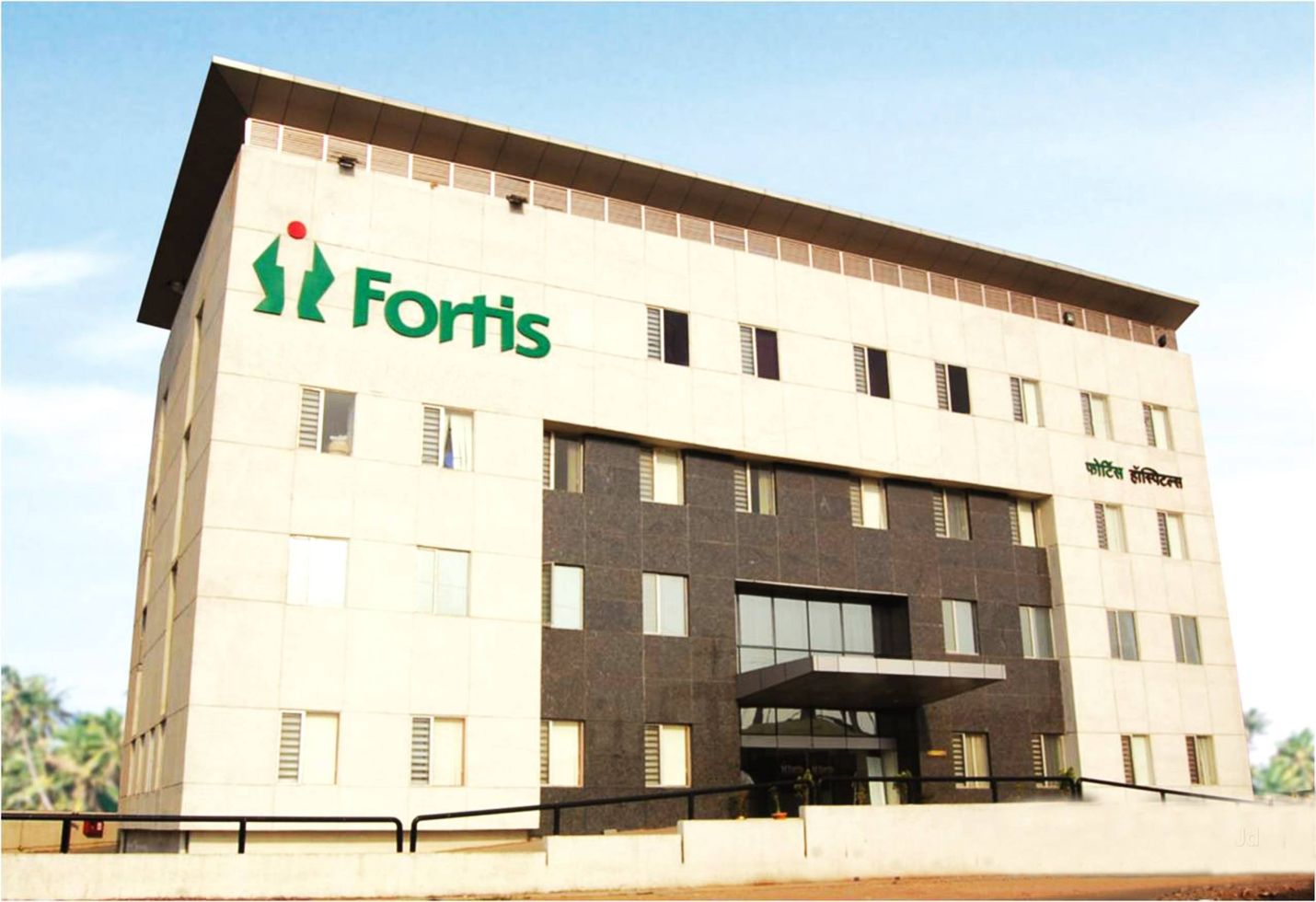
Fortis Healthcare delivered a robust quarter, with healthy growth across both its hospital and diagnostics businesses. Consolidated revenue rose ~17% YoY, while PAT surged around 70–82% compared to last year’s same quarter. The improvement reflects better occupancy, higher volumes in specialty care and diagnostics and improved margins. The company also continues to expand its bed capacity and diagnostic-service footprint, setting up a favorable base for future growth.

*Key Highlights*
* Consolidated revenue: ₹ 2,331 crore in Q2 FY26 (up +17.3% YoY)
* Operating EBITDA: ₹ 556–556 crore (up ~28% YoY)
* Operating EBITDA margin: 23.9% in Q2 FY26, vs 21.9% in Q2 FY25
* Profit After Tax (PAT): ₹ 322–329 crore in Q2 FY26 (up ~70–82% YoY)
* Hospital-business revenue: ₹ 1,974 crore (up +19.3% YoY)
* Diagnostics business net revenue: ₹ 357 crore (up +7.1% YoY)
* Key specialty care growth: Oncology and Renal Sciences grew ~29% and ~22% YoY respectively
* Increased bed occupancy: occupied beds rose ~13% QoQ; hospital occupancy improved to 71% (from 69% in Q1 FY26).

*Revenue & Profit Analysis*
Fortis’s 17% growth in consolidated revenue shows healthy demand for its services. The rise came from more patients, higher bed utilisation and increased uptake of specialized treatments. With EBITDA up ~28% and margin expanding to nearly 24%, the company seems to have managed cost structure efficiently, even while volumes rose. The large jump in PAT (70–82%) implies that operational gains translated well into bottom-line growth.
This suggests that Fortis didn’t just see more patients, it also delivered services more profitably due to improved occupancy, higher share of specialty cases and perhaps better cost control in both hospital operations and diagnostics.

*Business Segments: Hospital & Diagnostics*
1. Hospital Business:
* Revenue rose ~19.3% YoY to ₹ 1,974 crore
* Bed occupancy improved; occupied beds rose by ~13% QoQ
* Complex treatments are up: Oncology grew ~29% YoY; Renal Sciences up ~22%
* International patient revenue also grew ~26% YoY, contributing a larger share of overall hospital revenue.
2. Diagnostics Business:
* Net revenue rose to ₹ 357 crore (from ₹ 334 crore a year ago), +7.1% YoY
* The diagnostics arm continues network expansion, more “customer touch points” (CTPs), giving it wider reach.
Together, both segments contributed to balanced growth, hospital business driving major revenue, and diagnostics adding stability and recurring cash flow.

*Balance Sheet & Debt Position*
As of 30 September 2025, Fortis has a net debt of ₹ 2,219 crore. Net-debt to EBITDA ratio stands at ~0.96x (versus just 0.16x on 30 Sept 2024), reflecting that debt has increased due to recent acquisitions and expansions (such as taking stake in a diagnostics-business PE stake and acquiring a hospital).
Although leverage went up, the ratio remains under control, and with improving EBITDA and cash flow, Fortis appears to manage its balance sheet prudently while funding growth.

*Strategic Moves & Growth Outlook*
Fortis entered a 15-year lease agreement to operate a ~200-bed multi-specialty hospital in Greater Noida, expanding its footprint in the Delhi-NCR region. It continued to integrate newly acquired hospitals and expanded bed capacity in existing facilities, supporting future volume and revenue growth. Moreover, it expanded its diagnostics network, including new customer-touchpoints, which supports stability and allows it to capture more outpatient test demand. Given the strong uptick in specialty care demand (e.g. oncology, renal, surgeries) and growing diagnostics demand, the company seems well-positioned to ride long-term growth in India’s healthcare consumption.

*Conclusion*
Fortis Healthcare’s Q2 FY26 results look solid and encouraging. With strong growth in both hospital and diagnostics businesses, improved margins and a sharp rise in PAT, the company demonstrates that it can scale operations while remaining profitable. Key positives are: rising patient volumes, growth in specialty and international-patient segments, expanding bed capacity and diagnostics footprint, and a manageable debt level considering expansion. Whereas, some factors to watch include continued performance of newly added hospitals, maintaining occupancy and specialty-case mix, efficient integration of acquisitions and controlling leverage while growing.


The image added is for representation purposes only

GAIL Q2 FY26: Gas & Pipeline Volumes Steady, Revenue Rises, Profit Rebounds Sequentially Despite Segment Pressures

GAIL Q2 FY26: Gas & Pipeline Volumes Steady, Revenue Rises, Profit Rebounds Sequentially Despite Segment Pressures

GAIL Q2 FY26: Gas & Pipeline Volumes Steady, Revenue Rises, Profit Rebounds Sequentially Despite Segment Pressures

GAIL Q2 FY26: Gas & Pipeline Volumes Steady, Revenue Rises, Profit Rebounds Sequentially Despite Segment Pressures

GAIL posted a steady quarter with a mild rise in revenue, firm gas transmission and marketing volumes, and a strong sequential improvement in profitability. Revenue from operations stood at ₹35,031 crore and PAT came in at ₹2,217 crore. While profit fell on a YoY basis, this quarter showed early signs of stability driven by healthy pipeline utilisation and better traction in polymer and hydrocarbon sales. The key drag continues to be margin pressure in the petrochemical business.

*Key Highlights*
* Revenue from operations: ₹35,031 crore in Q2 FY26 (up ~+6.4% YoY)
* PAT: ₹2,217 crore (vs ₹1,886 crore in Q1 FY26: +18% QoQ)
* PBT: ₹2,823 crore in Q2 FY26 (vs ₹2,533 crore in Q1 FY26: +11% QoQ)
* Gas transmission volume: 123.59 MMSCMD (vs 120.62 in Q1 FY26: slight uptick)
* Gas marketing volume: 105.49 MMSCMD (almost flat QoQ)
* Polymer & LHC sales: Polymer 209 TMT and LHC 223 TMT (up from 177 TMT and 198 TMT in Q1 FY26)
* CapEx: ₹1,662 crore in Q2 FY26, mainly towards pipelines and petrochemicals

*Revenue & Profit Analysis*
GAIL reported revenue of ₹35,031 crore, up around 6–6.5% YoY, supported by stable demand in gas transmission, gas marketing and hydrocarbon products.
Sequentially, performance improved visibly: PBT rose 11% and PAT increased 18% over Q1 FY26.
On a YoY basis, however, profit declined due to weak margins in petrochemicals and softer realisations in the LPG/ hydrocarbon segment.
Overall, the company is seeing some recovery through cost controls and volume resilience, even though certain businesses remain under pressure.

*Segment & Business Mix Performance*
1. Gas Transmission & Marketing:
* Transmission volume: 123.59 MMSCMD
* Marketing volume: 105.49 MMSCMD
These stable numbers reflect consistent demand from CGD networks, industries and other pipeline consumers.
2. Polymers & Hydrocarbons:
* Polymer sales: 209 TMT (up from 177 TMT)
* Liquid hydrocarbons: 223 TMT (up from 198 TMT)
Higher volumes here indicate a bounce-back from last quarter’s softness and provide some relief beyond the core gas business.
3. CapEx & Expansion:
GAIL spent ₹1,662 crore this quarter, largely on pipeline expansion and petrochemical projects. The company has also received approval to expand the JLPL LPG pipeline, which once commissioned could add about ₹700 crore in annual revenue.

*Risks & Segmental Headwinds*
* The petrochemical business remains under significant margin stress and reportedly posted losses this quarter.
* LPG and hydrocarbon margins are being hit by volatile global commodity prices.
* Despite steady volumes, the YoY PAT decline shows that cost pressures and weaker realisations continue to weigh on profitability.

*Management Commentary*
* GAIL has been authorised to double JLPL’s LPG pipeline capacity from 3.25 MMTPA to 6.5 MMTPA. With tariff escalation of 3.4% annually, this can potentially add ~₹700 crore to revenue and ~₹600 crore to EBITDA each year.
* The company is prioritising its pipeline network expansion, including the newly approved Vijaipur–Bina pipeline (3 MMSCMD, 105 km) with an estimated capex of ~₹450 crore over three years.
* Management remains focused on leveraging GAIL’s integrated gas and hydrocarbon infrastructure to drive medium-term growth, even as petrochemicals continue to face headwinds.

*Conclusion*
GAIL’s Q2 performance shows stability in its core operations: gas transmission and marketing volumes remain healthy, hydrocarbon/polymer sales have improved, and profitability has recovered QoQ. The company’s ongoing investments in pipelines and infrastructure should support future growth. However, near-term profitability will likely stay volatile due to weak petrochemical margins and ongoing commodity pressure. The YoY decline in PAT highlights that volume growth alone will not drive earnings unless margins improve.


The image added is for representation purposes only

Vedanta Ltd Q2 FY26: Record Revenue & EBITDA, but Exceptional Loss Weighs on Net Profit

Titan Company Q2 FY26: Festive Surge Drives Jewellery Sales and Boosts Profit Big Time

Titan Company Q2 FY26: Festive Surge Drives Jewellery Sales and Boosts Profit Big Time

Titan Company Q2 FY26: Festive Surge Drives Jewellery Sales and Boosts Profit Big Time

Titan delivered a very strong quarter, powered by booming consumer demand during the festive season and robust performance across jewellery and lifestyle businesses. Consolidated revenue rose sharply while net profit jumped nearly 60% YoY. The jewellery business remained the standout performer, but watches, eyewear and emerging businesses also contributed well. Margins expanded, indicating healthy operational leverage.

*Key Highlights*
* Consolidated Total Income: ₹18,725 crore in Q2 FY26, +28.8% YoY
* Consolidated Net Profit (PAT): ₹1,120 crore, +59.1% YoY (vs ₹704 crore in Q2 FY25)
* EBITDA: ₹1,987 crore, +46.3% YoY
* EBITDA margin: 12.1%, improved by ~209 basis points (bps) YoY
* PAT margin: 6.8% (improved ~163 bps YoY)
* Jewellery (excluding bullion and DigiGold): Revenue ₹14,092 crore, +21% YoY
* Watches & Wearables: Revenue +13% YoY, segment EBIT margin ~16.1%
* Eyewear/ Eye care/ Emerging Businesses: All reported growth, adding diversification beyond jewellery.

*Revenue & Profit Analysis*
Titan’s revenue growth of +28.8% YoY to ₹18,725 crore reflects strong festive-season demand and recovery across its product lines. This robust top-line jump translated into a substantial bottom-line gain: PAT rose +59.1% YoY to ₹1,120 crore. The gain in profit outpaced the revenue rise primarily because the company managed to expand margins, EBITDA margin rose to 12.1%, up ~209 bps, indicating efficiency improvements or operating leverage kicking in. Profitability gains suggest Titan managed cost pressures (despite possibly higher raw material/ gold costs) and benefited from higher sales volume and premiumisation.

*Segment Performance*
* Jewellery Business: Jewellery division (excluding bullion & DigiGold) delivered ₹14,092 crore, +21% YoY. This strong growth underscores sustained consumer appetite for branded jewellery, likely driven by festive demand, brand strength (e.g. Tanishq, Mia, Zoya, CaratLane) and premiumisation.
* Watches & Wearables: Revenue grew +13% YoY to ₹1,477 crore, segment EBIT margin was ~16.1%, showing healthy profitability in a non-precious-metals business line.
* Eyewear/ Eyecare & Emerging Businesses: These contributed modestly but showed growth, helping diversify Titan’s portfolio beyond jewellery and watches.
Overall, the business mix appears balanced, with jewellery leading growth and other verticals adding stability — which helps in cushioning volatility (e.g. in gold prices).

*Margin & Operating Efficiency*
EBITDA margin at 12.1% and PAT margin 6.8% indicates Titan successfully leveraged operating leverage during the quarter. The rise in profitability despite gold-price volatility suggests cost controls, better working-capital management and favourable product mix (studded jewellery, premium watches, etc.). The ability to hold margins while growing volume reinforces confidence in the company’s operational execution.

*Risk & Macro Considerations*
* Gold-price volatility: Since jewellery is the major revenue source, sharp changes in gold prices can impact demand and margin.
* Inventory & working-capital pressures: To meet festive demand, inventory build-up likely increased.
* Sustainability of demand: Post-festive season demand could normalize, so sustaining the growth trajectory will depend on consumer sentiment and festive cycles.
* Cost inflation: If input costs (like labour, rent, raw materials) rise, maintaining margin expansion will be challenging.
However, Titan’s diversified business mix (watches, eyewear, emerging verticals) offers some cushion and helps manage these risks.

*Management Commentary & Strategic Moves*
The strong quarter was driven by demand uptick due to festive season, new collections and robust traction in both core and emerging businesses. The company remains committed to expanding its retail footprint, broadening product mix (beyond jewellery) and strengthening brand-led premiumisation.
The management also indicated focus on working-capital discipline even while scaling up operations, a positive sign, given the inherent volatility in jewellery retail.

*Conclusion*
Titan Company’s Q2 FY26 results signal a powerful bounce-back, driven by a combination of favourable demand, solid execution and operational leverage. The +59% PAT growth, outpacing revenue growth, highlights margin improvements alongside top-line strength. Jewellery remains the anchor, but growth across watches, eyewear and other lifestyle segments improves revenue diversification and reduces dependence on any single segment.


The image added is for representation purposes only

ITC Hotels Q2 FY26: Solid Gains in Hospitality, but Growth Base Still Moderate