Menu

Blog

Manappuram Finance Appoints Deepak Reddy as CEO, Shares Surge

Manappuram Finance Appoints Deepak Reddy as CEO, Shares Surge

Manappuram Finance Appoints Deepak Reddy as CEO, Shares Surge


Introduction: A New Era for Manappuram Finance

In a key leadership development, Manappuram Finance Ltd. has announced the appointment of Deepak Reddy as its new Chief Executive Officer (CEO). The move has been met with positive sentiment from investors, as reflected in the company’s rising share price following the announcement. Reddy’s extensive experience in the financial services sector is expected to bring fresh perspectives and strategic clarity to the company as it seeks to scale operations in a rapidly changing market.

Market Response: Confidence Drives Stock Gains

Following the CEO appointment news, Manappuram Finance shares rose by more than 4%, highlighting investor confidence in the company’s new leadership direction. The rally was accompanied by increased trading volumes, indicating renewed interest from institutional players and retail investors alike.
Analysts believe that the stock’s upward movement stems from expectations that Reddy will revitalize the company’s operational strategy and drive digital innovation while strengthening governance and growth frameworks.

Deepak Reddy: A Strategic Choice

Deepak Reddy, a seasoned executive with over 20 years of leadership experience, has previously held influential positions in both traditional banking and emerging fintech sectors. Known for his sharp focus on innovation and operational efficiency, Reddy has a strong track record in transforming business models and scaling organizations sustainably.
His appointment is viewed as a well-timed decision that aligns with Manappuram’s ambition to evolve into a next-generation non-banking financial institution (NBFC). Reddy’s expertise in risk management, digital transformation, and regulatory compliance will be key assets as the company enters a new growth cycle.
Speaking on his new role, Reddy stated:
“It’s a privilege to join Manappuram at such a pivotal time. Increasing consumer trust, embracing technology, and promoting inclusive growth will be my main priorities.

About Manappuram Finance: A Reliable Brand in the Indian NBFC Industry

Founded in 1949, Manappuram Finance has grown from a small gold loan firm in Kerala into one of India’s leading NBFCs. It is especially renowned for its gold loan services, which remain the backbone of its business. Over the years, the company has expanded into new verticals including microfinance, vehicle loans, SME lending, and housing finance.
With more than 4,000 branches across India and a growing digital presence, Manappuram continues to serve millions of customers, particularly in rural and semi-urban regions.

Reddy’s Focus Areas and Strategic Priorities

Under Deepak Reddy’s leadership, Manappuram is expected to focus on the following strategic priorities:
1. Technology Integration – Accelerating digital transformation to enhance customer experience, improve operational efficiency, and reduce costs.
2. Diversification – Expanding beyond gold loans into newer lending categories such as MSME and affordable housing.
3. Customer-Centric Model – Adopting data-driven solutions to offer personalized financial products and strengthen customer relationships.
4. Risk and Compliance – Strengthening internal controls and aligning more closely with evolving regulatory frameworks.
5. Sustainable Growth – Balancing rapid expansion with profitability and long-term financial stability.
These objectives are aligned with the broader transformation underway in the Indian NBFC space, where innovation and compliance go hand in hand.

NBFC Sector Outlook: New Challenges, New Opportunities

The Indian NBFC sector is undergoing a fundamental shift. Post-pandemic recovery, stricter RBI regulations, and increased demand for credit in underserved markets are reshaping business models. In this environment, having dynamic leadership is critical.
With Reddy at the helm, Manappuram is expected to strengthen its position as a forward-thinking player capable of adapting quickly to market changes. His arrival could pave the way for new collaborations, improved digital outreach, and entry into untapped markets.

Investor and Analyst Sentiment

Early reactions from investors and market analysts have been largely positive. Brokerages are optimistic about Manappuram’s renewed focus on innovation, compliance, and sustainable profitability. Many view the CEO appointment as a catalyst that could boost operational execution and improve investor confidence.
Several analysts have already revised their outlook on Manappuram Finance, anticipating improvements in governance, loan book performance, and digital outreach in the quarters ahead.

Looking Ahead: Developing Inclusive Finance’s Future

The coming months will be crucial as Reddy begins implementing his vision. Industry experts expect a mix of structural reform, digital acceleration, and customer-focused innovation under his guidance.
Manappuram’s deep rural roots, combined with fresh leadership and modern technology, position it well to meet the evolving financial needs of India’s underserved segments. With strong capital reserves and growing demand for credit, the company is expected to play a significant role in India’s financial inclusion journey.

Conclusion: Positive Signs for the Road Ahead

For Manappuram Finance, the hiring of Deepak Reddy as CEO represents a strategic turning point. As the company navigates regulatory complexities, competitive pressures, and customer expectations, strong and visionary leadership will be essential.
Investor enthusiasm reflects a belief that the new CEO brings the right mix of experience, energy, and vision to unlock the next phase of growth. For Manappuram, this leadership change could not have come at a better time, and the road ahead appears promising.


The image added is for representation purposes only
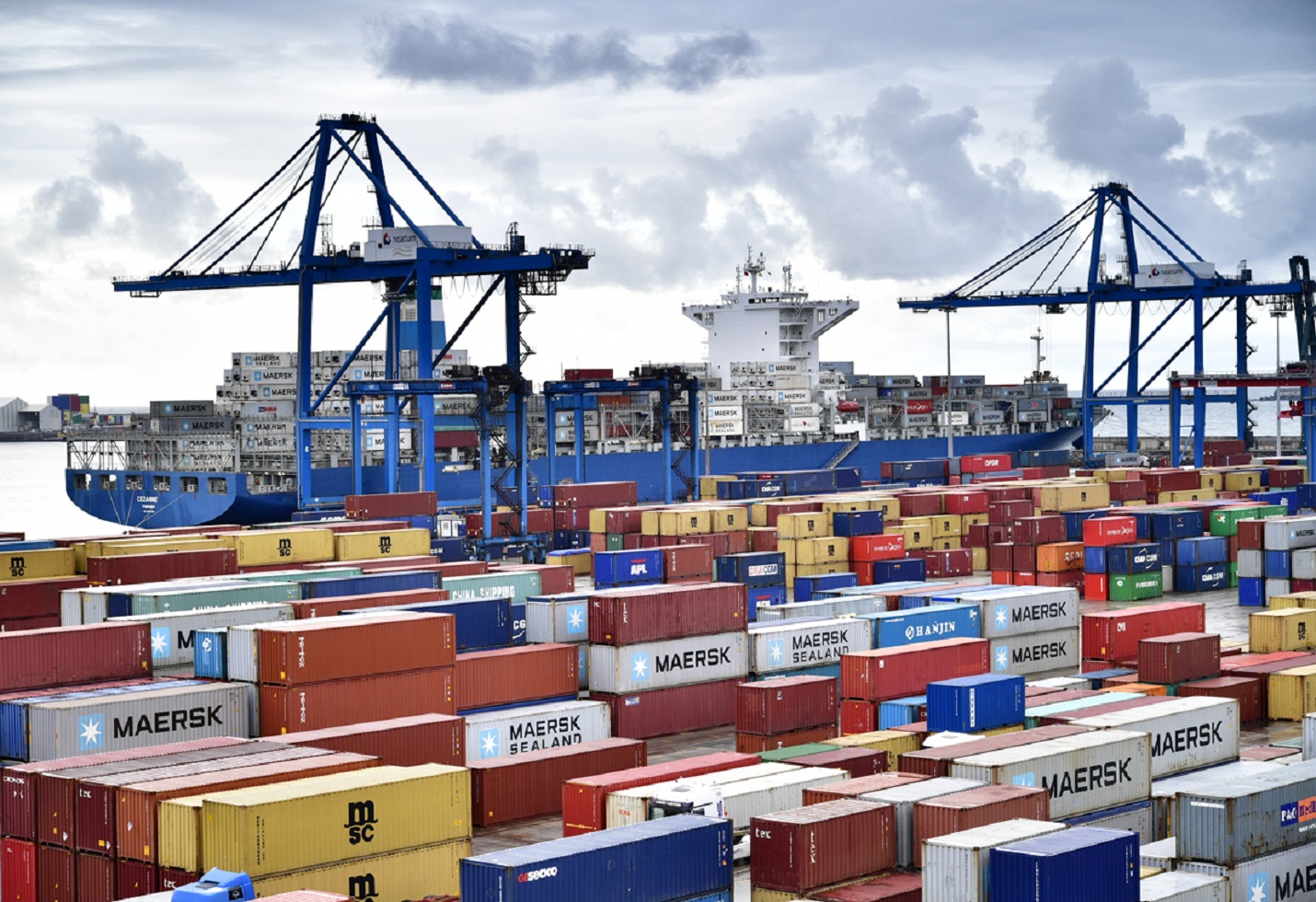
Gautam Adani’s Freight Forwarding Foray: Challenging Global Logistics Giants


Gautam Adani’s Freight Forwarding Foray: Challenging Global Logistics Giants

Gautam Adani’s Freight Forwarding Foray: Challenging Global Logistics Giants

Gautam Adani’s Freight Forwarding Foray: Challenging Global Logistics Giants


Adani Ports’ bold entry into freight forwarding aims to disrupt a market dominated by multinationals, leveraging India’s largest port network and integrated logistics infrastructure.

Introduction

The Indian logistics landscape is witnessing a seismic shift as Gautam Adani, one of the country’s most influential business leaders, sets his sights on the global freight forwarding market. By expanding Adani Ports and Special Economic Zone Ltd (APSEZ) into this domain, Adani is taking on multinational giants and aiming to reshape how goods move across borders for Indian businesses.

The Freight Forwarding Market: A Global Battleground

Freight forwarding is a critical intermediary service in international trade, orchestrating the movement of goods from origin to destination, including transportation, documentation, and customs clearance. In India, this market has long been dominated by foreign multinationals such as DHL, DB Schenker, Panalpina, Nippon Express, and Yusen Logistics, collectively controlling about 70% of the sector.
Among Indian firms, Allcargo Logistics has been a leading player, but the entry of APSEZ brings a new scale and ambition to the table.

Adani’s Integrated Logistics Advantage

APSEZ’s freight forwarding venture is not a standalone play. The company already commands 45.5% of India’s container handling market at ports and operates air cargo terminals at key airports. Its logistics vertical has posted a remarkable 39% revenue growth in FY25, underlining its aggressive expansion.
Key assets and capabilities include:
• 132 railway rakes (68 containers, 54 GPWIS, 7 Agri, 3 AFTO)
• 12 multi-modal logistics parks
• 3.1 million sq ft of warehousing
• 1.2 million tonnes of agri silos, expanding to 4 million tonnes
These assets enable APSEZ to offer end-to-end integrated transport solutions-spanning ports, rail, road, warehousing, and now, freight forwarding.

Strategic Moves: Trucking and International Freight Network

In FY25, APSEZ launched two new initiatives:
• Trucking Management Solution (TMS):
A marketplace and fulfilment platform to streamline the supply chain for customers.
• International Freight Network (IFN):
An integrated digital platform connecting carriers with end users, enhancing transparency and efficiency.
These innovations are designed to attract more cargo to APSEZ’s network and strengthen its position as a transport utility, not just a port operator.

Leadership and Vision

The freight forwarding business is headed by Akshyat Bhatia, Vice President–Logistics, who joined APSEZ after over 14 years at A.P. Moller-Maersk, bringing deep industry expertise. CEO Ashwani Gupta emphasizes that APSEZ is now a “full end-to-end integrated transport utility company,” aiming to capture the entire supply chain and offer competitive ocean freight rates to customers.

Disrupting the Status Quo

APSEZ’s strategy mirrors global trends, where leading container shipping lines and terminal operators like DP World have expanded into landside logistics to provide end-to-end solutions. By leveraging its vast container market share, APSEZ can negotiate better rates with shipping lines and offer more competitive pricing to Indian exporters and importers.
The company aims to attract customers in India’s hinterland-currently served by third-party freight forwarders-by offering integrated services and the purchasing power of the Adani Group.

The Bigger Picture: Air Cargo and International Expansion

Adani’s logistics ambitions extend beyond ocean freight. The group is exploring passenger-to-freighter (P2F) aircraft conversions to tap into India’s growing air cargo market, which is currently underserved by domestic operators. This is in line with APSEZ’s larger objective of establishing itself as a leading force in all forms of cargo transportation.
Internationally, Adani Ports is also expanding its footprint, recently acquiring the North Queensland Export Terminal in Australia to boost its annual capacity and global reach.

Conclusion

Gautam Adani’s move into freight forwarding signals a pivotal shift in India’s logistics sector.
With its vast scale, integrated infrastructure, and focus on digital transformation, APSEZ is positioning itself to compete with global leaders and provide Indian businesses with a compelling alternative. As the company broadens its presence across sea, land, and air transport, it has the potential to reshape the logistics industry both in India and internationally.


The image added is for representation purposes only

Birla Corp Breaks the Ceiling with 20% Stock Surge


Biggest Gainers from the Upcoming Nifty Rebalancing

Birla Corp Breaks the Ceiling with 20% Stock Surge

Birla Corp Breaks the Ceiling with 20% Stock Surge

The company posts impressive profit growth and reveals a significant ₹4,335 crore investment to expand cement production capacity.

Strong Q4 Performance Propels Stock Surge

On May 12, 2025, shares of Birla Corporation saw a remarkable surge, jumping 20% to hit the upper circuit limit at ₹1,268.80 on the BSE. This sharp rise came after the company released a set of highly positive fourth-quarter financial results that exceeded market expectations. In Q4 FY25, Birla Corp.’s consolidated profit reached ₹2.566 billion, marking a noteworthy 33% jump from the ₹1.933 billion of the prior year’s equivalent period.

The significant growth in profitability was primarily driven by a favorable combination of higher cement demand, strategic pricing improvements, and stringent cost controls. In addition, the company achieved a remarkable capacity utilization rate of 105% during the quarter, underscoring its efficient operations and solid market demand for its products. This performance highlights Birla Corporation’s strong position in the competitive cement industry and its ability to effectively scale production and meet growing market needs. Moreover, the company’s skillful management of its business activities, coupled with strong demand from the market, suggests favorable prospects for sustained growth moving forward, establishing Birla Corporation as a dependable and steadfast entity in the cement industry.

Dividend Declaration Enhances Investor Confidence

Alongside the encouraging earnings report, Birla Corporation declared a final dividend of ₹10 per share for FY2024–25, demonstrating the company’s robust financial health and ability to generate solid returns for its shareholders. The dividend will be disbursed within 30 days after receiving shareholder approval at the company’s upcoming annual general meeting. This generous payout not only highlights the company’s strong cash flow position but also underscores Birla Corporation’s commitment to delivering sustained value to its investors. By consistently maintaining a balance between strategic reinvestment and shareholder returns, the company aims to foster long-term growth while rewarding its stakeholders. The dividend declaration also serves as a testament to Birla Corporation’s financial prudence, allowing it to navigate market cycles effectively and continue its expansion plans without compromising shareholder value.

Strategic Investment to Expand Production Capacity

To reinforce its long-term growth, Birla Corp. unveiled a ₹43.35 billion investment plan to significantly boost its cement production capacity. The expansion strategy includes the establishment of three new grinding units and the augmentation of one integrated unit. A significant element of this financial allocation involves the establishment of a new, environmentally conscious cement pulverization plant in Gaya, Bihar, possessing a 2.8 million tonnes per annum capacity. This facility is projected to commence operations by the fourth quarter of fiscal year 2029, with anticipated expenditures approximating ₹86 billion.

In parallel, the company’s wholly owned subsidiary, RCCPL, will deploy ₹3,475 crore to develop two greenfield grinding units with a combined capacity of 3.4 MTPA in Uttar Pradesh. Additionally, a 3.7 MTPA brownfield clinker production unit will be developed in Maihar, Madhya Pradesh. This expansion is expected to fortify the company’s market share in key regions and improve supply chain efficiencies.

Operational Efficiency and Financial Prudence

Operational metrics for Birla Corporation’s cement division also displayed significant progress. The segment achieved an operating profit margin of 20% for Q4 FY25, a notable increase from 18.6% in the same quarter of the previous year. This improvement reflects the company’s successful efforts to optimize its operational efficiency and align production costs with market dynamics. Furthermore, Birla Corporation recorded its highest EBITDA per tonne in the past 18 quarters, a clear sign of effective cost management, stronger pricing power, and improved realizations per unit.

On the financial front, the company’s net debt levels were reduced significantly from ₹3,003 crore in Q3 to ₹2,244 crore in Q4 FY25, showcasing Birla Corporation’s disciplined fiscal approach. The reduction in debt not only lowered interest expenses but also improved the company’s financial flexibility, allowing for more strategic investments in future growth initiatives. This stronger balance sheet positions Birla Corporation for further expansion and enables it to respond effectively to evolving market conditions, ensuring continued long-term value creation.

Conclusion: A Promising Outlook for Birla Corporation

Birla Corporation has delivered a strong all-around performance in Q4 FY25, underpinned by higher profitability, strategic expansion initiatives, and efficient capital management. The 20% spike in its share price clearly reflects investor confidence in the company’s direction. With a clear roadmap for expanding production and sustained operational gains, the company is well-positioned to tap into the growing infrastructure and construction demand across India. The declared dividend adds further appeal for shareholders, making Birla Corporation an attractive proposition in the cement space.


The image added is for representation purposes only

Reliance Power Sparks a Comeback with Robust Q4, Shares Surge 10%


Anil Ambani’s Reliance Power and Reliance Infrastructure Deliver Multibagger Returns in FY25

Reliance Power Sparks a Comeback with Robust Q4, Shares Surge 10%

Reliance Power Sparks a Comeback with Robust Q4, Shares Surge 10%


Reliance Power’s shift from losses to Rs 126 crore profit in Q4 FY25 is driven by reduced expenses and significant debt repayment, boosting investor confidence.

Introduction: A Positive Financial Turnaround for Reliance Power

A noteworthy transformation characterized Reliance Power’s financial results for the final quarter of fiscal year 2025, as the corporation declared a unified net income of Rs 1.26 billion. This stands in stark contrast to the loss of Rs 397.56 crore recorded in the same period the previous year. The surge in profit can be largely attributed to a reduction in expenses, which enabled the company to bounce back in a challenging market environment.

A Look at Q4 FY25 Financials: Profit Despite Declining Income

During the January-March 2025 window, Reliance Power’s overall revenue witnessed a decline, ultimately totaling Rs 20.66 billion, a figure indicative of a decrease. from the Rs 21.9385 billion recorded during the equivalent three-month period of the preceding fiscal cycle. Despite this drop, the company’s sharp reduction in expenses—falling from Rs 2,615.15 crore to Rs 1,998.49 crore—was a critical factor in its ability to report a profitable quarter. This significant shift in performance underscores the corporation’s emphasis on prudent expenditure control and optimized operational processes.

Full-Year Financial Performance: From Loss to Profit

Throughout the entirety of fiscal year 2025, Reliance Power demonstrated remarkable financial improvement, declaring a unified net income of Rs 29.4783 billion, a stark contrast to the substantial net deficit of Rs 20.6838 billion recorded in fiscal year 2024. This achievement underscores the company’s resilience and effective strategic adjustments over the year, despite the challenging economic landscape.

Debt Servicing and Financial Health: A Key Improvement

Beyond its financial gains, Reliance Power also indicated the successful management of its debt obligations, having serviced Rs 53.38 billion in liabilities throughout the preceding year. This included maturity repayments and ongoing debt obligations. Consequently, the corporation’s proportion of liabilities relative to its equity capital saw a positive adjustment, reaching a more sustainable level of 0.88 to 1 in fiscal year 2025, a reduction from the 1.61 to 1 ratio observed in the prior fiscal year. This is a crucial development for the company, as it strengthens its balance sheet and positions it for future growth and stability.

Stock Market Reaction: Reliance Power Shares Surge

Reliance Power’s positive financial performance had an immediate impact on its stock, with shares surging by 10.2% to Rs 42.60 during early trading on the Bombay Stock Exchange (BSE). This increase in share price is a clear reflection of investor confidence, driven by the company’s shift from losses to profitability in Q4 FY25. On the previous Friday, the stock had closed 0.9% higher at Rs 38.6, even as broader market indices like the Sensex fell by 1.1%. Across the preceding biennium, Reliance Power’s equity value has appreciated by a remarkable 222%; however, it has experienced a 13.5% decline in the current year of 2025 to date.

Technical Indicators: A Mixed Signal

Despite the strong gains in the stock price, technical indicators show a more cautious outlook. The Reliance Power stock’s Relative Strength Index (RSI) currently registers at 44.1, suggesting a neutral positioning where it is neither excessively purchased nor excessively sold. The Moving Average Convergence Divergence (MACD) figure of 0.4, which is below both its Signal Line and Center Line, signals a bearish trend. Additionally, the stock is trading below its 10-day, 20-day, 30-day, 100-day, and 150-day simple moving averages (SMA), though it remains above the 50-day and 200-day SMAs, suggesting a mixed technical outlook.

Business Fundamentals: Power Generation and Operational Excellence

Reliance Power, a part of the prominent Reliance Group, has a well-established presence in India’s power generation sector. The company has a substantial operational portfolio of 5,305 megawatts, with 3,960 megawatts coming from its flagship Sasan Power plant. Sasan Power holds the distinction of being the globe’s most extensive fully integrated thermal power generation facility utilizing coal and has consistently achieved the top operational ranking among India’s power plants for the preceding seven years. This operational strength is key to Reliance Power’s long-term growth prospects and its ability to maintain profitability amid fluctuations in the energy market.

Conclusion: Positive Outlook Amid Financial Progress

The robust fiscal outcomes demonstrated by Reliance Power in FY25, characterized by a notable shift to profitability and substantial deleveraging, suggests an optimistic outlook for the organization’s trajectory. While technical indicators suggest some caution in the short term, the company’s operational strength and focus on improving its financial health make it well-positioned to continue benefiting from the growing energy demands in India. With a solid track record and a positive market response to its latest results, Reliance Power’s investors can look forward to a more stable and profitable outlook in the coming quarters.

Final Thoughts

Reliance Power has exhibited noteworthy recovery, transitioning from significant financial deficits to a profit-generating final quarter in the fiscal year 2025. This positive momentum, driven by reduced costs, improved debt management, and strong operational capabilities, has boosted investor confidence, reflected in the stock’s recent surge. With a more favorable debt-to-equity ratio and ongoing profitability, the company is poised for continued success in the energy sector.


The image added is for representation purposes only

India Boosts Monetary Policy with Improved Repo Rate Response


India Boosts Monetary Policy with Improved Repo Rate Response

India Boosts Monetary Policy with Improved Repo Rate Response

India Boosts Monetary Policy with Improved Repo Rate Response


Due to the Reserve Bank of India’s regulatory and structural reforms, particularly in corporate lending, the transmission of repo rate changes to lending and deposit rates has significantly enhanced, thereby increasing the effectiveness of monetary policy.

Summary:

India’s monetary policy transmission has become notably more efficient recently, especially following the RBI’s changes in determining interest rates for corporate loans and retail sectors. This improved connection between the repo rate and lending rates for end users has enhanced the promptness and thoroughness of rate changes, enabling policy actions to impact borrowing costs, inflation, and consumer behavior more effectively. Economists consider this a significant advancement in the RBI’s efforts to enhance the effectiveness of its monetary tools.

India’s Monetary Policy Transmission: A Journey of Steady Improvement

India’s monetary policy transmission has become notably more efficient recently, especially following the RBI’s update to the methodology for determining interest rates in corporate and retail loan segments. This improved connection between the repo rate and end-user lending rates has led to more timely and comprehensive rate adjustments, enabling policy changes to have a greater impact on borrowing costs, inflation, and consumption trends. Economists consider this a significant achievement in the RBI’s efforts to enhance the effectiveness of its monetary tools.

Repo Rate: The Central Lever of Monetary Policy

The repo rate, the interest rate at which the RBI provides short-term loans to commercial banks, is a key tool for India’s monetary policy. Raising the repo rate makes borrowing more expensive, reduces credit demand, and controls inflation. Cutting the interest rate encourages people to borrow, invest, and spend more.
For this mechanism to work effectively, any shifts in the repo rate must be promptly reflected in the real economy, impacting both borrowers and savers. Historically, banks in India have been slow to adjust their lending and deposit rates, undermining the effectiveness of monetary policy actions.

Key Reforms Driving Better Transmission

The repo rate, which reflects the interest rate at which the RBI lends short-term funds to commercial banks, is a crucial instrument for India’s monetary policy. When the RBI raises the repo rate, borrowing costs increase, which lowers credit demand and helps control inflation. On the other hand, reducing the interest rate promotes borrowing, investment, and consumer expenditure.
For this approach to be successful, adjustments in the repo rate need to be effectively transmitted to the real economy, impacting both borrowers and savers. However, historically, Indian banks have been slow to change their lending and deposit rates, which diminishes the effectiveness of these monetary policy interventions.

Data Suggests Stronger Pass-Through

The repo rate is the interest rate at which the RBI provides short-term loans to commercial banks. It plays a vital role in shaping India’s monetary policy. An increase in the repo rate results in higher borrowing costs, reducing credit demand and helping to manage inflation. In contrast, when the repo rate is cut, it stimulates borrowing, investment, and consumer spending.
For this system to function effectively, changes in the repo rate must be accurately transmitted to the broader economy, affecting both borrowers and savers. However, Indian banks have traditionally been slow to adjust their lending and deposit rates, undermining the effectiveness of monetary policy measures.

Corporate Lending: A Notable Transformation

The repo rate, which represents the interest rate at which the RBI lends short-term funds to commercial banks, is a key component of India’s monetary policy. When the RBI raises the repo rate, borrowing costs increase, which helps control inflation by reducing credit demand. Conversely, lowering the rate encourages borrowing, investment, and consumer spending.
For this strategy to be effective, any changes to the repo rate must be quickly passed on to the broader economy, impacting borrowers and savers. However, Indian banks have often been slow to modify their lending and deposit rates, which limits the effectiveness of these monetary policy actions.

Benefits of Improved Transmission
1. Improved Inflation Management:
A more efficient transmission mechanism enables the RBI to achieve its inflation objectives more successfully. Changes in repo rates influence consumption, housing, and service pricing more swiftly, aiding in stabilizing core inflation.

2. Enhanced Credit Distribution:
Retail borrowers, MSMEs, and businesses can manage their finances more confidently with more predictable lending rates. Banks also face diminished benefits from interest rate risk.

3. IncreasedRBI’scy Credibility:
Improved transmission reinforces the credibility of the RBI’s policy signals, enhancing market trust and permitting more proactive interventions during economic challenges.

4. Synergy Between Monetary and Fiscal Policies:
More stable interest rates allow the government to align its fiscal strategies more effectively, improving overall macroeconomic coordination.

Remaining Challenges and the Road Ahead

Despite the progress made, several challenges persist. Public sector banks, which dominate the Indian banking landscape, still demonstrate slower responses in certain areas. Furthermore, legacy loan portfolios tied to MCLR or base rate systems weaken the transmission effect.
Additionally, non-banking financial companies (NBFCs), which play a significant role in lending within rural and semi-urban regions, are not required to adhere to external benchmarks, limiting the transmission of benefits beyond the formal banking sector.
A sustained emphasis on digitization, financial inclusion, market development, and an increase in India’s use of mark-linked pricing will be essential for smoother transmission.

Conclusion: A Maturing Monetary Policy Framework

India’s enhanced transmission of repo rate adjustments illustrates its monetary policy framework’s development and efficacy. The movement towards lending linked to external benchmarks, particularly in the retail and corporate sectors, has strengthened the Reserve Bank of India’s (RBI) capacity to shape credit conditions, manage inflation, and promote economic growth. India remains room for improvement—particularly in legacy lending and non-bank sectors—but the overall trend is encouraging. As global economic uncertainties continue and inflation management becomes increasingly complex, India’s improved policy transmission will be crucial for maintaining macroeconomic stability.


The image added is for representation purposes only

Central Banks Shift: Dollar’s Global Reserves Decline

Central Banks Shift: Dollar's Global Reserves Decline

Central Banks Shift: Dollar's Global Reserves Decline

Central Banks Shift: Dollar’s Global Reserves Decline


Central banks worldwide are gradually reducing their reliance on the US dollar for foreign exchange reserves, marking a significant shift in the global financial landscape.

Summary:

The US dollar’s dominance in global foreign exchange reserves diminishes as central banks diversify their holdings to reduce revaluation losses and improve portfolio stability. Although the dollar continues to account for most global reserves, its share has steadily decreased over the last twenty years. Analysts point to factors such as geopolitical uncertainties, the emergence of alternative currencies like the Chinese yuan, and changes in global trade patterns as key reasons for this shift.

Global Reserve Composition Undergoes a Subtle Shift

Historically regarded as the cornerstone of international financial stability, the dollar is slowly losing its grip on global foreign exchange reserves. Recent data from the International Monetary Fund (IMF) reveals that the US dollar’s share of global forex reserves has decreased to around 58%, down from more than 70% at the start of the millennium.
While it remains the primary global reserve currency, this gradual decline suggests that central banks are becoming more cautious about relying on a single currency. There’s a precise movement towards diversifying their portfolios to enhance returns and protect against monetary and geopolitical risks.
Economists point to several factors behind this trend: ongoing US inflation, the dollar’s use in sanctions, concerns about revaluation with shifting interest rates, and the emergence of regional currencies offering alternative trade solutions.

Central Banks Rethinking Dollar Dependency

The evolving strategies of global central banks indicate a notable shift in how they manage their reserves. Instead of predominantly investing in US Treasury securities or dollar-based assets, monetary authorities opt for a more diversified approach that includes gold, the euro, the Chinese yuan (renminbi), and various regional currencies.
Dr. Nandini Bhattacharya, an economist from a prominent global financial think tank, states, “While the dollar remains essential for international trade and finance, relying too heavily on a single currency is increasingly recognized as a structural risk. Diversifying helps to reduce potential losses from currency revaluation and preserves purchasing power during market volatility.”
Countries like Russia, China, India, Brazil, and some ASEAN nations have reduced their dollar holdings, shifting reserves to currencies that align more closely with their trade and strategic needs.

Geopolitical Tensions Accelerating the Shift

The dollar’s strategic deployment in geopolitics serves as a significant driver of this ongoing trend. The implementation of US-led economic sanctions, particularly aimed at nations such as Russia, Iran, and Venezuela, has led many countries to reconsider their reserve strategies.
For example, Russia has dramatically reduced its dollar reserves following the 2014 Crimea crisis and the ensuing sanctions. By 2021, only 16% of its reserves were in dollars, down from over 40% a decade earlier. Similarly, China has been decreasing its holdings of US treasuries, which were valued at $868 billion in early 2024, a decline from more than $1.3 trillion in 2013.
Neutral economies are concerned that distancing from Western alliances may prompt financial retaliation tied to the dollar, leading to increased demand for “politically neutral” reserve assets like gold and the Swiss franc.

Rise of the Renminbi and Other Currencies

Although the Chinese yuan (CNY) is a relatively minor player in global reserves, its presence in central bank allocations has steadily increased. According to the IMF’s COFER (Currency Composition of Official Foreign Exchange Reserves) data, the yuan made up nearly 3% of global reserves in 2023, a rise from just 1% in 2016.
China’s expanding trade influence and efforts to internationalize the yuan, primarily through Belt and Road Initiative projects and energy transactions, indicate it may become a complementary reserve asset.
The euro, yen, franc, and pound are top alternatives to the US dollar, but none can fully replace it due to a lack of infrastructure. However, together with gold and regional currencies, they offer a diversified defense against risks.

Gold Reclaims Its Luster in Reserve Portfolios

A notable trend is the revival of gold in foreign exchange reserves. Given the climate of fluctuating interest rates, concerns over currency devaluation, and inflationary challenges, gold has become a sought-after safe-haven asset. Central banks, particularly in emerging nations such as India, Turkey, Uzbekistan, and Thailand, have recently increased their gold purchases.
According to the World Gold Council, central bank demand for gold hit unprecedented levels in 2023, with more than 1,100 tonnes added to global reserves. This indicates a diminishing trust in fiat currencies amid uncertain conditions.

Challenges to a Post-Dollar World

Analysts advise prudence before hastily concluding that the dollar’s supremacy is waning, despite prevailing market trends. The dollar still plays a central role in SWIFT transactions, global trade invoicing, and international debt issuance. Its unique ability to provide liquidity, stability, and convertibility remains unparalleled.
For any currency to effectively challenge the dollar, it would require robust, accessible financial markets, solid legal frameworks, and complete capital account convertibility—conditions even the euro and yuan do not fully possess.
The global financial landscape is shifting from a unipolar to a multipolar reserve system, with the gradual decline of the dollar impacting monetary independence, trade, and geopolitical relationships.

Conclusion: Slow Transition, Lasting Impact

The slight decrease in the dollar’s dominance in global foreign exchange reserves indicates a significant change in the international financial landscape. As central banks aim to protect themselves from external disruptions, political instability, and currency fluctuations, we may move toward an era characterized by diverse reserve currencies.
The shift indicates a growing awareness of the risks of overreliance on the dollar, driving nations towards currency diversification as a key part of their financial strategies in a multipolar world.


The image added is for representation purposes only

Raymond Realty Demerger Completed, Shareholders to Receive Shares on 1:1 Basis

Raymond Realty to Make Its Debut on Stock Exchanges After Demerger in Q2

Raymond Realty Demerger Completed, Shareholders to Receive Shares on 1:1 Basis

Raymond Realty Demerger Completed, Shareholders to Receive Shares on 1:1 Basis


Raymond spins off its real estate arm, offering shareholders a 1:1 share allotment in the newly listed Raymond Realty Limited. Record date set for May 14, 2025, as the group sharpens its business focus.

Major Milestone: Demerger Becomes Effective

Earlier this year, the National Company Law Tribunal (NCLT) gave the green light to the long-awaited separation of Raymond’s real estate arm.
The demerger became operational on May 1, 2025, following the board’s resolution and regulatory filings. This marks a significant restructuring for Raymond, a brand synonymous with India’s lifestyle and textile sectors, as it continues to streamline its corporate structure for sharper business focus.

What the Demerger Means for Shareholders

According to the approved Scheme of Arrangement, shareholders of Raymond Limited (RL) will receive one share of Raymond Realty Limited (RRL) for each share they own in RL, based on a direct 1:1 exchange ratio.
There are no additional costs or actions required from shareholders. The record date to determine eligibility for this share allotment is Wednesday, May 14, 2025.
This implies that all investors owning Raymond shares at the end of that day will automatically receive an equivalent number of shares in the newly separated Raymond Realty.

Raymond Realty: A Standalone Growth Story

Raymond Realty, once a division within the parent company, is now a fully independent, listed entity. The move allows the real estate arm to pursue its own strategy, leadership, and capital allocation, much like recent demergers seen in other Indian conglomerates.
Raymond Realty has established a strong presence in Mumbai’s residential market, with luxury projects in Thane and joint development agreements in key city locations such as Bandra, Mahim, Sion, and Wadala. In the last financial year, the company reported revenues of ₹15.9 billion and an EBITDA of ₹3.7 billion, highlighting its operational strength and future potential.
The company’s aggressive expansion in the Mumbai Metropolitan Region, including six major joint development agreements, positions it as a significant player in India’s booming real estate sector.

Strategic Rationale: Focus, Agility, and Value Creation

This demerger is part of a broader trend among Indian corporates to unlock value by spinning off high-growth verticals into standalone companies. Through the separation of its real estate division, Raymond intends to:
• Enhance operational focus for both businesses
• Enable agile, sector-specific decision-making
• Attract targeted investment and strategic partnerships
• Maximize long-term shareholder value
The move follows Raymond’s earlier spin-off of its lifestyle and fashion business, which was also listed as a separate entity. The group’s restructuring strategy reflects a clear intent to sharpen its business focus and respond to evolving market opportunities.

What’s Next for Investors?

Shareholders should ensure their holdings are updated and dematerialized before the record date of May 14, 2025, to be eligible for the 1:1 share allotment in Raymond Realty. After the listing, investors will be able to trade Raymond Realty shares independently of Raymond Limited, providing flexibility and potential for value appreciation based on the real estate business’s performance.

Conclusion

Raymond’s demerger of its real estate arm is a landmark step in the group’s ongoing transformation. By granting shareholders a direct stake in Raymond Realty, the company is unlocking value and setting the stage for focused growth in both its core businesses. As Raymond Realty prepares for its debut on the stock exchanges, investors and market watchers alike will be keenly observing its next moves in India’s dynamic real estate sector.


The image added is for representation purposes only

Fenesta Invests in DNV Global to Strengthen Industry Hold

Liquor stocks beat FMCG peers in one year; 3 rally drivers & 3 future growth triggers

Asian Stocks Surge on Positive China Trade News

Asian Stocks Surge on Positive China Trade News


Markets in Asia-Pacific opened on a high note as investors welcomed positive signals from the ongoing trade discussions between China and the United States, fueling hopes of easing geopolitical tensions and boosting global economic sentiment.

Summary:

Asian equities surged on Monday, with major indices in Japan, South Korea, and Australia registering substantial gains. The Topix index in Japan extended its winning streak to 12 consecutive sessions — the longest since 2017 — as market optimism was fueled by renewed China-US trade dialogue. Meanwhile, US futures also pointed higher, indicating investor confidence in improved trade relations and global economic stability.

Markets Cheer Progress in China-US Trade Talks

Asian stock markets surged early Monday as investors reacted positively to signs of progress in trade negotiations between the world’s two largest economies — China and the United States. This renewed diplomatic engagement between Beijing and Washington reignited hopes for more stable global trade relations, prompting a broad-based rally across Asia-Pacific markets.
Stocks in Japan, South Korea, and Australia all saw gains as trading began. Japan’s Topix index increased for the 12th straight session, achieving its longest streak of victories since October 2017. This rally reflects rising investor confidence in the global macroeconomic environment, supported by softening inflation in the US and recent signs of recovery in the Chinese economy.

Topix’s Bull Run Hits 12-Day Milestone

Japan’s Topix index — a broader measure of the Tokyo Stock Exchange beyond the Nikkei 225 — rose again on Monday, marking 12 straight days of gains, a milestone not seen in nearly seven years. This sustained rally is attributed to strong corporate earnings, a weaker yen boosting exporters, and positive sentiment around trade developments.
The Japanese yen held near multi-week lows, supporting automakers and other large export-driven sectors. Key companies such as Toyota, Sony, and Mitsubishi Electric saw notable gains, while tech and financial stocks added to the momentum.
The Nikkei 225 also remained buoyant, rising steadily toward its multi-decade highs as investor appetite for Japanese equities increased amid relatively stable domestic conditions and improving global outlooks.

South Korean and Australian Markets Also in the Green

The KOSPI index in South Korea also increased, buoyed by gains from major technology companies like Samsung Electronics and SK Hynix. Investors welcomed data indicating steady exports and robust demand for semiconductors, aligning with expectations of a recovery in global chip demand.
The stock market in Australia opened higher, supported by increases in the mining and financial sectors. The ASX was buoyed by an uptick in iron ore prices and a positive earnings outlook among the country’s major banks and resource exporters. Since China is Australia’s largest trading partner, Australian traders are cautiously optimistic about stabilizing China’s economy.

US Futures Reflect Optimism

US equity futures rose alongside the Asian markets, signaling that Wall Street may open on a higher note. Futures tied to the Dow Jones Industrial Average, S&P 500, and Nasdaq 100 all posted modest gains in premarket trading, reflecting optimism around a potential thaw in US-China trade relations.
This comes amid speculation that high-level trade representatives from both countries may meet in the coming weeks to discuss tariff reductions and supply chain cooperation. Investors hope such engagement could result in a more predictable and open trading environment, reducing risks to global GDP growth.

China’s Economic Pivot Encourages Bulls

Recent actions by the People’s Bank of China (PBoC) to provide liquidity to the financial system, combined with indications from Chinese officials to enhance consumer demand and support the private sector, have significantly improved investor confidence.
Although China’s property market remains a concern, government efforts to stabilize housing prices and increase credit to real estate developers are slowly restoring confidence. Analysts suggest that further structural reforms and pro-business policies from Beijing could accelerate China’s recovery and ripple positively across Asian economies.

Cautious Optimism Amid Uncertainties

While markets have welcomed the positive headlines, investor caution remains. Global uncertainties such as interest rate trajectories in the US, geopolitical risks in the Middle East, and concerns about China’s long-term economic rebalancing still linger. Nevertheless, traders focus on near-term gains fueled by improving macroeconomic indicators and policy coordination among leading economies.
Oil prices, meanwhile, held steady amid hopes that a more stable US-China relationship would prevent supply disruptions and improve demand forecasts. Brent crude stayed around $83 per barrel, while WTI was approximately $79 per barrel.

Analyst Insights: The Road Ahead

Financial strategists view the current rally as reflective of both relief and recalibration. Morgan Stanley says, “Markets are reacting to the easing of trade tensions, but it’s also a recalibration of risk premiums. Investors are adjusting their strategies in anticipation of a global soft landing scenario.”
Goldman Sachs echoed similar sentiments, emphasizing that while risks remain, “continued improvement in global manufacturing indices and a revival of cross-border trade could support equities into the second half of the year.”

Conclusion: Optimism Returns to Asian Bourses

The positive momentum in Asian equities and rising US futures underscores a broader shift in investor mood. The renewed engagement in China-US trade talks has provided a welcome boost to sentiment, encouraging market participants to re-enter risk assets with greater confidence.
While uncertainties persist, today’s rally reflects a rekindling of optimism that diplomacy, policy stimulus, and economic recovery can converge to drive sustainable growth. As the week unfolds, investors will closely watch for official trade announcements and financial data that could either sustain or temper this newfound enthusiasm.


The image added is for representation purposes only

Fenesta Invests in DNV Global to Strengthen Industry Hold

Fenesta Invests in DNV Global to Strengthen Industry Hold

Fenesta Invests in DNV Global to Strengthen Industry Hold

Fenesta Invests in DNV Global to Strengthen Industry Hold


Strategic Acquisition Enhances Fenesta’s Market Presence and Product Portfolio

Fenesta has acquired a controlling 53% interest in DNV Global for ₹244 crore, a strategic move aimed at scaling up its manufacturing capabilities and expanding its presence in the fenestration market. This investment is designed to streamline operations, enhance product offerings, and unlock new opportunities for growth in both domestic and international markets.

Fenesta Acquires 53% Stake in DNV Global for ₹244 Crore

Fenesta, a leading Indian brand specializing in uPVC windows and doors, has announced the acquisition of a 53% stake in DNV Global, a company engaged in the manufacturing of uPVC profiles. The deal, valued at ₹244 crore, marks a significant step in Fenesta’s expansion strategy.

Strategic Rationale Behind the Acquisition

The acquisition is poised to enhance Fenesta’s production capabilities and supply chain efficiency. By integrating DNV Global’s manufacturing expertise, Fenesta aims to streamline its operations and ensure consistent product quality. This move is expected to fortify Fenesta’s position in the competitive fenestration market.

Implications for Fenesta’s Market Position

With this acquisition, Fenesta is set to expand its footprint in the fenestration industry. The increased production capacity and improved supply chain logistics will enable Fenesta to meet the growing demand for high-quality uPVC windows and doors. This strategic alignment is anticipated to drive growth and innovation within the company.

Future Outlook and Growth Prospects

Looking ahead, Fenesta plans to leverage the synergies from this acquisition to explore new market opportunities. The company is committed to enhancing its product offerings and expanding its reach both domestically and internationally. With a strengthened operational framework, Fenesta is well-positioned to capitalize on emerging trends in the fenestration industry.

Conclusion

Fenesta’s acquisition of a 53% stake in DNV Global for ₹244 crore underscores its commitment to growth and innovation. This strategic move is expected to bolster Fenesta’s market presence and pave the way for future expansion in the fenestration sector.


The image added is for representation purposes only

Lower Crude Prices and Strong Refining Margins Set to Boost OMCs’ Q1FY26 Earnings

Britannia Butters Up Bottom Line: Q4 Profit Rises 5% to ₹557 Cr

Britannia Butters Up Bottom Line: Q4 Profit Rises 5% to ₹557 Cr

Britannia Butters Up Bottom Line: Q4 Profit Rises 5% to ₹557 Cr


Britannia Industries reported a net profit of ₹557 crore for Q4 FY25, up 5% from last year. Annual revenue hit ₹16,859.2 crore, reflecting a 5.8% increase driven by strong demand and cost optimization.

Summary:

Britannia Industries announced a 5% increase in its consolidated net profit, which amounted to ₹557 crore for the fourth quarter of FY25. The company’s annual revenue grew by 5.8%, totalling ₹16,859.2 crore, and its net profit for the fiscal year increased to ₹2,130.2 crore. This performance highlights effective cost management and steady results in core categories despite inflationary challenges and difficulties in rural demand.

Britannia Shows Resilience with Steady Growth in Q4 FY25

Britannia Industries, a leading player in India’s FMCG sector, has demonstrated its resilience in Q4 FY25 by achieving strong financial results despite challenges such as fluctuating commodity prices, inflation, and a slow recovery in rural markets. For the quarter ending March 31, 2025, the company reported a net profit of ₹557 crore, reflecting a 5% year-on-year growth, which indicates effective operational execution and strategies for protecting margins.

This quarterly performance contributed to an annual revenue of ₹16,859.2 crore for FY25, representing a 5.8% increase from the previous year. The net profit for the year also rose 2.3%, reaching ₹2,130.2 crore, showcasing a stable performance across various product categories.

Financial Highlights: Q4 FY25 and Full-Year Performance

Particulars Q4 FY25 Q4 FY24 % Change (YoY)
Revenue from Operations ₹4,260 crore ₹4,050 crore +5.2%
Net Profit ₹557 crore ₹530 crore +5.0%
EBITDA Margin ~18.8% ~18.3% +50 bps
FY25 Revenue ₹16,859.2 crore ₹15,927.6 crore +5.8%
FY25 Net Profit ₹2,130.2 crore ₹2,082.8 crore +2.3%

Even with global challenges and rising input expenses, the slight increase in profitability highlights Britannia’s strategic focus on cost optimization, value engineering, and operational efficiency. The company’s capacity to sustain gross margins in fluctuating commodity prices, particularly wheat, sugar, and milk, showcases its remarkable resilience.

Management Commentary: Focus on Cost Control and Product Innovation

In a statement regarding the company’s performance, Varun Berry, Vice Chairman & Managing Director of Britannia Industries, remarked: 

“We have consistently performed well this year, maintained our margins and increasing market share across various categories. Our teams have shown agility and efficiency in the face of challenges in the commodity market and a slow recovery in rural demand. We are committed to enhancing our distribution network and developing our brands for the future.”  

The company’s focus on premium products, expansion into the dairy sector, and exploration of opportunities in snacking and health-oriented foods yield positive results. Britannia’s recent products, including milk-based beverages, croissants, and plant-based health snacks, have gained notable popularity, particularly in urban and semi-urban areas.

Rural Demand Remains Soft, Urban Markets Drive Growth

Rural India contributes approximately 30–3 Britannia’s sales and has shown only a slight recovery due to inflationary challenges and inconsistent monsoons. Nevertheless, the company has successfully broadened its rural distribution networks by focusing on low-unit packs (LUPs) and value-for-money options to appeal to budget-conscious consumers. 

In contrast, urban markets emerged as the primary source of growth during the quarter, benefiting significant modern trade and e-commerce channels. The company’s digital commerce division experienced double-digit growth, supported by partnerships with various platforms, including Quick Commerce, which Britannia has actively pursued.

Key Growth Drivers: Innovation, Supply Chain, and Global Expansion

Britannia is progressing in its supply chain by utilizing data-driven insights and updating its warehousing facilities. The company has introduced new manufacturing lines in Uttar Pradesh and Tamil Nadu, enhancing Britannia’s efficiency and lowering logistics expenses. 

On an international scale, Britannia’s operations in Gulf countries, Nepal, Bangladesh, and Africa have helped mitigate some challenges in the domestic market. The company has experienced double-digit growth in its international business, with an increasing export revenue. 

Furthermore, innovations in health and wellness, such as high-fiber biscuits, sugar-free options, and protein-rich cookies, have allowed the company to meet the changing preferences of India’s health-conscious middle class.

Outlook: Optimistic but Cautious

In FY26, Britannia anticipates a stronger recovery in rural markets, bolstered by an expected normal monsoon, increased pre-election spending, and government programs like PM-KISAN and free ration distributions. Commodity prices are projected to stabilize, which may help alleviate some margin pressures.

Nevertheless, the company remains vigilant regarding global inflation trends, fluctuating interest rates, and currency volatility, particularly with its expansion into international markets.

Britannia’s plans include:

– Diversifying its product offerings in snacking and dairy

– Bolster direct sales presence across Tier-2 and Tier-3 locations

– Increasing investments in digital and automation initiatives

– Refining its strategies to align with ESG principles

Conclusion: Steady Execution Amid Economic Challenges

Britannia Industries’ Q4 and FY25 results demonstrate a strategic approach that balances growth with cost management’s consistent performance in the face of macroeconomic challenges. Alongside its investments in innovation and supply chain efficiency, Britannia Industries solidified its status as a robust FMCG leader in India. 

With changing consumption patterns and a resurgence in rural markets, Britannia’s varied product offerings, strong brand reputation, and effective distribution strategies are expected to support a stable growth path in the upcoming fiscal year.


The image added is for representation purposes only

Adani Wind Sets Ambitious 2.5 GW Target, Eyes Global Expansion