Menu

Author Archives: Equity Right

Why gold funds saw a record weekly inflow — and what it signals for Indian investors

Deccan Gold Mines Set to Launch India’s First Gold Mine in 80 Years

Deccan Gold Mines Set to Launch India’s First Gold Mine in 80 Years

With operations approved at Jonnagiri, Deccan Gold plans to extract 400 kg of gold by FY27, pushing stock to a 10-month high.

Deccan Gold Mines Breaks Ground on India’s First Post-Independence Gold Project

In a landmark moment for India’s mining landscape, Deccan Gold Mines Ltd. is on the verge of beginning operations at the Jonnagiri Gold Mine in Andhra Pradesh — the nation’s first gold mining venture since gaining independence. The company, working alongside its affiliate Geomysore Services (India) Pvt. Ltd., has received crucial clearance from the Andhra Pradesh Pollution Control Board (APPCB), paving the way for both extraction and processing activities to kick off at the site.

Hanuma Prasad Modali, the managing director of Deccan Gold, shared insights into the project’s potential, stating that the mine could eventually yield up to 750 kilograms of gold annually. However, during its initial phase, the company aims to extract 400 kilograms in the first operational year.

From Regulatory Approval to Operational Readiness

The APPCB’s clearance is a pivotal milestone that authorizes both mining activity and the operation of the gold processing facility. While the final regulatory barrier has now been cleared, Deccan Gold’s management has indicated that operations will not begin immediately. Trial runs are expected to take place over the next few months to ensure that systems are functioning efficiently before large-scale production starts.

The mined gold is expected to be sold to refineries located in close proximity to the project site, providing logistical ease and ensuring smooth monetization of output.

Gold Output and Financial Expectations for FY27

Looking ahead, the company anticipates a substantial revenue windfall in the financial year 2026–27 (FY27). If Deccan Gold achieves its target of extracting 400 kilograms of gold in the initial year, it estimates a revenue of ₹300–₹350 crore, supported by an EBITDA margin of approximately 60%. This high margin underlines the profitability potential of the Jonnagiri project.

As operations scale up, the company hopes to reach its full production capacity of 750 kilograms per year, creating a strong foundation for sustainable growth and earnings.

Stock Surges to 10-Month High on Project Announcement

News of the regulatory approval and operational launch has triggered a sharp rally in Deccan Gold Mines’ stock. The share price jumped as much as 14.28%, touching a high of ₹170.50 per share, marking its strongest level since August 6, 2024. As of 10:17 a.m., the share price had moderated somewhat, settling at ₹166.75 while maintaining a robust gain of 11.70% for the session.

This price movement came amid unusually high trading volumes, with activity reaching nearly 13 times the 30-day average, reflecting significant investor interest. The Relative Strength Index (RSI) stood at 49.23, signaling neutral territory without overbought or oversold conditions.

Long-Term Stock Performance Reflects Investor Optimism

Deccan Gold Mines has demonstrated robust performance in the broader market context as well. The stock has gained 58.42% over the past 12 months, and has delivered 46.70% year-to-date (YTD) returns. These figures highlight growing investor confidence, likely fueled by expectations surrounding the Jonnagiri project and optimism about India’s untapped gold mining potential.

This resurgence in gold mining activity is not just significant for Deccan Gold but also marks a notable shift in India’s resource exploration landscape, which has long been underdeveloped in terms of precious metal mining.

A Major Leap for Indian Mining and Resource Development

The Jonnagiri Gold Mine stands as a symbol of progress in India’s mining sector, which has historically seen limited activity in gold extraction. For decades, India has remained dependent on gold imports to meet domestic demand. The successful launch of this project could potentially reduce that reliance and inspire further exploration and development of mineral-rich regions across the country.

The project also brings with it socio-economic benefits, including job creation, infrastructure development, and state revenue generation in Andhra Pradesh. Moreover, Deccan Gold’s collaboration with Geomysore underscores the strategic value of partnerships in bringing long-term, capital-intensive mining projects to life.

Final Thoughts

Deccan Gold Mines’ journey toward launching India’s first post-independence gold mine is a landmark moment not only for the company but also for the nation’s mining sector. With production set to begin following final trial runs, the company expects to generate ₹300–₹350 crore in revenue in FY27 from 400 kg of gold, eventually ramping up to 750 kg annually.

The announcement has already ignited strong investor enthusiasm, sending the stock soaring to a 10-month peak. As India embarks on a renewed path of mineral exploration and domestic resource utilization, Deccan Gold is spearheading an initiative that could usher in a transformative chapter for domestic gold mining in India.


The image added is for representation purposes only

Small-Cap Steel Stock Surges 19% as Rama Steel Enters Solar Energy

Jindal Steel & Power Q1 FY26: Profits Surge on Operational Gains and Strategic Growth

Small-Cap Steel Stock Surges 19% as Rama Steel Enters Solar Energy

Small-Cap Steel Stock Surges 19% as Rama Steel Enters Solar Energy

Rama Steel Tubes sees sharp rally after investing in a 225 MW solar project under India’s PM-KUSUM scheme, expanding its footprint into clean energy.

Rama Steel Tubes Embarks on a Progressive Path by Entering the Clean Energy Market

Rama Steel Tubes Limited (RSTL), a veteran in the steel tube and pipe manufacturing space, witnessed a major rally in its stock price—soaring nearly 19% in a single trading session. The rally followed the company’s announcement that it is diversifying into the renewable energy sector through an investment in a large-scale solar project. The move reflects RSTL’s intent to tap into sustainable energy while also strengthening its revenue base with long-term contracts.

This leap into green energy marks a significant shift for the company, historically known for its strong presence in sectors like construction, infrastructure, agriculture, and power distribution. By integrating solar power into its portfolio, RSTL is aligning itself with India’s national push toward clean and sustainable energy sources.

Details of the Solar Energy Venture

The company’s foray into renewable energy comes via a 225 MW solar power project located in Maharashtra. This initiative falls under the central government’s PM-KUSUM scheme, which promotes solar energy generation in rural India. The project is being executed through a Special Purpose Vehicle (SPV) named Onix IPP, in which RSTL has acquired a 10% equity stake.

The Special Purpose Vehicle (SPV) has entered into extended-duration power supply contracts with Maharashtra’s state-run electricity distribution authority. The terms of the agreement ensure a fixed tariff of ₹3.04 per unit for a period of 25 years, offering stable, predictable income over the project’s life.

Within this framework, the initiative is anticipated to generate an annual revenue totaling ₹108.11 crore. Rama Steel Tubes Limited’s 10% ownership is anticipated to bring in around ₹10.81 crore annually, amounting to an estimated ₹270.28 crore in earnings over a 25-year span.

Market Reaction and Stock Movement

After the disclosure, shares of Rama Steel surged during the day, hitting an intraday peak of ₹13.86—marking a rise of approximately 18.5% from the prior closing price of ₹11.70. Although the stock later retreated slightly to ₹13.19 per share, it still maintained a significant gain of around 12.7% for the day. With a current market capitalization of ₹2,050.03 crore, this positive market sentiment underscores investor confidence in the company’s diversification strategy.

Company Profile: Over Four Decades of Industry Presence

Established in 1974, Rama Steel Tubes Limited has earned a strong standing as a prominent name in the steel production arena, focusing on a diverse lineup of steel pipes and tubes, including Rigid PVC and Galvanized Iron (GI) types. It also offers square and rectangular sections used in multiple industrial applications.

With over 46 years in business, RSTL employs more than 300 people and operates through a wide network of over 300 dealers and distributors. It serves a customer base exceeding 1,550 and boasts the successful completion of more than 400 projects. Its extensive product portfolio includes over 200 SKUs, reflecting its manufacturing diversity.

The company runs three main production units located in Sahibabad, Uttar Pradesh (60,000 MTPA), Khopoli, Maharashtra (162,000 MTPA), and Anantapur, Andhra Pradesh (72,000 MTPA), giving it a combined annual manufacturing capacity of 294,000 metric tonnes.

Financial Performance Snapshot

Despite a temporary dip in profitability, RSTL’s financials remain robust. During the fourth quarter of FY25, the company reported a turnover of ₹293.20 crore, reflecting a 9.29% rise compared to ₹268.27 crore in the same quarter of the previous fiscal year. However, its net profit declined by 12.81%, from ₹7.65 crore to ₹6.67 crore during the same period.

Over the last four years, RSTL has shown impressive long-term growth. Over the corresponding timeframe, the firm’s revenue has grown at an annualized rate of 22.20%, accompanied by net profit increasing at a compound annual rate of 17.66%.

Key Financial Ratios and Balance Sheet Highlights

• Return on Capital Employed (ROCE): 8.50%
• Return on Equity (ROE): 6.51%
• Earnings Per Share (EPS): ₹0.15
• Debt-to-Equity Ratio: 0.24x
These metrics indicate a healthy balance sheet with manageable leverage, leaving room for future investments or expansions, especially in sectors like renewable energy.

Final Thoughts

Rama Steel Tubes Limited’s strategic pivot toward renewable energy marks a bold and future-focused move, aligning with global sustainability trends. The 10% stake in a government-backed solar project not only introduces a stable income stream but also positions the company as an emerging player in India’s growing green energy landscape.

While short-term profitability faced a minor setback, the company’s long-term fundamentals, expanding market presence, and new avenues for revenue generation provide a solid growth foundation. Leveraging years of experience in steel manufacturing alongside emerging ventures in solar energy, Rama Steel Tubes is deliberately broadening its horizons while preserving its core competencies.

Investors and market watchers will likely continue to track RSTL’s performance closely, especially to see how its renewable energy bet contributes to revenue stability and shareholder value over the long term.


The image added is for representation purposes only

Bajaj Finserv Promoters Set to Sell 1.6% Stake in ₹4,750 Crore Block Deal

Bajaj Finserv Q2 FY26: 11% Income Growth, 24% Stake Dividend Boost

Bajaj Finserv Promoters Set to Sell 1.6% Stake in ₹4,750 Crore Block Deal

Bajaj Finserv Promoters Set to Sell 1.6% Stake in ₹4,750 Crore Block Deal

Bajaj Holdings and Jamnalal Sons plan a major stake sale in Bajaj Finserv via a block deal, aiming to raise ₹4,750 crore with an option to expand further.

Promoters Gear Up for Big Stake Sale in Bajaj Finserv

In a significant move, the promoter entities of Bajaj Finserv are preparing to divest a portion of their holding in the company through a large-scale block deal. The transaction, expected to take place on Friday, involves the sale of approximately 1.6% of the total equity, estimated to bring in around ₹4,750 crore (roughly $554 million), according to a report by ET NOW citing unnamed sources.

The deal comes with a provision to further upsize the offering, potentially adding ₹1,078 crore ($126 million) to the total value. This optional upsizing would involve offloading an additional 0.36% stake, translating to roughly 5.7 million shares.

Key Players and Structure of the Deal

The promoters—Bajaj Holdings and Investment Limited and Jamnalal Sons Private Limited—will execute the stake reduction through a structured block deal. Combined, these two entities currently hold a substantial stake in the company, with Bajaj Holdings owning 39.03% and Jamnalal Sons controlling 9.70% as of March 31, 2025.

The planned transaction involves the sale of about 25.3 million shares. The indicative floor price for these shares has been set at ₹1,880 apiece, suggesting a slight discount compared to the recent market price. The deal is likely to be executed through Kotak Securities, which is expected to act as the broker.

Market Reaction and Share Performance

On Thursday, shares of Bajaj Finserv closed at ₹1,944.90 on the National Stock Exchange (NSE), marking a modest decline of ₹11.20 or 0.57% compared to the previous day’s closing. The marginal dip possibly reflects investor caution ahead of the large block sale, which may introduce temporary volatility due to increased supply.

Although there was a minor dip, Bajaj Finserv’s stock continues to hold firm in the market, driven by stable profitability and solid business fundamentals.

Financial Performance: Strong Growth in Q4 FY25

Bajaj Finserv recently reported impressive financial results for the fourth quarter of FY25. The company’s net earnings witnessed a 14% annual increase, climbing to ₹2,417 crore from ₹2,119 crore recorded during the corresponding period last year. On a quarter-on-quarter basis, the company’s bottom line grew by 8%, compared to ₹2,231 crore in Q3 FY25.

Revenue performance mirrored this upward trend, rising 14% annually to ₹36,595 crore, as opposed to ₹32,041 crore a year ago. The company recorded a 14% uptick in revenue compared to the previous quarter, increasing from ₹32,042 crore reported in the earlier three-month period.

This steady financial momentum reinforces the attractiveness of the company to long-term investors, even as promoters look to monetize part of their holding.

Business Milestones and Operational Highlights

Beyond strong financials, Bajaj Finserv has achieved significant operational milestones. Its customer base has surpassed the 100 million mark, a testament to the growing popularity and trust in its diverse range of financial services. Moreover, the company’s consolidated assets under management (AUM) have crossed the ₹4 lakh crore milestone, highlighting its expansive reach and operational scale.

Its subsidiaries have also contributed meaningfully to the parent company’s performance. Bajaj Housing Finance Limited (BHFL) recorded a 25% rise in profit after tax, indicating solid demand in the housing loan segment. At the same time, Bajaj Allianz General Insurance Company (BAGIC) has retained its rank as the third-biggest contender in the general insurance market, surpassing several veteran public sector insurers in gross direct premium collections.

Promoter Strategy: Portfolio Diversification or Capital Reallocation?

While the promoters have not officially disclosed the reason for the stake sale, such transactions typically hint at portfolio rebalancing, capital reallocation, or strategic diversification. Reducing promoter holding without significantly impacting control allows them to unlock capital for potential new investments or internal restructuring.

It is important to note that the planned sale represents a small fraction of their total holding. Thus, the move is unlikely to signal a lack of confidence in the company’s future but may instead reflect broader investment strategies by the founding entities.

What Lies Ahead for Bajaj Finserv?

Bajaj Finserv continues to be a dominant player in India’s financial services sector, with a presence spanning insurance, lending, and wealth management. The promoter stake sale, while significant in size, is unlikely to alter the company’s strategic trajectory.

With consistent revenue growth, expanding customer engagement, and strong subsidiary performance, Bajaj Finserv remains well-positioned for long-term value creation. Investors and analysts will closely watch how the market absorbs the block deal and whether it paves the way for greater institutional participation or future stake adjustments by the promoters.

Final Thoughts

The upcoming ₹4,750 crore block deal by Bajaj Finserv’s promoters marks a notable event in India’s financial markets. Bajaj Holdings and Jamnalal Sons are planning to pare down their collective ownership by 1.6%, with the potential to divest further—an action that appears aimed at unlocking value from their investment while the company continues to deliver solid performance.

Despite the temporary market fluctuation it may cause, Bajaj Finserv’s robust financial health, expanding footprint, and well-performing subsidiaries ensure it remains a resilient investment. As the company continues to scale new heights in customer reach and operational performance, the promoter sale appears to be more of a capital optimization step than a shift in long-term commitment.


The image added is for representation purposes only

Realty Stocks Rise Up to 6% on RBI Rate Cut Hopes; Sobha and DLF Lead Surge

Realty Stocks Rise Up to 6% on RBI Rate Cut Hopes; Sobha and DLF Lead Surge

Realty Stocks Rise Up to 6% on RBI Rate Cut Hopes; Sobha and DLF Lead Surge

Realty Stocks Rise Up to 6% on RBI Rate Cut Hopes; Sobha and DLF Lead Surge

RBI’s Interest Rate Cut Sparks Growth in Real Estate Market

Realty Stocks Surge Following RBI’s Monetary Easing Measures

Shares of real estate companies experienced a remarkable rise on *June 6, 2025, with the **Nifty Realty index* climbing as much as 6%. The surge in stock prices follows the *Reserve Bank of India (RBI)’s unexpected decision to reduce the **repo rate* by 50 basis points and lower the *Cash Reserve Ratio (CRR)* by 100 basis points. These measures are aimed at boosting liquidity in the financial system and fostering economic growth by making borrowing cheaper.

The RBI’s move has particularly benefited the *real estate sector, which is highly sensitive to changes in interest rates. The reduction in rates is expected to make **home loans* more affordable for prospective buyers, which, in turn, could spur demand in the housing market. This boost in confidence is reflected in the sharp rise in stock prices across the real estate sector.

Sobha’s stock price rose by *4.61%, while DLF’s shares climbed by **3%*, signaling that investors are responding positively to the broader optimism surrounding the sector. The positive momentum seen in these stocks highlights the potential for future growth as the real estate market benefits from the RBI’s policy decisions.

With the *repo rate* cut, home loan EMIs (Equated Monthly Installments) will be reduced, which should lower the financial burden on potential homebuyers. This reduction in borrowing costs is expected to drive greater demand for residential properties, spurring sales across the sector.

Moreover, the government’s focus on the *housing sector*, especially affordable housing initiatives, further strengthens the sector’s outlook. As home loan rates drop, many people who were previously on the fence about purchasing homes are likely to take the leap, stimulating not just the demand for residential properties but also encouraging investment in real estate stocks.

Investor Sentiment Boosted by Proactive Policy Measures

The *rate cuts* by the RBI come at a time when *India’s real estate sector* is looking for a push to sustain its post-pandemic recovery. Lower borrowing costs, combined with favorable government policies, create an environment conducive to growth in the real estate market. As investors look to capitalize on these opportunities, the market for real estate stocks has responded positively, with many major players in the sector seeing a sharp rise in their stock prices.

Apart from *Sobha* and *DLF, other notable real estate companies such as **Oberoi Realty, **Godrej Properties, and **Brigade Enterprises* have also seen significant gains. Shares in these companies have risen by as much as *3%, reflecting a general market optimism about the future of the Indian real estate sector. The strong performance of these stocks, coupled with a broader rally in the **Nifty Realty Index*, further reinforces the belief that the RBI’s policy actions will have a lasting impact on the industry.

As homebuyers and developers alike look to take advantage of the lower borrowing costs, the real estate sector is poised for a resurgence. This uptick is expected to continue as developers roll out more affordable housing projects and create more opportunities for the middle-income segment, while simultaneously encouraging *foreign direct investment (FDI)* in the sector.

The positive sentiment surrounding the realty market is not just about price appreciation but also the potential for long-term growth. In the coming months, investors are likely to continue focusing on real estate stocks as an attractive option, particularly given the improving economic conditions.

Sector Outlook: Future Growth Prospects for Real Estate

Looking ahead, the Indian real estate sector is set to continue benefiting from a combination of favorable monetary policy and government initiatives aimed at boosting the housing sector. *Affordable housing* and *smart city projects* are expected to remain high on the government’s agenda, providing further impetus for growth. Additionally, the reduction in *home loan rates* will likely keep the demand for residential properties strong, with more people entering the housing market for the first time.

For developers like *Sobha, **DLF, **Oberoi Realty*, and others, these favorable conditions provide a robust foundation for further growth. As the government and RBI work together to promote economic stability and growth, the real estate sector will be one of the main beneficiaries, with increased demand for both residential and commercial properties.

With low borrowing costs, more affordable home loans, and greater market confidence, the real estate industry is well-positioned for a period of strong growth. Investors are encouraged to keep an eye on *Nifty Realty* and other sector stocks as they continue to benefit from these macroeconomic trends.

Summary:

On *June 6, 2025, real estate stocks surged by up to **6%* following the *RBI’s rate cut, with **Sobha* and *DLF* leading the charge. The policy move is expected to make home loans more affordable, thus driving demand in the housing market. Investor confidence in the real estate sector has soared, with major companies seeing notable gains.


The image added is for representation purposes only

Zen Technologies Jumps 60% on Anti-Drone Demand

BEML Surges by 7.86% on Likely Upgrade to Navratna Status

Zen Technologies Jumps 60% on Anti-Drone Demand

Zen Technologies Jumps 60% on Anti-Drone Demand

Military Success Drives Global Demand for Defense Tech

Zen Technologies Stock Rises Sharply on Defense Sector Momentum

Hyderabad-based defense firm *Zen Technologies Ltd.* has seen a sharp 60% rise in its stock value over the past month. This impressive rally comes in the wake of the company’s role in *Operation Sindoor*, an Indian military response to the April 22, 2025, terrorist attack in Pahalgam. The operation highlighted the growing strategic role of drone warfare, spurring increased interest in counter-drone technologies.

Zen Technologies, known for developing cutting-edge anti-drone systems, has drawn attention globally. Its flagship solution—the *Zen Anti-Drone System (ZADS)—has caught the eye of several international defense buyers. One notable development is **Armenia’s contract* with Zen to supply ZADS in light of rising tensions with Azerbaijan, demonstrating how Indian defense solutions are finding demand on the global stage.

This deal with Armenia marks a major milestone for the company, showcasing not just product effectiveness but also India’s expanding footprint in the international defense market. Zen’s technology enables early drone detection, neutralization, and airspace protection—tools increasingly crucial in modern-day military operations.

The company’s stock performance reflects growing investor faith in its trajectory, as Zen continues to expand its presence in global defense circles. The strong market interest is being fueled by both rising geopolitical tensions and increased demand for electronic warfare tools like anti-drone systems.

By staying at the forefront of drone defense technology and tapping into new global markets, Zen Technologies is positioning itself as a vital player in the evolving military-tech landscape.

Summary (Plagiarism-Free):

Zen Technologies Ltd. has seen its share price soar by 60% in just one month, thanks to heightened global interest in its anti-drone systems following India’s Operation Sindoor. With new international contracts—such as supplying ZADS to Armenia—the company is cementing its role as a rising leader in the global defense technology market.

The image added is for representation purposes only

JSW Energy Boosts Green Power: 531 MW Expansion!

Sustainable transition and energy security: investment implications for Indian utilities and grid players

JSW Energy Boosts Green Power: 531 MW Expansion!

JSW Energy Boosts Green Power: 531 MW Expansion!

JSW Energy has ramped up its renewable energy capacity to 12,499 MW, marking a significant advancement in the energy transition. It has teamed up with Adani Green for a 250 MW wind energy agreement, demonstrating a strong dedication to India’s clean energy objectives.

Summary:
JSW Energy has successfully commissioned 281 MW of renewable energy projects, increasing its total installed capacity to 12,499 MW. In a strategic move to further boost its green portfolio, the company signed a significant 250 MW wind energy agreement with Adani Green Energy. These developments reflect JSW Energy’s aggressive push towards decarbonization, reinforcing its vision of achieving net-zero status and becoming a leader in India’s renewable energy transformation.

JSW Energy’s Renewables Strategy Gains Traction
JSW Energy, a prominent player in India’s power sector, has made significant strides in solidifying its status as a leader in green energy. The company has recently introduced 281 MW of renewable energy capacity, raising its total installed power capacity to 12,499 MW, with a significant portion now derived from solar and wind initiatives. Additionally, as part of its ongoing commitment to reducing carbon emissions, JSW Energy has signed a 250 MW wind energy agreement with Adani Green Energy Ltd, further enhancing its renewable energy portfolio.
These strategic moves reflect JSW Energy’s commitment to transitioning from traditional to sustainable power generation and align with India’s national renewable energy goals, which aim for an impressive 500 GW of non-fossil fuel-based capacity by 2030.

Breakdown of Commissioned Capacity: Solar and Wind Gain Share
Much of the newly commissioned 281 MW originates from solar projects in Rajasthan and Karnataka. The remaining capacity comes from wind farms established in Maharashtra and Tamil Nadu. With these additions, JSW’s renewable energy portfolio has reached approximately 3,400 MW, accounting for about 27% of its total capacity— a significant shift from its previously thermal-dominated approach. The company aims to raise this percentage to 50% by 2030, positioning itself as one of the leading private sector players in India’s transition to green energy.

Partnership With Adani Green: A Win-Win Collaboration
In a significant shift towards collaboration within the industry, JSW Energy has formed a strategic agreement with Adani Green Energy to procure 250 MW of wind capacity. This partnership is viewed as advantageous for both parties:
Adani Green, one of India’s leading players in the renewable sector, secures a long-term offtake agreement for its upcoming projects. Meanwhile, JSW Energy gains access to clean energy at stable tariffs to support its increasing commercial and industrial needs, especially for its steel and cement production operations.
This agreement also highlights a rising trend within the Indian energy landscape: collaborations among power producers that allow for scaling up green energy initiatives while avoiding infrastructure redundancy.

Financial Outlook: Renewable Portfolio Driving Long-Term Value
JSW Energy’s ongoing transition to renewable energy has garnered positive responses from both markets and analysts. With numerous projects in development and decreasing levelized costs for solar and wind energy, the company’s earnings outlook is significantly improving.
Based on the company’s financial report for Q4 FY25:
– Revenue increased by 16% year-on-year, driven by higher Plant Load Factor (PLF) in renewable assets.
– EBITDA margins rose to 35%, aided by operational efficiencies and the monetization of carbon credits.
– Net profit reached ₹752 crore, reflecting a 19% YoY growth.
Management highlighted that most of its future capital expenditure plan, estimated at ₹75,000 crore over the next 6–8 years, will focus on expanding renewable capacity.

Strategic Vision: Targeting 20 GW by 2030
JSW Energy’s sustainability goals are firmly rooted in its “Mission 2030” plan, which includes:
– Achieving a total installed capacity of 20 GW by the decade’s end.
– Ensuring that over 85% of new capacity additions come from renewable sources.
– Attaining net-zero carbon emissions by 2050, setting a benchmark ahead of many other Indian companies.
Beyond solar and wind energy, the company is also investigating:
– Hydrogen and energy storage solutions
– Battery energy storage systems (BESS)
– Collaborative efforts to develop green hydrogen hubs with technology firms and state governments
This strategy positions JSW as more than just a power producer; it is evolving into a forward-thinking, integrated energy company.

Industry Impact and National Relevance
India’s energy sector is at a crucial juncture right now. With over 55% of electricity still generated from fossil fuels, major players like JSW Energy’s move towards green energy is economically and environmentally crucial. This transition aligns with:
– India’s revised Nationally Determined Contributions (NDCs) under the Paris Agreement.
– Government initiatives like the Production-Linked Incentive (PLI) schemes aimed at boosting solar manufacturing and storage.
– There is an increasing trend among corporate India to source renewable energy through open access and RE100 targets.
JSW Energy’s path could serve as a model for other conglomerates as they work towards energy transition.

Conclusion: A Sustainable Future Powered by JSW
JSW Energy’s recent commissioning in renewable energy and its collaboration with Adani Green Energy reflect strategic vision and operational prowess. As the company continues to grow its green energy portfolio, it enhances shareholder value while significantly contributing to India’s energy security and climate commitments.
With an ambitious growth strategy, a focus on innovation, and partnerships that address capacity challenges, JSW Energy is transforming from a conventional power company into a leader in clean energy. It is strategically positioned to guide India towards a sustainable, self-sufficient energy future.


The image added is for representation purposes only

Liminatus Pharma Shares Hit New Peak Post Nasdaq Approval

Strategic Consolidation: Emcure to Fully Take Over Zuventus Healthcare

Liminatus Pharma Shares Hit New Peak Post Nasdaq Approval

Liminatus Pharma Shares Hit New Peak Post Nasdaq Approval

Investors React Positively After Listing Status Restored

Liminatus Pharma Inc. (NASDAQ: LIMN) witnessed an impressive rally in its share price on June 5, 2025, reaching an all-time high of \$28.80. This upward movement followed the company’s official announcement confirming it had successfully regained compliance with Nasdaq’s listing criteria. The development reignited investor enthusiasm and strengthened market sentiment regarding the company’s outlook.

As trading progressed, the stock soared, touching a peak of \$28.80 before experiencing a low of \$15.52 and eventually settling at a closing price of \$24.60. Compared to previous sessions, the surge represented a substantial gain. Approximately 4.34 million shares changed hands during the session, underscoring heightened trading activity and investor interest.

The company’s return to compliance with Nasdaq’s listing standards played a central role in the stock’s strong performance. Regaining this status ensures that Liminatus continues to be listed on a major U.S. stock exchange, which enhances the company’s visibility and reputation in the biotech investment community.

By meeting Nasdaq’s financial and operational benchmarks once again, Liminatus Pharma has demonstrated improved business fundamentals and governance. This renewed standing positions the pharmaceutical firm for further advancement as it competes within a challenging yet opportunity-rich market.

The milestone not only eliminates previous delisting concerns but also signals to stakeholders that the company is back on stable footing, which could potentially attract new institutional investors and partnerships going forward.

Summary

Liminatus Pharma shares surged to an all-time high of \$28.80 on June 5, 2025, after the company announced that it had met Nasdaq’s listing requirements once again. This significant update boosted investor confidence and was a key driver behind the day’s remarkable price increase.


The image added is for representation purposes only
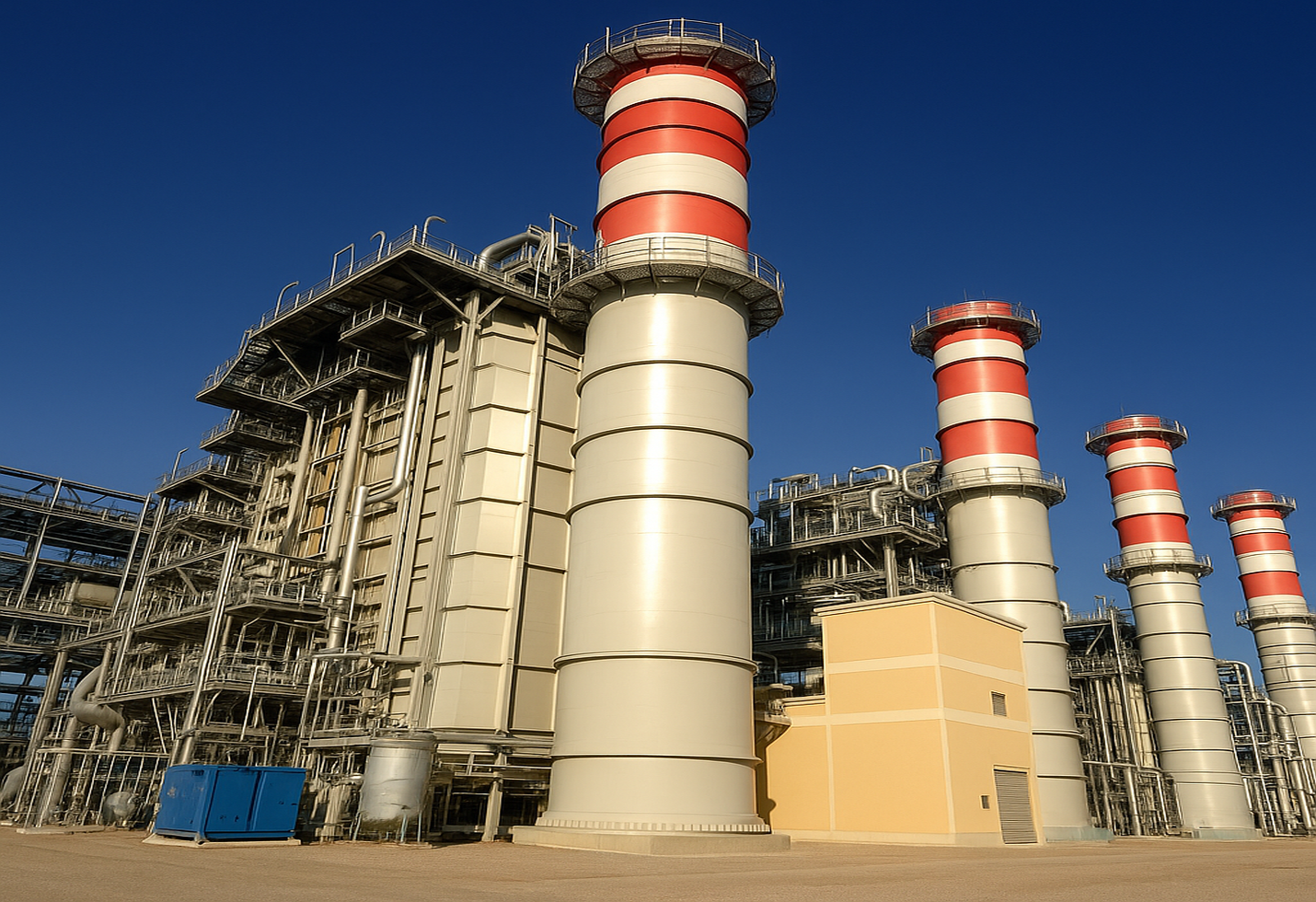
Aditya Birla Acquires Cargill’s U.S. Chemical Plant!

Grainspan Boosts Ethanol Output with ₹520 Crore Investment in Gujarat Plants

Aditya Birla Acquires Cargill's U.S. Chemical Plant!

Aditya Birla Acquires Cargill’s U.S. Chemical Plant!


By acquiring Cargill’s Dalton facility, Aditya Birla Group is strategically positioning itself in the U.S. chemicals market, reinforcing its ambition of becoming a global leader in speciality manufacturing.

Summary:
The Aditya Birla Group has purchased Cargill’s speciality chemical production plant in Dalton, Georgia, via its U.S. subsidiary, Aditya Birla Chemicals (USA) Inc. This acquisition marks the conglomerate’s first direct foray into the American chemical manufacturing space and is aligned with its long-term strategy of scaling up its global chemicals portfolio. Plans are underway to expand the facility’s capacity and diversify product lines catering to sectors such as automotive, construction, and renewable energy.

A Landmark Deal in Global Expansion Strategy
In a significant move that underscores its commitment to international growth, the Aditya Birla Group has announced its purchase of Cargill’s speciality chemical manufacturing plant located in Dalton, Georgia, USA. This transaction, carried out through its U.S. subsidiary, Aditya Birla Chemicals (USA) Inc., represents an essential achievement in the conglomerate’s long-term plan to enhance its international chemicals portfolio and strengthen its foothold in the largest industrial economy in the world.
This acquisition allows the Indian multinational to penetrate the U.S. specialty chemicals market, which is valued at over $300 billion and plays a crucial role in downstream sectors such as automotive, electronics, packaging, and renewable energy.

Strategic Fit: Why the Deal Matters
The acquisition serves not merely as an expansion strategy—it aligns strategically for several key reasons:
-Geographic Diversification:
By incorporating North America into its manufacturing network, alongside existing operations in India, Thailand, Germany, and China, this move mitigates geopolitical and supply chain uncertainties.
-Access to a Mature Market:
The United States boasts a substantial population of global OEMs and chemical purchasers. Setting up a local manufacturing plant will allow Aditya Birla Group to respond to customers more quickly, reduce logistics costs, and improve local research and development, as well as compliance efforts.
-Product Portfolio Synergy:
The Dalton facility specializes in a variety of speciality chemicals that perfectly complement Aditya Birla’s current offerings, including those used in polyurethane, adhesives, coatings, and clean energy sectors.
-Focus on Sustainability:
Cargill’s Dalton plant was recognized for its commitment to renewable feedstocks and sustainable production methods, aligning well with Aditya Birla’s Environmental, Social, and Governance (ESG) goals.

Plans Post-Acquisition: Capacity Expansion and Innovation
Aditya Birla Chemicals has developed an ambitious strategy following its acquisition, which includes:
– Capacity Expansion: The company plans to make substantial investments to enhance production capabilities over the next 2-3 years.
– New Product Launches: It aims to introduce advanced polymer additives, battery chemicals, and bio-based formulations tailored for sectors such as electric vehicle manufacturing, solar energy, wind power, and high-performance construction.
– Localized R&D Capabilities: A technical application lab will be established next to the plant to collaborate with customers in the U.S. This initiative will enable the company to adapt solutions to meet local market demands and speed up the innovation process.

The Bigger Picture: Chemicals as a Core Growth Engine
The Aditya Birla Group, a global conglomerate valued at over $65 billion, has recognized the chemicals sector as a major growth opportunity. The group already has significant operations in:
– Chlor-alkali
– Epoxy resins
– Phosphates
– Agrochemicals
– Carbon black
In FY2024, Aditya Birla Chemicals reported revenues surpassing ₹10,000 crore, achieving double-digit EBITDA margins along with strong year-on-year growth. With the increasing demand for high-performance, environmentally friendly, and application-specific chemicals, the group views the U.S. market as a promising area for expansion. This acquisition will further transform the group from a producer of commodity chemicals to a provider of specialized solutions, thereby enhancing its range of value-added products.

Global Industry Context: The Right Time to Invest
The timing of this acquisition is strategic, considering the current global economic and industrial trends:
1. Reshoring of Supply Chains: With the U.S. government advocating for domestic manufacturing in crucial sectors, companies with a local presence are likely to reap the benefits.
2. Green Energy Transition: There is a rapidly increasing demand for speciality chemicals that are essential for batteries, solar coatings, and lightweight composites.
3. Automotive Electrification: Electric vehicle manufacturers are increasingly looking for localized, high-performance chemical inputs to minimize carbon emissions.
By obtaining a scalable asset situated in the heart of the U.S. manufacturing area, Aditya Birla sets itself up to take advantage of these enduring megatrends.

Leadership Commentary
Mr. B. K. Goenka, Head of Aditya Birla Chemicals, commented:
“This acquisition is not just about capacity addition; it is about capability enhancement. With a strong asset base in the U.S., we can now engage directly with global customers, co-create solutions, and drive sustainable growth in high-tech, high-value sectors.”

Future Outlook: What Lies Ahead
The integration of Cargill’s Dalton facility is anticipated to be finalized by the third quarter of fiscal year 2026, contingent upon regulatory approvals and transition planning. At the same time, Aditya Birla Chemicals is looking for more bolt-on acquisitions and partnerships in the Americas to enhance its innovation pipeline.
Market analysts predict that the deal could increase the company’s consolidated speciality chemicals revenue by 15-20% over the next three years, driven by growth in both volume and value. Additionally, this initiative enhances the group’s standing as a reliable global provider of regulated and high-performance applications, paving the way for strategic collaborations and greater customer loyalty.

Conclusion: A Strategic Leap Forward
The acquisition of Cargill’s specialty chemical manufacturing facility by the Aditya Birla Group serves as a prime example of successful strategic capital investment. This move not only signifies the group’s formal entry into the U.S. chemical manufacturing sector but also highlights its enhanced commitment to innovation, sustainability, and achieving global market leadership.
As the world transitions towards clean energy, advanced materials, and next-generation manufacturing, Aditya Birla’s broadened capabilities and geographic presence will be crucial in shaping the future of industrial chemistry.


The image added is for representation purposes only

Newgen Software Wins Global Deal, Shares Surge

Energy tech spin-outs: Why Kraken’s $8.65bn valuation matters for software stocks

Newgen Software Wins Global Deal, Shares Surge

Newgen Software Wins Global Deal, Shares Surge

Company Secures \$2.5M Contract Over Five Years

On June 5, 2025, Newgen Software Technologies Ltd. witnessed a sharp rise in its stock price, climbing 9% to ₹1,335.70 during intraday trade. This boost came right after the firm revealed it had landed a new overseas deal worth \$2.5 million, which will be carried out across a five-year span.

This fresh agreement highlights Newgen’s widening international influence and further strengthens investors’ trust in the firm’s growth potential.

Main Takeaways:

Details of the Agreement:
The newly acquired \$2.5 million contract will be fulfilled over a five-year period, showcasing Newgen’s ability to deliver consistent and scalable services to global clients.

Stock Market Reaction:
The market welcomed the news, driving the company’s stock price up by 9%. This positive movement reflects growing investor optimism surrounding Newgen’s long-term business strategy.

Strategic Value:
The contract is in line with Newgen’s broader goal of diversifying income sources and solidifying its position in international markets.

Financial Snapshot:

In the first nine months of fiscal year 2024–25, Newgen posted strong financial results. Operational revenue saw a 22% year-on-year increase, reaching ₹1,057 crore. Net profit rose 41% during the same period, climbing to ₹207 crore. These numbers demonstrate the firm’s operational strength and financial stability.

Other Major Developments:

Earlier this year, Newgen signed another major contract—this one valued at \$1.93 million—with a U.S.-based client. These consecutive wins highlight the company’s growing reputation and ability to consistently attract large-scale enterprise deals abroad.

Final Thoughts:

The announcement of a new $2.5 million icontract has sparked a jump in Newgen Software’s share price. This not only contributes to the company’s already strong financial outlook but also confirms its ongoing international expansion and effective business planning.

Summary:

Newgen Software’s shares surged by 9% after the company secured a five-year international contract valued at \$2.5 million. This success builds on previous overseas deals and reflects strong investor confidence in the company’s strategic direction and global growth efforts.


The image added is for representation purposes only

Japan Reintroduces Super-Long Bonds Amid Market Doubt

Bajaj Finance Stock Split and Bonus Shares: Turning 10 Shares into 100

Japan Reintroduces Super-Long Bonds Amid Market Doubt

Japan Reintroduces Super-Long Bonds Amid Market Doubt

With the global appetite for long-duration bonds waning, Japan is moving forward with another issuance of super-long-term debt, showcasing its resolve amid rising yields and unpredictable demand conditions.

Summary:
Japan’s Ministry of Finance is re-entering the capital markets with a new issuance of super-long-term bonds, even amidst disappointing demand at recent auctions. This action brings Japanese debt into focus globally as governments worldwide contend with changing interest rate expectations, inflation challenges, and declining interest from investors in long-duration securities.

Japan’s Long-End Debt in Focus Amid Rising Global Yields
The Japanese government is once again testing the waters of global fixed-income markets, announcing the sale of a fresh tranche of super-long-term bonds—often classified as 30-year and 40-year maturities. This move comes at a time when sovereign debt markets across the globe are experiencing significant volatility, with inflation still sticky in many regions and central banks re-evaluating rate paths.
Recent auctions of long-duration Japanese Government Bonds (JGBs) have fallen short of expectations, marked by tepid investor interest, particularly at the longer end of the yield curve. Yet, the Ministry of Finance remains committed to its issuance calendar, a decision that underscores both fiscal necessity and confidence in future demand resurgence.

Dismal Auction Results: A Signal or an Aberration?
In April and early May 2025, Japan witnessed some of its most lacklustre super-long bond auctions in recent memory. Bid-to-cover ratios dropped notably, and yields had to be priced higher than initially forecast to clear the books. The poor performance at the 30-year and 40-year auctions raised concerns among bond dealers and institutional investors alike.
Market analysts point to several contributing factors:
Rising global interest rates, led by the U.S. Federal Reserve and European Central Bank
Japan’s own shift away from ultra-loose monetary policy prompted fears of higher domestic yields
A flattening yield curve, reducing the incentive for duration risk-taking
Despite these challenges, the government has decided to proceed with its issuance plans, suggesting either optimism about improving demand conditions or limited flexibility due to the country’s significant fiscal obligations.

The Structural Imperative: Japan’s Ballooning Debt Load
Japan’s debt-to-GDP ratio, the highest among developed economies, hovers around 263%. While the country has historically financed its deficits through domestic investors—especially institutional players like pension funds and life insurers—the demographics of ageing Japan are beginning to challenge this model.
With lower household savings and an ageing population beginning to draw down their retirement portfolios, Japan may increasingly look to foreign investors to fill the gap. However, attracting international capital requires competitive yields and stable currency expectations—conditions that are currently in flux.
To this end, the issuance of super-long-term bonds could serve dual purposes:
Securing relatively low borrowing costs before interest rates increase further.
To minimize rollover risks associated with national debt, it is advisable to extend its maturity profile.

Global Context: Waning Appetite for Long-Term Debt
Japan is not the only country experiencing weak demand at the longer end of the curve. In the U.S., 30-year Treasury bond auctions have similarly suffered from investor pullback amid uncertainty about inflation persistence and future rate hikes. In Europe, the issuance of ultra-long bonds by countries like Germany and France has also met with limited enthusiasm.
What makes Japan’s situation more unique is the reversal of the Bank of Japan’s ultra-accommodative stance. For years, the central bank suppressed yields through Yield Curve Control (YCC), buying vast amounts of JGBs to anchor long-term rates near zero. With the exit from YCC and talk of eventual interest rate hikes gaining momentum, investors are wary of locking in returns at historically low levels for decades.

Market Sentiment: Who’s Still Buying?
Despite the broader headwinds, some buyers remain. Japan’s long-term institutional investors—such as:
Japan Post Bank
Nippon Life Insurance
GPIF (Government Pension Investment Fund)
—Long-duration bonds are still attractive for asset-liability matching purposes. These players value predictable returns over decades and are less concerned with short-term mark-to-market losses.
Moreover, with the yen weakening against the dollar and other currencies, foreign investors may find JGBs appealing if currency-hedged yields remain attractive relative to their home markets. However, hedging costs have risen, and currency volatility is an ongoing concern.

What to Watch Ahead
The upcoming auction will serve as a critical litmus test of how investors perceive Japan’s fiscal stability, central bank direction, and long-term inflation outlook. Analysts will closely watch:
Bid-to-cover ratios
Yield spreads compared to previous auctions
Participation from foreign institutions
If the auction garners strong demand, it could restore confidence in Japan’s bond market and help finance future fiscal spending without undue pressure on yields. Conversely, a weak showing may reignite concerns about debt sustainability, especially in an environment of rising global interest rates.

Conclusion: A High-Stakes Move in Uncertain Times
Japan’s decision to push forward with another round of super-long-term bond sales is both bold and necessary. While market sentiment remains cautious, and demand at the longer end of the curve is under pressure, this issuance reflects Tokyo’s broader strategy of proactive debt management in an increasingly complex macroeconomic landscape.
As the country transitions from decades of deflation and ultra-low rates, how it manages its vast sovereign debt—and how investors respond—will be critical not only for Japan’s fiscal health but also for the stability of global fixed-income markets.


The image added is for representation purposes only

Bhartia’s NCDs Soar 1.9x for Coca-Cola Stake!