Menu

StockMarketNews

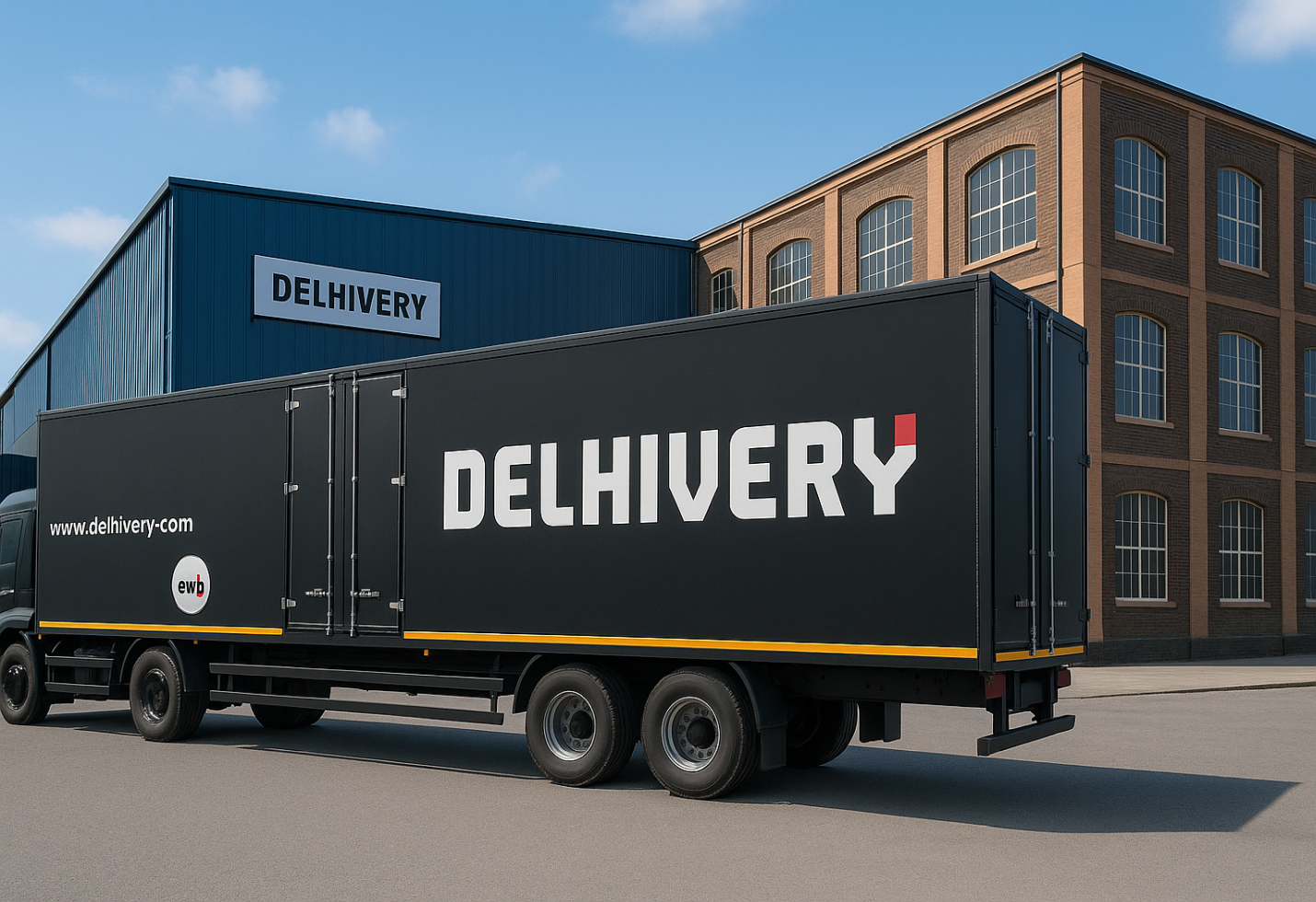
Delhivery Q2 FY26 — Revenue Up 17% Yet Back in the Red

Delhivery’s Stellar Quarter: Profit Surges 190% Sequential

Delhivery’s Stellar Quarter: Profit Surges 190% Sequential


Robust demand, operational efficiencies, and network strength drive growth

Delhivery Ltd., India’s leading logistics and supply chain solutions provider, has delivered an outstanding performance for the fourth quarter of FY25. The company reported a massive 190% quarter-on-quarter (QoQ) jump in net profit , reaching ₹72.6 crore, compared to ₹25 crore in the previous quarter. This marks a strong turnaround for the company that had faced headwinds in earlier quarters, particularly due to macroeconomic pressures and seasonal fluctuations.

The company’s financial performance during Q4 is a testament to its improving operational efficiency, strategic focus on profitable growth, and an uptick in demand across core business segments including express parcel services, part-truckload (PTL), and third-party logistics (3PL) warehousing.

Revenue and Margins Witness Robust Growth

This growth was fueled by an expansion in service offerings and increasing market demand from e-commerce and enterprise clients alike. Compared to the previous quarter, revenue showed a mild uptick of around 5%, which when combined with aggressive cost control, contributed to the sharp rise in profitability.

What stood out in this quarter’s performance was the significant improvement in EBITDA margins , which expanded to 6.1% versus 3.4% in Q3. The company attributed this to better yield management, automation-led efficiency gains, and tighter control over fixed overheads. Additionally, network optimization and reduced capacity under-utilization helped in reducing variable costs per shipment.

Segment Performance: Express and PTL Lead the Way

Delhivery’s express parcel services segment continued to be its largest revenue contributor, benefiting from e-commerce tailwinds and improved service levels. Shipment volumes rose by 9% sequentially, and the average revenue per shipment also witnessed moderate growth due to better product mix and premium services adoption.

The PTL freight business also saw robust traction, with volumes increasing 14% QoQ, driven by higher demand from small and medium enterprises (SMEs) and MSMEs, particularly from tier-2 and tier-3 cities. The company noted that its Spot platform — which connects shippers with real-time capacity — played a vital role in scaling this segment efficiently.

Delhivery’s supply chain services and warehousing verticals also witnessed expansion , as customers increasingly opted for integrated logistics solutions. While still a relatively smaller portion of the overall revenue pie, this segment is gaining strategic importance due to higher margins and sticky client relationships.

Strategic Initiatives and Technology Investments

Delhivery continued to invest in cutting-edge automation and AI-driven logistics platforms, which played a pivotal role in streamlining operations. During the quarter, the company enhanced its pan-India network coverage by operationalizing new hubs and strengthening connectivity in underpenetrated geographies.

In addition, the management revealed a **renewed focus on improving working capital efficiency, which helped reduce outstanding receivables and improve cash flows. Inventory turns improved in line with warehouse digitization and predictive demand tools, further reinforcing operational resilience.

The company has also deepened its partnerships with major e-commerce players, D2C brands, and industrial clients to offer customized logistics solutions, thereby driving cross-selling and upselling opportunities.

Management Commentary and Future Outlook

Commenting on the Q4 performance, CEO Sahil Barua stated, Our focus on execution, network efficiency, and product innovation has resulted in a resilient quarter. We are encouraged by the broad-based improvement across business segments and believe this momentum will carry into FY26.

The management guided for double-digit revenue growth in FY26,backed by improving demand, new client wins, and ongoing investments in capacity and technology. It also hinted at the possibility of select acquisitions to enhance last-mile capabilities and international freight forwarding reach.

Delhivery also reaffirmed its goal of sustainable EBITDA-level profitability, indicating that the worst of its margin compression phase may be behind it. Analysts tracking the logistics space view Delhivery as a structurally sound play in India’s growing digital commerce infrastructure.

Market Reaction and Analyst Takeaways

Following the strong results, Delhivery’s shares surged over 6% in intraday trade, reflecting investor confidence in the company’s turnaround story. Several brokerages have revised their target prices upwards, citing strong volume growth, operating leverage, and the company’s expanding market share in organized logistics.

The stock, which had faced pressure in previous quarters due to high fixed costs and muted demand, is now being seen as a key beneficiary of India’s logistics sector formalization and increasing digital penetration in supply chains.

Summary

Delhivery recorded a significant 190% rise in its net profit for Q4 FY25, reaching ₹72.6 crore, fueled by enhanced operational efficiency and strong demand across its logistics services. Revenue grew to ₹2,076 crore, supported by better cost management and increased shipment volumes in its express and part-truckload (PTL) businesses. Margin expansion and strategic investments in automation further strengthened the company’s performance. With optimistic management guidance and improving sector dynamics, Delhivery is well-positioned for steady growth in the coming fiscal year.


The image added is for representation purposes only

Investor Wealth Jumps ₹26.48 Lakh Crore as Markets Hit Historic Weekly High


Nvidia Surpasses Apple, Becomes Most Valuable Ever!

Apple Shares Plummet Below $200 After Strong Earnings

Apple Shares Plummet Below $200 After Strong Earnings

Apple announced earnings and revenue that exceeded expectations; however, investors are still wary, as AAPL fell more than 7% from last week’s peak, breaching the critical $200 support level.

Summary:

Apple Inc. delivered better-than-expected earnings in its latest quarterly report, beating Wall Street forecasts on EPS and revenue. However, its stock fell sharply below the $200 level, erasing recent gains. Despite solid fundamentals, concerns around weak iPhone demand, cautious guidance, and broader tech market pressure weigh on investor sentiment.

Apple Beats Expectations, But Stock Slides

In an unexpected twist, Apple Inc. (AAPL) delivered a strong quarterly performance last week but experienced a significant decline in its stock soon after. The company announced earnings per share (EPS) of $1.65, surpassing analysts’ predictions of $1.63, and reported revenue of $95.36 billion, which exceeded the anticipated $94.5 billion.
Despite reporting better-than-expected results, Apple’s stock dropped below the critical $200 level, reflecting a 7% decline from its peak the previous week, which has left many investors puzzled. Currently, AAPL is trading around $197, having dropped below a key technical support level that traders had been watching closely.

Market Reaction: Strong Report, Lukewarm Response

Apple’s Q2 results were considered solid, though not extraordinary. The company succeeded in:
– Surpassing expectations in terms of both revenue and profit.
– Maintaining solid profit margins amid a challenging economic environment.
– Achieving moderate growth in its services sector and wearables
However, investors remained unconvinced. The lackluster response from the market indicates that Wall Street had anticipated a robust quarter and was seeking forward guidance or significant innovation drivers, areas where Apple’s report did not meet expectations.

The Core Numbers: A Deeper Dive

Quarterly Highlights:
– Earnings per share: $1.65 (compared to the expected $1.63)
– Revenue: $95.36 billion (above the anticipated $94.5 billion)
– Gross Margin: 44.6%, which is mostly in line with projections
– Services Revenue: $23.9 billion (exceeding the forecast of $23.7 billion)
– iPhone Revenue: $46 billion (slightly below expectations)
While Apple’s services division maintained consistent growth and the overall results surpassed expectations, iPhone sales fell short, particularly in China and emerging markets. This may have affected investor confidence.

Why Did the Stock Fall?

Even though the results exceeded estimates, several significant concerns may have contributed to the market’s lukewarm reaction:
1. Weak iPhone Growth
Apple’s most significant product line is the iPhone, accounting for nearly half its revenue. Any decline in this area—especially in an environment of stagnant smartphone upgrades and rising competition in Asia—tends to alarm investors. This quarter’s growth was modest compared to last year, raising fears about sustained demand.
2. Weak Forward Guidance
Apple did not provide a clear or optimistic forecast for the upcoming quarters. With ongoing macroeconomic challenges like inflation, cautious consumer spending, and global supply chain uncertainties, investors were hoping for more reassurance, which was not fully delivered.
3. Technical Selloff
The stock’s drop below $200, a crucial psychological and technical threshold, likely triggered automated stop-loss orders and prompted short-term profit-taking by institutional investors, worsening the decline.
4. Wider Tech Sector Pressure
Other tech giants, such as Microsoft, Amazon, and Alphabet, have also experienced recent declines as investors shift away from tech stocks and invest in cyclical sectors, anticipating interest rate normalization and geopolitical instability. Given its status as a key player in the S&P 500 and Nasdaq, Apple often gets caught in these sector-wide downturns.

Analyst Reactions: Still a Buy?

Despite the decline, numerous analysts continue to hold a “Buy” or “Overweight” rating on Apple stock for several reasons:
– There is a robust services ecosystem that produces consistent revenue.
– Apple maintains a strong balance sheet and regularly generates free cash flow.
– The organization is dedicated to AI, wearable devices, and health technology innovation.
However, they warn that valuation multiples appear high, and any indications of stagnation in critical revenue sectors, such as iPhones or sales in China, could lead to additional corrections. JP Morgan has set a target price of $225, while Morgan Stanley has recently updated its target to $215, acknowledging macroeconomic pressures but still affirming Apple’s long-term brand strength.

Should Investors Worry?

For long-term investors, Apple’s fundamentals are still strong. The company has:
– Over $60 billion in quarterly cash flow
– An extensive buyback initiative, including a new $110 billion authorization
– Leadership in crucial innovation sectors, such as chip design (M-series), spatial computing (Vision Pro), and AI integrations
Apple has historically faced short-term fluctuations, and the current market correction might present a buying opportunity for those with a medium- to long-term investment perspective. However, traders and short-term investors should be cautious, as the stock may experience volatility in the $195–$205 range until more explicit guidance or catalysts come into play.

Several upcoming factors may influence the trajectory of Apple’s stock:

– The WWDC event in June is anticipated to showcase AI advancements and operating system innovations
– Insights into Vision Pro sales and developer engagement
– Growth in AI-driven services and improvements to the ecosystem
– Updates regarding the recovery of demand in China and performance in emerging markets
As the Vision Pro launch is just beginning and the company’s AI initiatives are subtly integrated into its primary apps, Apple might catch the markets off guard later this year.

Conclusion

Even with a strong earnings report, Apple’s drop below $200 highlights a significant market reality — exceptional performance doesn’t guarantee success when investor expectations are incredibly high and future projections are uncertain. Although the company’s fundamentals are solid, short-term challenges may continue until Apple introduces its next major innovation or rebounds in its main product areas.


The image added is for representation purposes only

WhiteHat Jr Founder Secures $16M for US Cancer Care Venture, Complement1


Suzlon Soars 2% After Sealing Its Biggest Deal of FY26

Motilal Oswal Projects 30% Upside in Suzlon Energy Shares Amid Sector Tailwinds

Motilal Oswal Projects 30% Upside in Suzlon Energy Shares Amid Sector Tailwinds


Suzlon Energy, a key player in India’s renewable energy landscape, has garnered renewed attention from investors after brokerage firm Motilal Oswal raised its target price on the stock, citing strong upside potential of up to 30%. The upgrade comes at a time when India’s wind energy sector is seeing a resurgence, fueled by supportive policy changes, rising demand for clean energy, and robust execution from domestic manufacturers. Suzlon, being one of the largest wind turbine manufacturers in the country, stands to benefit significantly from these trends.

Regulatory Tailwinds Boosting Prospects

One of the primary reasons behind the bullish outlook is the introduction of a revised RLMM (Revised List of Models and Manufacturers) notification by the government. This draft policy emphasizes the use of locally manufactured components in wind turbines. For Indian OEMs like Suzlon, this regulation could significantly increase market share by restricting competition from foreign players and encouraging project developers to choose domestic manufacturers.

Motilal Oswal analysts noted that Suzlon, with its integrated manufacturing facilities and strong domestic presence, is well-positioned to benefit from this shift. The company’s end-to-end capabilities, including R&D, manufacturing, project execution, and operations and maintenance, give it a strategic advantage in leveraging government-driven demand for local content.

Expanding Market Share and Execution Capabilities

India’s wind energy market, while historically underutilized, is now poised for a substantial comeback. Current data indicates that Indian OEMs are capturing only 50–60% of the new wind energy orders. Suzlon is expected to enhance its market share considerably in the coming years due to its longstanding industry presence and the push for localization.

The company’s ability to manufacture critical components in-house, such as nacelles, blades, and towers, reduces reliance on imports and makes Suzlon a preferred vendor in the wake of new policy reforms. Furthermore, its wide network of service facilities and expertise in maintenance strengthens its after-sales proposition — a critical factor in long-term contracts.

Financial Strength Reinforces Analyst Confidence

Suzlon’s recent financial performance has reinforced market confidence. In the fourth quarter of FY24, the company reported revenue of ₹2,200 crore, reflecting a 30% year-on-year growth. More significantly, EBITDA rose 53% to ₹360 crore, reflecting not only higher execution but also improved operational efficiency.

One of the most crucial financial milestones achieved by the company is its transition to being net debt-free. This move significantly reduces financial risk and allows Suzlon to focus on expansion, R&D, and order execution without the overhang of interest burden. The cleaned-up balance sheet also improves its creditworthiness, potentially helping it secure new contracts with favorable terms.

Robust Order Book Ensures Future Revenue Visibility

Another compelling reason behind Motilal Oswal’s optimism is Suzlon’s record-breaking order backlog. The company has an order book of 5.9 GW — its highest ever — providing revenue visibility for the next several quarters. This backlog indicates strong market trust in Suzlon’s execution ability and also showcases the demand revival in India’s wind energy sector.

Industry forecasts suggest that India will add 32 GW of wind capacity between FY25 and FY30. Suzlon is expected to be a major contributor to this growth. Its strong pipeline and proven track record in executing large-scale projects position it well to capitalize on the expected upturn in capacity addition.

Broader Market Support

Motilal Oswal isn’t alone in its bullish view. Other brokerage firms such as Morgan Stanley and JM Financial have also raised their target prices for Suzlon. Morgan Stanley recently upgraded Suzlon to ‘Overweight’ with a target price of ₹71, pointing to the company’s potential to increase its market share to around 40% by FY27. Similarly, JM Financial has a target price of ₹71, citing improved execution and a healthy backlog.

Investec also initiated coverage on Suzlon with a ‘Buy’ rating, indicating a 30% upside. According to these brokerages, Suzlon is well aligned with the Indian government’s renewable energy mission and stands out as one of the few fully integrated domestic players capable of delivering scale and quality.

Conclusion

The confluence of policy support, financial turnaround, increasing domestic demand, and strong execution capacity has made Suzlon Energy a compelling story in India’s green energy transition. With a robust order book, zero net debt, and improving profit margins, Suzlon is set to play a central role in India’s wind energy growth over the next decade. Motilal Oswal’s target upgrade, backed by fundamental and structural growth factors, reinforces investor confidence and indicates that Suzlon may well be on its way to delivering solid returns in the near future.


The image added is for representation purposes only

Virtual Galaxy Infotech IPO Soars: Over 200x Subscribed!


Liquor stocks beat FMCG peers in one year; 3 rally drivers & 3 future growth triggers

Asian Stocks Surge on Positive China Trade News

Asian Stocks Surge on Positive China Trade News


Markets in Asia-Pacific opened on a high note as investors welcomed positive signals from the ongoing trade discussions between China and the United States, fueling hopes of easing geopolitical tensions and boosting global economic sentiment.

Summary:

Asian equities surged on Monday, with major indices in Japan, South Korea, and Australia registering substantial gains. The Topix index in Japan extended its winning streak to 12 consecutive sessions — the longest since 2017 — as market optimism was fueled by renewed China-US trade dialogue. Meanwhile, US futures also pointed higher, indicating investor confidence in improved trade relations and global economic stability.

Markets Cheer Progress in China-US Trade Talks

Asian stock markets surged early Monday as investors reacted positively to signs of progress in trade negotiations between the world’s two largest economies — China and the United States. This renewed diplomatic engagement between Beijing and Washington reignited hopes for more stable global trade relations, prompting a broad-based rally across Asia-Pacific markets.
Stocks in Japan, South Korea, and Australia all saw gains as trading began. Japan’s Topix index increased for the 12th straight session, achieving its longest streak of victories since October 2017. This rally reflects rising investor confidence in the global macroeconomic environment, supported by softening inflation in the US and recent signs of recovery in the Chinese economy.

Topix’s Bull Run Hits 12-Day Milestone

Japan’s Topix index — a broader measure of the Tokyo Stock Exchange beyond the Nikkei 225 — rose again on Monday, marking 12 straight days of gains, a milestone not seen in nearly seven years. This sustained rally is attributed to strong corporate earnings, a weaker yen boosting exporters, and positive sentiment around trade developments.
The Japanese yen held near multi-week lows, supporting automakers and other large export-driven sectors. Key companies such as Toyota, Sony, and Mitsubishi Electric saw notable gains, while tech and financial stocks added to the momentum.
The Nikkei 225 also remained buoyant, rising steadily toward its multi-decade highs as investor appetite for Japanese equities increased amid relatively stable domestic conditions and improving global outlooks.

South Korean and Australian Markets Also in the Green

The KOSPI index in South Korea also increased, buoyed by gains from major technology companies like Samsung Electronics and SK Hynix. Investors welcomed data indicating steady exports and robust demand for semiconductors, aligning with expectations of a recovery in global chip demand.
The stock market in Australia opened higher, supported by increases in the mining and financial sectors. The ASX was buoyed by an uptick in iron ore prices and a positive earnings outlook among the country’s major banks and resource exporters. Since China is Australia’s largest trading partner, Australian traders are cautiously optimistic about stabilizing China’s economy.

US Futures Reflect Optimism

US equity futures rose alongside the Asian markets, signaling that Wall Street may open on a higher note. Futures tied to the Dow Jones Industrial Average, S&P 500, and Nasdaq 100 all posted modest gains in premarket trading, reflecting optimism around a potential thaw in US-China trade relations.
This comes amid speculation that high-level trade representatives from both countries may meet in the coming weeks to discuss tariff reductions and supply chain cooperation. Investors hope such engagement could result in a more predictable and open trading environment, reducing risks to global GDP growth.

China’s Economic Pivot Encourages Bulls

Recent actions by the People’s Bank of China (PBoC) to provide liquidity to the financial system, combined with indications from Chinese officials to enhance consumer demand and support the private sector, have significantly improved investor confidence.
Although China’s property market remains a concern, government efforts to stabilize housing prices and increase credit to real estate developers are slowly restoring confidence. Analysts suggest that further structural reforms and pro-business policies from Beijing could accelerate China’s recovery and ripple positively across Asian economies.

Cautious Optimism Amid Uncertainties

While markets have welcomed the positive headlines, investor caution remains. Global uncertainties such as interest rate trajectories in the US, geopolitical risks in the Middle East, and concerns about China’s long-term economic rebalancing still linger. Nevertheless, traders focus on near-term gains fueled by improving macroeconomic indicators and policy coordination among leading economies.
Oil prices, meanwhile, held steady amid hopes that a more stable US-China relationship would prevent supply disruptions and improve demand forecasts. Brent crude stayed around $83 per barrel, while WTI was approximately $79 per barrel.

Analyst Insights: The Road Ahead

Financial strategists view the current rally as reflective of both relief and recalibration. Morgan Stanley says, “Markets are reacting to the easing of trade tensions, but it’s also a recalibration of risk premiums. Investors are adjusting their strategies in anticipation of a global soft landing scenario.”
Goldman Sachs echoed similar sentiments, emphasizing that while risks remain, “continued improvement in global manufacturing indices and a revival of cross-border trade could support equities into the second half of the year.”

Conclusion: Optimism Returns to Asian Bourses

The positive momentum in Asian equities and rising US futures underscores a broader shift in investor mood. The renewed engagement in China-US trade talks has provided a welcome boost to sentiment, encouraging market participants to re-enter risk assets with greater confidence.
While uncertainties persist, today’s rally reflects a rekindling of optimism that diplomacy, policy stimulus, and economic recovery can converge to drive sustainable growth. As the week unfolds, investors will closely watch for official trade announcements and financial data that could either sustain or temper this newfound enthusiasm.


The image added is for representation purposes only

Fenesta Invests in DNV Global to Strengthen Industry Hold

Britannia Butters Up Bottom Line: Q4 Profit Rises 5% to ₹557 Cr

Britannia Butters Up Bottom Line: Q4 Profit Rises 5% to ₹557 Cr

Britannia Butters Up Bottom Line: Q4 Profit Rises 5% to ₹557 Cr


Britannia Industries reported a net profit of ₹557 crore for Q4 FY25, up 5% from last year. Annual revenue hit ₹16,859.2 crore, reflecting a 5.8% increase driven by strong demand and cost optimization.

Summary:

Britannia Industries announced a 5% increase in its consolidated net profit, which amounted to ₹557 crore for the fourth quarter of FY25. The company’s annual revenue grew by 5.8%, totalling ₹16,859.2 crore, and its net profit for the fiscal year increased to ₹2,130.2 crore. This performance highlights effective cost management and steady results in core categories despite inflationary challenges and difficulties in rural demand.

Britannia Shows Resilience with Steady Growth in Q4 FY25

Britannia Industries, a leading player in India’s FMCG sector, has demonstrated its resilience in Q4 FY25 by achieving strong financial results despite challenges such as fluctuating commodity prices, inflation, and a slow recovery in rural markets. For the quarter ending March 31, 2025, the company reported a net profit of ₹557 crore, reflecting a 5% year-on-year growth, which indicates effective operational execution and strategies for protecting margins.

This quarterly performance contributed to an annual revenue of ₹16,859.2 crore for FY25, representing a 5.8% increase from the previous year. The net profit for the year also rose 2.3%, reaching ₹2,130.2 crore, showcasing a stable performance across various product categories.

Financial Highlights: Q4 FY25 and Full-Year Performance

Particulars Q4 FY25 Q4 FY24 % Change (YoY)
Revenue from Operations ₹4,260 crore ₹4,050 crore +5.2%
Net Profit ₹557 crore ₹530 crore +5.0%
EBITDA Margin ~18.8% ~18.3% +50 bps
FY25 Revenue ₹16,859.2 crore ₹15,927.6 crore +5.8%
FY25 Net Profit ₹2,130.2 crore ₹2,082.8 crore +2.3%

Even with global challenges and rising input expenses, the slight increase in profitability highlights Britannia’s strategic focus on cost optimization, value engineering, and operational efficiency. The company’s capacity to sustain gross margins in fluctuating commodity prices, particularly wheat, sugar, and milk, showcases its remarkable resilience.

Management Commentary: Focus on Cost Control and Product Innovation

In a statement regarding the company’s performance, Varun Berry, Vice Chairman & Managing Director of Britannia Industries, remarked: 

“We have consistently performed well this year, maintained our margins and increasing market share across various categories. Our teams have shown agility and efficiency in the face of challenges in the commodity market and a slow recovery in rural demand. We are committed to enhancing our distribution network and developing our brands for the future.”  

The company’s focus on premium products, expansion into the dairy sector, and exploration of opportunities in snacking and health-oriented foods yield positive results. Britannia’s recent products, including milk-based beverages, croissants, and plant-based health snacks, have gained notable popularity, particularly in urban and semi-urban areas.

Rural Demand Remains Soft, Urban Markets Drive Growth

Rural India contributes approximately 30–3 Britannia’s sales and has shown only a slight recovery due to inflationary challenges and inconsistent monsoons. Nevertheless, the company has successfully broadened its rural distribution networks by focusing on low-unit packs (LUPs) and value-for-money options to appeal to budget-conscious consumers. 

In contrast, urban markets emerged as the primary source of growth during the quarter, benefiting significant modern trade and e-commerce channels. The company’s digital commerce division experienced double-digit growth, supported by partnerships with various platforms, including Quick Commerce, which Britannia has actively pursued.

Key Growth Drivers: Innovation, Supply Chain, and Global Expansion

Britannia is progressing in its supply chain by utilizing data-driven insights and updating its warehousing facilities. The company has introduced new manufacturing lines in Uttar Pradesh and Tamil Nadu, enhancing Britannia’s efficiency and lowering logistics expenses. 

On an international scale, Britannia’s operations in Gulf countries, Nepal, Bangladesh, and Africa have helped mitigate some challenges in the domestic market. The company has experienced double-digit growth in its international business, with an increasing export revenue. 

Furthermore, innovations in health and wellness, such as high-fiber biscuits, sugar-free options, and protein-rich cookies, have allowed the company to meet the changing preferences of India’s health-conscious middle class.

Outlook: Optimistic but Cautious

In FY26, Britannia anticipates a stronger recovery in rural markets, bolstered by an expected normal monsoon, increased pre-election spending, and government programs like PM-KISAN and free ration distributions. Commodity prices are projected to stabilize, which may help alleviate some margin pressures.

Nevertheless, the company remains vigilant regarding global inflation trends, fluctuating interest rates, and currency volatility, particularly with its expansion into international markets.

Britannia’s plans include:

– Diversifying its product offerings in snacking and dairy

– Bolster direct sales presence across Tier-2 and Tier-3 locations

– Increasing investments in digital and automation initiatives

– Refining its strategies to align with ESG principles

Conclusion: Steady Execution Amid Economic Challenges

Britannia Industries’ Q4 and FY25 results demonstrate a strategic approach that balances growth with cost management’s consistent performance in the face of macroeconomic challenges. Alongside its investments in innovation and supply chain efficiency, Britannia Industries solidified its status as a robust FMCG leader in India. 

With changing consumption patterns and a resurgence in rural markets, Britannia’s varied product offerings, strong brand reputation, and effective distribution strategies are expected to support a stable growth path in the upcoming fiscal year.


The image added is for representation purposes only

Adani Wind Sets Ambitious 2.5 GW Target, Eyes Global Expansion

Prakash Industries Announces ₹1.5 Dividend; Multibagger Stock Confirms Record Date

R Systems International’s 600% Interim Dividend: A Big Win for Shareholders

R Systems International’s 600% Interim Dividend: A Big Win for Shareholders


The small-cap IT services company continues to reward its investors with a generous dividend payout as it reports strong financial performance.

R Systems International: A Small-Cap IT Company Delivering Strong Returns

R Systems International Limited, a BSE-listed company, has garnered attention with its recent announcement of an interim dividend.
The company has announced a 600% dividend payout, translating to ₹6 per equity share based on a ₹1 face value. This significant payout comes as a reflection of the company’s robust performance, underscoring its shareholder-friendly approach.
The record date for determining the shareholders eligible for this dividend is May 14, 2025, with the dividend distribution scheduled to occur by June 6, 2025. Investors who hold shares of R Systems International on or before May 14 will receive the dividend. Shares bought on or after this date will not be eligible for the payout.
This move by R Systems International to reward its investors with a substantial dividend highlights the company’s commitment to maintaining a strong financial position while ensuring that shareholders benefit from its success.

Solid Financial Performance Drives Dividend Payout

R Systems International’s decision to declare such a generous dividend is also backed by its impressive financial results. For the financial year 2025, the company has posted a 40.38% year-on-year increase in net profit, amounting to ₹38.59 crore. This strong profit growth highlights the company’s ability to navigate the challenges of the IT services sector while maintaining a steady upward trajectory.
The improved performance is attributed to various factors, including the company’s successful execution of key projects, an expanding client base, and continued demand for its software solutions across different verticals. As the IT industry continues to grow, R Systems International is well-positioned to capitalize on opportunities, further strengthening its financial stability and profitability.
The company’s positive results have helped build investor confidence, and the announcement of a 600% dividend has further solidified its reputation as a shareholder-centric organization. Investors are increasingly looking to companies that not only show strong growth but also provide substantial returns through dividends.

Investor Appeal: What You Need to Know

The timing of this dividend payout is significant, as R Systems International continues to gain traction in the market. For potential investors, the upcoming dividend declaration presents an opportunity to reap the rewards of the company’s success, but it also serves as an indicator of its ongoing financial health.
• Eligibility and Record Date:
The key date to remember is May 14, 2025, which will determine which shareholders are eligible to receive the dividend. Any shares bought on or after this date will not be eligible for the payout.
• Dividend Amount:
The company has announced a substantial dividend of ₹6 per share, which is 600% of its face value of ₹1 per share. This makes R Systems International a strong contender for investors seeking high-yield dividend-paying stocks.
• Dividend Distribution:
Once eligibility is determined, shareholders can expect to receive the dividend on or before June 6, 2025.
For investors, R Systems International’s dividend history showcases its commitment to rewarding shareholders. This announcement comes on the heels of a consistently positive financial performance, making the company an appealing option for those seeking to invest in the growing IT services sector.

R Systems’ Dividend Record: A History of Steady Payouts

R Systems International has been consistently rewarding its shareholders over the years, reinforcing its position as a reliable and investor-friendly company. The decision to declare a 600% dividend is not an isolated one; the company has a history of regular dividend payouts, signaling its commitment to maintaining shareholder value.
In addition to offering a competitive dividend yield, R Systems International has also focused on reinvesting a portion of its profits back into the business to fuel future growth. This balanced approach to profit distribution and reinvestment has allowed the company to maintain a healthy financial profile, while still providing significant returns to its shareholders.

Conclusion: A Positive Outlook for Shareholders

R Systems International Limited’s announcement of a 600% interim dividend reflects the company’s solid financial performance and commitment to rewarding its investors. With the company’s strong growth trajectory and expanding market presence, it is poised to continue generating value for shareholders in the years to come.
The dividend payout further strengthens R Systems’ appeal to income-focused investors, particularly those seeking reliable returns in the small-cap IT services space. As the company continues to expand its operations and deliver solid financial results, it will remain an attractive choice for investors looking for both capital appreciation and dividend income.
In conclusion, R Systems International has once again demonstrated its dedication to enhancing shareholder value, making it a noteworthy stock for those seeking a combination of growth and consistent dividend returns.


The image added is for representation purposes only

SIP Stoppage Ratio Soars to 296% in April 2025 Amid Market Turmoil

Kalyan Jewellers’ Q1 Revenue Shines, but Share Price Dips

Golden Quarter: Kalyan Jewellers Shines with 36% Profit Jump, ₹1.5 Dividend Sparkle

Golden Quarter: Kalyan Jewellers Shines with 36% Profit Jump, ₹1.5 Dividend Sparkle


A Strong Quarter for India’s Leading Jewellery Brand

Kalyan Jewellers, one of India’s most recognized names in the jewellery industry, announced its financial results for the fourth quarter of FY25, showcasing stellar growth in both revenue and net profit. The company delivered a consolidated net profit of ₹187.6 crore, marking a robust 36% year-on-year (YoY) increase from ₹137.5 crore in the same period last year.
The company also reported a sharp rise in operational revenue, which surged by 37% to ₹6,181.5 crore, up from ₹4,534.9 crore in Q4 of FY24. This stellar performance underscores the company’s consistent operational efficiency and strong consumer demand despite ongoing volatility in gold prices and geopolitical uncertainties.

Revenue Drivers: India and Middle East Markets

The domestic business of Kalyan Jewellers was crucial in propelling expansion. Revenue from its India operations stood at ₹5,350 crore in Q4 FY25, up 38% YoY, reflecting continued strong demand for gold and diamond jewellery across the country.
The Middle East segment, which contributes a significant portion of international sales, also posted healthy growth. Revenue from this market rose to ₹784 crore, representing a 26% YoY increase. This performance is commendable given the macroeconomic headwinds and foreign exchange fluctuations in the region.
The company’s expansion strategy—especially the addition of new showrooms in both India and the Middle East—has positively impacted revenue growth across key geographies.

E-Commerce Arm Candere Posts Mixed Results

While the core jewellery business shone brightly, Kalyan’s online jewellery brand Candere had a more subdued quarter. It reported revenue of ₹28 crore, but also a net loss of ₹12 crore for Q4 FY25. The company cited ongoing investments in technology, logistics, and customer acquisition as reasons for the losses.
Candere continues to be a long-term bet for Kalyan Jewellers, especially with younger demographics increasingly shopping online. However, sustained losses suggest that the e-commerce unit will need more time to become a meaningful contributor to the bottom line.

Final Dividend Announced

The Board has recommended a final dividend of ₹1.5 per equity share for FY25, subject to shareholder approval. This action demonstrates Kalyan Jewellers’ continued dedication to providing investors with consistent returns. The choice demonstrates the company’s methodical financial approach, which strikes a balance between strong expansion plans and an emphasis on compensating stakeholders.

Executive Commentary

Commenting on the results, Ramesh Kalyanaraman, Executive Director of Kalyan Jewellers, expressed satisfaction with the performance:
“We have concluded an excellent financial year and entered FY26 on a strong note. Despite continued volatility in gold prices, we have seen encouraging traction from consumers, particularly during the wedding season and recent Akshaya Tritiya celebrations.”
He added that the company’s expansion strategy and customer-centric approach remain the cornerstone of its success. Kalyanaraman also emphasized the growing acceptance of their digital platforms and omni-channel presence, which played a crucial role in attracting new customers.

Financial Year Summary and Outlook

Kalyan Jewellers has reported strong success in FY25. The company’s full-year revenue and profit both registered double-digit growth, reflecting operational resilience in a competitive and price-sensitive market.
Kalyan intends to keep up its aggressive expansion approach in the future. It is targeting underpenetrated Tier II and Tier III cities in India, as well as newer locations in the Gulf region. The company aims to leverage its brand trust, affordability focus, and customer service to deepen market penetration.
Industry analysts believe that the Indian jewellery sector will continue to grow steadily due to rising disposable income, cultural factors, and increased formalization. Kalyan Jewellers, with its strong brand recall and broad presence, is well-positioned to capitalize on this trend.

Challenges Ahead

Despite the strong quarter, Kalyan Jewellers faces several external challenges. Gold price volatility, changing consumer preferences, regulatory shifts, and international currency fluctuations could impact future earnings. Moreover, competition from local jewellers and other organized players like Tanishq and Malabar Gold remains intense.
Still, with strong management, a growing store network, and increasing digital integration, the company appears well-equipped to navigate future uncertainties.

Conclusion

Kalyan Jewellers’ Q4 FY25 results are a testament to the company’s robust business model, customer loyalty, and operational excellence. With a 36% jump in profit, a 37% revenue boost, and a final dividend of ₹1.5, the jewellery major continues to shine bright in India’s retail landscape. As the company enters the next fiscal year with aggressive expansion and a digital-first approach, it is poised to further solidify its market leadership.


The image added is for representation purposes only

The Parag Parikh Fund has more over ₹1 lakh billion in assets under management.

Dr Reddy’s Q2 FY26: Revenue Up 9.8% but Margin Under Pressure

 Dr. Reddy’s Laboratories Stock Slides Amid High Trading Volumes

Dr. Reddy’s Laboratories Stock Slides Amid High Trading Volumes


Amid increased investor activity and market uncertainty, Dr. Reddy’s faces pressure as its shares trend downward despite sound fundamentals.

Introduction

In early May 2025, Dr. Reddy’s Laboratories, one of India’s leading pharmaceutical firms, saw its share price retreat notably during high-volume trading sessions. The stock registered multiple days of decline, slipping close to ₹1,156 by May 6. Despite consistent earnings and a stable operational outlook, investors appear to be reacting to broader market forces and sectoral headwinds.
The sudden rise in trading activity alongside price depreciation has raised questions: Is this a short-term market overreaction, or a signal of deeper challenges?

Stock Performance Overview

Over the past week, Dr. Reddy’s stock has consistently traded in the red, marking a fall of nearly 2% in just one day, followed by successive dips. By May 6, the share was down 1.28%, closing at ₹1,156.50.
Interestingly, this drop coincided with unusually high trading volumes — a telltale sign of strong institutional or speculative activity. Such a pattern often suggests heightened investor sentiment, though not always driven by fundamental changes.

Technical Indicators Show Weak Momentum

Analysts have noted that Dr. Reddy’s shares are currently trading below several key moving averages — including the 5-day, 20-day, 50-day, 100-day, and 200-day marks. This trend typically indicates a bearish outlook in the short term and can prompt algorithmic and institutional traders to offload holdings, thereby accelerating the decline.
The company’s stock also appears to be underperforming the broader pharmaceutical index, a sector that itself is facing renewed pressure due to regulatory concerns, pricing fluctuations, and global competition.

Company Fundamentals Remain Strong

Despite the downward movement in share price, Dr. Reddy’s core financials remain healthy. The company has demonstrated consistent revenue growth over recent quarters, with a solid balance sheet and a competitive pipeline of generics and specialty drugs.
Its price-to-earnings (P/E) ratio, currently around 18.02, is significantly lower than the industry average, suggesting the stock may be undervalued relative to peers. This makes the recent downturn even more puzzling when viewed through the lens of strong business fundamentals.

Sectoral and Market Sentiment at Play

The broader pharmaceutical sector has been facing uncertainty, especially with increasing scrutiny on drug pricing, both domestically and in export markets like the US. In addition, currency fluctuations and raw material cost pressures have contributed to volatility.
Investors may also be taking a cautious stance amid upcoming regulatory updates or waiting on quarterly earnings from peer companies before recalibrating positions. Furthermore, large-cap pharma stocks like Dr. Reddy’s often serve as barometers for institutional investors who adjust allocations based on broader risk appetite.

Analyst and Investor Perspectives

While some analysts see this as a routine market correction, others suggest it could be a signal of shifting investor focus from defensives like pharmaceuticals to other emerging sectors, such as banking or capital goods, especially as interest rate expectations change.
There’s also speculation that part of the sell-off may be due to portfolio rebalancing by large funds at the start of the new fiscal quarter.
Nonetheless, retail investors are advised to remain cautious. For long-term holders, the current dip may offer an opportunity to accumulate at more attractive valuations, provided the fundamentals remain intact.

Conclusion

Dr. Reddy’s Laboratories is no stranger to market fluctuations, but the recent slide in its share price—despite no apparent deterioration in financial performance—highlights the complex interplay between technical, investor psychology, and sector-wide sentiment.
While the stock’s current trajectory may concern short-term traders, long-term investors might view this as a healthy correction or even a buying opportunity. As always, close monitoring of future earnings, regulatory updates, and global pharma trends will be crucial in determining the path ahead.


The image added is for representation purposes only

Disney Set to Absorb $300 Million Loss After India JV Overhaul with Reliance

India’s E-Bus Revolution Gets $137 Million IFC Backing

JBM Auto's EV Growth Produces Excellent FY25 Results

JBM Auto’s EV Growth Produces Excellent FY25 Results


JBM Auto Delivers Robust FY25 Results, Declares Dividend, and Accelerates EV Expansion

JBM Auto Limited, a prominent player in India’s automotive and electric mobility space, has reported a strong financial performance for the fourth quarter and the full fiscal year ending March 31, 2025 (FY25). The company’s results reflect solid momentum across its core segments, improved operational efficiencies, and strategic positioning in the fast-growing electric vehicle (EV) industry.

Q4 FY25 Performance: Growth in Revenue and Profitability

For the January–March 2025 quarter, JBM Auto recorded a total net profit of ₹66.34 crore, up 19% year over year from ₹55.75 crore in Q4 FY24. The company’s operational revenue for the same time last year was ₹1,645.70 crore, which represents a 10.75% increase over ₹1,485.95 crore. Higher domestic demand, more orders coming in, and robust traction in its electric mobility category all contributed to this impressive success. The company also reported an EBITDA of ₹213.60 crore, which was 20.56% more than ₹177.18 crore at the same time previous year. The EBITDA margin rose 50 basis points to 12% in the fourth quarter of FY25. The quarter’s profits per share (EPS), which rose to ₹2.81 from ₹2.36 a year earlier, also showed stronger shareholder returns.

FY25 Annual Results: Continued Growth Trajectory

JBM Auto’s net profit for the year was ₹201.91 crore, 12.91% more than the ₹178.83 crore it earned in FY24. In FY21, the company’s total revenue was ₹5,525.91 crore, up more than 9.87% from FY24’s ₹5,029.67 crore. Over the course of the fiscal year, the EPS rose from ₹7.56 to ₹8.54.

Dividend Announcement: Confidence in Financial Stability

The Board of Directors of JBM Auto declared a final dividend of ₹0.85 per share for FY25, subject to approval at the next Annual General Meeting (AGM), reflecting the company’s sound financial standing and dedication to shareholder returns. Despite the capital-intensive nature of the automotive and electric vehicle industries, the company’s confidence in its profits visibility and future cash flow creation is demonstrated by this dividend distribution.

Segment-Wise Performance: OEM and Components Drive Growth

Among the key business segments:
• The OEM division saw revenues rise 18.11% year-on-year to ₹745.80 crore.
• The component division reported a 5.91% increase, bringing in ₹827.34 crore.
• The tool room division recorded a marginal decline of 0.1%, with revenues at ₹73.07 crore.
These figures highlight broad-based growth in manufacturing and supply chain operations, with the OEM segment benefiting from rising demand in the commercial and electric vehicle categories.

EV Segment: Order Wins Fuel Long-Term Prospects

One of the quarter’s major highlights was JBM Auto’s ₹5,500 crore deal for 1,021 electric buses under the PM e-bus Sewa Scheme-2. The company’s position as a major force in India’s EV revolution is cemented by this order. Both governmental transportation projects and private fleet operators have shown a great deal of interest in its electric bus brand, JBM ECO-LIFE.
The company is now ramping up capacity and infrastructure to meet the growing demand, while also investing in charging solutions, telematics platforms, and battery systems to offer a holistic EV ecosystem. These efforts are aimed at reinforcing its leadership in sustainable mobility and enhancing long-term growth prospects.

Future Outlook: Innovation, Expansion, and Export Potential

Looking ahead, JBM Auto is focused on expanding its EV portfolio to include electric light commercial vehicles (e-LCVs) and smart mobility solutions tailored for urban infrastructure. It is also exploring export opportunities in Southeast Asia, the Middle East, and Africa, capitalizing on the global push toward decarbonized transport.
With a strong order book, improved operational efficiencies, and consistent R&D investment, the company is well-positioned to scale new heights. Collaborations with mobility start-ups and technology partners are expected to accelerate innovation, enabling faster go-to-market strategies for next-generation vehicles.

Stock Performance and Analyst Views

Post-results, JBM Auto’s stock experienced moderate movement. Analysts remain bullish on its long-term prospects, citing its strategic EV investments, steady revenue growth, and robust financials. Brokerages like HDFC Securities and ICICI Direct maintain a positive stance on the stock, highlighting its potential to deliver value amid industry transformation.

Conclusion: Strong Fundamentals with Future-Ready Focus

In India’s fast-paced automotive industry, JBM Auto’s Q4 and FY25 performance attest to its standing as a high-performing, innovation-driven business. JBM Auto is well-positioned to take the lead in the nation’s shift to environmentally friendly transportation because to its increasing sales, better profit margins, and expanding electric vehicle footprint.

The image added is for representation purposes only

DMart Maintains Solid Growth Amid Margin Pressures and Fierce Retail Rivalry

HPCL Posts 18% Surge in Q4 Net Earnings

HPCL Posts 18% Surge in Q4 Net Earnings

HPCL Posts 18% Surge in Q4 Net Earnings


HPCL Reports a ₹10.5 Dividend and Increases Net Profit by 18% to ₹3,355 Crore in Q4

Hindustan Petroleum Corporation Limited (HPCL), one of India’s leading oil marketing companies, announced its financial results for the fourth quarter of the fiscal year, reporting a notable 18% increase in net profit. The profit surged to ₹3,355 crore in the quarter ending March 2024, up from ₹2,846 crore in the same period last year. The company’s strong earnings report is a reflection of both operational efficiency and a favorable market environment. HPCL’s board has announced a final dividend of ₹10.5 per share, acknowledging shareholders’ confidence and support with appreciation.
This announcement comes at a crucial time for the Indian energy sector, which has faced volatility due to fluctuating global crude oil prices, inflationary pressures, and changing government policies. Despite these challenges, HPCL has shown resilience and delivered solid results, reinforcing its position as a major player in India’s oil and gas landscape.

Strong Financial Highlights

The company’s revenue from operations for the quarter stood at ₹1.16 lakh crore, marking a steady year-on-year performance. Though revenue growth remained relatively flat due to global oil price fluctuations, profitability improved on the back of better refining margins, inventory gains, and a recovery in marketing margins.
With Q4 earnings of ₹6,250 crore, HPCL’s earnings before interest, taxes, depreciation, and amortization (EBITDA) were much higher than ₹5,290 crore during the same time last year. The improvement in margins and efficient cost management played a key role in this growth.
Total expenses were controlled effectively, with cost optimization measures across refining and marketing operations contributing positively. The company also benefited from the softening of crude oil prices in early 2024, which provided relief on input costs.

Dividend Declaration Reflects Confidence

HPCL’s board of directors has declared a final dividend of ₹10.5 per equity share, complementing the company’s strong quarterly performance. This is in addition to any interim dividends declared earlier in the year, indicating the company’s healthy cash position and commitment to rewarding its investors.
The dividend will be subject to shareholder approval and will be paid within the statutory timeline. At the current market price of HPCL’s stock, the dividend yields a respectable return, making it attractive for both retail and institutional investors.

Refining Segment Shows Improvement

Two significant refineries run by HPCL are situated in Visakhapatnam and Mumbai. During the fourth quarter, both refineries operated at optimal capacity, benefiting from improved gross refining margins (GRMs). The average GRM for Q4 was $9.85 per barrel, compared to $7.45 per barrel in Q4 of the previous year.
This improvement in refining performance was driven by better product spreads in diesel and petrol, higher export realizations, and overall better efficiency in plant operations.
HPCL’s refinery throughput during the quarter stood at 5.04 million metric tonnes (MMT), marginally higher than last year, indicating steady demand and operational stability.

Marketing Segment Bounces Back

The marketing segment also showed a marked recovery. Sales volumes improved, particularly in petrol, diesel, aviation turbine fuel, and lubricants. HPCL’s retail network continued to expand, and the company strengthened its digital payment infrastructure and loyalty programs to enhance customer experience.
Total sales volume during Q4 was 10.1 MMT, up from 9.5 MMT in Q4 FY23. Domestic demand remained robust, especially in urban and semi-urban areas, driven by increased mobility, industrial activities, and economic recovery.
HPCL’s strategy to diversify product offerings, along with expanding its LPG and lubricants footprint, helped strengthen its market share in key categories.

Digital and Green Energy Initiatives

HPCL has also been investing in digital transformation and green energy projects to align with India’s evolving energy goals. The company continues to invest in electric vehicle (EV) charging infrastructure, biofuels, and hydrogen-based solutions.
During Q4, HPCL added over 100 EV charging stations across its fuel retail outlets and entered into partnerships with technology companies to develop future-ready clean energy solutions. These moves are part of the company’s broader ESG (Environmental, Social, and Governance) agenda.

Outlook for FY2025

Looking ahead, HPCL’s management expressed optimism for the coming financial year. With expectations of stable crude oil prices, continued growth in domestic fuel demand, and improving global economic conditions, the company anticipates further improvement in its financial and operational performance.
The company also plans to invest significantly in capacity expansion projects, pipeline infrastructure, and digital retail initiatives to maintain competitiveness and support long-term growth.
Furthermore, HPCL’s parent company, Oil and Natural Gas Corporation (ONGC), has outlined a roadmap for deeper integration and better synergy within the group, which could further enhance HPCL’s operational efficiency and profitability.

Conclusion

Strong financial success, operational discipline, and strategic vision are all evident in HPCL’s fourth-quarter results. With an 18% rise in net profit to ₹3,355 crore and the declaration of a ₹10.5 per share dividend, the company has delivered value to both its customers and shareholders. As India continues its journey toward energy security and sustainability, HPCL remains well-positioned to lead from the front and capitalize on emerging opportunities in the oil and gas sector.


The image added is for representation purposes only

Zerodha Cuts API Charges as NSE Simplifies Algo Trading for Retailers