
Menu

StockMarketIndia

Undervalued Microcaps Quietly Gaining Ground and Profits

Undervalued Microcaps Quietly Gaining Ground and Profits

Undervalued Microcaps Quietly Gaining Ground and Profits

Jyoti Resins and Swastika Investmart Shine Silently

In India’s vast and diverse equity landscape, microcap stocks are frequently dismissed or overlooked due to their relatively small size and lack of media coverage. However, some of these lesser-known companies are quietly delivering strong financial performances, outperforming expectations and gradually earning a reputation among savvy investors. Two overlooked contenders—Jyoti Resins & Adhesives Ltd. and Swastika Investmart Ltd.—are quietly establishing a strong track record of profitability while staying under the radar.

Jyoti Resins: A Strong Adhesive in Earnings Stability

Jyoti Resins & Adhesives Ltd., the driving force behind the renowned “Euro” adhesive brand, has solidified its standing in the microcap sector. Despite its relatively small market presence, the company has been delivering consistent growth.

The company’s revenue growth also remained healthy, with a 10.35% increase in net sales, reaching ₹78.61 crore, a notable rise from ₹71.23 crore in the prior year. Such figures are not common in the microcap universe, making Jyoti Resins a standout performer in its segment.

Over the course of the full financial year, the company’s performance remained resilient. The firm also maintained a strong operating profit margin (OPM) of 30.73%, reflecting operational efficiency and pricing power in a competitive market.

The company’s ability to maintain healthy margins and double-digit growth in both revenue and net profit, even amid fluctuating market conditions, speaks volumes about its operational discipline and the resilience of its product demand.

Swastika Investmart: Financial Services Flying Under the Radar

With offerings in stockbroking, investment advisory, and wealth management, Swastika has been expanding its footprint steadily in India’s growing financial market.

The company’s performance in recent quarters has been equally impressive. For the financial year 2024–25, Swastika Investmart clocked in over ₹30 crore in net profits representing a significant jump compared to the previous year. Its revenue also saw robust growth, driven by increased client acquisition and higher market participation.

Swastika’s approach centers on catering to Tier 2 and Tier 3 cities—markets often underserved by larger players. This strategy has helped the firm scale without needing to aggressively compete in oversaturated metro markets. The company’s digital transformation initiatives and tech-enabled platforms have further enhanced client experience, leading to stronger retention and increased transaction volumes.

Beyond brokerage services, Swastika’s expansion into wealth advisory and portfolio management services is paying off, as more retail and HNI clients seek tailored financial solutions. The company’s prudent cost management and steady rise in client assets under management (AUM) have contributed to a strong bottom line, earning it recognition among long-term investors who value fundamentals over hype.

What Makes These Microcaps Unique?

While many microcap companies struggle with volatility and inconsistent earnings, both Jyoti Resins and Swastika Investmart have demonstrated stable growth, disciplined financial management, and clear business strategies. Their profits are not the result of one-off windfalls but rather reflect sustainable business models and strong customer relationships.

Investors often view microcaps as speculative or risky bets. However, these two companies break that mold. Jyoti Resins excels in the specialized yet vital domain of industrial adhesives, while Swastika Investmart leverages India’s surging financial inclusion movement.

Moreover, their focus on scalability without sacrificing profitability sets them apart. Both firms have maintained healthy margins while growing top-line revenue—a combination that can deliver significant shareholder value in the long run.

Conclusion:

In a market flooded with noise and hype, it’s easy to overlook quiet performers. Yet, companies like Jyoti Resins & Adhesives and Swastika Investmart prove that sustained profitability and smart business strategy can emerge even from the smallest corners of the stock market.

Summary:

Jyoti Resins and Swastika Investmart are two microcap companies delivering impressive profits through smart business models and efficient operations. Their consistent growth and disciplined strategies make them under-the-radar gems in India’s stock market


The image added is for representation purposes only

Airtel’s Q4 Capex Soars to ₹12,553 Crore!


India’s year-end IPO blitz: risks, rewards and what to watchIndia’s year-end IPO blitz: risks, rewards and what to watch

Virtual Galaxy Infotech IPO Soars: Over 200x Subscribed!

Virtual Galaxy Infotech IPO Soars: Over 200x Subscribed!

Virtual Galaxy Infotech’s IPO was oversubscribed 200 times, indicating strong investor interest. Allotment results and a high grey market premium suggest potential listing gains.

Summary:

Virtual Galaxy Infotech’s IPO, valued at ₹93.29 crore, witnessed tremendous interest from investors, exceeding subscriptions 200 times across retail, high-net-worth individuals (HNI), and institutional sectors. With the allotment set to be finalized today and a grey market premium (GMP) of ₹53 indicating a substantial upside, investors are on edge. The public offering included a fresh issue of 6.57 million equity shares, with the listing scheduled for May 19. The excitement about the IPO reflects a renewed confidence in the market towards technology-driven companies fueled by optimistic feelings within the SME sector.

Virtual Galaxy Infotech IPO: A Stellar Debut in Primary Markets

Virtual Galaxy Infotech, a promising digital solutions provider, has captured investors’ imaginations with its dazzling Initial Public Offering (IPO). With a subscription rate exceeding 200 times, the IPO has set a new benchmark for enthusiasm in the small and medium enterprise (SME) IPO space in 2024–25.
The ₹93.29 crore issue drew aggressive bids from retail investors, non-institutional investors (NIIs), and qualified institutional buyers (QIBs), signaling broad-based confidence in the company’s business model, growth trajectory and sectoral relevance. With the allotment results anticipated to be completed today, the IPO has become the center of attention on Dalal Street.

Investor Demand: High Interest Across All Categories

The initial public offering (IPO) involved issuing 6.57 million new equity shares at a predetermined price to support the company’s working capital needs, expand infrastructure, and upgrade technology. The offering began on May 13 and concluded on May 15, with a remarkable turnout on the last day of bidding.
– Retail Category: Subscribed over 180 times
– NII/HNI Category: Subscriptions exceeded 250 times.
– QIB Category: Subscribed around 120 times
This overwhelming demand has surprised market experts, and Virtual Galaxy Infotech has established itself as one of the most highly sought-after IPOs in the recent SME market.

Grey Market Premium Soars: A Listing Day Pop Expected

In the unlisted market, the stock has a Grey Market Premium (GMP) of ₹53 per share, suggesting a potential upside of 70–80% on the listing price if the current trend continues until the listing day on May 19, 2025. The GMP reflects that market participants expect a robust debut driven by a company’s supply and digital growth story mismatch. A GMP at this level is commonly interpreted as a sign of market sentiment, and in this instance, the outlook is strongly positive.

Company Overview: Tech-Driven Growth in a Digitally Hungry Market

Virtual Galaxy Infotech is a technology solutions provider specializing in software development, digital transformation, IT consulting, and AI-driven enterprise services. The company has established a strong presence among MSMEs and mid-sized businesses looking to embrace digitalization.
Their range of services includes:
– Cloud-based enterprise solutions
– Custom software solutions tailored to retail, banking, financial services, and insurance (BFSI) sectors.
– ERP and CRM integration specifically for SMEs
– AI and automation-enhanced business analytics
In FY23, the company achieved impressive top-line growth of over 45% of the company’s year, benefiting from expanding margins fueled by high-value digital transformation projects and strong client retention. The robust client portfolio, a healthy order book, and aspirations to diversify into AI and machine learning-based platforms were significant factors that attracted investor interest.

Utilization of IPO Proceeds

Virtual Galaxy Infotech intends to use the funds raised from the IPO for the following purposes:
– Upgrading technology and enhancing infrastructure
– Recruiting skilled professionals to aid the company
– Establishing offshore delivery centers
– Increasing working capital
– Addressing general corporate needs
These efforts aim to enhance capacity and expedite the company’s evolution into a scalable IT solutions partner for clients worldwide.

What Makes the IPO Stand Out?

Stellar Growth Metrics: The company has demonstrated steady revenue and profit growth over the last three fiscal years.
Asset-Light Model: Focusing on services, the company sustains high margins while keeping capital expenditures low.
High Entry Barriers: Its technological expertise and long-term client relationships provide a significant competitive advantage.
Digital Tailwinds: The increasing digitization of Indian businesses benefits Virtual Galaxy Infotech.
Attractive Valuation: Even with strong demand, the IPO was priced interest from retail and high-net-worth investors.

Allotment Status and Next Steps for Investors

The allocation for the IPO is expected to be completed on May 16. Applicants can check their status via the BSE India IPO Allotment page, the registrar’s portal (e.g., Bigshare Services Pvt Ltd), or notifications from their brokers.
Successful applicants will have shares credited to their demat accounts by May 18, a day before listing, while refunds for unsuccessful applicants are also likely to be processed at that time.
The strong demand for the Virtual Galaxy Infotech IPO signifies renewed optimism in India’s tech and SME sectors, particularly among retail investors. This oversubscription indicates an increasing interest in specialized technology companies and may motivate more SMEs to raise funds through primary markets. Brand storytelling and market timing are crucial to an IPO’s success.

Conclusion: A Star is Born in the SME Galaxy

Virtual Galaxy Infotech’s 200x subscription has left investors starry-eyed and market watchers stunned. The company seems poised for sustained growth with a tech-centric business model, innovative use of IPO funds, and a strong digital services pipeline.
As Infotech counts down to the allotment and listing, all eyes are on whether the stock will match or exceed its grey market expectations. Virtual Galaxy could become a blueprint for SME tech IPOs in India going forward if it does.


The image added is for representation purposes only
Rallis India Announces 250% Dividend Amid Stable Growth Trajectory


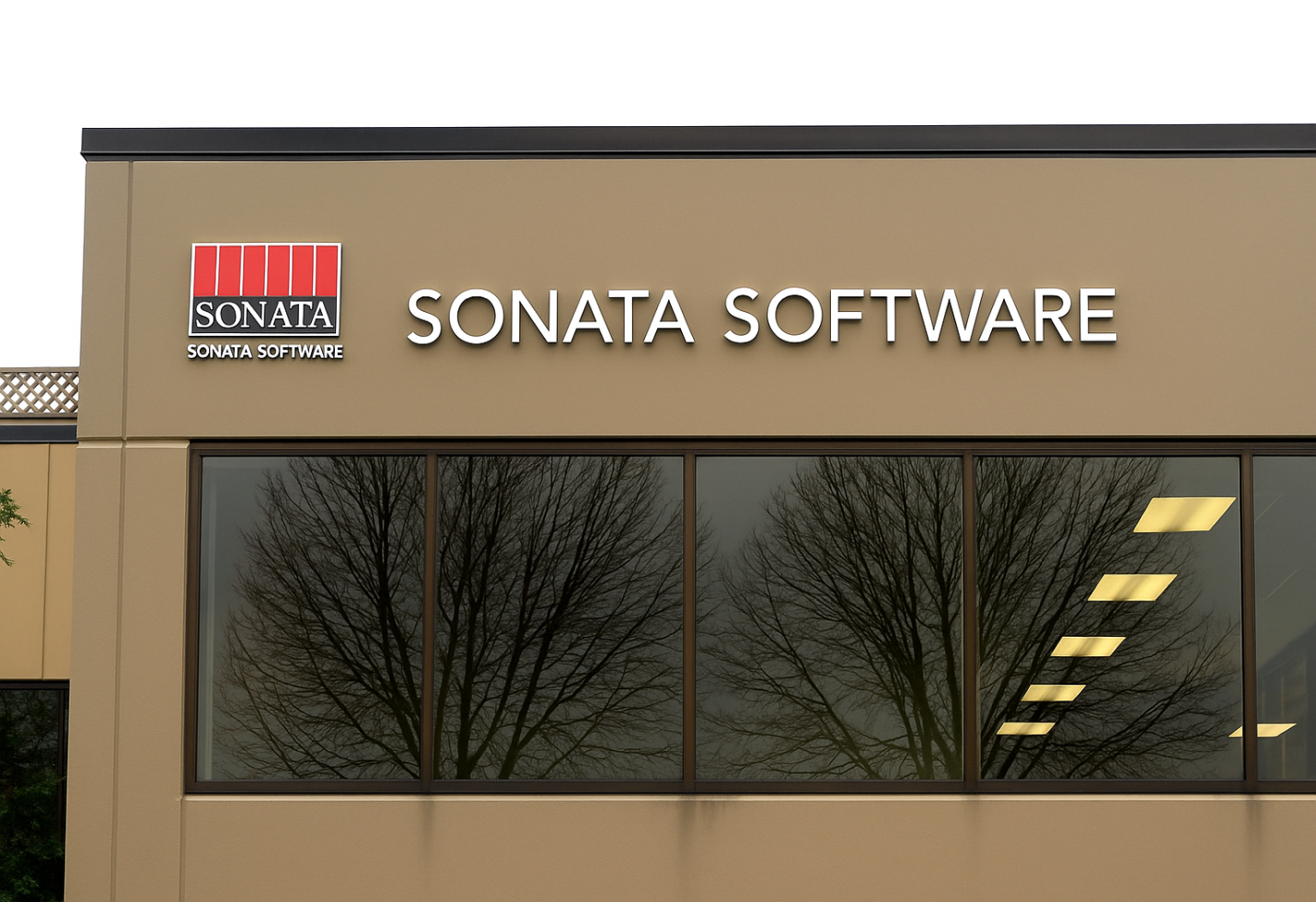
Sonata Software Sees Solid Q4 Revenue Rise, Minor Profit Decline

Sonata Software Sees Solid Q4 Revenue Rise, Minor Profit Decline

Sonata Software Sees Solid Q4 Revenue Rise, Minor Profit Decline


The tech services firm announces ₹4.4 per share dividend as it strengthens its position with robust top-line growth and strategic global deals

Introduction

Sonata Software, a prominent player in the digital transformation and IT services sector, has reported a healthy rise in its revenue for the fourth quarter of the financial year 2024–25. Despite a modest drop in net profit, the company’s continued growth in international markets, successful client acquisitions, and strong dividend payout underline a confident and resilient performance.

Revenue Rises Over 19% YoY

During the fourth quarter of fiscal year 2025, Sonata Software generated ₹2,617.2 crore in consolidated revenue, reflecting a growth of over 19% compared to the same quarter in the previous fiscal year. The increase reflects the company’s robust pipeline of enterprise deals and growing demand for its IT and digital transformation services across key geographies.
Much of the company’s revenue boost can be attributed to a surge in its international IT services business, which continues to drive Sonata’s topline. As more global enterprises accelerate their cloud adoption, AI integration, and digital workflows, Sonata has positioned itself as a go-to partner for scalable and efficient solutions.

Net Profit Records Marginal Decline

Sonata Software earned ₹107.5 crore in net profit for Q4 FY25, which is around 3% lower than what it made in the same quarter a year ago, despite solid revenue growth.
This minor dip was due to higher operational costs and increased investment in new strategic initiatives, including talent acquisition and technology upgrades.
However, on a quarter-on-quarter basis, the profit showed a 2% improvement, signaling stability in earnings and the ability to sustain profitability despite competitive industry pressures.

Final Dividend Declared at 440%

Sonata Software announced a final dividend of ₹4.4 per share for FY25, showing its aim to share profits and maintain steady returns for its shareholders.
This payout, which reflects 440% on a face value of ₹1, highlights the company’s continued focus on creating shareholder value even while investing in long-term growth opportunities.
This move comes after a steady track record of dividend declarations by the company and further demonstrates its strong cash position and commitment to distributing profits responsibly.

Share Price Reacts Positively

After the earnings report, Sonata Software’s stock rose by almost 5% in market trading.
The markets responded favorably not just to the revenue growth but also to the company’s execution capabilities, resilient profit margins, and forward-looking dividend declaration.
The uptick in share price also signals investor confidence in the firm’s global expansion strategy and its ability to secure high-value tech transformation contracts.

International Expansion and Strategic Wins

Sonata has made significant inroads in international markets, especially in the US and Europe, with two major client acquisitions during the quarter. These wins reinforce the company’s strengths in delivering complex IT services to enterprise clients looking to modernize operations.
The company’s management emphasized its intent to keep investing in digital capabilities, artificial intelligence, cloud solutions, and customer experience platforms — areas that are critical to its global clients’ business transformation goals.
Sonata also noted a notable improvement in EBITDA margins for its international operations, signaling increased operational efficiency and better resource allocation.

Focus on Technology-Led Growth

With technology at the heart of its strategy, Sonata is committed to deepening its offerings in data-driven digital services. The company continues to focus on building solutions around AI, automation, cloud-native development, and modern enterprise platforms like Microsoft Dynamics and SAP.
Its integrated approach to digital engineering and business IT has helped the firm create value-added services that go beyond traditional outsourcing, offering transformation at scale.

Conclusion

Sonata Software’s fourth-quarter performance for FY25 paints a picture of a company that is growing in both size and strategic focus. While net profit saw a slight year-on-year dip, the significant increase in revenue and solid dividend payout reflect underlying strength.
With momentum from key international deals, increasing EBITDA margins, and a technology-first growth model, Sonata is poised to further strengthen its presence in the global IT services landscape.
Investors, analysts, and stakeholders are likely to view the company’s performance as a mix of prudent financial management and strategic foresight — an encouraging sign for future quarters.


The image added is for representation purposes only

FIIs Extend 15-Day Bull Run, Markets Steady Despite Operation Sindoor

Cedaar Textile Delivers Strong Q1 2026 Results Amid Challenging Market Conditions

Indian Textile Stocks Jump on UK Tariff Hopes!

Indian Textile Stocks Jump on UK Tariff Hopes!


Gokaldas Exports, KPR Mill, and Arvind Ltd lead the rally as investor optimism soars over prospects of duty-free textile exports to the UK, improving India’s competitiveness against key Asian rivals.

Summary:

Shares of Indian textile companies surged on Monday, with Gokaldas Exports soaring 18.8%, KPR Mill jumping 10.1%, and Arvind Ltd rising 5.8% as markets cheered growing optimism around a potential zero-tariff trade arrangement with the UK. The proposed duty-free access is expected to significantly boost Indian textile exports, reduce cost barriers, and improve India’s edge over competitors like Bangladesh and Vietnam.

Textile Stocks Rally as Duty-Free Hopes Fuel Optimism

The Indian stock market witnessed a remarkable surge in textile sector stocks, led by Gokaldas Exports, KPR Mill, and Arvind Ltd, following renewed optimism about India gaining zero-duty access to the UK market. As trade talks between India and the United Kingdom gain momentum under the proposed Free Trade Agreement (FTA), investors anticipate a transformational boost to India’s textile and apparel exports.
On the Bombay Stock Exchange (BSE), Gokaldas Exports’ stock jumped 18.8% to close at ₹1,013, marking its 52-week high. KPR Mill experienced a gain of 10.1%, finishing the day at ₹1,122.05, whereas Arvind Ltd rose by 5.8%, reaching ₹387. Other textile players such as Raymond, Welspun India, and Trident also registered between 2% and 6% healthy gains.

FTA Talks with UK: A Potential Game-Changer

The rally is rooted in market expectations that India may soon secure zero-tariff access to the UK for its textile exports under the ongoing India-UK Free Trade Agreement. The move is widely seen as a game-changer for the Indian apparel and textile industry, which currently faces a 9–12% import duty on shipments to the UK.
When the Free Trade Agreement (FTA) is implemented, it will remove these tariffs, allowing Indian textile products to be more competitively priced than those from countries like Bangladesh, Vietnam, and Cambodia. These countries benefit from preferential access to the UK through various trade agreements, such as the Generalised Scheme of Preferences (GSP).

UK Export Opportunities Expected to Skyrocket

The UK is one of India’s top five textile export destinations, accounting for an estimated ₹8,000–₹10,000 crore in annual shipments. With duty-free access, experts estimate that Indian textile exports to the UK could grow by 25–30% annually, creating new employment opportunities and unlocking production capacity across regions like Tiruppur, Surat, and Ludhiana.
Trade policy analyst Anupam Kumar said, “The UK FTA could be the most impactful trade deal for India’s textile sector in the last decade. It paves the way for larger orders from retailers in the UK and lets us compete on equal footing with Bangladesh and Vietnam.”

Gokaldas Exports: Leading from the Front

Gokaldas Exports, a prominent garment manufacturer for international brands like GAP, H&M, and Zara, has emerged as the leading gainer. The company has seen consistent order inflows from European and North American clients. Given its strong compliance framework and diversified product portfolio, it can leverage the FTA advantage well.
Analysts at ICICI Securities upgraded their target price for Gokaldas, citing “potential topline expansion of ₹500–₹600 crore annually if FY26 ratifies the UK FTA.” The company is also expanding capacity at its Karnataka facilities, signaling readiness for higher export volumes.

KPR Mill and Arvind: Textile Giants Positioned for Expansion

KPR Mill, known for its vertically integrated textile and garment operations, benefits immensely from the tariff waiver due to its scale and cost efficiency. The company has increased its focus on sustainable and value-added fabrics, which are in high demand in the UK and EU markets.
Arvind Ltd, another stalwart in the textile and fashion space, is looking to diversify its export portfolio further into high-margin categories. Analysts believe Arvind could see margin expansion by 150–200 basis points due to reduced tariff costs and higher-order visibility.

Comparative Edge over Regional Competitors

While India has long battled cost pressures and trade barriers compared to peers like Bangladesh and Vietnam, the potential FTA with the UK could narrow the competitive gap. Bangladesh enjoys duty-free access through its Least Developed Country (LDC) status. At the same time, Vietnam benefits from an FTA with the UK under the Comprehensive and Progressive Agreement for Trans-Pacific Partnership (CPTPP).
With India’s FTA, exporters will gain a similar advantage without compromising on quality or delivery standards, thus enhancing the “Make in India” narrative and creating scope for higher foreign exchange earnings.

Industry Reaction and Policy Outlook

The Confederation of Indian Textile Industry (CITI) welcomed the development, stating that the FTA will give the Indian textile sector a “much-needed shot in the arm” amid global demand volatility. Exporters have also urged the government to fast-track infrastructure incentives like the PM MITRA scheme and PLI (Production Linked Incentive) benefits to complement the anticipated FTA gains.
On the government’s side, Commerce and Industry Minister Piyush Goyal recently hinted at “substantial progress” in India’s bilateral trade negotiations with the UK, with the FTA likely to be finalized in the coming months.

Conclusion: A Tailwind for India’s Textile Revival

The euphoria in textile stocks is more than just speculative—it reflects growing confidence in India’s resurgence as a global textile hub. With duty-free access to one of the world’s largest fashion markets on the horizon, Indian manufacturers are poised to increase market share, boost production, and raise profitability.
While the final implementation timelines of the UK-India FTA remain to be confirmed, the momentum has already catalyzed investor confidence in textile equities. The industry now looks toward a high-growth phase backed by structural policy support, export tailwinds, and rising global demand.


The image added is for representation purposes only

LIC’s Bold Investment Move: €47,000 Crore in Equities

Coal India Reopens 32 Mines as Clean Energy Progress Falters

 Coal India Q4 FY24 Results: Profit Soars 26%, ₹25.5 Total Dividend

Coal India Q4 FY24 Results: Profit Soars 26%, ₹25.5 Total Dividend


Coal India Limited (CIL), the state-owned coal mining behemoth and the largest coal producer in India, has outperformed market forecasts with an impressive financial performance in the fourth quarter of FY24. The company reported a consolidated net profit of ₹8,682 crore—marking a 26% year-on-year (YoY) surge—despite facing a slight decline in revenue.

Coal India’s Strong Finish to FY24

In Q4 FY24, Coal India, the state-run coal giant, demonstrated impressive financial strength, achieving solid profit growth despite challenges in revenue. The company reported a 26.2% year-on-year surge in consolidated net profit, reaching ₹8,682.2 crore, surpassing market forecasts. This result outpaced analyst predictions, as highlighted by sources like NDTV Profit and CNBC TV18.
The profit surge came even as consolidated income declined slightly to ₹39,654.5 crore, down from ₹40,359 crore in the same period last year. Revenue from operations fell nearly 2% YoY to ₹37,410 crore, according to Economic Times and Moneycontrol.

Dividend Bonanza: ₹25.5 Per Share for FY24

Coal India’s board approved a final dividend of ₹5 per share, which will be paid out in addition to the interim dividends of ₹15.25 and ₹5.25 already declared earlier in FY24. This brings the total dividend payout to ₹25.5 per share for the financial year.
This hefty payout underscores Coal India’s commitment to shareholder returns, despite moderate topline performance. The final dividend is pending for approval by shareholders it will get possibly in coming Annual General Meeting.

Operational Highlights

Coal India upheld steady operational efficiency, producing 241.75 million tonnes of coal during the quarter, sustaining the growth observed in prior periods. The company continues to dominate the domestic coal market, supplying nearly 80% of India’s coal needs.
Production efficiency, cost control, and better realization from e-auction sales contributed significantly to the bottom-line growth. The company also leveraged better pricing in the non-power sector, which supported profitability.

Market Reaction and Analyst Takeaways

The Q4 performance triggered a positive response from market analysts and investors alike. Brokerage houses revised their target prices upward following the earnings announcement, citing strong profit visibility and consistent dividend payouts.
NDTV Profit reported that analysts appreciated the beat on net profit and the disciplined capital expenditure that helped maintain free cash flows. The high dividend yield continues to be a major draw for long-term investors.
Coal India shares reacted modestly post-announcement, as much of the positive news had already been priced in. However, the stock remains a high-yielding defensive option in volatile markets.

Challenges Ahead

Despite the strong quarter, Coal India faces several challenges going forward. Declining demand from the power sector, rising competition from renewable energy, and environmental regulations could pressure margins and growth.
Moreover, any increase in global coal prices or disruption in logistics could impact coal availability and pricing strategies. The company must also ramp up efforts to diversify into cleaner energy options to align with India’s long-term sustainability goals.

Conclusion

Coal India has capped off FY24 with strong earnings and a generous dividend payout, reinforcing its position as a reliable and profitable public sector undertaking. While revenue growth remained muted, disciplined cost management and strong operational performance enabled a substantial jump in net profit.
Investors and analysts alike have applauded the company’s financial prudence and shareholder-friendly approach. As India’s energy transition picks up pace, Coal India will have to balance its traditional strengths with future readiness.


The image added is for representation purposes only

HDFC Life Sells Some Kesoram Shares in Portfolio Change.

Indian Blue-Chips Add ₹2.31 Lakh Cr Weekly

Indian Blue-Chips Add ₹2.31 Lakh Cr Weekly

Indian Blue-Chips Add ₹2.31 Lakh Cr Weekly


Seven of the top ten most valuable firms increased their market value by a total of ₹2.31 lakh crore during a successful week for Indian equities markets, with Reliance Industries emerging as the largest gainer. The rebound in heavyweight equities, especially those in the banking, IT, and energy sectors, was bolstered by good global indications, solid quarterly profits, and optimistic investor mood.
Rekindled purchasing enthusiasm from both local and international institutional investors propelled the major indexes, the Sensex and Nifty, to record strong gains over the week. A number of large-cap companies saw significant value increases as the overall market strengthened, confirming the soundness of India’s corporate and economic foundations.

The Leader in the Pack is Reliance Industries

Mukesh Ambani’s Reliance Industries Limited (RIL) was the top performer in terms of growth in absolute market capitalization. The conglomerate’s worth increased by ₹84,582.22 crore, bringing its total market capitalization to ₹20,26,207.72 crore. Following the company’s release of solid quarterly results, which were fueled by impressive success in its retail, telecom (Jio), and oil-to-chemicals businesses, RIL shares saw a surge.
Despite an uncertain global climate, investor confidence has been sustained by Reliance’s diverse revenue streams and ongoing digital and retail development. According to analysts, the company’s valuation will be further supported by ongoing deleveraging and long-term development initiatives in data infrastructure and sustainable energy.

HDFC Twins and IT Giants Observe

Among the biggest winners were Infosys and TCS, two of India’s largest providers of IT services. The market value of TCS increased by ₹25,823.46 crore, while that of Infosys increased by ₹34,221.36 crore. This increase comes as the IT industry reported better-than-expected results and the prognosis for global technology investment, particularly in the U.S. and Europe, somewhat improved.
Strong value increases were also reported by HDFC Bank and HDFC Ltd. The market capitalization of HDFC Bank increased by ₹26,532.38 crore, whilst HDFC Ltd. had a gain of ₹24,521.62 crore. Investor confidence for the HDFC twins has been reinforced by the continued synergy from the merger, rising net interest margins, and a promising outlook for loan growth.

Other Beneficiaries: ICICI Bank and Bharti Airtel

Strong growth potential in its broadband and mobile businesses, increased ARPU (average revenue per user), and subscriber additions helped Bharti Airtel’s valuation increase by ₹18,153.33 crore. Long-term investors are nevertheless drawn to the firm because of its 5G expansion and consistent revenue visibility.
Strong operational indicators, better asset quality, and robust loan growth all contributed to ICICI Bank’s ₹17,494.49 crore value boost. Because of its robust retail loan portfolio and digital strategy, ICICI continues to be a top choice for many institutional investors among private sector banks.

Three Majors Saw Declines

The market value of three leading companies, Hindustan Unilever Ltd. (HUL), State Bank of India (SBI), and LIC, decreased despite the general upward trend. Volume increase and the brittleness of rural demand were the main causes of HUL’s ₹11,877.17 crore decline in value. The ₹4,286.42 crore drop in SBI’s market capitalization was probably caused by profit-booking and margin pressure brought on by growing deposit costs. Meanwhile, LIC (Life Insurance Corporation of India) lost ₹2,243.52 crore in market value due to investor nervousness and a slack attitude in the insurance sector.

Good Prognosis for Indian Markets

The underlying confidence in the Indian economy is reflected in the large-cap corporations’ strong increase in market capitalization. Despite global challenges including inflation, increasing interest rates, and geopolitical concerns, corporate earnings have proven resilient. A strong foundation for stock performance is being provided by India’s macroeconomic fundamentals, which include record GST collections, a controllable budget deficit, and robust

GDP growth expectations.

Foreign portfolio investors (FPIs) have also renewed their interest in Indian stocks, making significant investments in sectors including banking, IT, and consumer discretionary. The currency is being stabilized and market liquidity is being increased by this input.
As India enters a general election cycle, which usually brings policy consistency and greater economic activity, analysts are still hopeful about more increases in the upcoming quarters. Sector-specific rotations are anticipated in the market, with manufacturing, energy, infrastructure, and financials all predicted to fare well.

Conclusion

A new wave of optimistic optimism in Indian stocks is indicated by the ₹2.31 lakh crore increase in market value among the top seven corporations. The significance of diverse, forward-thinking business models is underscored by Reliance Industries’ leadership in this rally. The market momentum is anticipated to continue, albeit with sporadic dips, as earnings season goes on and positive macroeconomic data becomes available.


The image added is for representation purposes only

Strong Demand for Arunaya Organics IPO: 2.45 Times Subscription Achieved

UltraTech Cement Q4: Strong Growth, Steady Margins

UltraTech Cement Q4: Strong Growth, Steady Margins

UltraTech Cement Q4: Strong Growth, Steady Margins


Strong volume growth and strategic acquisitions are poised to boost UltraTech’s Q4 earnings despite pricing pressures.

Summary:
UltraTech Cement is expected to deliver a strong performance in Q4FY24, supported by significant volume growth, strategic acquisitions, and effective cost management. Revenue is anticipated to grow by 12% YoY, while net profit may see an 8% uptick, although pricing pressures and a high base could limit the overall upside.

Introduction: Building Momentum Amid Challenges

As India’s largest cement producer, UltraTech Cement is expected to report healthy numbers for the quarter ended March 2024 (Q4FY24). Analysts forecast that the company’s earnings will be driven primarily by double-digit volume growth, successful integration of recent acquisitions, and relatively stable operating margins. However, a high base effect, regional pricing pressures, and input cost dynamics may pose minor hurdles to margin expansion.

Volume Growth: The Primary Growth Catalyst

Industry experts predict that UltraTech Cement’s domestic sales volumes will rise by approximately 10 to 12% annually. The increase stems from strong demand for rural housing, infrastructure push under government schemes like PM Gati Shakti and Smart Cities Mission, and sustained urban real estate momentum.
The company’s proactive expansion of capacity and its acquisition of smaller regional firms in recent quarters has enhanced its distribution network, significantly increasing deliveries in key areas such as Central and Eastern India.
Moreover, favourable weather conditions during January–March — traditionally the busiest construction season — supported sustained demand, reinforcing volume growth expectations.

Financial Forecast: Revenue and Profit Growth to Remain Resilient

Revenue:
UltraTech’s consolidated revenue for Q4FY24 is expected to rise by around 12% year-on-year, aided by higher sales volumes and the scaling of newly acquired capacities.
Profitability:
Net profit could grow by approximately 8% yearly, reflecting better cost management, economies of scale from acquisitions, and marginal improvement in blended realizations.
The company’s EBITDA (earnings before interest, tax, depreciation, and amortization) margin is projected to remain broadly stable around 19–20%, compared to the year-ago period. The steadiness is attributed to internal cost-control measures, higher operational efficiencies, and moderating input costs like pet coke and diesel.

Margins: Steady but Sensitive to Price and Costs

While cost rationalization has benefited UltraTech Cement, regional pricing variations — especially in South and West India — have capped realizations. Although input costs like coal and pet coke have declined sequentially, fierce competition in key markets has prevented significant price hikes.
Management’s strategic focus on improving logistics efficiency (e.g., using captive power plants and optimising lead distances) has helped offset some energy and freight cost inflation.
Even if average cement prices stay stable, UltraTech’s profit margins are anticipated to remain consistent rather than see significant growth this quarter.

Key Risks: High Base, Pricing Pressures, and Inflation

Despite strong fundamentals, certain risks continue to hover over UltraTech’s Q4 results:
High Base Effect:
Last year’s strong Q4 performance sets a tough comparison benchmark, particularly for margin expansion.
Regional Pricing War:
Aggressive price competition in Southern and Western markets may limit realization-led earnings growth.
Cost Pressures:
Although easing, energy and transportation costs remain volatile and could impact the company’s EBITDA if not efficiently managed.

Strategic Outlook: Well-Positioned for Long-Term Growth
Looking beyond Q4, UltraTech Cement appears well-positioned for sustainable growth:
Capacity Expansion:
The company’s strategy to increase capacity from 137 MTPA to over 160 MTPA by FY25 through brownfield and greenfield projects remains on track.
Diversification:
Investment in green energy (Waste Heat Recovery Systems and Renewable Power Projects) will reduce dependency on fossil fuels and lower energy costs in the long run.
Government Infrastructure Push:
Ongoing government investment in infrastructure, along with rising urbanization and growing housing demands, creates a favourable environment for the cement industry, positively impacting UltraTech.
Moreover, UltraTech’s robust balance sheet, leadership in the industry, and swift approach to acquisitions will help it maintain its stronghold in the Indian cement market while also considering selective opportunities abroad.

Conclusion: Solid But Balanced Expectations

In conclusion, while volume growth and operational efficiency will drive UltraTech Cement’s earnings growth in Q4FY24, investors should temper expectations given pricing challenges and the high base effect. Nevertheless, the company’s long-term prospects remain highly attractive, making it a key player poised to benefit from India’s structural infrastructure and housing boom.


The image added is for representation purposes only

Analysts Discontinue to Trust Jio’s valuation amid rising costs and slower revenue growth