
Sustainable transition and energy security: investment implications for Indian utilities and grid players
India’s energy landscape is in simultaneous transition and tension: record renewable additions are reshaping the generation mix even as thermal fuel volatility and rising peak demand keep energy security squarely on policy and corporate agendas. For utilities, grid owners and institutional investors (including pension funds), the practical question is how to balance exposure to high-growth renewable cash flows with the capex, liquidity and tariff risks that come from managing a grid still dependent on coal and peaking fuels. This article analyses the current facts, financial metrics to monitor and investment implications as of 24 October 2025.
The facts: capacity, demand and fuel prices
India added a record quantum of renewables in 2025: JMK/industry tallies show about 34.4 GW of renewables (≈29.5 GW solar, ~4.96 GW wind) installed in January–September 2025, taking total renewable capacity to roughly 247 GW and lifting the renewable share of installed capacity to about 48.3% by Q2 2025. At the same time, seasonal demand remains material: peak demand around Diwali 2025 was reported near 180.1 GW (mildly below 2024 peaks), and several states forecast further increases into winter. Thermal fuel costs are elevated versus historical averages — API2 thermal coal futures traded in the low-to-mid $90s/tonne in October 2025 — keeping generation costs and short-term procurement bills sensitive to global coal moves.
Investment-relevant metrics to watch
1. Capacity utilisation/ PLF (for thermal fleets): NTPC reported coal-plant PLFs around 76.3% in H1 (notably above the national average of ~70.6%), showing residual reliance on coal for baseload and system balancing. Declining PLFs squeeze fixed-cost recovery on thermal assets and pressure margins for merchant plants.
2. Transmission and distribution capex: POWERGRID and other transmission players are scaling capex to handle renewables-led flows; PGCIL’s FY26 capex guidance is in the range of ₹28,000 crore (revised budgets and project pipeline), which will factor into regulated asset bases and future tariff determinations. Capital intensity and regulated returns dictate investor returns in transmission.
3. Fuel cost pass-through/ tariff design: Regulators’ willingness to permit fuel cost pass-through (short-term power purchases, coal/gas price adjustments) directly affects utilities’ margin volatility. Recent CERC orders and state filings show active use of pass-through mechanisms for specific cases. Where pass-through is limited, distributors face margin squeeze and higher working-capital needs.
4. Project capex per MW and financing mix: Large renewable developers (for example, Adani Green targeting 5 GW additions in FY26 with ~₹31,000 crore capex guidance) show the scale of investment required; financing costs and availability of low-cost long tenor debt materially change project IRRs. Investors should model project level DSCRs and refinancing risk.
Short- and medium-term tradeoffs for utilities and grids
Fast renewable growth reduces average generation cost over time but increases intra-day volatility and the need for firming capacity (storage, gas peakers, pumped hydro) and stronger transmission (HVDC links, regional reinforcements). That in turn lifts near-term capex needs for transmission owners and raises operating complexity for discoms that must manage higher ramping and scheduling costs. Where coal prices spike or shipping/logistics disrupt supplies, short-term procurement bills rise — often visible in costly short-term power purchases by states (MSEDCL estimated spot procurements under ₹5.5/unit ceiling in some emergency procurements). These dynamics affect working capital, tariff petitions and receivables cycles.
Financial implications and ratios investors should monitor
* Regulated Asset Base (RAB) growth and allowed RoE for transmission: For transmission investors, look at capex-to-RAB conversion timelines and allowed returns; rising capex should ideally be matched with clear tariff schedules.
* PLF and heat-rate trends for thermal producers: A falling PLF with the same fixed costs reduces EBITDA margin and raises leverage ratios (Net Debt / EBITDA). NTPC’s relatively high PLF is a buffer, but merchant and smaller thermal players may see Net Debt/EBITDA stress if utilisation declines.
* Working capital days and receivable turn for discoms: Higher short-term purchases and seasonal peaks can blow up payables/receivables; monitor Days Sales Outstanding (DSO) and state government support lines.
* Project-level IRR sensitivity to interest rate shifts: With sizeable capex (Adani Green’s FY26 capex guidance ~₹31,000 crore/ US$3.6bn), even modest increases in finance costs reduce levered returns; track debt mix (project loans vs. bonds) and hedging.
Allocation ideas for institutional investors (pension funds/ long-term investors)
1. Core regulated transmission exposure: Transmission utilities with clear capex pipelines and tariff visibility (e.g., POWERGRID/PGCIL) can offer low-volatility, regulated cash flows; monitor RAB growth and regulatory lag.
2. Brown-to-green transition plays: Integrated utilities/IPP groups that pair renewables capacity with storage and merchant offtake contracts can capture premium returns but need careful project and counterparty credit analysis. Adani Green and other large renewable platform rollouts illustrate scale but also execution and funding risk.
3. Distressed-to-restructuring opportunities in thermal: If thermal capacity faces structural demand declines, there may be selective value in assets with repowering/retrofitting optionality or in firms with strong balance-sheet flexibility. Model residual value and environmental compliance capex.
Conclusion
India’s clean-energy rollout has reached a scale that changes the investment calculus: renewables now account for nearly half of installed capacity and are driving large-scale capex in generation and transmission. But coal-price volatility, persistent peak demand and distributional stresses mean energy security and grid investment remain critical. Institutional investors should combine regulated-asset exposure (for stability) with selective project-level renewable investments (for yield), while rigorously modelling fuel, tariff and financing sensitivities.
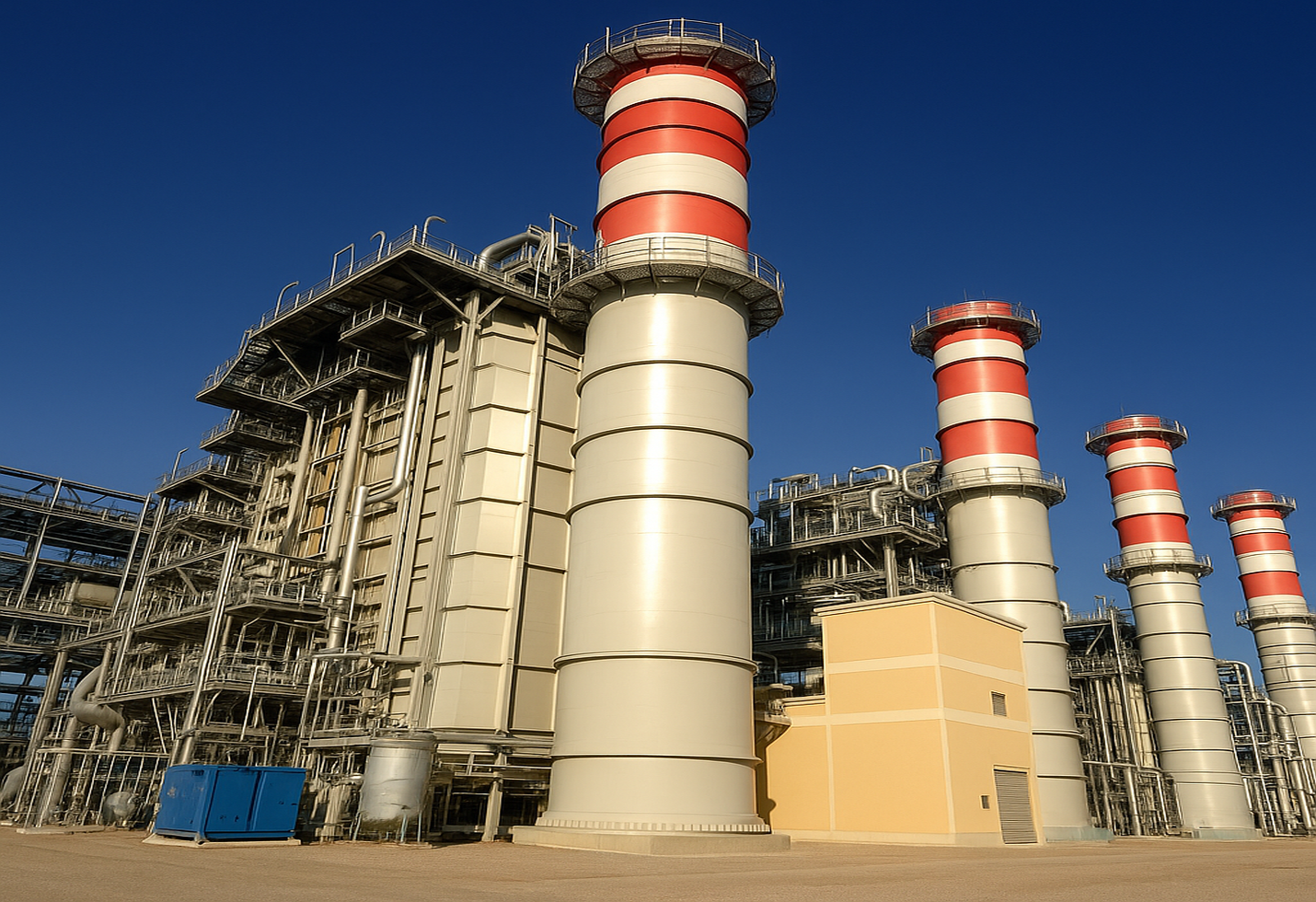
The image added is for representation purposes only

