
John Cockerill India Jump After the Bulk Deal, and whether investor confidence in green hydrogen and defence sectors has legs
On 26-29 December 2025 John Cockerill India saw heavy investor attention after a sequence of block trades and buying by well-known investor Ramesh Damani. The stock rose *more than 11% in two days* and was trading around *₹5,200–5,300* on 29 December 2025, with a *market capitalisation near ₹2,500–2,600 crore*. At first glance this looks like a typical bulk-deal pop, but there are real business links behind the move that connect the company to green hydrogen ambitions and defence/industrial engineering demand.
*What happened in the bulk deals*
On 26 December 2025 the promoters John Cockerill SA sold about *1.91 lakh shares* worth roughly *₹91 crore*, while investor *Ramesh Damani bought 27,500 shares* valued at approximately *₹13 crore* in a bulk deal. The contrast, a large promoter sale with a visible retail/institutional buyer stepping in is what triggered the sharp price action and the subsequent two-day rally. The market responded quickly because Damani is a respected long-term investor and his purchase signalled confidence to other market participants.
*Where the company stands financially*
John Cockerill India is a small-cap engineering firm with recent annual revenues in the low hundreds of crores. Public snapshots list *revenue around ₹328 crore* and *net profit about ₹8–9 crore* for the most recent year, with the stock trading at a high price-to-book multiple (*P/B near 12–13*) and a very high trailing P/E because earnings are small and lumpy. The company’s reported order book was over *₹600 crore (INR 6 billion)* as of March 31, 2025, giving visible near-term work, though margins and working-capital cycles are important to monitor. Return on equity has been modest historically, around *low single digits*, which shows the business is still recovering scale. These numbers explain why the stock can swing big on block trades, fundamentals are small, so flows move prices sharply.
*Why investors linked the rally to green hydrogen and defence*
Two facts matter. First, John Cockerill Group globally is expanding green hydrogen electrolyser capacity and has plans to scale production in India with partners, aiming for 1 GW by 2026 and 2 GW by 2029. John Cockerill India sits in that group and is positioned to supply engineering, manufacturing or local execution for such projects, which could materially change revenue mix over coming years if orders convert. Second, the parent group has deep roots in defence engineering worldwide, and India’s push to localise defence manufacturing makes firms with proven heavy-industry capabilities attractive. The bulk-deal interest is therefore a bet on potential future demand from green hydrogen and defence work, not just a short trading play.
*How a rising hydrogen pipeline would change the numbers*
If John Cockerill India begins to win electrolyser manufacturing or EPC (engineering, procurement and construction) contracts tied to the AM Green/Greenko projects, revenues could shift from hundreds of crores to a much larger scale over a multi-year window. Electrolyser projects are capital-intensive, and margins on EPC work can be mid-single to low-double digits depending on subcontracting and localisation. That would help the company improve operating leverage and raise return ratios from current low levels, but only after consistent order wins and smoother working-capital cycles. In short, the opportunity is meaningful, but it is a multi-year execution story, not an immediate earnings leap.
*Risks that matter*
* Promoter sell vs buy clarity: The promoter off-load of ₹91 crore may reflect group-level capital moves and not confidence. Investors should seek clarity from the company on why the sale happened.
* High valuation metrics: P/B of ~12 and an elevated P/E (which may be negative or meaningless when earnings are tiny) imply the stock is priced for good growth and any delay in order conversion or margin pressure could cause sharp falls.
* Working capital and execution: The company historically has long debtor days and heavy working-capital needs, winning large green hydrogen or defence orders without strong cash management can strain finances.
* Parent-group dependencies and related-party risk: Small listed subsidiaries often depend on the group for orders, so investors should check related-party disclosures and project pipeline transparency.
*Practical checklist for investors*
* Read the company’s investor presentation and the Q3-FY26 integrated filing for exact order book, receivables and margin guidance.
* Watch promoter shareholding updates and any regulatory filings explaining the ₹91 crore promoter sale. Short-term price moves may be driven by liquidity and not fundamentals.
* Track confirmed contract wins in hydrogen or defence, with order value and margin guidance. Only secured, signed orders matter for near-term valuation changes.
* Monitor working capital days and debt levels quarterly, because rapid growth funded by receivables can squeeze cash and force equity dilution.
*Conclusion*
The recent bulk deal and subsequent rally in John Cockerill India is a mix of market psychology and a real strategic story. Ramesh Damani’s purchase added credibility, but the promoter sale and very high valuation multiples mean the stock is volatile and dependent on execution. The green hydrogen and defence angles are promising and backed by the wider John Cockerill group’s plans, notably a planned electrolyser capacity ramp in India but these are multi-year, execution-heavy opportunities. However, the sensible approach is to wait for clear, signed orders and improving cash-flow metrics, or limit exposure to a small, disciplined allocation while monitoring the exact contract pipeline and quarterly financials.
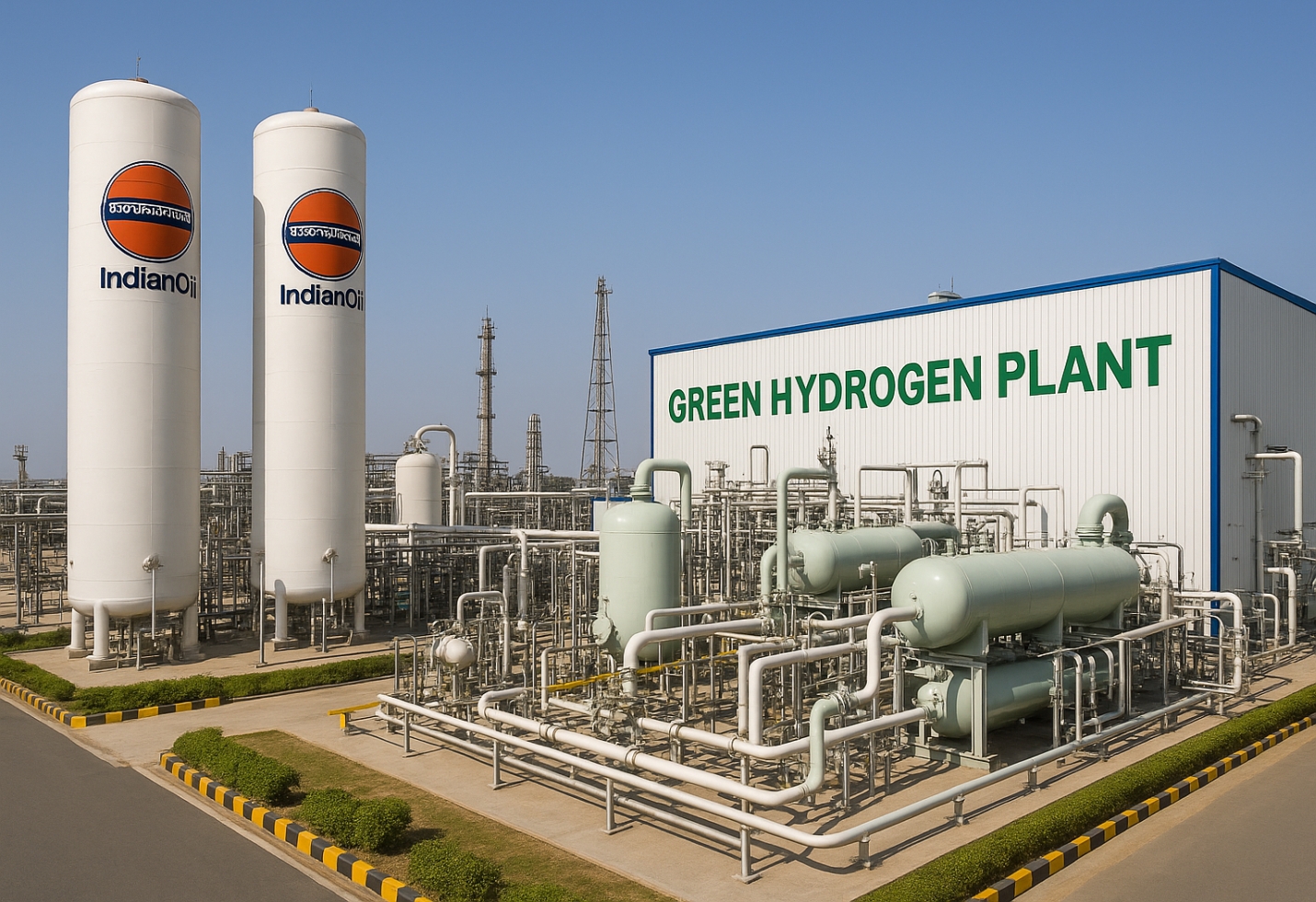
The image added is for representation purposes only
