
Fortis Healthcare Q2 FY26: Strong Hospital & Diagnostics Growth Push Revenue and Profit Up Sharply
Fortis Healthcare delivered a robust quarter, with healthy growth across both its hospital and diagnostics businesses. Consolidated revenue rose ~17% YoY, while PAT surged around 70–82% compared to last year’s same quarter. The improvement reflects better occupancy, higher volumes in specialty care and diagnostics and improved margins. The company also continues to expand its bed capacity and diagnostic-service footprint, setting up a favorable base for future growth.
*Key Highlights*
* Consolidated revenue: ₹ 2,331 crore in Q2 FY26 (up +17.3% YoY)
* Operating EBITDA: ₹ 556–556 crore (up ~28% YoY)
* Operating EBITDA margin: 23.9% in Q2 FY26, vs 21.9% in Q2 FY25
* Profit After Tax (PAT): ₹ 322–329 crore in Q2 FY26 (up ~70–82% YoY)
* Hospital-business revenue: ₹ 1,974 crore (up +19.3% YoY)
* Diagnostics business net revenue: ₹ 357 crore (up +7.1% YoY)
* Key specialty care growth: Oncology and Renal Sciences grew ~29% and ~22% YoY respectively
* Increased bed occupancy: occupied beds rose ~13% QoQ; hospital occupancy improved to 71% (from 69% in Q1 FY26).
*Revenue & Profit Analysis*
Fortis’s 17% growth in consolidated revenue shows healthy demand for its services. The rise came from more patients, higher bed utilisation and increased uptake of specialized treatments. With EBITDA up ~28% and margin expanding to nearly 24%, the company seems to have managed cost structure efficiently, even while volumes rose. The large jump in PAT (70–82%) implies that operational gains translated well into bottom-line growth.
This suggests that Fortis didn’t just see more patients, it also delivered services more profitably due to improved occupancy, higher share of specialty cases and perhaps better cost control in both hospital operations and diagnostics.
*Business Segments: Hospital & Diagnostics*
1. Hospital Business:
* Revenue rose ~19.3% YoY to ₹ 1,974 crore
* Bed occupancy improved; occupied beds rose by ~13% QoQ
* Complex treatments are up: Oncology grew ~29% YoY; Renal Sciences up ~22%
* International patient revenue also grew ~26% YoY, contributing a larger share of overall hospital revenue.
2. Diagnostics Business:
* Net revenue rose to ₹ 357 crore (from ₹ 334 crore a year ago), +7.1% YoY
* The diagnostics arm continues network expansion, more “customer touch points” (CTPs), giving it wider reach.
Together, both segments contributed to balanced growth, hospital business driving major revenue, and diagnostics adding stability and recurring cash flow.
*Balance Sheet & Debt Position*
As of 30 September 2025, Fortis has a net debt of ₹ 2,219 crore. Net-debt to EBITDA ratio stands at ~0.96x (versus just 0.16x on 30 Sept 2024), reflecting that debt has increased due to recent acquisitions and expansions (such as taking stake in a diagnostics-business PE stake and acquiring a hospital).
Although leverage went up, the ratio remains under control, and with improving EBITDA and cash flow, Fortis appears to manage its balance sheet prudently while funding growth.
*Strategic Moves & Growth Outlook*
Fortis entered a 15-year lease agreement to operate a ~200-bed multi-specialty hospital in Greater Noida, expanding its footprint in the Delhi-NCR region. It continued to integrate newly acquired hospitals and expanded bed capacity in existing facilities, supporting future volume and revenue growth. Moreover, it expanded its diagnostics network, including new customer-touchpoints, which supports stability and allows it to capture more outpatient test demand. Given the strong uptick in specialty care demand (e.g. oncology, renal, surgeries) and growing diagnostics demand, the company seems well-positioned to ride long-term growth in India’s healthcare consumption.
*Conclusion*
Fortis Healthcare’s Q2 FY26 results look solid and encouraging. With strong growth in both hospital and diagnostics businesses, improved margins and a sharp rise in PAT, the company demonstrates that it can scale operations while remaining profitable. Key positives are: rising patient volumes, growth in specialty and international-patient segments, expanding bed capacity and diagnostics footprint, and a manageable debt level considering expansion. Whereas, some factors to watch include continued performance of newly added hospitals, maintaining occupancy and specialty-case mix, efficient integration of acquisitions and controlling leverage while growing.
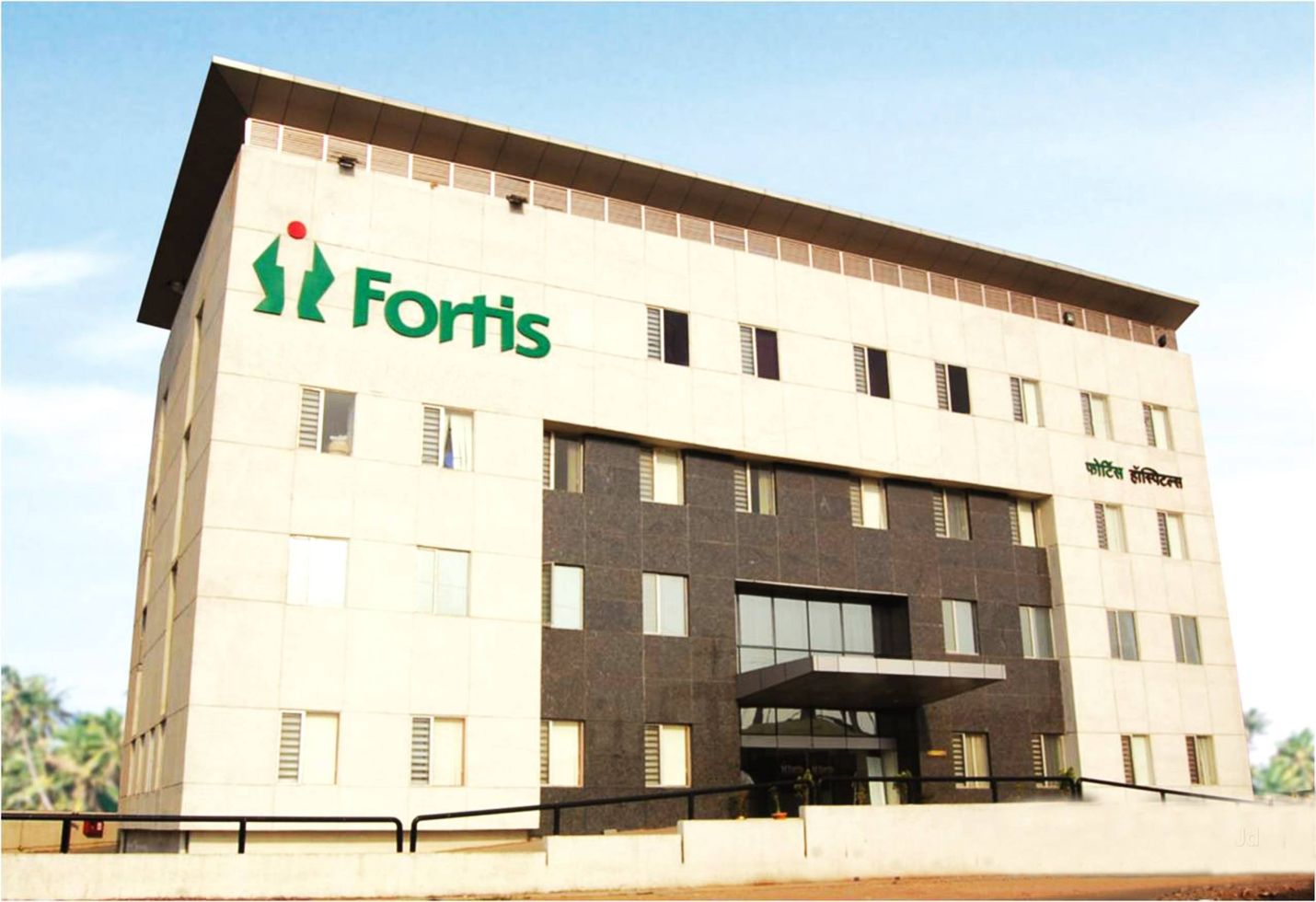
The image added is for representation purposes only
