
India’s E-Bus Revolution Gets $137 Million IFC Backing
India is entering a new and transformative phase of public transportation as the International Finance Corporation (IFC), a member of the World Bank Group, has committed $137 million to boost the country’s electric bus (e-bus) sector. This strategic infusion of capital will support two major industry players—JBM Ecolife and GreenCell Mobility—signaling strong international confidence in India’s clean mobility vision. With cities struggling under rising vehicular pollution, congestion, and growing demand for affordable transport, this investment marks a crucial step in reshaping India’s urban transit landscape.
Breakdown of IFC’s $137 Million E-Bus Investment
The IFC’s financing structure addresses the distinct needs of the two companies.
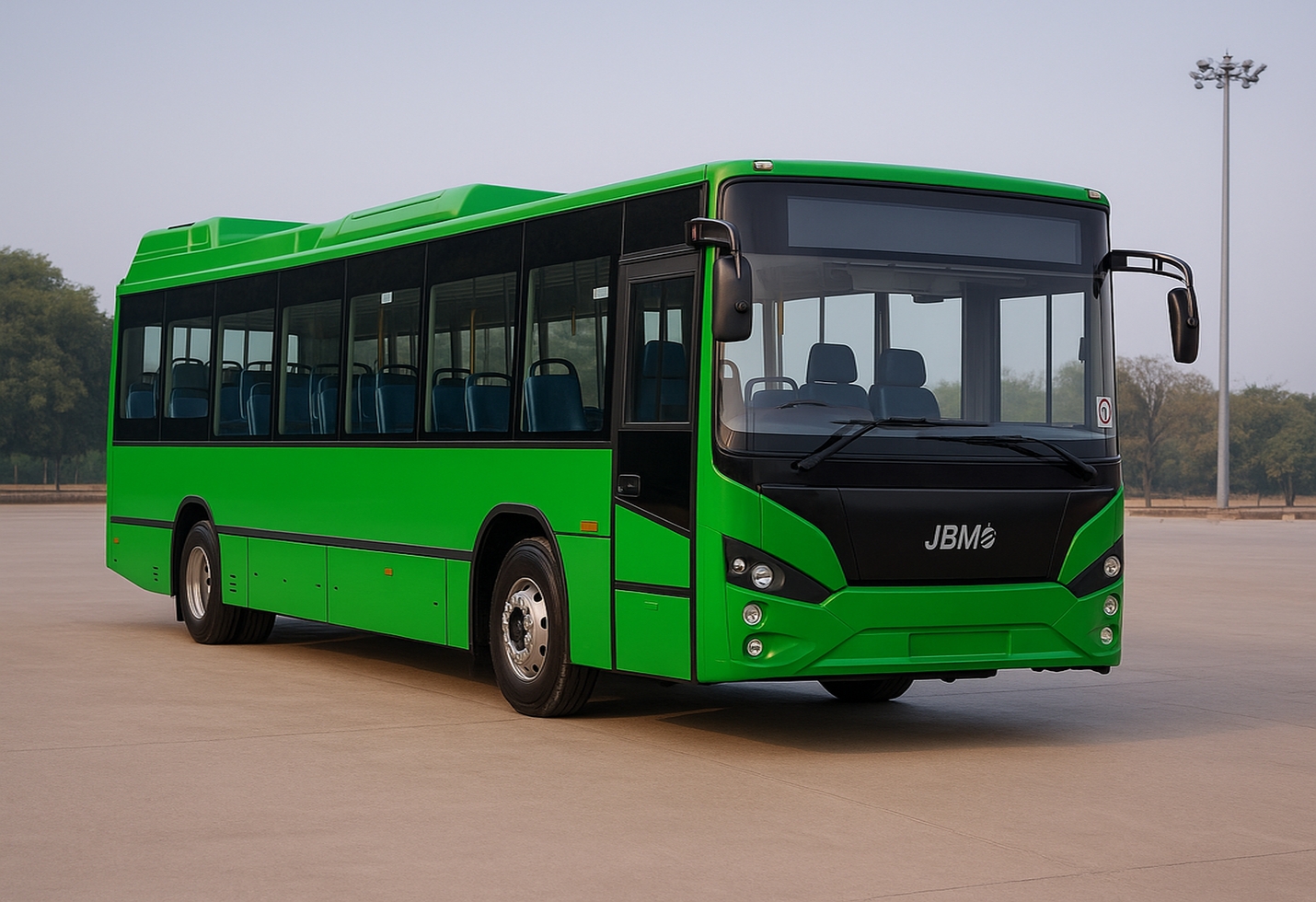
* JBM Ecolife will receive $100 million in long-term capital. JBM Ecolife, part of JBM Auto Ltd, not only manufactures electric buses but also operates them, ensuring an integrated value chain. The financing will help JBM expand its fleet and strengthen its manufacturing footprint.
* GreenCell Mobility will receive $37 million through mezzanine financing. Unlike JBM, GreenCell is OEM-agnostic, meaning it can operate buses manufactured by multiple suppliers, offering flexibility in scaling. Backed by Eversource Capital’s Green Growth Equity Fund, GreenCell focuses on operating and financing models that make e-bus projects commercially viable.
Together, these companies cover both supply and operations, enabling faster adoption across cities.
Scope and Objectives of the Project
The IFC-backed project has ambitious goals:
* Deployment of 4,000 e-buses and charging infrastructure across 39 municipalities in Maharashtra, Assam, Gujarat, Andhra Pradesh, Bihar, Madhya Pradesh, Puducherry, and New Delhi.
* Job creation: Around 12,000 jobs are expected, with deliberate efforts to include women in the workforce.
* Payment Security Mechanism (PSM): A pioneering financial safeguard to address payment risks from state transport undertakings and municipal corporations. By reducing defaults and delays, PSM aims to improve the bankability and replicability of future projects.
This mix of infrastructure, employment, and financial innovation makes the initiative a comprehensive mobility reform.
Strategic Importance and Broader Implications
India operates an estimated 800,000 public buses and over 1.2 million private buses, forming the backbone of its public transport system. Electrifying even a fraction of this fleet presents massive opportunities to reduce carbon emissions, cut fuel imports, and improve urban air quality.
The IFC investment aligns with key national frameworks, including:
* The Pradhan Mantri eBus Sewa scheme, supporting 10,000 e-buses nationwide.
* The Production-Linked Incentive (PLI) scheme for electric vehicles, boosting domestic manufacturing.
* India’s broader climate commitments under the Paris Agreement, where clean transport is a core pillar.
Environmental and social benefits are equally significant. Over the project’s life, e-buses are expected to:
* Replace millions of liters of diesel consumption.
* Reduce CO₂ emissions substantially.
* Enable 1 billion+ passenger trips, offering cleaner and quieter journeys.
Thus, the IFC’s support is not only a transport upgrade but also a climate and social development intervention.
Challenges and Risks to Monitor
While promising, the project faces key hurdles:
• Infrastructure Readiness: Charging stations and grid capacity must be expanded in sync with deployment across multiple states.
* Financial Reliability: The PSM is crucial, but its success depends on disciplined execution. Historically, transport bodies have struggled with timely payments.
* Operational Scale-Up: Running 4,000 buses across diverse geographies requires strong management to maintain safety, punctuality, and passenger comfort. Public acceptance will depend on reliable service quality.
* Technology Risks: Battery performance, charging speeds, and maintenance remain evolving issues. Continuous upgrades will be essential.
If these risks are managed, India’s e-bus transition can scale rapidly.
Conclusion
The IFC’s $137 million commitment to India’s e-bus sector represents far more than financial support—it is a vote of confidence in India’s sustainable mobility vision. By empowering JBM Ecolife and GreenCell Mobility, and introducing innovations like the Payment Security Mechanism, the project sets the stage for systemic transformation.
If executed well, it will reduce fossil fuel dependence, lower emissions, create jobs, and modernize urban transport. More importantly, it can serve as a template for other developing nations facing similar challenges of pollution, fuel costs, and public transport demand.
India’s e-bus revolution is not just about cleaner vehicles—it is about building sustainable cities, empowering communities, and accelerating climate action.
The image added is for representation purposes only

