Menu

Result Updates

Torrent Power Q2 FY26: Profit Surges ~50%, Powered by Strong Generation and Lower Finance Costs

Torrent Power Q2 FY26: Profit Surges ~50%, Powered by Strong Generation and Lower Finance Costs

Torrent Power Q2 FY26: Profit Surges ~50%, Powered by Strong Generation and Lower Finance Costs

Torrent Power delivered a robust quarter, driven by better generation earnings and lower financial costs. Consolidated revenue rose nearly 10% YoY and net profit jumped about 50%. Generation and merchant power sales from its gas-based and other power plants boosted income, while stable operations in distribution supported underlying stability. Overall, the quarter reflects strong execution and improving financial health.

*Key Highlights*
* Consolidated Revenue from operations: ₹ 7,876 crore in Q2 FY26 (vs ₹ 7,176 crore in Q2 FY25), +9.8% YoY
* Consolidated Net Profit (PAT): ₹ 724 crore in Q2 FY26 (vs ₹ 481 crore in Q2 FY25), +50.5% YoY
* Generation/ Merchant power sales contribution rose, this was a major factor behind profit jump
* Lower finance cost helped improve bottom-line.

*Revenue & Profit Analysis*
Torrent Power’s top line grew by nearly 10% compared to last year, which suggests stable demand for its electricity generation, distribution, and merchant-sales business.
On the profit side, 50% rise in PAT is impressive, significantly outperforming revenue growth. The main reasons: stronger power generation revenues (especially from merchant sales) and lower finance costs. That shows the company is getting more value from its generation assets and managing its debt-servicing costs effectively.

*Business & Operational Performance*
1. Generation & Merchant Power Sales: This quarter, increased generation from gas-based and other plants and higher merchant sales were key. That contributed substantially to growth in total operating income and PAT.
2. Distribution Business (Power Supply & T&D): Torrent Power continues to have a large distribution footprint (serving multiple cities and regions). While generation drove the jump this quarter, the distribution business provides a stable base and recurring revenue, helping stabilise results over cycles.
3. Renewables & Diversification: The company’s renewable generation and other power-generation lines also contributed to income, supporting overall growth beyond conventional business.

*Strengths and Key Risks to Monitor*
1. Strengths:
* Merchant/ generation sales are high, which boosts margins vs distribution.
* Lower finance cost is benefiting profitability.
* Diversified business mix: generation, distribution and renewables helps absorb fluctuations in any single line.
2. Risks:
* Generation-business profits often depend on fuel costs, merchant-tariff environment and regulatory conditions — any adverse change could hurt margins.
* Distribution business has its own risks (demand patterns, payment receivables, regulatory/tariff pressure).
* As the company grows capacity, depreciation and interest costs may rise, these need to be balanced by sustained utilisation and sales.

*Management Moves & Strategic Signals*
According to recent disclosures, the company is investing to expand generation capacity and continues to explore renewable energy and other long-term projects. The improved performance this quarter reinforces the strategy of balancing generation, merchant sales and stable distribution, giving the company flexibility and income diversification.

*Conclusion*
Torrent Power’s Q2 FY26 results are strong and confidence-boosting. The ~50% jump in profit demonstrates that the company is benefiting from generation assets and effective cost control. Torrent Power is not just a distribution-based utility but a diversified power play with generation, merchant sales, and renewables — which can yield good returns when execution holds. If the company continues to manage fuel costs, maintain high plant utilisation and balance debt repayment with growth, future quarters could deliver further upside.


The image added is for representation purposes only

RVNL Q2 FY26: Revenue Creeps Up, But Profit and Margins Take a Hit

RVNL Q2 FY26: Revenue Creeps Up, But Profit and Margins Take a Hit

RVNL Q2 FY26: Revenue Creeps Up, But Profit and Margins Take a Hit

RVNL Q2 FY26: Revenue Creeps Up, But Profit and Margins Take a Hit

RVNL saw a small rise in revenue during Q2 FY26, but profitability dropped notably. The construction and rail-infrastructure company delivered growth in topline, yet rising expenses and weaker operating margin dragged down net profit. The quarter signals steady work flow (orders and execution), but near-term earnings and cash flow remain under pressure, making it a mixed result, with better clarity needed in coming quarters.

*Key Highlights*
* Revenue from operations: ₹ 5,333.36 crore in Q2 FY26, up +3.8% YoY compared with ₹ 5,136.07 crore in Q2 FY25.
* Quarter-on-Quarter (QoQ) growth in revenue: +28.9% (vs Q1 FY26) reflects some recovery from a soft first quarter.
* Total Expenses: ₹ 5,015.00 crore (↑6.0% YoY, ↑26.2% QoQ), showing that cost pressures increased.
* Profit Before Tax (PBT): ₹ 318.36 crore, down ~21% YoY (from ₹ 404.55 crore last year), but up ~94% QoQ (from ₹ 164.04 crore in Q1 FY26).
* Profit After Tax (PAT): ₹ 230.52 crore in Q2 FY26, down ~19.7% YoY (vs ₹ 286.90 crore in Q2 FY25).
* Earnings Per Share (EPS): ₹ 1.10 in Q2 FY26 vs ₹ 1.38 in Q2 FY25 (YoY decline) but up vs Q1 FY26.
* EBITDA: ₹ 216.9 crore (or ~₹ 217 crore), down ~20.3% YoY; margin fell to ~4.2% (from ~5.6% in Q2 FY25).
* Order-book: The company reportedly has an order book worth around ₹ 90,000 crore, which provides 3–4 years of revenue visibility.

*Revenue & Profit Analysis*
RVNL’s topline grew modestly: +3.8% on a year-on-year basis. On a quarterly basis, revenue saw a healthy rebound, mainly due to pick-up in order execution after a muted Q1. But expenses rose faster than revenue, which squeezed operating margin significantly, EBITDA dropped ~20% YoY, and margin compressed to 4.2%. As a result, although PBT increased from Q1, PAT fell nearly 20% compared with the same quarter last year. This suggests cost dynamics and contract mix (more lower-margin EPC work) weighed on profitability, offsetting stable execution and revenue growth.

*Business & Order-Book Position*
RVNL is the infrastructure-arm of Indian railways: building new lines, doubling/tripling tracks, electrification, railway bridges, metro/ urban-rail projects, etc. As of Q2 FY26, RVNL’s order book is around ₹ 90,000 crore, giving it visibility for the next 3–4 years. About half of these are newer, competitively bid contracts, the rest are legacy railway projects. This backlog is a strong positive: it means even if this quarter was weak, RVNL has enough work lined up that can help revenue over the medium term, provided execution remains on track and cost control improves.

*Areas of Concern*
* Operating margin shrinking: falling to ~4.2% from ~5.6% last year. This indicates cost pressures (raw material, labour, project delays, higher overheads) or a shift towards lower-margin contracts.
* Profit drop despite revenue growth: a nearly 20% fall in PAT shows that topline growth alone isn’t enough, profitability depends heavily on project mix and execution efficiency.
* Negative cash flow trend: some reports suggest cash flow from operations turned negative this quarter, which can raise concerns about working capital and liquidity if it persists.
* Market reaction: following the results, RVNL shares dropped around 3%, indicating investor disappointment with margins and profit drop.

*What Could Help Going Forward*
* Better order execution with focus on higher-margin contracts (metro projects, electrification, rolling stock, O&M, etc.) rather than low-margin EPC. RVNL is expanding into such higher-value segments (rolling stock manufacturing, O&M, non-rail infrastructure) which may improve margin profile in future.
* Working capital and cost management: faster project completion, timely billing and collections and lean overhead can help margin recovery.
* Utilising strong order backlog: with ₹90,000 crore orders waiting, consistent execution and disciplined cost control could turn the long-term outlook positive again.

*Conclusion*
RVNL’s Q2 FY26 results are mixed. On one hand, the company continues to secure and hold a solid order backlog, and revenue showed growth, implying that demand and project pipeline remain intact. On the other hand, profitability and cash flow are under pressure, signalling that cost control, contract mix and execution efficiency need urgent attention. RVNL remains a long-term play on India’s rail and infrastructure push, but near-term performance may remain volatile. The stock could bounce back if management delivers on backlog efficiently and restores margins. Until then, the company presents a case of underlying strength with short-term execution risk.


The image added is for representation purposes only

Bosch Ltd Q2 FY26: Auto Demand Boosts Sales, Profit Inches Up Despite Higher Costs

Bosch Ltd Q2 FY26: Auto Demand Boosts Sales, Profit Inches Up Despite Higher Costs

Bosch Ltd Q2 FY26: Auto Demand Boosts Sales, Profit Inches Up Despite Higher Costs

Bosch Ltd Q2 FY26: Auto Demand Boosts Sales, Profit Inches Up Despite Higher Costs

Bosch posted a steady quarter: sales rose on the back of good demand in auto-parts and two-wheeler segments, helping overall revenue grow ~9% YoY. Profit after tax grew modestly as well, despite a rise in raw material and other costs. The performance reflects resilience in core demand, though cost inflation and material-price pressure remain visible.

*Key Highlights*
* Revenue from operations: ₹4,795 crore in Q2 FY26, up +9.1% YoY (vs ₹4,394 crore in Q2 FY25)
* Net Profit (PAT): ₹554 crore, up +3.4% YoY (vs ₹536 crore in same quarter last year)
* Total expenses: ₹4,274 crore, up +8.9% YoY — cost of materials consumed rose by ~10.6%
* Automotive segments (passenger car, off-highway, two-wheelers) saw healthy demand, power-solutions and other product categories also contributed.

*Revenue & Profit Analysis*
Bosch’s 9% jump in revenue shows demand held up well, especially in its auto-components business. Despite input-cost headwinds (material costs rising ~10.6%), the company managed to stay profitable. The modest +3.4% increase in net profit suggests margins have been squeezed, but Bosch appears to have absorbed the cost impact reasonably, helped by volume growth and perhaps a favourable product mix. Overall, the quarter reflects operational resilience rather than windfall gains.

*Business Segments & Demand Trends*
* Automotive & Mobility Parts: This continues to be Bosch’s bread-and-butter. Demand picked up in passenger cars, off-highway vehicles and two-wheelers, providing a stable base for revenue.
* Power-Solutions/ Consumer-Electronics & Other Businesses: These verticals also contributed, supporting the overall diversified structure of the company. Bosch’s wide product range beyond just auto parts helps cushion volatility in any single business.
Given its diversified business lines (auto parts, industrial products, consumer goods), Bosch is better placed than many peers to ride through short-term cycles.

*Costs & Challenges*
Cost of materials consumed rose notably (+10.6% YoY), contributing to the rise in total expenses. That squeezed margins a bit, explaining why profit growth (+3.4%) lagged behind revenue growth (+9.1%). As input costs remain volatile globally and domestically (for metals, plastics, etc.), Bosch, like many in auto-components space, will need to manage supply chains and cost efficiency tightly to keep profitability stable.

*Implications for Investors*
1. Positives to note:
* Demand for automobiles and two-wheelers seems stable, which supports Bosch’s core business.
* Diversified product mix (automotive and non-automotive) provides a cushion during downturns.
* A steady though modest profit growth indicates the company is navigating material-cost pressures reasonably well.
2. Risks to monitor:
* Input cost inflation (raw materials, components) remains a headwind, could squeeze margins if demand weakens.
* Auto-industry cycles: slowdowns in vehicle production or consumer demand may hit order books and sales.
* Need to keep a close eye on order backlog to assess sustainability.

*Conclusion*
Bosch’s Q2 FY26 results offer a picture of steady stability rather than dramatic growth. The company managed to grow sales and maintain profits despite cost headwinds, showing decent operational resilience. For long-term exposure in auto-components and diversified industrial businesses, Bosch appears to remain a solid bet, provided raw-material inflation and auto-sector cycles are handled carefully.


The image added is for representation purposes only

Alkem Labs Q2 FY26: Strong 17% Revenue Growth and Healthy Profit Gains Across India & Global Markets

Alkem Labs Q2 FY26: Strong 17% Revenue Growth and Healthy Profit Gains Across India & Global Markets

Alkem Labs Q2 FY26: Strong 17% Revenue Growth and Healthy Profit Gains Across India & Global Markets

Alkem Labs Q2 FY26: Strong 17% Revenue Growth and Healthy Profit Gains Across India & Global Markets

Alkem delivered a good quarter: its total revenue rose 17.2% YoY, led by healthy demand in India and robust international sales. EBITDA grew even faster, up 22.3% on better margins and operating leverage. Net profit rose by 11.1%, delivering a steady bottom line despite global market volatility. Both its domestic and international businesses contributed meaningfully, showing that Alkem’s diversified pharma footprint is working.

*Key Highlights*
* Total Revenue from Operations: ₹ 40,010 million, +17.2% YoY.
* India sales: ₹ 27,660 million, +12.4% YoY.
* International sales: ₹ 11,890 million, +29.5% YoY.
* Earnings Before Interest, Tax, Depreciation & Amortisation (EBITDA): ₹ 9,208 million, +22.3% YoY
* EBITDA margin: 23.0% (vs 22.0% a year ago).
* Net Profit (after minority interest): ₹ 7,651 million, +11.1% YoY.
* R&D expenses: ₹ 1,302 million, or 3.3% of total revenue (improved from 4.3% in Q2 FY25).

*Revenue & Profit Analysis*
Alkem’s revenue growth is broad-based: domestic business grew steadily (+12.4%), but international markets showed stronger momentum (+29.5%). This suggests demand from export markets remains robust, and Alkem’s global reach is paying off. EBITDA has grown more than revenue, up 22.3% vs 17.2% indicating that margins improved, likely due to better efficiencies or product mix. The EBITDA margin rose to 23.0%. Net profit rose 11.1%. The smaller rise compared to EBITDA likely reflects depreciation, interest, taxes and other non-operating costs, but overall profitability remains healthy. R&D spend decreased as a percentage of revenue (from ~4.3% to 3.3%), perhaps indicating improved scalability or prioritisation of high-return launches.

*Business Mix: Domestic vs International & Therapy-Level Strength*
1. Domestic Business:
* Domestic revenue contributed ~ 69.9% of total sales in Q2 FY26, down slightly from ~72.8% in Q2 FY25, reflecting relatively stronger growth in the international business.
* According to market-data from IQVIA (SSA), in the acute therapy segment, Alkem became the first company in the Indian Pharmaceutical Market (IPM) during Q2 FY26.
* In six of the important therapy areas: Anti-infectives, Gastrointestinal, Vitamins/ Minerals/ Nutraceuticals (VMN), Pain, Respiratory, Dermatology, Alkem out-performed the broader market by 2–3 times, underscoring strength in core therapy areas.
2. International Business:
* International sales rose nearly 30% YoY to ₹ 11,890 million.
* US sales (key global market) grew 28% YoY to ₹ 7,649 million, a sign that Alkem’s global generics and CDMO business is performing well.
* Non-US international sales also rose 32.4% YoY to ₹ 4,241 million, showing stable diversification into other geographies.

*What Looks Good & What to Watch*
1. Positives:
* Strong revenue growth, especially internationally, showing Alkem’s global business model is working.
* Margin expansion (higher EBITDA margin), indicates efficient operations or better product mix.
* Leadership in domestic acute therapy segment, gives confidence about core India business stability.
* Controlled R&D spend relative to revenue, could mean better capital efficiency or product maturity.
2. Points to Watch:
* Rising global competition and regulatory scrutiny in global generics markets (especially US) could pressure margins or approvals.
* R&D is still modest (3.3%), which may limit innovation or ability to launch novel drugs; long-term growth could need more investment.
* Forex/ global market risks: given a sizable portion of revenue comes from overseas, currency fluctuations or regulatory changes abroad could impact earnings.

*Management Outlook & What’s Ahead*
The company, via its CEO, noted that Q2 FY26 was “another strong quarter,” driven by robust demand across India, the US and other global markets along with healthy new product launches. The company appears confident about leveraging its global footprint, scaling up its international generics and CDMO business, while maintaining its core strength in India. Continued focus seems to be on product launches, operating leverage and market expansion. If Alkem can sustain this dual growth path (domestic and international) and navigate global regulatory/ competition challenges, it could keep delivering solid revenue and margin growth in coming quarters.

*Conclusion*
Alkem’s Q2 FY26 results show a well-balanced, growing pharmaceutical company. The strong growth in revenue and EBITDA, combined with a healthy mix of domestic and global markets, suggests that Alkem is not just riding local demand, it’s building a global presence too. While net profit growth is more modest, the underlying business looks stable and growing. Alkem appears to be a company with good execution, diversified markets, and potential for steady returns, provided global competition and regulatory pressures are managed well.


The image added is for representation purposes only

TCS Q2 FY26: Broad-based Gains, Margin Edge and Bold AI Bets Amid Soft Growth

TCS Q2 FY26: Broad-based Gains, Margin Edge and Bold AI Bets Amid Soft Growth

TCS Q2 FY26: Broad-based Gains, Margin Edge and Bold AI Bets Amid Soft Growth

TCS Q2 FY26: Broad-based Gains, Margin Edge and Bold AI Bets Amid Soft Growth

TCS posted a steady but not standout quarter: revenue inched up, profit improved slightly and margins strengthened, even as the company began pressing ahead with a long-term AI-focused investment plan. Revenue from operations came in at ₹65,799 crore, while consolidated net profit stood at ₹12,075 crore (+1.4% YoY). Operating margin improved to 25.2%, showing disciplined cost management despite only moderate volume growth. The company also announced an interim dividend of ₹11 per share and unveiled plans for a 1-GW AI data centre, signalling its ambition to lead enterprise AI services over the coming years.

*Key Highlights*
* Revenue from operations: ₹65,799 crore, up +2.4% YoY (vs ₹64,259 crore in Q2 FY25)
* QoQ revenue growth: +3.7%; constant-currency growth: +0.8%
* Operating margin: 25.2%, up +70 bps QoQ
* Net profit (PAT): ₹12,075 crore, up +1.4% YoY
* Net margin: ~19.6%
* Cash flow from operations: ~110% of net income
* Dividend declared: ₹11 per share (interim)
* Total Contract Value (TCV): US$10 billion added in the quarter.

*Revenue & Profit Analysis*
TCS delivered modest but steady revenue growth: +2.4% YoY and +3.7% QoQ indicate the company is holding its ground in a rough global IT environment. Constant-currency growth of 0.8% also points to a gradual return of momentum after earlier currency-related pressures.
The standout metric this quarter is margin performance. Operating margin at 25.2% (up 70 bps QoQ) and a net margin close to 19.6% show tight cost control and better utilisation. Profit growth remains mild but positive.
Cash generation stayed strong too, with operating cash flow higher than net income, reinforcing the company’s balance-sheet strength.

*Segment & Business Mix Performance*
Growth in Q2 came from multiple verticals and geographies:
1. Vertical trends (CC QoQ):
* BFSI: +1.1%
* Life Sciences & Healthcare: +3.4%
* Manufacturing: +1.6%
* Technology & Services Solutions (TSS): +1.8%
2. Geography mix:
North America remains the largest market (nearly 48.8% of revenue) though growth continues to be soft. Europe, Asia-Pacific and MEA added to the overall momentum. The diversified performance helps cushion volatility in any one segment. The US$10 billion TCV also points to a healthy deal pipeline for the coming quarters.

*Cost, Restructuring & Risks to Monitor*
This quarter included a one-time restructuring charge of ₹1,135 crore related to organisational changes and employee optimisation. Adjusted for this charge, underlying profitability would have been stronger. However, global macro uncertainty, muted spending in certain verticals and pressure on large discretionary IT deals continue to act as potential headwinds for faster revenue growth.

*Strategic Moves & Management Commentary*
TCS is clearly positioning itself for long-term, AI-led transformation. It announced plans to build a 1-GW AI data centre in India, signalling intent to scale AI-driven enterprise solutions. The acquisition of Salesforce specialist ListEngage strengthens its cloud, CRM and digital transformation capabilities.
Management highlighted continued investments in people, technology infrastructure and partnerships as demand for cloud, data and AI solutions continues to rise.

*Conclusion*
Q2 FY26 reflects a stable, well-run TCS: growth is moderate, margins have edged up and cash flows remain strong. Net profit rose +1.4%, supported by disciplined cost controls. The long-term bet on AI infrastructure and digital capabilities could become a major growth engine, though near-term acceleration may still depend on a revival in global tech spending and quicker deal conversions.


The image added is for representation purposes only
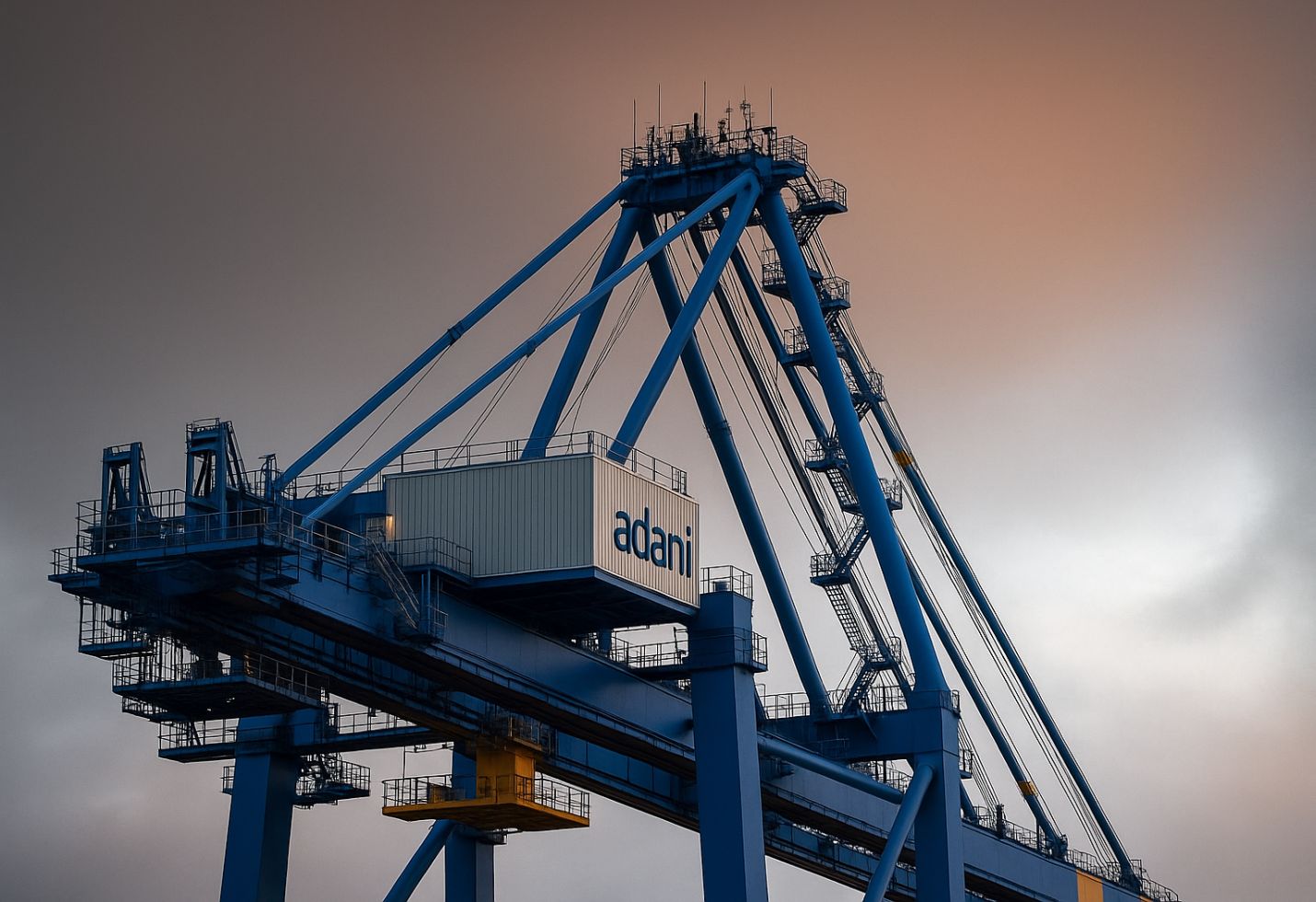
Adani Power Q2 FY26: Revenue Edges Up, EBITDA Steady and Profit Down ~11% on Higher Costs & Taxes

Adani Power Q2 FY26: Revenue Edges Up, EBITDA Steady and Profit Down ~11% on Higher Costs & Taxes

Adani Power Q2 FY26: Revenue Edges Up, EBITDA Steady and Profit Down ~11% on Higher Costs & Taxes

Adani Power Q2 FY26: Revenue Edges Up, EBITDA Steady and Profit Down ~11% on Higher Costs & Taxes

Adani Power delivered a modestly better quarter in terms of topline and stable operations, but bottom-line profit declined owing to higher expenses and tax burden. Electric-power sales volume increased, revenue rose slightly, and EBITDA remained steady, showing core business resilience. However, net profit at ₹ 2,906-2,953 crore declined by about 11% YoY, underlining pressure from cost inflation and depreciation on recent capacity additions.

*Key Highlights*
* Total Revenue: ₹ 14,308 crore in Q2 FY26, up +1.7% YoY (vs ₹ 14,063 crore in Q2 FY25)
* Electric-power sales volume (consumption by customers): 23.7 BU (billion units), up +7.4% YoY (vs 22 BU in Q2 FY25)
* EBITDA: ₹ 6,001 crore in Q2 FY26 (vs ₹ 6,000 crore in Q2 FY25)
* Net Profit (PAT): ₹ 2,906 – 2,953 crore for Q2 FY26, down ~11% YoY (from ~₹ 3,332–3,331.8 crore in Q2 FY25)
* Earnings Per Share (EPS): ₹ 1.53 in Q2 FY26 (from ₹ 1.66 in Q2 FY25)
* New Power Purchase Agreements (PPA) added: 4.5 GW of long-term PPAs under SHAKTI scheme (2,400 MW, Bihar; 1,600 MW, Madhya Pradesh; 570 MW, Karnataka) by Oct 2025
* Total capacity (post-acquisition of Vidarbha Industries Power Ltd under Corporate Insolvency Resolution): 18,150 MW as on Q2 FY26

*Revenue & Profit Analysis*
Revenue grew only marginally (+1.7% YoY), reflecting slightly improved power sales volume. The increase in volume (electricity sold) helped counter the impact of softened merchant tariffs and softer demand under seasonal and weather pressures. EBITDA remained stable at ~₹ 6,001 crore, indicating that operational costs and efficiencies held up despite volatility in fuel and input costs.
However, the bottom line took a hit: net profit fell by ~11%, primarily because of higher depreciation (on new plants and capacity additions) and increased tax expense. This suggests that while operations are stable, the returns on newer capacity are yet to fully overcome cost and depreciation drag.

*Business & Operational Performance*
* Power Sales & Volume: The company reported 23.7 BU of power sales in Q2, a healthy +7.4% YoY growth despite monsoon-related demand softness and a high base quarter. This underscores steady demand from DISCOMs and industrial customers under long-term PPAs.
* PPA Book & Capacity Expansion: Securing 4.5 GW of fresh long-term PPAs under the SHAKTI scheme is a key positive. It improves visibility on future demand and revenue flows. Post the resolution-process acquisition, total generation capacity stands at ~18,150 MW, giving Adani Power a sizeable base for long-term generation and supply.
* Cost & Tariff Environment: Despite lower merchant-tariff realisation and import-coal cost volatility, the company maintained stable EBITDA, implying moderate fuel and input cost control.
* Balance-sheet moves & Consolidation: The quarter saw consolidation: several wholly-owned subsidiaries (e.g. power generation/ fuel management entities) were merged under Adani Power (appointed date April 1, 2025), which may improve administrative efficiency and reduce inter-company overhead.

*Risk Factors to Monitor*
* Tariff and Demand Volatility: Merchant-tariff volatility and demand fluctuations (especially due to monsoon, fuel cost or DISCOM payment delays) can affect realisation.
* High Depreciation & Interest Costs: Recent capacity additions increase depreciation and interest burden, so sustained utilisation and long-term PPAs are key for return on capital.
* Fuel & Coal Price Risk: As a thermal-power generator dependent on coal/imported fuel, global coal price swings or supply disruptions could impact margins.
* Capex & Debt Risk: Further expansions to reach 42 GW target by 2031–32 means more capex and possible debt.

*Management Commentary & Strategic Outlook*
According to the company, the quarter demonstrates Adani Power’s “robust and stable performance” even amid weather-driven demand fluctuations and lower merchant tariffs. The management highlights the securing of fresh long-term PPAs (4.5 GW) under the SHAKTI scheme as a strong signal of future demand stability.
The company is also working on its long-term growth goal: expanding capacity toward ~42 GW by FY 2031–32, backed by acquisition of stressed assets and future project pipelines. The consolidation of subsidiaries under the parent company is meant to simplify operations and reduce overhead.

*Conclusion*
Adani Power’s Q2 FY26 is a steady yet muted quarter. On one hand, power sales volume increased, revenue rose modestly and core operations held up, reflecting resilience in demand and execution. On the other hand, profitability dipped by ~11% because of higher depreciation, taxes and cost pressures, highlighting that scaling up capacity brings fixed-cost burden. In short, Adani Power remains a high-potential but cyclical power play, suitable if you’re comfortable with sectoral & commodity fluctuations, but needs careful monitoring of demand, costs and regulatory/ fuel risks.


The image added is for representation purposes only
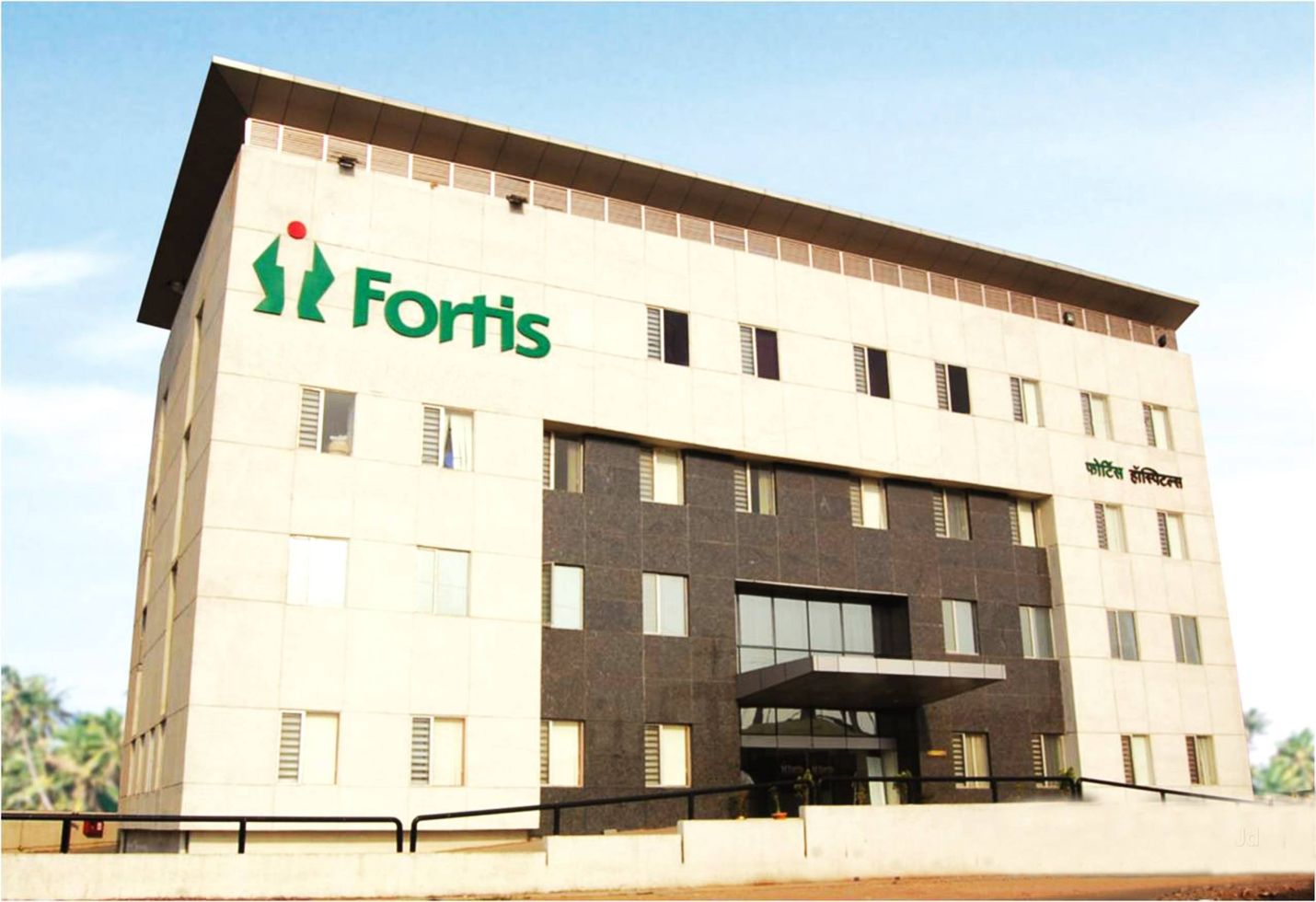
Fortis Healthcare Q2 FY26: Strong Hospital & Diagnostics Growth Push Revenue and Profit Up Sharply

Fortis Healthcare Q2 FY26: Strong Hospital & Diagnostics Growth Push Revenue and Profit Up Sharply

Fortis Healthcare Q2 FY26: Strong Hospital & Diagnostics Growth Push Revenue and Profit Up Sharply

Fortis Healthcare Q2 FY26: Strong Hospital & Diagnostics Growth Push Revenue and Profit Up Sharply

Fortis Healthcare delivered a robust quarter, with healthy growth across both its hospital and diagnostics businesses. Consolidated revenue rose ~17% YoY, while PAT surged around 70–82% compared to last year’s same quarter. The improvement reflects better occupancy, higher volumes in specialty care and diagnostics and improved margins. The company also continues to expand its bed capacity and diagnostic-service footprint, setting up a favorable base for future growth.

*Key Highlights*
* Consolidated revenue: ₹ 2,331 crore in Q2 FY26 (up +17.3% YoY)
* Operating EBITDA: ₹ 556–556 crore (up ~28% YoY)
* Operating EBITDA margin: 23.9% in Q2 FY26, vs 21.9% in Q2 FY25
* Profit After Tax (PAT): ₹ 322–329 crore in Q2 FY26 (up ~70–82% YoY)
* Hospital-business revenue: ₹ 1,974 crore (up +19.3% YoY)
* Diagnostics business net revenue: ₹ 357 crore (up +7.1% YoY)
* Key specialty care growth: Oncology and Renal Sciences grew ~29% and ~22% YoY respectively
* Increased bed occupancy: occupied beds rose ~13% QoQ; hospital occupancy improved to 71% (from 69% in Q1 FY26).

*Revenue & Profit Analysis*
Fortis’s 17% growth in consolidated revenue shows healthy demand for its services. The rise came from more patients, higher bed utilisation and increased uptake of specialized treatments. With EBITDA up ~28% and margin expanding to nearly 24%, the company seems to have managed cost structure efficiently, even while volumes rose. The large jump in PAT (70–82%) implies that operational gains translated well into bottom-line growth.
This suggests that Fortis didn’t just see more patients, it also delivered services more profitably due to improved occupancy, higher share of specialty cases and perhaps better cost control in both hospital operations and diagnostics.

*Business Segments: Hospital & Diagnostics*
1. Hospital Business:
* Revenue rose ~19.3% YoY to ₹ 1,974 crore
* Bed occupancy improved; occupied beds rose by ~13% QoQ
* Complex treatments are up: Oncology grew ~29% YoY; Renal Sciences up ~22%
* International patient revenue also grew ~26% YoY, contributing a larger share of overall hospital revenue.
2. Diagnostics Business:
* Net revenue rose to ₹ 357 crore (from ₹ 334 crore a year ago), +7.1% YoY
* The diagnostics arm continues network expansion, more “customer touch points” (CTPs), giving it wider reach.
Together, both segments contributed to balanced growth, hospital business driving major revenue, and diagnostics adding stability and recurring cash flow.

*Balance Sheet & Debt Position*
As of 30 September 2025, Fortis has a net debt of ₹ 2,219 crore. Net-debt to EBITDA ratio stands at ~0.96x (versus just 0.16x on 30 Sept 2024), reflecting that debt has increased due to recent acquisitions and expansions (such as taking stake in a diagnostics-business PE stake and acquiring a hospital).
Although leverage went up, the ratio remains under control, and with improving EBITDA and cash flow, Fortis appears to manage its balance sheet prudently while funding growth.

*Strategic Moves & Growth Outlook*
Fortis entered a 15-year lease agreement to operate a ~200-bed multi-specialty hospital in Greater Noida, expanding its footprint in the Delhi-NCR region. It continued to integrate newly acquired hospitals and expanded bed capacity in existing facilities, supporting future volume and revenue growth. Moreover, it expanded its diagnostics network, including new customer-touchpoints, which supports stability and allows it to capture more outpatient test demand. Given the strong uptick in specialty care demand (e.g. oncology, renal, surgeries) and growing diagnostics demand, the company seems well-positioned to ride long-term growth in India’s healthcare consumption.

*Conclusion*
Fortis Healthcare’s Q2 FY26 results look solid and encouraging. With strong growth in both hospital and diagnostics businesses, improved margins and a sharp rise in PAT, the company demonstrates that it can scale operations while remaining profitable. Key positives are: rising patient volumes, growth in specialty and international-patient segments, expanding bed capacity and diagnostics footprint, and a manageable debt level considering expansion. Whereas, some factors to watch include continued performance of newly added hospitals, maintaining occupancy and specialty-case mix, efficient integration of acquisitions and controlling leverage while growing.


The image added is for representation purposes only

GAIL Q2 FY26: Gas & Pipeline Volumes Steady, Revenue Rises, Profit Rebounds Sequentially Despite Segment Pressures

GAIL Q2 FY26: Gas & Pipeline Volumes Steady, Revenue Rises, Profit Rebounds Sequentially Despite Segment Pressures

GAIL Q2 FY26: Gas & Pipeline Volumes Steady, Revenue Rises, Profit Rebounds Sequentially Despite Segment Pressures

GAIL Q2 FY26: Gas & Pipeline Volumes Steady, Revenue Rises, Profit Rebounds Sequentially Despite Segment Pressures

GAIL posted a steady quarter with a mild rise in revenue, firm gas transmission and marketing volumes, and a strong sequential improvement in profitability. Revenue from operations stood at ₹35,031 crore and PAT came in at ₹2,217 crore. While profit fell on a YoY basis, this quarter showed early signs of stability driven by healthy pipeline utilisation and better traction in polymer and hydrocarbon sales. The key drag continues to be margin pressure in the petrochemical business.

*Key Highlights*
* Revenue from operations: ₹35,031 crore in Q2 FY26 (up ~+6.4% YoY)
* PAT: ₹2,217 crore (vs ₹1,886 crore in Q1 FY26: +18% QoQ)
* PBT: ₹2,823 crore in Q2 FY26 (vs ₹2,533 crore in Q1 FY26: +11% QoQ)
* Gas transmission volume: 123.59 MMSCMD (vs 120.62 in Q1 FY26: slight uptick)
* Gas marketing volume: 105.49 MMSCMD (almost flat QoQ)
* Polymer & LHC sales: Polymer 209 TMT and LHC 223 TMT (up from 177 TMT and 198 TMT in Q1 FY26)
* CapEx: ₹1,662 crore in Q2 FY26, mainly towards pipelines and petrochemicals

*Revenue & Profit Analysis*
GAIL reported revenue of ₹35,031 crore, up around 6–6.5% YoY, supported by stable demand in gas transmission, gas marketing and hydrocarbon products.
Sequentially, performance improved visibly: PBT rose 11% and PAT increased 18% over Q1 FY26.
On a YoY basis, however, profit declined due to weak margins in petrochemicals and softer realisations in the LPG/ hydrocarbon segment.
Overall, the company is seeing some recovery through cost controls and volume resilience, even though certain businesses remain under pressure.

*Segment & Business Mix Performance*
1. Gas Transmission & Marketing:
* Transmission volume: 123.59 MMSCMD
* Marketing volume: 105.49 MMSCMD
These stable numbers reflect consistent demand from CGD networks, industries and other pipeline consumers.
2. Polymers & Hydrocarbons:
* Polymer sales: 209 TMT (up from 177 TMT)
* Liquid hydrocarbons: 223 TMT (up from 198 TMT)
Higher volumes here indicate a bounce-back from last quarter’s softness and provide some relief beyond the core gas business.
3. CapEx & Expansion:
GAIL spent ₹1,662 crore this quarter, largely on pipeline expansion and petrochemical projects. The company has also received approval to expand the JLPL LPG pipeline, which once commissioned could add about ₹700 crore in annual revenue.

*Risks & Segmental Headwinds*
* The petrochemical business remains under significant margin stress and reportedly posted losses this quarter.
* LPG and hydrocarbon margins are being hit by volatile global commodity prices.
* Despite steady volumes, the YoY PAT decline shows that cost pressures and weaker realisations continue to weigh on profitability.

*Management Commentary*
* GAIL has been authorised to double JLPL’s LPG pipeline capacity from 3.25 MMTPA to 6.5 MMTPA. With tariff escalation of 3.4% annually, this can potentially add ~₹700 crore to revenue and ~₹600 crore to EBITDA each year.
* The company is prioritising its pipeline network expansion, including the newly approved Vijaipur–Bina pipeline (3 MMSCMD, 105 km) with an estimated capex of ~₹450 crore over three years.
* Management remains focused on leveraging GAIL’s integrated gas and hydrocarbon infrastructure to drive medium-term growth, even as petrochemicals continue to face headwinds.

*Conclusion*
GAIL’s Q2 performance shows stability in its core operations: gas transmission and marketing volumes remain healthy, hydrocarbon/polymer sales have improved, and profitability has recovered QoQ. The company’s ongoing investments in pipelines and infrastructure should support future growth. However, near-term profitability will likely stay volatile due to weak petrochemical margins and ongoing commodity pressure. The YoY decline in PAT highlights that volume growth alone will not drive earnings unless margins improve.


The image added is for representation purposes only

Vedanta Ltd Q2 FY26: Record Revenue & EBITDA, but Exceptional Loss Weighs on Net Profit

Vedanta Ltd Q2 FY26: Record Revenue & EBITDA, but Exceptional Loss Weighs on Net Profit

Vedanta Ltd Q2 FY26: Record Revenue & EBITDA, but Exceptional Loss Weighs on Net Profit

Vedanta Ltd Q2 FY26: Record Revenue & EBITDA, but Exceptional Loss Weighs on Net Profit

Vedanta reported a strong operational quarter, delivering its highest-ever Q2 revenue and EBITDA, supported by healthy volumes across aluminium, zinc, and other metal businesses. However, a sizeable exceptional loss linked to the power segment pulled down consolidated net profit sharply. The core business remains solid, but one-off items overshadowed the earnings picture this quarter.

*Key Highlights*
* Consolidated Revenue: ₹39,218 crore (+6% YoY)
* EBITDA: ₹11,612 crore (+12% YoY), the best-ever for Q2
* EBITDA Margin: ~34%, up ~69 bps YoY
* Profit Before Exceptional Items: ₹5,026 crore (+13% YoY)
* Reported PAT: ₹3,479 crore, down ~38–59% YoY due to exceptional losses of ₹2,067 crore
* Net Debt/ EBITDA: Improved to ~1.37x (from 1.49x)

*Revenue & Profit Analysis*
Revenue increased about +6% to roughly ₹39,200 to ₹39,800 crore, marking the strongest Q2 topline in Vedanta’s history. EBITDA grew 12% YoY to ₹11,612 crore, reflecting solid operating leverage and cost discipline despite price volatility in global commodities.
The key drag came from the power business. A one-time exceptional loss of ₹2,067 crore pushed consolidated PAT down to ₹3,479 crore, masking the strength of the underlying operations. In short, the core engine is performing well, but the quarter’s reported earnings were distorted by non-recurring issues.

*Segment/ Operational Performance Highlights*
* Aluminium & Alumina: Cast metal output at 617,000 tonnes and alumina at 653,000 tonnes, both record highs. Segment EBITDA rose to ₹5,532 crore, up ~33% YoY.
* Zinc (India & International): Zinc-India achieved its highest-ever Q2 mined metal production at 258,000 tonnes (+1% YoY). Cost of production remained low at US$ 994/tonne, driving EBITDA up ~8% YoY to ₹4,434 crore.
* Power & Others: Operational volatility in the power business contributed to the exceptional loss, impacting overall profitability.

*Balance Sheet, Debt & Capital Metrics*
Net debt stood at ₹62,063 crore as of 30 Sept 2025, with leverage improving to ~1.37x. The company’s AA credit rating was reaffirmed, underscoring financial stability. Capex for H1 FY26 totalled USD 0.9 bn, signalling ongoing investment in growth and capacity expansion. Even after the exceptional loss, the improvement in leverage shows that underlying cash generation remains strong.

*Management Commentary*
Management highlighted that despite commodity price swings and operational challenges, Vedanta delivered record production across major segments. The exceptional loss from the power subsidiary was acknowledged, but the company believes its diversified portfolio and disciplined balance-sheet approach will help absorb such shocks.

*Conclusion*
Q2 FY26 was a quarter where the core business shone but headline numbers suffered. Strong production, better margins and robust EBITDA growth demonstrate the health of the metals-mining operations, while the one-off power-related loss temporarily depressed net profit. Key things to monitor include movement in aluminium and zinc prices, stability of power and non-metal subsidiaries, and debt levels and capex pace, given ongoing investments. Overall, Vedanta continues to be a strong, diversified business with healthy cash flows. The PAT decline this quarter appears to be a temporary, non-structural issue.


The image added is for representation purposes only

Cipla Ltd Q2 FY26: Revenue Hits Record Level, but Profit Growth Remains Modest

Cipla Ltd Q2 FY26: Revenue Hits Record Level, but Profit Growth Remains Modest

Cipla Ltd Q2 FY26: Revenue Hits Record Level, but Profit Growth Remains Modest

Cipla Ltd Q2 FY26: Revenue Hits Record Level, but Profit Growth Remains Modest

Cipla posted its highest-ever quarterly revenue at ₹7,589 crore in Q2 FY26, a +7.6% YoY increase. Growth was broad-based across India, Africa and Emerging Markets. However, EBITDA remained almost flat and margins softened. Profit also grew only +3.7% YoY to ₹1,351 crore. The US business remained steady but not strong, while API revenue declined. Overall, Cipla is growing steadily in scale, but profitability is expanding at a slower pace.

*Key Highlights*
* Revenue from operations: ₹7,589 crore (+7.6% YoY)
* EBITDA: ₹1,895 crore (+0.5% YoY)
* EBITDA margin: 25.0% (down from 26.7% last year)
* PAT: ₹1,351 crore (+3.7% YoY)
* India business: ₹3,146 crore (+7% YoY)
* North America: US$233 million (~₹2,039 crore), growth ~+3% YoY in INR terms
* Africa (One Africa): ₹1,178 crore (+10% YoY)
* Emerging Markets + Europe: ₹967 crore (+20% YoY)
* API business: ₹148 crore (down by 7% YoY)
* Total equity: ₹33,025 crore
* Total debt: ₹467 crore (very low leverage)

*Revenue & Profit Analysis*
Cipla’s +7.6% YoY revenue growth highlights strong demand and a resilient portfolio. Domestic business grew +7% YoY, while Emerging Markets posted a robust +20% YoY expansion, helping offset the slower North America performance.
However, EBITDA grew only +0.5% YoY, and the margin fell to 25%, indicating cost pressures and unfavourable product mix. PAT growth of +3.7% YoY is modest compared with the scale of revenue, showing that profitability is not keeping pace with top-line expansion.
This positions Cipla as a company that is growing in size but needs sharper margin improvement to drive stronger earnings.

*Segment & Operational Performance*
1. India (One India Business)
* Revenue: ₹3,146 crore (+7% YoY)
* Chronic care contribution rose to 61.8%
* Cipla continues to strengthen its position in respiratory and chronic therapies.
2. North America
* Revenue: US$233 million (~₹2,039 crore), +3% YoY in INR
* Growth driven by the launch of biosimilar Filgrastim and approval for generic Glucagon.
* Overall growth remains muted due to competitive pricing pressure.
3. One Africa
* Revenue: ₹1,178 crore (+10% YoY)
* South Africa private market outperformed the broader market.
* The region continues to be a consistent contributor.
4. Emerging Markets & Europe
* Revenue: ₹967 crore (+20% YoY)
* This was one of the strongest segments, driven by both direct markets and strong institutional business.
5. API Business
* Revenue: ₹148 crore ( down by 7% YoY)
* This remains a weak spot and indicates softness in upstream operations.

*Risk & Outlook Considerations*
Uncertainties:
* Margin pressure: EBITDA margin dropped from 26.7% to 25%
* US business competitive pressure remains a concern despite new approvals
* API decline pulls down overall performance
* Leadership transition (new CEO in April 2026) may bring temporary uncertainty
Positives:
* Strong respiratory pipeline
* Four major respiratory launches planned by 2026
* Emerging markets momentum remains strong
* Healthy balance sheet with extremely low debt

*Conclusion*
Cipla’s Q2 FY26 performance shows solid revenue growth but mild profit expansion. Strength in India, Africa and Emerging Markets is encouraging, but margin squeeze and a slow-moving US business limit earnings momentum. The next leg of growth will depend on improving the US pipeline, restoring API performance, expanding margins through cost optimisation and successfully executing key respiratory launches. Cipla remains a stable, diversified, steady-growth pharma company, but for it to deliver stronger shareholder returns, margin and profit acceleration must improve in the coming quarters.


The image added is for representation purposes only

DLF Limited Q2 FY26: Bookings Soar, But Profit Faces Short-Term Drag