
Menu

Markets

By an IPO, Greaves is expected to raise ₹1,000 crore.

By an IPO, Greaves is expected to raise ₹1,000 crore.

By an IPO, Greaves is expected to raise ₹1,000 crore.


The Securities and Exchange Board of India (SEBI) has given Greaves Electric Mobility Ltd (GEML) regulatory clearance to move forward with its initial public offering (IPO), which is a major step forward for the electric vehicle (EV) sector in India.
The company, which functions as a subsidiary of Greaves Cotton Ltd, is aiming to raise ₹1,000 crore through a mix of fresh equity issuance and an offer for sale by current shareholders.
This marks a major milestone for GEML as it seeks to expand operations, improve production capacity, and strengthen its position in the increasingly competitive Indian EV market.

Details of the IPO Structure

As per the company’s filings, the IPO will include a fresh issue of shares totaling ₹1,000 crore. Additionally, current owners want to use an Offer for Sale (OFS) to sell up to 18.9 crore equity shares. Among the major selling shareholders, Greaves Cotton, the parent company, will offload around 5.1 crore shares. Another significant shareholder, Abdul Latif Jameel Green Mobility Solutions DMCC, will offer approximately 13.8 crore shares for sale.
GEML has also indicated the option of conducting a pre-IPO placement of up to ₹200 crore. If this placement takes place, the fresh issue size will be adjusted accordingly.

Purpose of the Fundraising

The capital raised from the fresh issue is expected to be used for several growth-driven initiatives. GEML plans to invest ₹375 crore in research and development to support the creation of new products and advanced technologies in the EV space. This move aligns with the company’s strategy to remain at the forefront of innovation in electric mobility.
Another ₹83 crore will be dedicated to setting up an in-house battery assembly unit. This facility is expected to reduce reliance on third-party suppliers, streamline production, and improve control over the quality of critical EV components.
Additionally, the company plans to use around ₹20 crore to increase manufacturing capabilities at Bestway Agencies Pvt Ltd, a group company involved in vehicle assembly and production. The remaining funds will be allocated toward general corporate needs, branding, and operational enhancements.

Company Background and Market Position

Greaves Electric Mobility has emerged as a significant player in India’s electric vehicle segment, particularly in the two-wheeler and three-wheeler categories. The company operates under well-known EV brands such as Ampere, Ele, and ELTRA, which cater to a wide range of consumer and commercial users across urban and rural regions.
The firm currently operates three manufacturing plants and maintains an expansive distribution and service network throughout the country. Its vehicles are known for being affordable, reliable, and suitable for Indian road conditions, making them popular among delivery services, commuters, and small business owners.

Financial Performance and Growth

In terms of financial metrics, Greaves Electric Mobility posted a revenue of ₹611.8 crore for the fiscal year ending March 2024. For the six months ending September 2024, it generated ₹302.2 crore in revenue, indicating continued growth and a steady demand for its products.
These strong financials reflect the company’s strategic focus on high-demand segments and its ability to offer cost-effective EV solutions to mass-market consumers. With increased awareness around environmental issues and fuel costs, more Indian consumers are making the switch to electric vehicles, further strengthening GEML’s market opportunity.

Industry Impact and Outlook

The IPO approval comes at a time when India’s EV industry is experiencing robust growth due to government incentives, technological advancements, and rising fuel prices. By going public, GEML aims to capitalize on this momentum, attract new investors, and accelerate its long-term growth plans.
The capital raised will enable GEML to scale faster, enhance its product offerings, and compete more effectively with both traditional automakers and newer EV startups. The move is also expected to set a benchmark for other EV companies considering public listings in India.
Investors will be closely watching this IPO, as it represents not only a corporate milestone for GEML but also a key moment in India’s transition to sustainable mobility.

Conclusion

With SEBI’s approval in hand, Greaves Electric Mobility is all set to launch its IPO and raise funds to support its next phase of expansion. The move will likely fuel innovation, strengthen in-house capabilities, and reinforce the company’s role as a leader in India’s evolving EV landscape. As the country shifts toward greener transportation solutions, GEML’s IPO could be a major turning point—not just for the company, but for the broader industry.


The image added is for representation purposes only

ITD Cementation Reports Significant Profit Growth in Q4 FY25


Foxconn Strengthens India Presence Amid Global Asset Shift

Pharma Index Recovers After Trump’s Drug Pricing Order Shock

Pharma Index Recovers After Trump’s Drug Pricing Order Shock


The pharmaceutical sector witnessed dramatic volatility following the announcement of a new drug pricing executive order by former U.S. President Donald Trump. The announcement initially triggered a sharp 500-point drop in the Pharma Index, causing concern among investors and stakeholders worldwide. Nevertheless, the market shown exceptional tenacity by the conclusion of the trading day, with large pharmaceutical stocks—such as Sun Pharma and Biocon—making a resurgence and aiding in the index’s recovery.
This roller-coaster movement highlights the sector’s sensitivity to policy decisions, especially when they originate from one of the largest healthcare markets in the world — the United States.

The Announcement That Shook the Market

On May 13, 2025, former President Donald Trump issued an executive order aimed at reducing the cost of prescription medications in the United States. The directive, titled the “America First Drug Pricing Reform,” proposes linking U.S. drug prices to those in other advanced economies to prevent Americans from paying disproportionately high costs. Initially, the policy is set to impact Medicare and other government-funded healthcare programs, with the possibility of extending similar pricing rules to private insurers in the future.
The stock market was immediately rocked by the news. The Nifty Pharma Index, a benchmark tracking India’s top pharmaceutical companies, plunged over 500 points within hours of the announcement. The drop was driven by investor fears that U.S. revenue — a key market for Indian drug makers — could be slashed if prices are capped.

Stocks That Took a Hit

Shares of major pharmaceutical companies, including Sun Pharmaceutical Industries, Biocon, Cipla, and Dr. Reddy’s Laboratories, fell during morning trading. Biocon had an approximately 3% fall as markets analyzed the potential implications of the U.S. ruling, while Sun Pharma experienced a decline of almost 4% before starting a late-session rebound.
Given that many of these companies derive a substantial portion of their revenue from the U.S., particularly through the sale of generic and specialty drugs, the fear of tighter price controls raised alarm bells among shareholders.

Why the Rebound?

While the initial sell-off was swift and brutal, the market began to stabilize in the afternoon session. Analysts and investors took a closer look at the executive order’s scope and timeline, which appeared less aggressive than originally feared. The order requires regulatory review, stakeholder consultation, and congressional cooperation — all of which can slow down or water down implementation.
Moreover, it became evident that the order focused primarily on branded prescription drugs purchased by government programs. Indian pharmaceutical companies, by contrast, dominate the generics segment, which was less directly targeted.
Brokerage firms including HDFC Securities and Motilal Oswal noted in post-announcement reports that the real-world impact on Indian pharma may be minimal in the short term. This view helped calm investor nerves and triggered bargain-hunting, lifting pharma stocks back toward previous levels.

Sun Pharma, Biocon Regain Ground

By the end of the trading day, Sun Pharma had cut its losses to just 1%, and Biocon even managed a slight uptick. The market interpreted this as a sign that investors were regaining confidence in the long-term fundamentals of these companies. The general sentiment among institutional investors was that Indian pharma, known for its cost-efficient production and strong regulatory compliance, would continue to remain competitive — even in a price-sensitive global environment.
Biocon’s leadership, in fact, released a statement expressing optimism that the pricing reforms could open opportunities for biosimilars and cost-effective treatments, where Indian firms have a strong competitive edge.

What It Means for the Global Pharma Market

Trump’s executive order, while not yet enforceable, has sent a clear message: the U.S. will continue to push back on rising drug prices. This could signal a broader global trend toward regulating pharmaceutical pricing. If similar moves are adopted by other countries or international regulatory bodies, the impact could cascade across the global supply chain.
For Indian pharmaceutical companies, this means preparing for a future where price pressures are the norm, not the exception. It also presents an opportunity — as major pharmaceutical companies look to cut costs, outsourcing to India for manufacturing, R&D, and clinical trials could see renewed demand.

The Road Ahead

The Pharma Index’s quick rebound suggests investor faith in the resilience and adaptability of India’s pharmaceutical industry. However, stakeholders must stay alert. The U.S. remains a critical market, and any enforced regulation could eventually affect profit margins.
Many analysts believe that Indian pharma companies should diversify more aggressively into other geographies, invest in biosimilars and specialty drugs, and continue to improve their cost structures to remain competitive globally.
As for the policy itself, it will likely face legal challenges from American pharmaceutical companies and pushback from lobby groups. This could delay implementation for months, if not years — offering companies time to adapt and strategize.

Conclusion

Trump’s executive order may have rattled the markets, but it has also offered valuable insights into the direction of global healthcare policy. The swift drop and recovery of the Pharma Index illustrate how market sentiment can shift rapidly based on perception, analysis, and expectations. For Indian pharmaceutical firms, the message is clear: stay lean, stay innovative, and prepare for a future defined not just by product pipelines, but also by pricing power.


The image added is for representation purposes only
Private Equity Firm Acquires ISO Solar to Accelerate Clean Energy Growth in Puerto Rico


Gautam Adani’s Freight Forwarding Foray: Challenging Global Logistics Giants

Gautam Adani’s Freight Forwarding Foray: Challenging Global Logistics Giants

Gautam Adani’s Freight Forwarding Foray: Challenging Global Logistics Giants


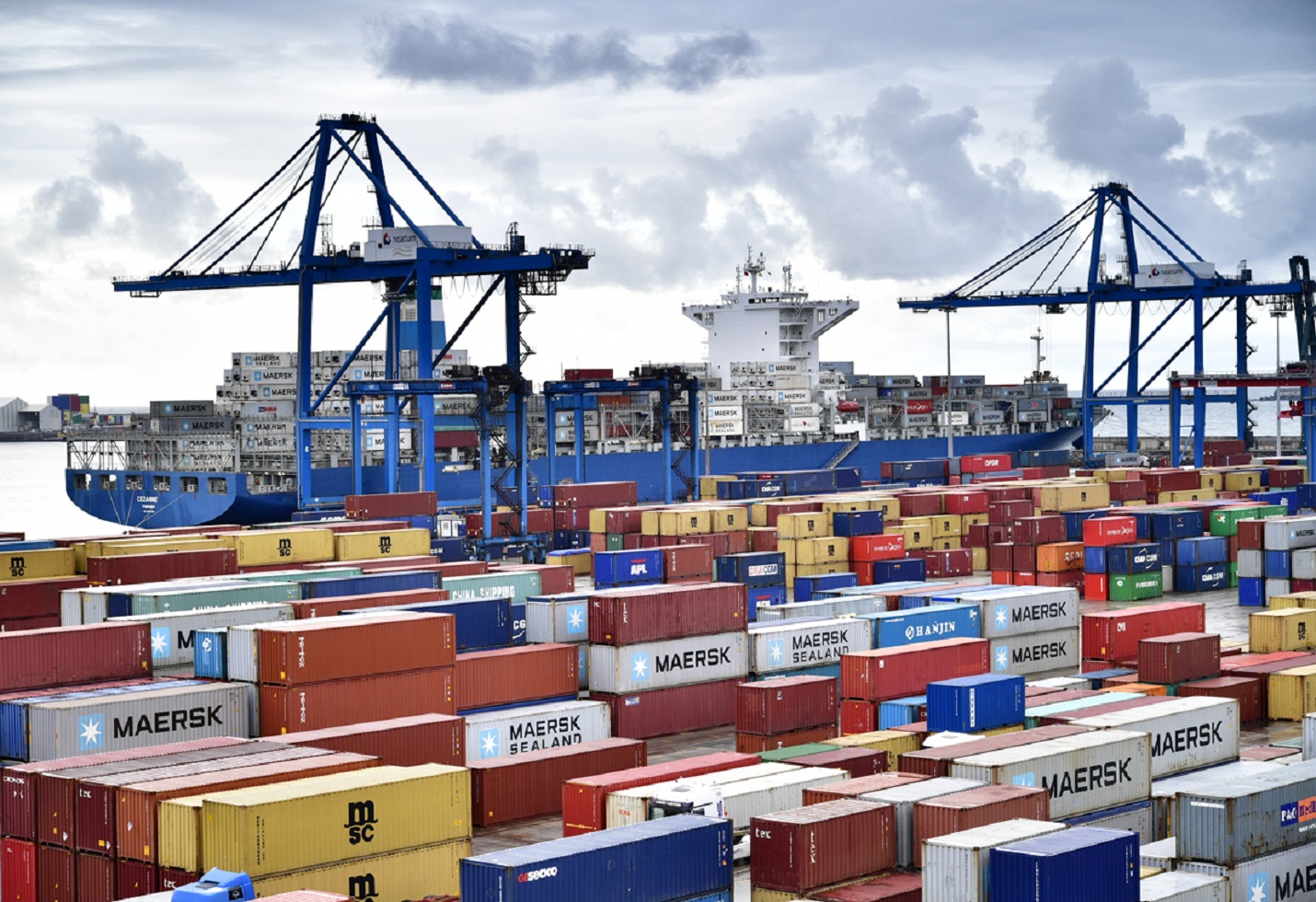
Adani Ports’ bold entry into freight forwarding aims to disrupt a market dominated by multinationals, leveraging India’s largest port network and integrated logistics infrastructure.

Introduction

The Indian logistics landscape is witnessing a seismic shift as Gautam Adani, one of the country’s most influential business leaders, sets his sights on the global freight forwarding market. By expanding Adani Ports and Special Economic Zone Ltd (APSEZ) into this domain, Adani is taking on multinational giants and aiming to reshape how goods move across borders for Indian businesses.

The Freight Forwarding Market: A Global Battleground

Freight forwarding is a critical intermediary service in international trade, orchestrating the movement of goods from origin to destination, including transportation, documentation, and customs clearance. In India, this market has long been dominated by foreign multinationals such as DHL, DB Schenker, Panalpina, Nippon Express, and Yusen Logistics, collectively controlling about 70% of the sector.
Among Indian firms, Allcargo Logistics has been a leading player, but the entry of APSEZ brings a new scale and ambition to the table.

Adani’s Integrated Logistics Advantage

APSEZ’s freight forwarding venture is not a standalone play. The company already commands 45.5% of India’s container handling market at ports and operates air cargo terminals at key airports. Its logistics vertical has posted a remarkable 39% revenue growth in FY25, underlining its aggressive expansion.
Key assets and capabilities include:
• 132 railway rakes (68 containers, 54 GPWIS, 7 Agri, 3 AFTO)
• 12 multi-modal logistics parks
• 3.1 million sq ft of warehousing
• 1.2 million tonnes of agri silos, expanding to 4 million tonnes
These assets enable APSEZ to offer end-to-end integrated transport solutions-spanning ports, rail, road, warehousing, and now, freight forwarding.

Strategic Moves: Trucking and International Freight Network

In FY25, APSEZ launched two new initiatives:
• Trucking Management Solution (TMS):
A marketplace and fulfilment platform to streamline the supply chain for customers.
• International Freight Network (IFN):
An integrated digital platform connecting carriers with end users, enhancing transparency and efficiency.
These innovations are designed to attract more cargo to APSEZ’s network and strengthen its position as a transport utility, not just a port operator.

Leadership and Vision

The freight forwarding business is headed by Akshyat Bhatia, Vice President–Logistics, who joined APSEZ after over 14 years at A.P. Moller-Maersk, bringing deep industry expertise. CEO Ashwani Gupta emphasizes that APSEZ is now a “full end-to-end integrated transport utility company,” aiming to capture the entire supply chain and offer competitive ocean freight rates to customers.

Disrupting the Status Quo

APSEZ’s strategy mirrors global trends, where leading container shipping lines and terminal operators like DP World have expanded into landside logistics to provide end-to-end solutions. By leveraging its vast container market share, APSEZ can negotiate better rates with shipping lines and offer more competitive pricing to Indian exporters and importers.
The company aims to attract customers in India’s hinterland-currently served by third-party freight forwarders-by offering integrated services and the purchasing power of the Adani Group.

The Bigger Picture: Air Cargo and International Expansion

Adani’s logistics ambitions extend beyond ocean freight. The group is exploring passenger-to-freighter (P2F) aircraft conversions to tap into India’s growing air cargo market, which is currently underserved by domestic operators. This is in line with APSEZ’s larger objective of establishing itself as a leading force in all forms of cargo transportation.
Internationally, Adani Ports is also expanding its footprint, recently acquiring the North Queensland Export Terminal in Australia to boost its annual capacity and global reach.

Conclusion

Gautam Adani’s move into freight forwarding signals a pivotal shift in India’s logistics sector.
With its vast scale, integrated infrastructure, and focus on digital transformation, APSEZ is positioning itself to compete with global leaders and provide Indian businesses with a compelling alternative. As the company broadens its presence across sea, land, and air transport, it has the potential to reshape the logistics industry both in India and internationally.


The image added is for representation purposes only

Birla Corp Breaks the Ceiling with 20% Stock Surge


Central Banks Shift: Dollar's Global Reserves Decline

Central Banks Shift: Dollar's Global Reserves Decline

Central Banks Shift: Dollar’s Global Reserves Decline


Central banks worldwide are gradually reducing their reliance on the US dollar for foreign exchange reserves, marking a significant shift in the global financial landscape.

Summary:

The US dollar’s dominance in global foreign exchange reserves diminishes as central banks diversify their holdings to reduce revaluation losses and improve portfolio stability. Although the dollar continues to account for most global reserves, its share has steadily decreased over the last twenty years. Analysts point to factors such as geopolitical uncertainties, the emergence of alternative currencies like the Chinese yuan, and changes in global trade patterns as key reasons for this shift.

Global Reserve Composition Undergoes a Subtle Shift

Historically regarded as the cornerstone of international financial stability, the dollar is slowly losing its grip on global foreign exchange reserves. Recent data from the International Monetary Fund (IMF) reveals that the US dollar’s share of global forex reserves has decreased to around 58%, down from more than 70% at the start of the millennium.
While it remains the primary global reserve currency, this gradual decline suggests that central banks are becoming more cautious about relying on a single currency. There’s a precise movement towards diversifying their portfolios to enhance returns and protect against monetary and geopolitical risks.
Economists point to several factors behind this trend: ongoing US inflation, the dollar’s use in sanctions, concerns about revaluation with shifting interest rates, and the emergence of regional currencies offering alternative trade solutions.

Central Banks Rethinking Dollar Dependency

The evolving strategies of global central banks indicate a notable shift in how they manage their reserves. Instead of predominantly investing in US Treasury securities or dollar-based assets, monetary authorities opt for a more diversified approach that includes gold, the euro, the Chinese yuan (renminbi), and various regional currencies.
Dr. Nandini Bhattacharya, an economist from a prominent global financial think tank, states, “While the dollar remains essential for international trade and finance, relying too heavily on a single currency is increasingly recognized as a structural risk. Diversifying helps to reduce potential losses from currency revaluation and preserves purchasing power during market volatility.”
Countries like Russia, China, India, Brazil, and some ASEAN nations have reduced their dollar holdings, shifting reserves to currencies that align more closely with their trade and strategic needs.

Geopolitical Tensions Accelerating the Shift

The dollar’s strategic deployment in geopolitics serves as a significant driver of this ongoing trend. The implementation of US-led economic sanctions, particularly aimed at nations such as Russia, Iran, and Venezuela, has led many countries to reconsider their reserve strategies.
For example, Russia has dramatically reduced its dollar reserves following the 2014 Crimea crisis and the ensuing sanctions. By 2021, only 16% of its reserves were in dollars, down from over 40% a decade earlier. Similarly, China has been decreasing its holdings of US treasuries, which were valued at $868 billion in early 2024, a decline from more than $1.3 trillion in 2013.
Neutral economies are concerned that distancing from Western alliances may prompt financial retaliation tied to the dollar, leading to increased demand for “politically neutral” reserve assets like gold and the Swiss franc.

Rise of the Renminbi and Other Currencies

Although the Chinese yuan (CNY) is a relatively minor player in global reserves, its presence in central bank allocations has steadily increased. According to the IMF’s COFER (Currency Composition of Official Foreign Exchange Reserves) data, the yuan made up nearly 3% of global reserves in 2023, a rise from just 1% in 2016.
China’s expanding trade influence and efforts to internationalize the yuan, primarily through Belt and Road Initiative projects and energy transactions, indicate it may become a complementary reserve asset.
The euro, yen, franc, and pound are top alternatives to the US dollar, but none can fully replace it due to a lack of infrastructure. However, together with gold and regional currencies, they offer a diversified defense against risks.

Gold Reclaims Its Luster in Reserve Portfolios

A notable trend is the revival of gold in foreign exchange reserves. Given the climate of fluctuating interest rates, concerns over currency devaluation, and inflationary challenges, gold has become a sought-after safe-haven asset. Central banks, particularly in emerging nations such as India, Turkey, Uzbekistan, and Thailand, have recently increased their gold purchases.
According to the World Gold Council, central bank demand for gold hit unprecedented levels in 2023, with more than 1,100 tonnes added to global reserves. This indicates a diminishing trust in fiat currencies amid uncertain conditions.

Challenges to a Post-Dollar World

Analysts advise prudence before hastily concluding that the dollar’s supremacy is waning, despite prevailing market trends. The dollar still plays a central role in SWIFT transactions, global trade invoicing, and international debt issuance. Its unique ability to provide liquidity, stability, and convertibility remains unparalleled.
For any currency to effectively challenge the dollar, it would require robust, accessible financial markets, solid legal frameworks, and complete capital account convertibility—conditions even the euro and yuan do not fully possess.
The global financial landscape is shifting from a unipolar to a multipolar reserve system, with the gradual decline of the dollar impacting monetary independence, trade, and geopolitical relationships.

Conclusion: Slow Transition, Lasting Impact

The slight decrease in the dollar’s dominance in global foreign exchange reserves indicates a significant change in the international financial landscape. As central banks aim to protect themselves from external disruptions, political instability, and currency fluctuations, we may move toward an era characterized by diverse reserve currencies.
The shift indicates a growing awareness of the risks of overreliance on the dollar, driving nations towards currency diversification as a key part of their financial strategies in a multipolar world.


The image added is for representation purposes only

Raymond Realty Demerger Completed, Shareholders to Receive Shares on 1:1 Basis

Raymond Realty to Make Its Debut on Stock Exchanges After Demerger in Q2

Raymond Realty Demerger Completed, Shareholders to Receive Shares on 1:1 Basis

Raymond Realty Demerger Completed, Shareholders to Receive Shares on 1:1 Basis


Raymond spins off its real estate arm, offering shareholders a 1:1 share allotment in the newly listed Raymond Realty Limited. Record date set for May 14, 2025, as the group sharpens its business focus.

Major Milestone: Demerger Becomes Effective

Earlier this year, the National Company Law Tribunal (NCLT) gave the green light to the long-awaited separation of Raymond’s real estate arm.
The demerger became operational on May 1, 2025, following the board’s resolution and regulatory filings. This marks a significant restructuring for Raymond, a brand synonymous with India’s lifestyle and textile sectors, as it continues to streamline its corporate structure for sharper business focus.

What the Demerger Means for Shareholders

According to the approved Scheme of Arrangement, shareholders of Raymond Limited (RL) will receive one share of Raymond Realty Limited (RRL) for each share they own in RL, based on a direct 1:1 exchange ratio.
There are no additional costs or actions required from shareholders. The record date to determine eligibility for this share allotment is Wednesday, May 14, 2025.
This implies that all investors owning Raymond shares at the end of that day will automatically receive an equivalent number of shares in the newly separated Raymond Realty.

Raymond Realty: A Standalone Growth Story

Raymond Realty, once a division within the parent company, is now a fully independent, listed entity. The move allows the real estate arm to pursue its own strategy, leadership, and capital allocation, much like recent demergers seen in other Indian conglomerates.
Raymond Realty has established a strong presence in Mumbai’s residential market, with luxury projects in Thane and joint development agreements in key city locations such as Bandra, Mahim, Sion, and Wadala. In the last financial year, the company reported revenues of ₹15.9 billion and an EBITDA of ₹3.7 billion, highlighting its operational strength and future potential.
The company’s aggressive expansion in the Mumbai Metropolitan Region, including six major joint development agreements, positions it as a significant player in India’s booming real estate sector.

Strategic Rationale: Focus, Agility, and Value Creation

This demerger is part of a broader trend among Indian corporates to unlock value by spinning off high-growth verticals into standalone companies. Through the separation of its real estate division, Raymond intends to:
• Enhance operational focus for both businesses
• Enable agile, sector-specific decision-making
• Attract targeted investment and strategic partnerships
• Maximize long-term shareholder value
The move follows Raymond’s earlier spin-off of its lifestyle and fashion business, which was also listed as a separate entity. The group’s restructuring strategy reflects a clear intent to sharpen its business focus and respond to evolving market opportunities.

What’s Next for Investors?

Shareholders should ensure their holdings are updated and dematerialized before the record date of May 14, 2025, to be eligible for the 1:1 share allotment in Raymond Realty. After the listing, investors will be able to trade Raymond Realty shares independently of Raymond Limited, providing flexibility and potential for value appreciation based on the real estate business’s performance.

Conclusion

Raymond’s demerger of its real estate arm is a landmark step in the group’s ongoing transformation. By granting shareholders a direct stake in Raymond Realty, the company is unlocking value and setting the stage for focused growth in both its core businesses. As Raymond Realty prepares for its debut on the stock exchanges, investors and market watchers alike will be keenly observing its next moves in India’s dynamic real estate sector.


The image added is for representation purposes only

Fenesta Invests in DNV Global to Strengthen Industry Hold

Adani Power to Build 2,400-MW Thermal Plant in Bihar

Adani Wind Sets Ambitious 2.5 GW Target, Eyes Global Expansion

Adani Wind Sets Ambitious 2.5 GW Target, Eyes Global Expansion


Adani Wind aims for 2.5 GW capacity this fiscal, with plans to export turbines and establish a research center in Germany to tap European markets.

Adani Wind Charts Aggressive Growth Path

The wind energy division of Adani New Industries Ltd (ANIL), known as Adani Wind, has articulated a bold plan to elevate its manufacturing capability to 2.5 GW during the present fiscal period. Out of this targeted capacity, 1.5 GW is earmarked for internal deployment by Adani Green Energy Ltd, a group company focused on clean energy projects. The remaining 1 GW will cater to the requirements of other domestic renewable energy developers, marking Adani Wind’s foray into broader industry collaboration. This initiative reflects the company’s focused strategy to strengthen India’s wind power ecosystem and meet the rising demand for green energy solutions across the country. Furthermore, the move signifies Adani Wind’s intent to establish itself not only as a domestic powerhouse but also as a formidable player on the global wind energy stage. By increasing its production output and supporting both in-house and third-party projects, Adani Wind is positioning itself to contribute meaningfully to India’s clean energy transition while simultaneously eyeing long-term international opportunities.

Strengthening Domestic Manufacturing Capabilities

In the preceding annual cycle, Adani Wind achieved a considerable expansion of its energy creation potential, moving from a projected 1.5 GW to an impressive 2.25 GW in output. This expansion is a strategic response to the growing momentum in India’s renewable energy sector and directly supports the nation’s ambitious clean energy objectives. The growth in Adani Wind’s production aligns with India’s significant increase in wind energy adoption; approximately 3.4 GW of new wind power was added in 2024, marking a 21% rise over the previous year.

This upward trend highlights the country’s commitment to reducing carbon emissions and transitioning to sustainable power sources. With its expanded manufacturing strength, Adani Wind is well-positioned to play a pivotal role in this transition. The corporation’s expansion perfectly harmonizes with India’s nationwide objective of achieving a 100 GW wind energy potential by the decade’s conclusion. By increasing its contribution to the sector, Adani Wind not only strengthens its own market presence but also becomes an essential partner in India’s journey toward a cleaner, greener energy future.

Venturing into International Markets

Acknowledging the vast opportunities in the international renewable energy landscape, Adani Wind has taken a decisive step toward global expansion by setting up a specialized research and development center in Rostock, Germany. This strategic move is designed to strengthen the company’s presence in the European wind energy market, which is rapidly evolving and showing strong demand for advanced wind power technologies. As part of this initiative, Adani Wind successfully acquired Windnovation, a German company that had been facing financial challenges. Rather than dismantling the entity, Adani absorbed its skilled workforce and integrated them into its innovation ecosystem to drive forward its R&D capabilities.

The establishment of this center not only enhances Adani Wind’s technological edge but also positions it to contribute meaningfully to Europe’s growing focus on clean energy transformation. A particular area of emphasis is the repowering of older wind farms—upgrading or replacing aging turbines with newer, more efficient models. With many European countries looking to modernize their wind infrastructure to meet ambitious climate targets, Adani Wind’s efforts in Rostock are expected to provide cutting-edge solutions tailored to this evolving need. This venture also reinforces the company’s vision of becoming a globally competitive wind energy solutions provider while fostering innovation through international collaboration.

Financial Performance and Investments

During the final quarter of the fiscal year, Adani Enterprises recorded earnings before interest, taxes, depreciation, and amortization (EBITDA) of ₹2.74 billion from its wind turbine division, demonstrating the financial viability of its sustainable energy endeavors. Over the past five years, the company has invested up to ₹2,000 crore to establish a 5 GW capacity, reinforcing its commitment to sustainable energy solutions.

Aligning with National Renewable Energy Goals

The Indian green energy domain experienced substantial expansion in the year 2024, incorporating 24.5 GW of solar power and 3.4 GW of wind power generation. Adani Wind’s growth trajectory harmonizes with the country’s aim to achieve 500 GW of renewable energy capability by the year 2030. The company’s efforts contribute to reducing reliance on fossil fuels and promoting a sustainable energy future.

Conclusion: Pioneering Sustainable Energy Solutions

Adani Wind’s ambitious plans to scale up production capacity and penetrate international markets underscore its role as a frontrunner in the renewable energy sector. By enhancing domestic manufacturing capabilities and investing in global research initiatives, the company is well-positioned to contribute to India’s clean energy goals and establish a significant presence in the global wind energy market.


The image added is for representation purposes only

R Systems International’s 600% Interim Dividend: A Big Win for Shareholders

Prakash Industries Announces ₹1.5 Dividend; Multibagger Stock Confirms Record Date

R Systems International’s 600% Interim Dividend: A Big Win for Shareholders

R Systems International’s 600% Interim Dividend: A Big Win for Shareholders


The small-cap IT services company continues to reward its investors with a generous dividend payout as it reports strong financial performance.

R Systems International: A Small-Cap IT Company Delivering Strong Returns

R Systems International Limited, a BSE-listed company, has garnered attention with its recent announcement of an interim dividend.
The company has announced a 600% dividend payout, translating to ₹6 per equity share based on a ₹1 face value. This significant payout comes as a reflection of the company’s robust performance, underscoring its shareholder-friendly approach.
The record date for determining the shareholders eligible for this dividend is May 14, 2025, with the dividend distribution scheduled to occur by June 6, 2025. Investors who hold shares of R Systems International on or before May 14 will receive the dividend. Shares bought on or after this date will not be eligible for the payout.
This move by R Systems International to reward its investors with a substantial dividend highlights the company’s commitment to maintaining a strong financial position while ensuring that shareholders benefit from its success.

Solid Financial Performance Drives Dividend Payout

R Systems International’s decision to declare such a generous dividend is also backed by its impressive financial results. For the financial year 2025, the company has posted a 40.38% year-on-year increase in net profit, amounting to ₹38.59 crore. This strong profit growth highlights the company’s ability to navigate the challenges of the IT services sector while maintaining a steady upward trajectory.
The improved performance is attributed to various factors, including the company’s successful execution of key projects, an expanding client base, and continued demand for its software solutions across different verticals. As the IT industry continues to grow, R Systems International is well-positioned to capitalize on opportunities, further strengthening its financial stability and profitability.
The company’s positive results have helped build investor confidence, and the announcement of a 600% dividend has further solidified its reputation as a shareholder-centric organization. Investors are increasingly looking to companies that not only show strong growth but also provide substantial returns through dividends.

Investor Appeal: What You Need to Know

The timing of this dividend payout is significant, as R Systems International continues to gain traction in the market. For potential investors, the upcoming dividend declaration presents an opportunity to reap the rewards of the company’s success, but it also serves as an indicator of its ongoing financial health.
• Eligibility and Record Date:
The key date to remember is May 14, 2025, which will determine which shareholders are eligible to receive the dividend. Any shares bought on or after this date will not be eligible for the payout.
• Dividend Amount:
The company has announced a substantial dividend of ₹6 per share, which is 600% of its face value of ₹1 per share. This makes R Systems International a strong contender for investors seeking high-yield dividend-paying stocks.
• Dividend Distribution:
Once eligibility is determined, shareholders can expect to receive the dividend on or before June 6, 2025.
For investors, R Systems International’s dividend history showcases its commitment to rewarding shareholders. This announcement comes on the heels of a consistently positive financial performance, making the company an appealing option for those seeking to invest in the growing IT services sector.

R Systems’ Dividend Record: A History of Steady Payouts

R Systems International has been consistently rewarding its shareholders over the years, reinforcing its position as a reliable and investor-friendly company. The decision to declare a 600% dividend is not an isolated one; the company has a history of regular dividend payouts, signaling its commitment to maintaining shareholder value.
In addition to offering a competitive dividend yield, R Systems International has also focused on reinvesting a portion of its profits back into the business to fuel future growth. This balanced approach to profit distribution and reinvestment has allowed the company to maintain a healthy financial profile, while still providing significant returns to its shareholders.

Conclusion: A Positive Outlook for Shareholders

R Systems International Limited’s announcement of a 600% interim dividend reflects the company’s solid financial performance and commitment to rewarding its investors. With the company’s strong growth trajectory and expanding market presence, it is poised to continue generating value for shareholders in the years to come.
The dividend payout further strengthens R Systems’ appeal to income-focused investors, particularly those seeking reliable returns in the small-cap IT services space. As the company continues to expand its operations and deliver solid financial results, it will remain an attractive choice for investors looking for both capital appreciation and dividend income.
In conclusion, R Systems International has once again demonstrated its dedication to enhancing shareholder value, making it a noteworthy stock for those seeking a combination of growth and consistent dividend returns.


The image added is for representation purposes only

SIP Stoppage Ratio Soars to 296% in April 2025 Amid Market Turmoil

Diamond Power Shares Drop 6% After Promoter’s Stake Sale Announcement

SIP Stoppage Ratio Soars to 296% in April 2025 Amid Market Turmoil

SIP Stoppage Ratio Soars to 296% in April 2025 Amid Market Turmoil


Investor jitters over market volatility lead to unprecedented SIP discontinuations, highlighting a shift in sentiment despite record inflows.

SIP Stoppage Ratio Hits Unprecedented 296% in April

In April 2025, India’s mutual fund industry witnessed a dramatic spike in the Systematic Investment Plan (SIP) stoppage ratio, reaching an all-time high of 296%. This figure indicates that for every 100 new SIP accounts initiated, approximately 296 were either discontinued or matured. Data from the Association of Mutual Funds in India (AMFI) reveals that approximately 13.7 million Systematic Investment Plan (SIP) accounts either terminated or reached their conclusion, contrasting with the registration of only around 4.6 million new SIP accounts within the same monthly period.

This surge marks the fourth consecutive month where the stoppage ratio has exceeded 100%, reflecting a growing trend of investors pulling back from SIPs amid market uncertainties.

Market Volatility Triggers Investor Caution

The sharp increase in SIP discontinuations coincides with heightened market volatility. Despite the Nifty 50 index rebounding by nearly 10% from its April lows, reaching 24,461 points, investors remain wary. Experts attribute this caution to ongoing geopolitical tensions and foreign market fluctuations, advising investors to approach lump-sum investments with prudence and consider SIPs for long-term wealth accumulation .

Furthermore, the returns generated by stock-based mutual funds have been disappointing in the current year, as roughly 88% have yielded negative results. Notably, small-cap and ELSS funds have been among the hardest hit, further dampening investor confidence .

Record SIP Inflows Amidst Rising Discontinuations

Intriguingly, despite the rate of SIP account closures reaching an all-time peak, the total amount invested through SIPs achieved a new record. In April 2025, total SIP inflows amounted to ₹26,632 crore, surpassing the previous month’s ₹25,926 crore . This paradox suggests that while many investors are discontinuing their SIPs, a significant number continue to invest, possibly increasing their contributions or initiating new plans.

At the commencement of fiscal year 2026, the cumulative count of existing Systematic Investment Plan accounts was 91.4 million, of which 83.8 million were actively funded. This indicates that despite the high stoppage ratio, a substantial base of investors remains committed to systematic investing.

Understanding the SIP Stoppage Ratio

The metric quantifying Systematic Investment Plan discontinuations, often termed the SIP cessation index, functions as a key gauge of investor conduct within mutual fund schemes. It represents the proportion of SIP accounts that have either been discontinued or have matured in a given month, compared to the number of newly registered SIP accounts during the same period. When this ratio crosses the 100% mark, it signals that the number of SIPs being halted outweighs those being initiated — a potential sign of caution or dissatisfaction among investors.

However, interpreting this figure requires a nuanced understanding. Not all terminations necessarily reflect negative investor sentiment. A significant portion of these stoppages includes SIPs that have naturally reached the end of their predetermined investment duration, which could range from one to several years. Additionally, investors often pause or stop their SIPs as part of planned portfolio rebalancing — a common strategy to realign their investments based on changing financial goals, market conditions, or asset allocation preferences. Others may halt existing SIPs to switch to different funds that better suit their revised risk appetite or to move from equity-focused schemes to more balanced or conservative options.

Thus, while a high SIP termination ratio might suggest growing market nervousness or shifting investment patterns, it doesn’t automatically imply mass investor exit or panic. It’s a reflection of evolving investment strategies, often influenced by broader economic trends, market performance, and personal financial planning.

Navigating Investment Strategies Amid Uncertainty

Financial advisors emphasize the importance of maintaining a long-term perspective during periods of market volatility. Systematic Investment Plans inherently assist investors in smoothing out market volatility over an extended period, with the possibility of yielding improved long-term gains. Historical data suggests that the probability of incurring losses through SIPs decreases significantly with longer investment horizons .

For investors seeking diversification and stability, multi-asset allocation funds, which invest across equities, debt, and gold, are gaining popularity. These funds aim to balance risk and returns, making them an attractive option in uncertain market conditions .

Conclusion: Balancing Caution with Commitment

The unprecedented rise in the SIP stoppage ratio in April 2025 underscores a significant shift in investor sentiment, driven by market volatility and underperformance of equity mutual funds. While caution is understandable, it’s crucial for investors to align their strategies with long-term financial goals. Continuing disciplined investments through SIPs and considering diversified funds can help navigate the current market landscape effectively.


The image added is for representation purposes only

BOE Lowers Interest Rates to 4.25% as U.S. Tariffs Weigh on Economy

Devyani International Boosts Sky Gate Stake to Strengthen QSR Portfolio

The Parag Parikh Fund has more over ₹1 lakh billion in assets under management.

The Parag Parikh Fund has more over ₹1 lakh billion in assets under management.

A New Era in the History of Indian Mutual Funds

Parag Parikh Flexi Cap Fund (PPFCF) has crossed ₹1 lakh crore in AUM, marking a major achievement in India’s mutual fund sector. This milestone demonstrates how the PPFAS Mutual Fund’s philosophy, consistent long-term performance, and rigorous investment approach have gained investors’ ongoing trust under the leadership of Neil Parikh, CEO.
The crossing of the ₹1 lakh crore threshold makes PPFCF one of the largest actively managed equity mutual funds in the country, placing it in an elite league of top-performing schemes that have gained immense traction among both retail and institutional investors.

A Decade of Growth and Stability

Launched in May 2013, the Parag Parikh Flexi Cap Fund started with a unique philosophy that combined long-term value investing with a global perspective. Over the past decade, the fund has grown from a modest AUM to over ₹1,00,000 crore, reflecting not only market performance but also strong inflows from investors.
Unlike traditional funds that primarily invest in domestic equities, PPFCF adopted a multi-asset, multi-geography strategy early on. The fund invests not only in Indian large-cap, mid-cap, and small-cap equities but also selectively in international equities like Alphabet (Google), Microsoft, Meta, and Amazon, adding diversification to its portfolio.

Strong Returns and Robust SIP Growth

The fund has built its reputation on consistent, long-term outperformance. Since inception, it has delivered an annualized return of over 19%, making it one of the best-performing funds in the flexi-cap category. This performance has attracted investors looking for stability, transparency, and sustainable wealth creation.
One of the fund’s most talked-about statistics is its Systematic Investment Plan (SIP) performance. A ₹10,000 monthly SIP invested since inception would have grown to approximately ₹42.8 lakh by March 2025, translating to over 20% annualized returns—a figure that far exceeds most market peers.

Neil Parikh’s Visionary Leadership

Much of the credit for PPFCF’s success goes to Neil Parikh and his team at PPFAS Asset Management. Staying true to the investing principles of late Parag Parikh, the fund has emphasized value investing, low churn, and investor transparency.
The fund has a relatively concentrated portfolio with a long-term horizon, which sets it apart in an industry where frequent rebalancing is common. Under his guidance, the fund also practices skin in the game—the fund managers invest their personal wealth in the same schemes, aligning their interests with those of retail investors.

Transparent, Conservative, and Risk-Aware

Another distinctive aspect of PPFCF is its transparency. The fund publicly discloses portfolio holdings and detailed commentaries, helping investors understand the rationale behind investment decisions.
In addition, the fund’s conservative approach to risk has played a major role in its appeal. For example, it has maintained a relatively low allocation to small-caps and high-beta stocks, preferring to focus on companies with strong balance sheets, sustainable cash flows, and long-term growth potential.
This conservative stance proved beneficial during volatile periods such as the COVID-19 market crash in 2020 and subsequent corrections. PPFCF weathered these events with limited drawdowns and quickly regained ground—building investor confidence.

Diversified Yet Focused Portfolio

PPFCF maintains a core-satellite approach to portfolio construction. The core portfolio consists of dominant, well-established companies in India and abroad, while the satellite portion explores emerging opportunities.
As of March 2025, the fund held stocks like ITC, HDFC Bank, Bajaj Holdings, Hero MotoCorp, and international giants like Alphabet and Meta Platforms. Additionally, a portion of the portfolio remains in fixed income instruments and arbitrage opportunities to manage short-term volatility and provide liquidity.

Challenges Ahead and Managing a Growing Corpus

Crossing ₹1 lakh crore in AUM is undoubtedly a proud moment, but managing such a large corpus brings its own set of challenges. As fund size increases, so do liquidity constraints, especially when investing in mid- and small-cap companies. Deploying fresh inflows without compromising on quality and valuations requires careful attention.
Neil Parikh has acknowledged these challenges but remains confident in the fund’s ability to maintain its standards and adaptability. He stressed that size will not dictate strategy; disciplined investing will continue to be the fund’s backbone.

Investor Confidence and Industry Recognition

PPFCF’s massive inflows and growing investor base are a result of the trust built over years. The fund has been recognized multiple times for performance, governance, and innovation in the mutual fund space. Financial advisors and independent analysts often cite PPFCF as an example of what consistent, long-term investing can achieve.
Many seasoned investors and HNIs (High Net-Worth Individuals) now rely on the fund as a core portfolio holding, given its diversified exposure, stable management team, and track record of delivering on investor expectations.

Conclusion

The achievement of ₹1 lakh crore AUM is more than just a number—it represents the culmination of over a decade of disciplined investing, prudent management, and an unwavering focus on investor value. In addition to growing in size, the Parag Parikh Flexi Cap Fund has become a symbol of success and confidence in the Indian mutual fund industry. With Neil Parikh at the helm, the fund appears well-positioned to navigate future market complexities while staying true to its foundational principles.


The image added is for representation purposes only

Alembic Pharma Q4 FY25: Profit Slips 12% Despite Strong Revenue Growth

Pace 360's Bold Move: YES Bank Shares Expected to Yield 15-20% Returns

Pace 360's Bold Move: YES Bank Shares Expected to Yield 15-20% Returns

Pace 360’s Bold Move: YES Bank Shares Expected to Yield 15-20% Returns


Amid market volatility, Pace 360 backs YES Bank’s rebound, citing robust institutional support and a recovery-fueled growth outlook.

Strategic Investment in YES Bank

On May 7, 2025, Amit Goel, co-founder and Chief Global Strategist at Pace 360, revealed that the asset management firm had made significant purchases of YES Bank shares earlier that morning. This move was based on Goel’s firm belief in the bank’s growth potential over the coming months. Goel expressed confidence that YES Bank’s shares would likely experience a rise of 15-20% in the near term, signaling a positive outlook amidst the current recovery phase of the Indian stock market. He emphasized the aggressive nature of the purchase, stating, “We bought YES Bank very aggressively today morning,” underscoring the strong conviction his firm has in the stock’s performance.

Market Context and Investor Sentiment

Goel’s optimism about YES Bank’s prospects comes as the Indian stock market recovers from recent volatility. Goel pointed out that markets tend to overreact during both downturns and upswings, creating opportunities for keen investors. “A sense of ease pervades the financial sphere,” he articulated, “attributable to a prevailing tendency to consistently undervalue unfavorable scenarios during downturns and to perpetually underestimate positive outcomes during periods of prosperity.” Reflecting on India’s market challenges in March, Goel noted the recovery in recent weeks and emphasized Pace 360’s strategy of reducing exposure to equities as the market rallied.

Institutional Stakeholders in YES Bank

YES Bank’s shareholder structure includes significant stakes held by prominent financial institutions. The government-backed financial institution, the State Bank of India, possesses nearly a quarter of the ownership, specifically twenty-four percent, while a consortium of other financial organizations, including Kotak Mahindra Bank, Axis Bank, ICICI Bank, and the Life Insurance Corporation of India, together control eleven point thirty-four percent. Furthermore, the private investment groups known as Advent International and Carlyle hold ownership shares of nine point two percent and six point eighty-four percent, in that order. These institutional investors provide financial stability and oversight, further strengthening Goel’s confidence in YES Bank’s long-term prospects.

Current Stock Performance

Upon the occasion of Pace 360’s considerable capital infusion, the equity instruments of YES Bank witnessed a discernible appreciation of one point eighty-four percent, culminating in a closing valuation of ultimately settling at a final value of ₹18.27 per singular share. This uptick in the stock price aligns closely with Goel’s optimistic outlook for the bank’s performance in the short term. The rise is seen as a reflection of growing market optimism, which has been bolstered by Pace 360’s aggressive buying strategy. The positive price movement indicates that investors are gaining confidence in YES Bank’s ability to recover and continue its growth trajectory, driven by both market sentiment and the strategic moves being made by key institutional stakeholders. This uptick also serves as an indicator of broader investor belief in the bank’s evolving financial health and prospects. The continued upward momentum in YES Bank’s stock could signal sustained investor confidence, positioning it as an attractive opportunity in the current market environment.

Why YES Bank?

The decision to invest in YES Bank is fundamentally based on its solid market position and strategic initiatives to ensure long-term growth and sustainability. Over the years, the bank has focused on strengthening its balance sheet through prudent financial management and streamlining its operational efficiencies. These efforts have allowed YES Bank to emerge as a key player within India’s competitive banking sector. As the nation continues to embrace a digital-first approach, with increasing digital penetration and a government-driven push towards a cashless economy, YES Bank is uniquely positioned to benefit from these shifts. The bank’s emphasis on expanding its retail banking division, coupled with its investments in cutting-edge digital banking services, enables it to tap into the growing demand for seamless online financial solutions. This strategic focus aligns well with India’s evolving banking landscape, where digital payments and financial inclusion are paramount. By leveraging these trends, YES Bank stands to further solidify its role as a prominent player in the retail banking and digital services space, giving it a competitive edge in attracting new customers while improving its overall market share.

Conclusion: Strategic Insight and Investment Potential

Pace 360’s aggressive acquisition of YES Bank shares highlights its confidence in the bank’s growth amidst India’s recovering market. Goel’s projection of 15-20% returns reflects a strategic approach to capitalizing on market opportunities. As the Indian equity market stabilizes, targeted investments in financial stocks like YES Bank may provide substantial returns for discerning investors.


The image added is for representation purposes only

Sonata Software Sees Solid Q4 Revenue Rise, Minor Profit Decline