Menu

Markets

Sustainable transition and energy security: investment implications for Indian utilities and grid players

Torrent Power Secures 300 MW Wind

Torrent Power Secures 300 MW Wind

Torrent Power’s Major Wind Energy Win

Torrent Power, a leading Indian power utility company, has secured a significant milestone with the award of a *300 MW wind energy project* from the Solar Energy Corporation of India (SECI). As part of this deal, the company has committed to an investment of *₹72,650 crore* to develop the project. This win strengthens Torrent Power’s position in India’s renewable energy sector and showcases its commitment to transitioning towards cleaner and more sustainable power solutions.

SECI and the Importance of Wind Energy Projects

SECI helps channel both government and private sector investments into large-scale solar and wind projects, which are crucial for India’s ambitious target to reach 500 GW of renewable energy capacity by 2030.

Wind energy has emerged as a critical component in achieving these targets. India is already one of the world’s largest markets for wind energy, and the 300 MW project awarded to Torrent Power will play a vital role in meeting the nation’s renewable energy goals.

Details of the 300 MW

While the specific location is yet to be disclosed, it is expected to leverage the country’s vast untapped wind potential, primarily located along the western and southern coastlines.

The project is expected to have a *long-term positive impact* on the company’s revenue and will enhance its renewable energy portfolio. Torrent Power plans to integrate this wind energy capacity with its existing generation facilities, which already include significant investments in both thermal and solar power.

This wind project will contribute substantially to India’s clean energy capacity and will be a key addition to the company’s overall renewable energy strategy, complementing its ongoing solar and hydroelectric initiatives.

Financial Commitment: ₹72,650 Crore Investment

Torrent Power’s commitment to invest *₹72,650 crore* in this wind project is a major financial step. This substantial investment will be directed toward the *development of infrastructure*, procurement of turbines, and installation of technology necessary to ensure the project operates efficiently and delivers clean energy for years to come.

The investment also signals confidence in the future of India’s wind energy market, with government incentives and increasing demand for renewable energy driving growth. The commitment further supports the company’s goal of achieving *green energy diversification* and contributing to India’s transition to a low-carbon economy.

What This Means for Torrent Power and India’s Energy Future

This development aligns with India’s renewable energy ambitions and Torrent Power’s broader corporate strategy. By securing this wind project, Torrent Power is not only expanding its portfolio but also contributing to the larger objective of reducing the country’s reliance on fossil fuels.

For India, the growing investments in wind energy indicate a clear shift towards sustainability and environmental responsibility. The country is taking significant strides towards meeting its climate commitments and renewable energy targets, and projects like this one are central to achieving those goals.

Conclusion:

Torrent Power’s 300 MW wind project win from SECI is a significant step in the company’s renewable energy journey and a positive indicator for the Indian energy market as a whole. The ₹72,650 crore investment showcases Torrent Power’s long-term vision to diversify its energy mix and contribute meaningfully to India’s renewable energy future. This project will not only add substantial capacity to the national grid but also underscore the growing importance of wind energy in India’s energy landscape.


:


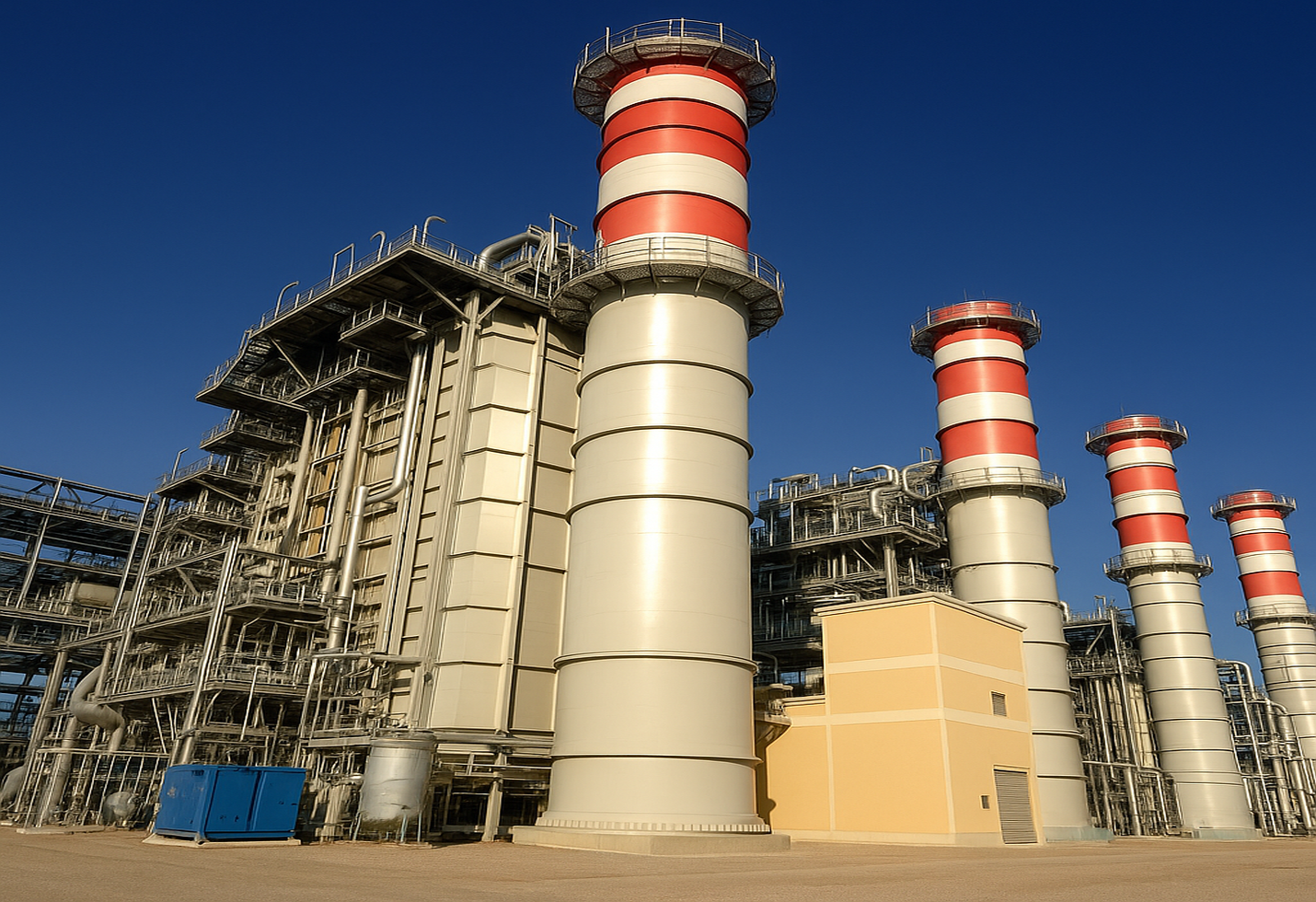
The image added is for representation purposes only

Pre-IPO Momentum Builds: Oswal Pumps Raises ₹416 Crore from Anchor Investors

India’s year-end IPO blitz: risks, rewards and what to watchIndia’s year-end IPO blitz: risks, rewards and what to watch

Pre-IPO Momentum Builds: Oswal Pumps Raises ₹416 Crore from Anchor Investors

Pre-IPO Momentum Builds: Oswal Pumps Raises ₹416 Crore from Anchor Investors

The Haryana-based pump manufacturer finalizes anchor placements as it prepares for its IPO, aiming to raise ₹1,387 crore through fresh issue and OFS.

₹416 Crore Anchor Investment Powers Oswal Pumps’ IPO Journey

Haryana-based water pump manufacturer Oswal Pumps has successfully raised ₹416.2 crore from prominent anchor investors just before launching its highly anticipated initial public offering (IPO). This key milestone comes as the company gears up to open its IPO for public subscription starting June 13, 2025.

An official release from the company revealed that 67,78,533 shares were issued to anchors at ₹614 per unit, gearing up for the IPO.

Major Mutual Fund Participation Highlights Confidence

Among the total shares allocated to anchor investors, approximately 29,62,821 shares—representing 43.71% of the total anchor portion—were taken up by 11 domestic mutual fund houses operating through 15 different schemes. This significant level of participation from well-known mutual fund players underscores the strong confidence institutional investors have in Oswal Pumps’ business prospects and growth trajectory.

The anchor book also saw involvement from several renowned global and domestic institutions, adding weight to the credibility and attractiveness of this upcoming offering.

IPO Details: Fresh Issue and Offer for Sale

This IPO package blends a ₹890 crore fresh equity infusion with promoter Vivek Gupta’s exit of 81 lakh shares. The issue is slated to open on June 13, 2025, and will remain open for subscription until June 17, 2025.

Oswal Pumps has set the price band for its IPO in the range of ₹584 to ₹614 per share. At the ceiling of the proposed price range, the IPO has the potential to raise approximately ₹1,387.34 crore in total proceeds. This infusion of capital is expected to support the company’s long-term business goals, including expansion and strengthening its market footprint.

Prominent Institutions Lead the Offering

A group of prominent financial institutions—comprising IIFL Capital, Axis Capital, CLSA India, JM Financial, and Nuvama Wealth—are steering the IPO as lead managers. MUFG Intime India has been appointed as the official registrar to the issue, responsible for managing investor records and allotments.

With a carefully structured offering process, Oswal Pumps aims to attract a diversified pool of investors ranging from large institutional participants to retail investors.

Investor Bidding Structure and Lot Size

For retail participants, the IPO will be accessible through a minimum bid of 24 equity shares, with further investments to be made in multiples of 24 thereafter. The offering follows the standard book-building process, ensuring fair price discovery and balanced investor allocation.

As per the distribution framework, no more than half of the net issue is designated for institutional investors, with at least 15% reserved for affluent individual bidders and a minimum of 35% specifically allocated for retail participants.

This structure ensures a wide participation base, offering both seasoned institutions and everyday retail investors an opportunity to participate in the company’s growth story.

Market Outlook and Strategic Use of Funds

Oswal Pumps plans to deploy the proceeds from its fresh issue primarily toward funding growth initiatives, business expansion, and improving operational efficiency. Additionally, a portion of the funds may be allocated for debt reduction and other general corporate purposes, as outlined in its regulatory documents.

As one of India’s leading manufacturers of pumps and related solutions, Oswal Pumps has built a reputation for quality and innovation. By leveraging the fresh infusion of capital from this IPO, the company aims to further strengthen its competitive edge in domestic and international markets.

Final Thoughts

Oswal Pumps’ pre-IPO success with anchor investors signals a robust start to its journey into the public markets. The ₹416 crore already secured reflects strong institutional backing, while the planned ₹1,387 crore total issue highlights the company’s ambitious growth aspirations.

With a diversified investor structure, strategic use of proceeds, and a growing market for high-quality pump solutions, Oswal Pumps is positioning itself as a formidable player in its industry. The positive response from mutual funds and institutional investors suggests high expectations for the IPO’s overall performance once it opens for public subscription.

For investors seeking opportunities in India’s manufacturing sector, especially within infrastructure-related industries, Oswal Pumps’ offering may present a compelling option for both short-term market activity and long-term value creation.


:


The image added is for representation purposes only

Fintech Stock Soars: 1:5 Split & Bonus Approved!

Bajaj Finance Stock Split and Bonus Shares: Turning 10 Shares into 100

Fintech Stock Soars: 1:5 Split & Bonus Approved!

Fintech Stock Soars: 1:5 Split & Bonus Approved!

In a bold move to enhance liquidity and shareholder value, MOS Utility Ltd. announces a stock split and bonus shares; shares rally as investors cheer twin benefits.

MOS Utility Limited, a small-cap multi-bagger in the fintech industry, obtained board approval on June 7, 2025, for a 1-for-5 stock split along with a 1-for-1 bonus share issuance. The decision is aimed at enhancing stock affordability and rewarding existing shareholders. The company also approved an increase in its authorized share capital. The news triggered bullish momentum in the stock, which jumped 3% intraday and was trading higher at ₹278.1 on the NSE with rising volumes.

In a move aimed at benefiting shareholders, MOS Utility Limited, a fast-expanding small-cap fintech company, has declared a 1:5 stock split along with a 1:1 bonus issue. The twin corporate actions were approved by the company’s Board of Directors on June 7, 2025, signalling strong business confidence and a commitment to value creation for its stakeholders.
The development sparked investor enthusiasm, with the stock rising 3% intraday on Thursday, touching new highs on the National Stock Exchange (NSE). The price momentum was supported by increasing volumes as investors rushed to capitalize on the upcoming share entitlements.

Breakdown of the Corporate Actions
Stock Split (Face Value Adjustment):
The board has sanctioned the division of each equity share with a face value of ₹10 into five equity shares, each with a face value of ₹2. This stock split improves market liquidity by making shares more attainable for a larger group of retail investors.
Bonus Issue (Free Shares):
Alongside the split, the company has declared a bonus issue in the ratio of 1:1, i.e., shareholders will receive one additional equity share for every share held post-split.
Increase in Authorized Share Capital:
In anticipation of the bonus issuance and future expansion plans, the company has also proposed to enhance its authorized share capital, enabling it to issue additional equity in the future if required.

About MOS Utility Limited
MOS Utility Ltd. is a small-cap fintech company with a market capitalization of ₹693.5 crore as of June 13, 2025. It operates a unified open API and wallet platform, offering a wide range of digital financial services — including prepaid cards, e-wallets, UPI, bill payments, recharges, travel bookings, and utility services — to both businesses and individual customers.
The firm has been making waves in the fintech sector by enabling last-mile delivery of digital services, particularly in rural and semi-urban India. Its B2B2C model allows agents and franchises to onboard end-users, creating a scalable and inclusive ecosystem. This has attracted retail investors and HNIs looking for multi-bagger opportunities in India’s booming digital infrastructure space.

Stock Performance: A Multibagger Journey
The stock of MOS Utility has been on an impressive rise, providing substantial returns over the last few quarters. From being an under-the-radar small-cap player, the company has captured investor attention through consistent operational growth, fintech tailwinds, and strategic partnerships.
On Thursday, following the corporate announcement:
The stock opened strong and surged 3% intraday.
By 12:24 p.m., it was trading at ₹278.1, up from the previous day’s close of ₹275.5.
Market participants witnessed a visible uptick in volume, indicating positive sentiment.
Given the upcoming stock split and bonus shares, the adjusted stock price is expected to become more accessible for retail investors, increasing participation and enhancing liquidity.

Why This Matters for Investors
Liquidity Boost: Stock splits often increase trading volume by making shares more affordable for small investors.
Perceived Value Creation: Bonus shares are seen as a reward to shareholders and indicate management confidence in future cash flows.
Widened Retail Base: A lower share price post-split coupled with bonus shares could attract new investors and boost visibility.
Psychological Trigger: Twin announcements — primarily when combined — often act as bullish triggers in the short term, especially for small-cap momentum stocks.

Management Commentary
While the official press release is awaited, sources close to the company suggest that these actions are in line with MOS Utility’s broader strategy to democratize shareholding and strengthen long-term investor trust. The firm has been preparing for aggressive growth, and this financial restructuring aligns with its future capital market plans.

What’s Next?
The record date for eligibility of the stock split and bonus shares is expected to be announced shortly.
Shareholders who are on the record date will qualify to receive the updated number of shares.
Analysts anticipate more institutional interest post-split due to higher float and liquidity.

Conclusion:
The dual announcement of a 1:5 stock split and 1:1 bonus issue by MOS Utility Ltd. has reaffirmed the company’s growth-oriented mindset and its drive to boost shareholder value. The move is timely, especially as fintech stocks continue to outperform amidst India’s digital transformation boom. With a rising market cap and increased visibility, MOS Utility is positioning itself as a formidable player in the financial services landscape.
Investors who have been holding the stock are likely to reap the benefits of these corporate actions, while new investors may find the adjusted entry price more attractive. In the future, all eyes will be on the company’s execution capabilities, product expansion, and ability to scale its agent network to sustain its multi-bagger run.


:


The image added is for representation purposes only

Paytm Shares Plunge Over 10% Amid MDR Rumours and Government Clarification

Paytm Shares Plunge Over 10% Amid MDR Rumours and Government Clarification

Paytm Shares Plunge Over 10% Amid MDR Rumours and Government Clarification

Paytm Shares Plunge Over 10% Amid MDR Rumours and Government Clarification

Paytm stock experiences its steepest fall since February 2024 following renewed concerns over potential MDR on UPI payments, despite official denial.

Market Jitters as Paytm Faces Steep Sell-Off

On June 12, the stock of One97 Communications — the entity that operates Paytm — experienced a sharp intraday slump, plunging by more than 10%. This marks the stock’s most pronounced single-day decline in more than a year, triggering alarm among investors.

The downturn came in response to renewed chatter regarding the possible reintroduction of Merchant Discount Rates (MDR) on Unified Payments Interface (UPI) transactions. Although the government swiftly stepped in to clarify its stance, the mere speculation was enough to cause heavy sell-offs in the market.

What Triggered the Market Panic?

The sell-off was catalyzed by a wave of media reports hinting at the potential implementation of MDR on UPI-based transactions. MDR is a fee charged to merchants whenever a digital transaction is carried out, and Paytm—being a major player in the digital payments space—was instantly affected by the speculation.

In a bid to curb the rapidly spreading misinformation, the Ministry of Finance posted on social media, unequivocally stating that no changes had been made to the MDR policy on UPI transactions. Nonetheless, the reassurance came too late to prevent the immediate market reaction.

Understanding MDR and Its Implications

Merchant Discount Rate (MDR) is a fee merchants are obligated to pay each time a customer completes a transaction using digital platforms such as credit/debit cards or UPI. This fee is typically split between three key players:

1. Issuer Bank: The customer’s bank, which manages account issuance and handles transaction settlements.
2. Acquirer Bank: The merchant’s bank or payment gateway provider, which facilitates the acceptance of payments.
3. Payment Network: Entities like Visa, Mastercard, RuPay, or NPCI for UPI, which ensure transaction routing and settlement.

Starting in January 2020, the government implemented a mandate eliminating MDR fees on UPI transactions as part of its broader initiative to accelerate the adoption of digital payments across India. To further encourage smaller transactions, an incentive scheme was introduced in March 2019, providing a 0.15% bonus for UPI payments below ₹2,000. This reward is shared among stakeholders to offset the loss of MDR revenue.

Investor Sentiment and Stock Performance

Even after the formal clarification was issued, market confidence wavered, leading to a sharp decline in Paytm’s share value, which closed at ₹880.60—marking an 8.28% drop by the end of trading. This steep fall not only reflected market nervousness but also highlighted the stock’s vulnerability to regulatory shifts.

On a year-to-date basis, the company’s shares have shed approximately 11%, showing signs of persistent pressure and heightened scrutiny.

What’s at Stake for Paytm?

Paytm has long been considered a key player in India’s fast-evolving fintech landscape, particularly due to its widespread UPI usage. Any development around MDR directly influences its business model, operational costs, and profitability.

While MDR may seem like a minor policy element, for Paytm and similar fintech platforms, its presence or absence can affect revenue streams significantly. As a result, even unconfirmed reports are enough to send ripples through the market.

The current scenario underscores the delicate balance digital payment firms must maintain amid a dynamic regulatory ecosystem.

Government’s Clarification: Too Little, Too Late?

In a post shared on the social media platform X, the Finance Ministry firmly dismissed the circulating speculation, clarifying that there is neither any proposal nor any move underway to reinstate merchant discount rates (MDR) on UPI transactions. While this was aimed at calming the markets, the clarification came only after investor damage had already been done.

Such episodes highlight the importance of timely communication from policymakers, especially when dealing with sectors that react swiftly to perceived policy shifts.

Final Thoughts

The sharp decline in Paytm’s stock price serves as a stark reminder of the sensitivity surrounding digital payments and policy-related news in India. Even though the government reiterated its stance on maintaining a zero-MDR framework for UPI payments, the early media reports were sufficient to spark a sharp response in the market.

For investors and market watchers, the incident emphasizes the need for cautious interpretation of unverified news and the critical role of timely, transparent communication from regulatory authorities.

Going forward, Paytm and other digital financial service providers will need to navigate a tightly regulated space while maintaining investor trust and operational stability.


:


The image added is for representation purposes only

PFC Withdrawals May Impact Zero-Coupon Bond Market

PFC Withdrawals May Impact Zero-Coupon Bond Market

PFC Withdrawals May Impact Zero-Coupon Bond Market

PFC Withdrawals May Impact Zero-Coupon Bond Market

PFC’s Unusual Moves Raise Concerns

Power Finance Corporation (PFC), a key public sector financial institution supporting India’s power sector, has recently been in the spotlight—not for new issuances, but for repeatedly *withdrawing its zero-coupon bond offers*. This trend is causing ripples in the debt market, with experts warning that continued withdrawals could weaken investor sentiment and affect the attractiveness of fresh zero-coupon debt issuances, particularly in the infrastructure financing segment.

Understanding Zero-Coupon Bonds

These instruments are particularly attractive to long-term investors such as pension funds and insurance companies due to their predictable return profile and tax efficiency over time.

For institutions like PFC, which finance long-gestation infrastructure projects, zero-coupon bonds serve as a useful funding tool, offering cash flow flexibility during the initial project phase. But consistent withdrawal from this market may signal deeper issues.

The Pattern of Withdrawals

Over the past few quarters, PFC has announced multiple zero-coupon bond issuances, only to pull them back at the last moment. While official reasons are often not disclosed, industry insiders cite a combination of factors such as:

Unfavorable interest rate trends**
Investor demand falling short of expectations**
Internal re-evaluation of funding needs

These sudden withdrawals, though legally permissible, create uncertainty among institutional investors, particularly mutual funds and insurance companies that rely on predictable debt offerings to plan their portfolios.

Market Implications: A Chilling Effect

Investor Hesitation
Repeated withdrawals may lead investors to question the credibility of future offers, potentially leading to under-subscription even when offers are solid.

Price Volatility
If other issuers follow suit, or if the market begins to factor in higher cancellation risk, zero-coupon bond prices could become more volatile.

Benchmarking Challenges
PFC, as a major issuer, helps set benchmarks for pricing in this niche. Reduced activity by PFC can disrupt the market’s ability to price similar instruments fairly.

Impact on Infrastructure Financing
If zero-coupon bond issuance slows across the board, long-term infrastructure financing could become more difficult, especially for entities depending on such funding structures.

Regulatory Perspective

While no regulatory breaches have occurred, repeated issuance withdrawals could attract attention from market regulators like SEBI, especially if they start affecting systemic trust in the debt markets. Calls for *greater transparency and communication* around such decisions may intensify in the coming months.

Conclusion: Time for a Rethink?

Power Finance Corporation’s repeated bond offer withdrawals may seem tactical, but the broader implications are strategic. As one of the most prominent players in India’s financial ecosystem, PFC’s market behavior sets the tone for other issuers. If zero-coupon bonds are to remain a reliable financing tool, a more consistent and transparent approach may be necessary.


:


The image added is for representation purposes only

Sterlite Tech Secures BSNL Deal

Sterlite Tech Secures BSNL Deal

Sterlite Tech Secures BSNL Deal

Sterlite Tech Secures BSNL Deal

Big Win for a Low-Priced Stock

Sterlite Technologies Ltd (STL), a leading optical cable and telecom solutions provider, has made headlines after securing a significant contract with Bharat Sanchar Nigam Limited (BSNL). The recent agreement with BSNL, worth ₹2,631.14 crore, is a huge leap forward, further reinforcing STL’s leadership in India’s telecom infrastructure ecosystem.

A Massive Contract with BSNL

STL has entered into a long-term supply agreement with BSNL as part of the ambitious BharatNet Phase-II project. This initiative, spearheaded by the Indian government, aims to connect rural and remote parts of India with high-speed broadband infrastructure.

As per the deal, Sterlite Technologies will provide optical fiber cable (OFC) and associated equipment required to roll out a large-scale, state-of-the-art broadband network. The project, valued at ₹2,631.14 crore, is one of the largest contracts the company has landed in recent years. It is expected to be executed over the next 24-30 months.

This deal will not only boost STL’s revenue and profitability but also strengthen its position as a key enabler of India’s digital transformation goals.

Strong Order Book and Growth Outlook

This includes projects from India and global markets in Europe, the Middle East, and Africa.

The company’s wide portfolio—ranging from optical fiber manufacturing and network design to system integration—makes it a go-to partner for telecom and broadband service providers. This pipeline reflects the strong demand for STL’s services amid increasing investments in 5G and fiber infrastructure.

Despite market volatility, the steady order flow and long-term government-backed contracts provide visibility into future earnings, making STL an attractive option among penny stocks.

Why Investors Are Taking Notice

Although trading under ₹90, STL is drawing investor interest for several reasons:

Strong Fundamentals

A solid balance sheet, global clientele, and government-backed contracts make STL a fundamentally sound company.

Growing Sector

With increasing demand for broadband, fiber connectivity, and 5G rollouts, the optical cable sector is poised for growth.

Government Support

Projects like BharatNet ensure consistent demand and funding, offering a relatively lower-risk profile compared to other penny stocks.

Turnaround Potential

STL has undertaken structural changes to improve margins and reduce debt, positioning it for a potential rerating in the near term.

Conclusion: A Hidden Gem with Long-Term Potential

Sterlite Technologies Ltd is proving that price doesn’t always reflect potential. With a current share price under ₹90 and a multi-crore deal with BSNL, STL has the makings of a strong turnaround stock. Its ₹4,378 crore order book and role in India’s digital infrastructure development make it a hidden gem in the small-cap space. For value-conscious investors looking at affordable, future-ready stocks, STL might just be worth the spotlight.

Summary:

With a total order book of ₹4,378 crore and growing relevance in India’s broadband infrastructure, STL is emerging as a strong contender in the telecom space with significant long-term growth potential.


:


The image added is for representation purposes only

India’s Retail Inflation Hits Six-Year Low of 2.82% Amid Food Price Relief

India’s Retail Inflation Hits Six-Year Low of 2.82% Amid Food Price Relief

India’s Retail Inflation Hits Six-Year Low of 2.82% Amid Food Price Relief

India’s Retail Inflation Hits Six-Year Low of 2.82% Amid Food Price Relief

India’s retail inflation fell to its lowest level in six years in May 2025, influenced by declining food costs, supportive policy measures, and a beneficial annual base effect.

Retail Inflation Falls Sharply in May 2025

India witnessed a sharp drop in retail inflation in May 2025, with the Consumer Price Index (CPI) falling to 2.82%—its lowest level in over six years. This development, revealed in official government data, marks a significant 34 basis point decline from April 2025. The reading is the lowest recorded since February 2019 and beats market expectations, as a Reuters survey had forecast CPI to come in at 3%.

This steady decline is largely attributed to a notable drop in food inflation, minimal increases in key consumer goods, and the advantage of a low base effect from the previous year.

Food Inflation Sees Major Cooldown

The most significant contributor to the fall in headline inflation was the dramatic easing in food prices. Food inflation in May dropped to just 0.99%, down from 1.78% in April—a fall of 79 basis points.

Delving into the specifics, food price inflation registered at 0.95% in rural regions, whereas urban areas recorded a slightly higher rate of 0.96%. These figures represent the lowest food inflation levels since October 2021.

Prices of several staples eased notably. Vegetable prices declined by 13.7% year-on-year, extending the 11% fall seen in April. Pulses experienced a notable price drop of 8.22%, deepening from the 5.23% contraction recorded in the previous month. Even cereals witnessed reduced inflation at 4.77%, down from 5.35% in April.

Perishable food items saw only mild sequential increases, but annual inflation rates remained subdued—supporting the broader trend of disinflation in essential goods.

Rural and Urban Inflation Trends

The decline in inflation was widespread across both rural and urban regions. In rural India, overall CPI inflation eased to 2.59% in May from 2.92% in April. The Consumer Food Price Index (CFPI) for rural areas also softened to 0.95%, a significant fall from 1.85%.

Urban regions reflected a comparable trend, with headline CPI easing to 3.07% from 3.36% in April, while food inflation in cities saw a steep drop from 1.64% to 0.96%. This broad-based moderation suggests that consumers across different demographics are benefiting from the easing price environment.

Other Categories Show Mixed Movements

In the fuel and light segment, inflation inched down slightly to 2.78% in May, compared to 2.92% in April. Meanwhile, urban housing inflation rose modestly to 3.16% from the previous month’s 3.06%, reflecting some upward pressure in real estate-related costs.

However, prices for household items, sugar, confectionery, and eggs all showed slower rates of increase or even year-on-year declines, contributing further to the cooling of headline inflation.

RBI Adjusts Inflation Forecast for FY26

Following the marked slowdown in inflation, the Reserve Bank of India revised its consumer inflation estimate for FY 2025–26, bringing the expected average down to 3.70%, compared to the earlier projection of 4%.

Here’s the updated quarterly breakdown:

• Q1 FY26: 2.9%
• Q2 FY26: 3.4%
• Q3 FY26: 3.5%
• Q4 FY26: 4.4%

The RBI emphasized that while inflation is now comfortably below its 4% medium-term target, uncertainties related to global markets and supply-side conditions—such as weather patterns and crop performance—still need careful tracking.

Policy Implications and Monetary Outlook

The move comes after the Reserve Bank of India recently lowered the benchmark interest rate by 50 basis points to 5.5%, marking its third targeted rate cut in the 2025 calendar year. Simultaneously, the RBI shifted its policy stance from “accommodative” to “neutral,” indicating a more measured strategy aimed at balancing economic expansion with inflation control.

Despite recent aggressive rate cuts, the central bank has hinted at a pause in further easing for now. Policymakers have noted that any additional rate action will be closely tied to upcoming data and the evolving economic landscape.

Monsoon Progress and Agricultural Risks

While the early onset of the southwest monsoon offered initial optimism for a strong agricultural season, its progress stalled in early June 2025. Experts caution that the spatial and temporal distribution of rainfall will be crucial in determining crop outcomes.

Concentrated heavy rains over short durations could risk damaging standing crops, potentially reversing the recent gains in food inflation. Therefore, monsoon trends will be a key factor to monitor in the coming weeks.

Final Thoughts

India has seen a profound shift in its inflation dynamics, with consumer price increases cooling to just 2.82% in May 2025—the lowest level recorded in the past six years. The cooling of food prices, lower costs across various essentials, and proactive monetary easing have all contributed to this disinflationary trend.

As inflation remains below the RBI’s 4% target for the fourth month in a row and well under the 6% tolerance ceiling for seven months, the central bank has taken a cautious but optimistic stance. Going forward, the progress of the monsoon and global supply dynamics will play pivotal roles in shaping future price movements and monetary decisions.


:


The image added is for representation purposes only

Raymond Realty to Make Its Debut on Stock Exchanges After Demerger in Q2

Raymond Realty to Make Its Debut on Stock Exchanges After Demerger in Q2

Raymond Realty to Make Its Debut on Stock Exchanges After Demerger in Q2

Raymond Realty to Make Its Debut on Stock Exchanges After Demerger in Q2

Raymond Realty Prepares for Independent Listing

Raymond Realty, a key player in the Indian real estate sector, is preparing for its debut on the Indian stock markets after splitting from its parent organization, Raymond Ltd.

The Process of the Demerger

A demerger refers to the division of a company into two or more separate entities, usually aimed at maximizing value for shareholders. The board has given its approval, and this strategic decision is expected to generate significant value for investors.

Raymond Ltd’s real estate division, Raymond Realty, has garnered attention in recent years with its significant residential and commercial projects in Mumbai and other locations across India. By listing separately, Raymond Realty aims to raise capital, increase operational efficiency, and offer investors a more focused investment opportunity.

Why This Listing is Significant

The separate listing of Raymond Realty holds substantial significance for multiple reasons.

1Maximizing Shareholder Value

Demergers typically help businesses unlock their true potential. By becoming an independent entity, Raymond Realty can be valued on its own merits, which could lead to an improved market valuation.

Focused Growth Strategy

As a standalone company, Raymond Realty can concentrate solely on real estate development, one of India’s fastest-growing industries. With a robust pipeline of residential complexes, mixed-use developments, and commercial projects, the company is well-positioned for growth.

Better Access to Capital Markets

The listing will grant Raymond Realty direct access to public funding, allowing it to raise the necessary capital for future expansion.

Investor Trust

Investors will now have the opportunity to invest directly in Raymond Realty, a real estate-centric firm with a long-standing reputation and market presence. This shift is expected to bolster investor confidence and draw both retail and institutional capital.

What to Expect After the Listing

Experts anticipate some market volatility initially, but long-term prospects for Raymond Realty look promising due to its established brand, premium real estate holdings, and plans for further expansion.

Although there may be short-term market fluctuations following the demerger, analysts predict that Raymond Realty will thrive in the long run due to the growth of the Indian real estate sector and its strong foundational projects.

Conclusion: A Strategic Milestone

Raymond Realty’s demerger and forthcoming stock market listing represent a major turning point for the company. By spinning off its real estate business into an independent entity, Raymond Realty is positioned to leverage the growing Indian real estate market and offer increased value to its shareholders. With the Q2 listing on the horizon, this development will surely attract attention from investors and market participants alike.


:


The image added is for representation purposes only

FIIs Exit Indian Markets Amid Global Jitters; DIIs Absorb Selling Pressure

India Set to Become World’s Second-Largest Economy by 2038: EY Report

FIIs Exit Indian Markets Amid Global Jitters; DIIs Absorb Selling Pressure

FIIs Exit Indian Markets Amid Global Jitters; DIIs Absorb Selling Pressure

Stock markets stumble as foreign investors pull out Rs 446 crore; domestic players step in to stabilize sentiment amid global uncertainty and oil price surge

Market Under Pressure as Foreign Investors Offload Shares

Indian equities endured a turbulent trading day on Wednesday, June 12, as key indices declined sharply amid heightened foreign outflows and unsettling developments in global markets. The Nifty50 index dropped by 1%, reflecting widespread caution among investors. Foreign Institutional Investors (FIIs) withdrew Rs 446 crore from domestic equities, signaling a return to their recent selling trend after a brief pause earlier in the week.

The global backdrop weighed heavily on domestic sentiment, marked by rising crude oil prices, geopolitical uncertainty, and a weak performance across international markets. These factors, combined with local incidents and macroeconomic developments, triggered a broad-based sell-off across sectors.

Foreign Investors Resume Selling Spree as Domestic Institutions Anchor Market Stability

On June 11, FIIs and Foreign Portfolio Investors (FPIs) resumed their exit from Indian equities after a temporary buying streak. Provisional data showed that foreign investors collectively sold Rs 3,831 crore worth of shares, reversing the positive momentum witnessed earlier in the week. On the flip side, Domestic Institutional Investors (DIIs) emerged as net purchasers, acquiring equities valued at ₹9,393 crore.

Looking deeper into the numbers, DIIs bought a total of Rs 21,386 crore and sold Rs 11,992 crore worth of stocks, resulting in a net inflow of Rs 9,394 crore. During the same period, foreign investors purchased equities totaling ₹11,656 crore but liquidated a higher volume valued at ₹15,488 crore.

Throughout 2025, overseas investors have largely stayed on the selling side, withdrawing more than ₹1.24 lakh crore from Indian stock markets. Conversely, domestic institutional investors have steadily acted as a stabilizing force, offsetting the sell-off with total net investments surpassing ₹3.16 lakh crore so far this year.

Broader Indices Follow Benchmark in Sell-Off

The selling was not confined to large-cap indices alone. Broader markets, including the Nifty Midcap100 and Nifty Smallcap100, also declined more than 1% each during the day. Every key sectoral index closed in the red, reflecting broad-based investor anxiety and a cautious market sentiment across the board.

Stocks from the energy and aviation sectors were hit especially hard. Shares of oil marketing companies faced the brunt of climbing crude oil prices, which surged over 4% due to escalating tensions in the Middle East, particularly between the US and Iran.

Additionally, the aviation industry faced turbulence following an Air India plane crash in Ahmedabad, further dampening investor confidence in Tata Group shares.

Global Concerns Continue to Weigh on Sentiment

Indian equities echoed the prevailing sense of caution seen in global markets, where investor sentiment remained heavily tilted toward risk avoidance. US markets struggled due to worsening geopolitical tensions and lingering uncertainty over trade relations between Washington and Beijing. These global risks spilled into Indian equities, pushing investors to adopt a more defensive stance.

Market confidence was further impacted by crude oil’s sharp upward move, adding to concerns about rising input costs and potential inflationary pressures. Continued capital withdrawals by foreign investors further intensified the downward pressure and reinforced the negative tone of the trading day.

Positive Economic Data Offers Limited Comfort

Amid the sea of red, some relief emerged from the macroeconomic front. In the United States, the Consumer Price Index (CPI) for May 2025 rose 2.4% year-on-year, coming in marginally below the expected 2.5%. This softer inflation print led to a dip in the US Dollar Index to a seven-week low and strengthened hopes of a potential rate cut by the Federal Reserve in the upcoming months.

On the domestic front, consumer price inflation cooled to 2.82% in May, dipping below the forecasted estimate of around 3%. This reading marks the lowest inflation figure in over six years, offering a cushion to the Reserve Bank of India’s policy outlook and possibly paving the way for monetary easing if global conditions deteriorate further.

Outlook: Volatility Likely to Persist

Despite the supportive economic indicators, the prevailing market outlook remains uncertain. With global developments continuing to drive investor behavior, volatility is expected to persist in the near term.

Market participants are likely to keep a close watch on further updates regarding the US-China trade talks, developments in the Middle East, crude oil price movements, and central bank actions globally. Domestically, expectations surrounding the progress of the US-India trade deal could also influence sentiment in the coming weeks.

Final Thoughts

The Indian stock market experienced a challenging session on June 12, as selling by foreign investors, coupled with weak global cues and a spike in oil prices, led to broad-based declines. While FIIs sold shares worth Rs 446 crore, DIIs stepped in as stabilizing forces with net buying activity, reflecting their continued support during turbulent times.

Despite some positive signals from inflation data, both in India and the US, investor sentiment remains fragile amid global tensions and economic uncertainty. With foreign outflows persisting in 2025 and macroeconomic risks looming large, the markets are expected to remain in a consolidation phase, tracking international developments closely.

Investors may find some reassurance in the resilience shown by domestic institutions and softening inflation trends. However, a cautious approach is advisable as the equity markets navigate a complex global environment.


:


The image added is for representation purposes only

Anil Ambani’s Reliance Power and Reliance Infrastructure Deliver Multibagger Returns in FY25

Anil Ambani’s Reliance Power and Reliance Infrastructure Deliver Multibagger Returns in FY25

Anil Ambani’s Reliance Power and Reliance Infrastructure Deliver Multibagger Returns in FY25

Anil Ambani’s Reliance Power and Reliance Infrastructure Deliver Multibagger Returns in FY25

Once written off, Anil Ambani’s flagship companies have staged a remarkable turnaround, rewarding investors with 151% and 136% returns, respectively, as strategic pivots, legal wins, and sectoral tailwinds fuel a dramatic comeback.

From Crisis to Comeback: The FY25 Turnaround
Following years of financial stress and operational hurdles, Reliance Power and Reliance Infrastructure have made a strong comeback in FY2025, standing out as notable turnaround stories.
Both companies swung from deep losses in FY24 to robust profits in FY25, leading a group of nine firms that have rewarded shareholders with multibagger returns exceeding 100%.
• Reliance Power: Shifted from a loss of ₹2,242 crore in FY24 to a profit of ₹2,947 crore in FY25, delivering a 151% return to investors over the past year.
• Reliance Infrastructure: Posted an even more dramatic swing, moving from a loss of ₹1,148 crore to a record profit of ₹9,177 crore, resulting in a 136% return for shareholders.

Reliance Power: Riding the Renewable Wave
Reliance Power’s revival is driven by a string of strategic breakthroughs in the renewable energy space. Its subsidiary, Reliance NU Suntech, inked a landmark 25-year Power Purchase Agreement (PPA) with the Solar Energy Corporation of India (SECI) for Asia’s largest co-located solar and battery energy storage project—comprising 930 MW of solar capacity and 465 MW/1,860 MWh of BESS—entailing an estimated outlay of ₹10,000 crore. Further achievements include securing a 350 MW solar-BESS project from SJVN and entering into a commercial partnership with Bhutan’s Druk Holding to build the country’s largest solar energy installation.
Reliance Power posted a PAT of ₹126 cr in Q-4 FY2025, a dramatic improvement compared to the ₹397.56 cr loss it incurred during the corresponding quarter of the previous fiscal year.
This recovery was bolstered by a ₹348 crore equity infusion from Reliance Infrastructure and Basera Home Finance, as well as cost rationalization and debt reduction efforts. The company’s debt-to-equity ratio improved to 0.93 from 1.62 in FY24, signaling a healthier balance sheet.
Legal clarity also played a role, with the Delhi High Court granting interim relief against SECI’s debarment order, allowing Reliance Power to resume bidding for new projects.

Reliance Infrastructure: Legal Wins and Defence Foray
Reliance Infrastructure’s revival has been equally dramatic. The company benefited from a favorable ruling by the National Company Law Appellate Tribunal (NCLAT), which suspended an earlier insolvency order and restored investor confidence. This legal win was followed by the award of a ₹5,000 crore defence contract—the first of its kind for a private Indian firm—covering a full-scale aircraft upgrade program to be executed over 7–10 years.
The company’s stock soared more than 100% in the past year, including a 61% rally in the last month alone. The move into the high-value defence and aerospace sector has brought long-term business visibility and diversified revenue streams.

Market Performance and Investor Sentiment
Both Reliance Power and Reliance Infrastructure have outperformed the broader market, with their stocks hitting multi-year highs and drawing renewed attention from retail and institutional investors. Reliance Power has delivered a staggering gain of over 2,600% over the past five years, with a nearly 400% return in just the last three years.
Reliance Infrastructure’s momentum is similarly robust, driven by strong earnings, legal clarity, and strategic diversification.
However, analysts caution that while the turnaround is impressive, these stocks remain volatile and should be approached with careful research and risk management.

The Broader Turnaround Trend
The resurgence of Anil Ambani’s companies is part of a wider trend in India’s capital markets, where at least 40 firms have swung from losses to profits in FY25, with nine delivering multibagger returns. This reflects the dynamism of India’s manufacturing and infrastructure sectors, as well as the potential for distressed companies to stage dramatic recoveries with the right mix of strategy, capital, and regulatory support.

Conclusion
Anil Ambani’s Reliance Power and Reliance Infrastructure have executed one of the most striking recoveries of FY25, delivering multibagger gains and restoring investor trust in the group’s strength and ability to navigate change.
Strategic pivots into renewables and defence, improved financial discipline, and favorable legal outcomes have all contributed to this revival. While challenges remain, the momentum suggests that the ADAG group is on a carefully managed path to stability and renewed relevance in India’s corporate landscape.


:


The image added is for representation purposes only

Hyundai India Rides High: Strategic Stockpiling Shields Against Rare Earth Crunch