

Auto Industry Nears ₹25,000 Cr Import Reduction Target
The Indian automotive industry is on course to achieve its ambitious goal of reducing imports by ₹25,000 crore (approximately $3 billion) by the end of the current fiscal year. This initiative focuses on increasing the localization of advanced components such as electric motors, airbags, and automatic transmissions. Industry assessments indicate that significant progress has been made, with further advancements anticipated in the coming years.
Localization Efforts and Achievements
In an effort to reduce dependency on imports, the Society of Indian Automobile Manufacturers (SIAM) and the Automotive Component Manufacturers Association (ACMA) have spearheaded localization programs targeting 11 critical categories, including drive transmissions, engines, steering systems, electronics, and electrical parts. These components account for about 70% of total imports in the sector.
Between FY20 and FY22, the industry achieved net localization gains of ₹7,018 crore. Building on this momentum, there is an ongoing effort to realize an additional ₹17,977 crore in net localization by FY25. This cumulative effort is expected to meet the ₹25,000 crore import reduction target set for the current fiscal year.
Shradha Suri Marwah, President of ACMA, highlighted the industry’s progress, stating, “Value-addition from the Indian auto components industry has gone up significantly in the last couple of years. In the first phase (till FY22), we achieved double the target of attaining localization level at about 6%. The second phase is underway. The industry is targeting deepening localization by another 15%.”
ECONOMIC TIMES
Investments and Technological Advancements
To support these localization efforts, component manufacturers are investing in new facilities and technologies. This includes the development of advanced manufacturing processes and the adoption of cutting-edge technologies to produce complex components domestically. Such investments not only reduce import dependence but also enhance the competitiveness of Indian manufacturers in the global market.
Government Initiatives and Policy Support
The Indian government has introduced several initiatives to bolster the automotive sector’s localization efforts. The Performance-Linked Incentive (PLI) scheme, for instance, aims to promote the production of electric vehicles and hydrogen fuel vehicles, with an allocation of ₹26,000 crore (US$3.61 billion). This scheme is expected to generate approximately 750,000 direct jobs in the auto sector and reduce the country’s carbon footprint.
WIKIPEDIA
Additionally, the government’s focus on developing infrastructure for electric vehicles and promoting sustainable mobility solutions further supports the industry’s localization objectives.
Impact on the Indian Economy
The localization drive is anticipated to have a positive impact on the Indian economy by reducing the trade deficit and fostering the growth of the domestic manufacturing sector. By producing critical components locally, the industry can retain more value within the country, create employment opportunities, and stimulate economic development.
Moreover, the increased focus on localization aligns with India’s vision of becoming a global automotive hub. Projections indicate that the Indian auto market is poised to reach USD 300 billion by 2026, driven by rising income levels, urbanization, and a burgeoning middle class.
ECONOMIC TIMES
Challenges and Future Outlook
While significant progress has been made, the industry faces challenges in achieving deeper localization. These include the need for substantial capital investment, development of technical expertise, and ensuring quality standards that meet global benchmarks.
To address these challenges, collaboration between industry stakeholders, government bodies, and educational institutions is essential. Such partnerships can facilitate skill development, research and development, and the creation of a robust supply chain ecosystem.
Looking ahead, the Indian automotive industry is expected to continue its localization efforts, with reassessments and the setting of new targets in consultation with the government. This ongoing commitment to reducing import dependence and enhancing domestic manufacturing capabilities positions India favorably in the global automotive landscape.
In conclusion, the Indian automotive industry’s concerted efforts towards localization are yielding tangible results, bringing the sector closer to its import reduction targets. With continued investments, policy support, and collaborative initiatives, the industry is well-positioned to achieve its goals and contribute significantly to the nation’s economic growth.
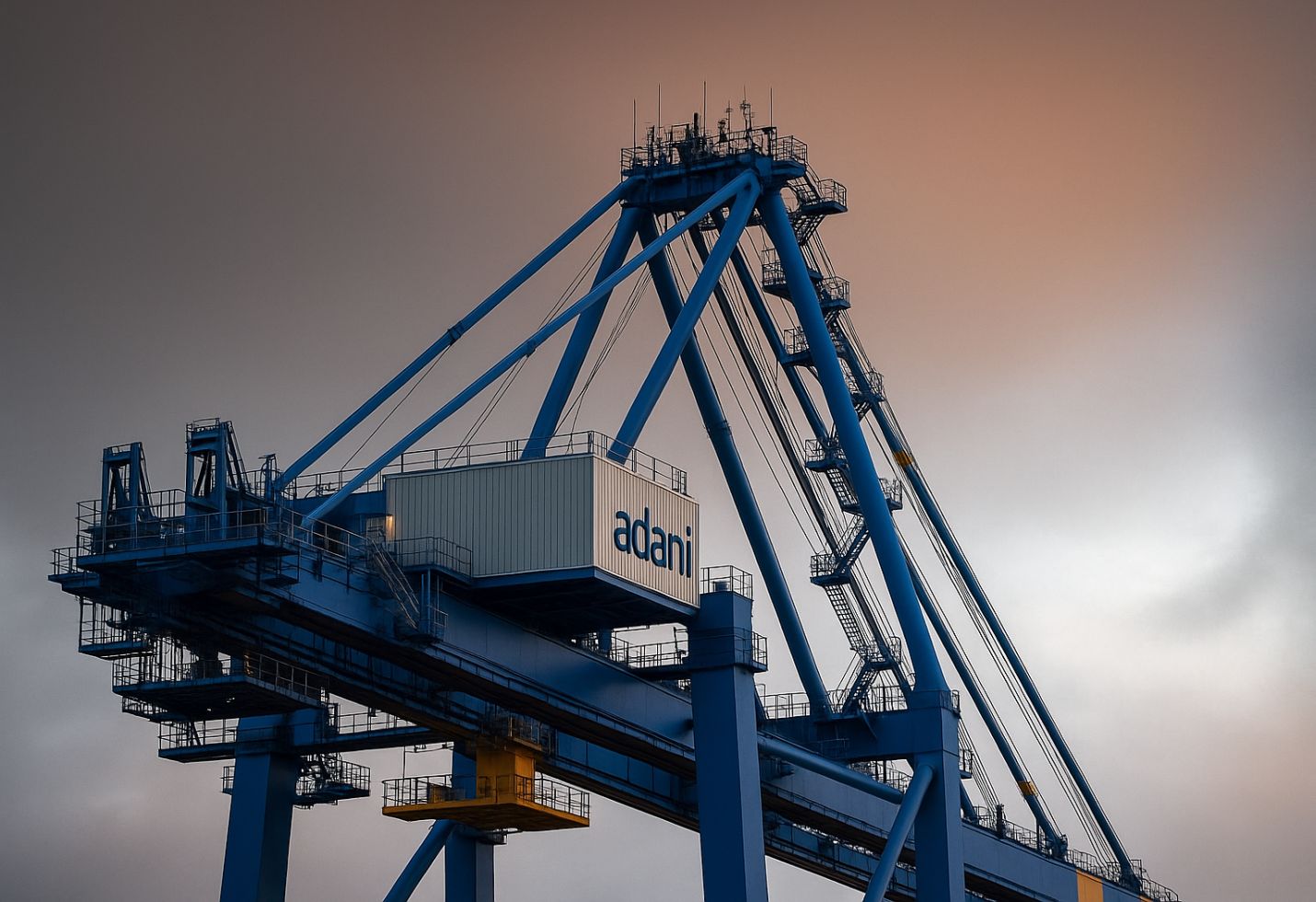
The image added is for representation purposes only


LEAVE A COMMENT
You must be logged in to post a comment.