Menu

Author Archives: Equity Right

Dixon and Signify Launch 50:50 Lighting Venture

Dixon Tech Pursues ₹400 Cr JV with HKC

Dixon Tech Pursues ₹400 Cr JV with HKC

Dixon Technologies is set to create a joint venture worth ₹400 crore with HKC Corporation, a Chinese company, aimed at manufacturing display modules for smartphones, laptops, and televisions. With government approval still pending under Press Note 3, this initiative represents Dixon’s bold push for growth in India’s electronics manufacturing sector.

Summary:
In a strategic effort to enhance India’s electronics manufacturing capabilities, homegrown EMS leader Dixon Technologies is considering a joint venture with the Chinese display module company HKC Corporation. The ₹400 crore project aims to localize the production of essential display modules for smartphones, laptops, and televisions. Currently pending government approval under Press Note 3 due to HKC’s Chinese background, this initiative is a crucial step in Dixon’s strategy to diversify its offerings and align with India’s goal of becoming a global electronics hub. Additionally, the company plans to expand into the manufacturing of laptop components, batteries, and camera modules in its upcoming growth phase.

Dixon-HKC: A High-Stakes Partnership
Dixon Technologies, a key player in India’s electronics manufacturing space, is reportedly in advanced discussions about forming a joint venture (JV) with China-based HKC Corporation. HKC is a well-known manufacturer of display panels worldwide, recognized for its strong expertise in liquid crystal display (LCD) and organic light-emitting diode (OLED) technologies.
The proposed JV, valued at ₹400 crore, will focus on setting up a state-of-the-art display module assembly facility in India. The factory will manufacture essential display components for smartphones, laptops, and televisions — products that are witnessing booming demand in India’s growing digital economy.
This move marks a critical milestone for Dixon, enabling vertical integration in one of the most value-sensitive and import-dependent parts of the electronics value chain.

Press Note 3: Regulatory Hurdle for China-Origin Investments
However, the JV is currently under regulatory review. Since HKC is a Chinese-origin firm, the proposal is being evaluated under Press Note 3, a government directive issued in April 2020 that mandates prior approval for foreign investments from countries sharing land borders with India.
The Press Note was part of a broader policy to tighten scrutiny on Chinese FDI inflows after the India-China border tensions. According to government protocols, the Ministry of Commerce and Industry, along with the Department for Promotion of Industry and Internal Trade (DPIIT), is currently evaluating the proposal.
Dixon remains optimistic that the strategic importance of localizing display module production — currently heavily reliant on imports from China and South Korea — will help fast-track the clearance process.

Display Modules: The Missing Piece in India’s EMS Puzzle
Display modules constitute a large share of a smartphone or TV’s bill of materials (BoM). Currently, India imports a bulk of these modules with minimal local assembly or fabrication capabilities. Despite substantial gains under the Production Linked Incentive (PLI) schemes, component-level manufacturing in India remains nascent.
The Dixon-HKC JV would help reduce India’s dependency on imports, lower overall manufacturing costs for OEMs, and boost Dixon’s competitiveness as a contract manufacturer. Moreover, it would signal a strong step toward realizing the government’s “Make in India” and “Atmanirbhar Bharat” (self-reliant India) initiatives.
The new unit is also expected to serve global customers seeking China+1 manufacturing strategies to diversify their supply chains in light of ongoing geopolitical tensions and pandemic-induced disruptions.

Dixon’s Bigger Game Plan: Beyond Assembly
While Dixon is well-recognized for assembling smartphones, televisions, lighting products, and appliances for brands like Samsung, Motorola, Xiaomi, and boAt, it is now aiming to go deeper into the electronics manufacturing value chain.
Company representatives have stated that Dixon intends to make substantial investments to enhance capacities in the following areas:
– Laptop components are available through the newly expanded PLI scheme for IT hardware.
– Battery packs and modules in response to increasing demand for wearable electronics and consumer products.
– Camera modules play a crucial role in both smartphones and laptops.
This pivot from just assembling to manufacturing core components will enable Dixon to capture higher margins and become indispensable to OEMs looking for a full-stack EMS partner in India.

Government’s PLI Boost and Policy Support
The central government’s PLI schemes for mobile handsets, IT hardware, white goods, and semiconductors have been instrumental in encouraging domestic manufacturing. Dixon has already gained considerable advantages from the PLI schemes for mobile devices and IT equipment.
If the proposed Dixon-HKC JV gains government approval, the project is likely to qualify under the PLI for displays — a ₹6,000 crore scheme designed to support the creation of India’s display fabrication ecosystem. This would provide significant fiscal support in the form of incentives and subsidies, further de-risking the venture and enhancing its economic viability.

Industry Reaction and Investor Outlook
The electronics manufacturing industry is pleased with the announcement, as localizing high-value components such as display modules is regarded as a key advancement in the evolution of India’s EMS sector. If successful, the Dixon-HKC JV could attract more component-level players into the Indian market, triggering a multiplier effect across the value chain.
Dixon’s move signals a daring but strategic diversification, leveraging India’s large market, government support, and skilled workforce amid global supply chain trends. However, geopolitical and regulatory challenges will be essential to monitor.

Conclusion: A Strategic Leap in India’s EMS Evolution
Dixon Technologies’ pursuit of a joint venture with HKC comes at a crucial time when India is striving to shift from being a mere assembly hub to a high-tech manufacturing powerhouse. If greenlit, the partnership will not only mark Dixon’s ascent in the value chain but also serve as a blueprint for future Indo-foreign technology collaborations.
As India strengthens its role in the global electronics supply chain, ventures like Dixon’s display module initiative will help reduce import reliance, increase exports, and enhance national capabilities. With appropriate policy support, this could mark a significant milestone in India’s electronics journey.


The image added is for representation purposes only

Revitalizing Demand: Growth Strategies of Colgate, HUL, and Marico

HUL Q2 FY26: Revenue Up 2%, PAT Up ~4% Amid GST-Led Disruption

Revitalizing Demand: Growth Strategies of Colgate, HUL, and Marico

Revitalizing Demand: Growth Strategies of Colgate, HUL, and Marico

Revitalizing Demand: Growth Strategies of Colgate, HUL, and Marico

Major consumer goods companies like Colgate-Palmolive, Hindustan Unilever, and Marico are counting on a rebound in rural demand, the success of premium products, and strategic innovations to compensate for weaker urban consumption and enhance sales in the upcoming fiscal quarters.

Summary:
India’s fast-moving consumer goods (FMCG) sector is currently experiencing a challenging period characterized by stagnant volumes and a decline in urban consumption. Colgate-Palmolive, Hindustan Unilever (HUL), and Marico have all encountered stagnation in growth over the past few quarters, yet they are hopeful for an improvement in the latter half of FY26. These companies are concentrating on rural market recovery, premium product offerings, innovation, and enhancing operational efficiencies to regain momentum and boost profitability.

A Tough Quarter for FMCG Giants
Colgate-Palmolive (India) witnessed a nearly 7% decline in its stock price following the announcement of a subdued March quarter performance. The decline came on the back of stagnant sales volumes and weakened urban demand, which overshadowed the company’s marginal gains in rural areas and its premium oral care segment.
Hindustan Unilever (HUL) and Marico echoed similar sentiments, indicating broader industry headwinds. While rural markets showed early signs of recovery, the pace was tepid. Urban India, traditionally a stronghold for premium and value-added products, remained sluggish, impacted by inflationary pressures, high interest rates, and shifting consumer priorities.

Industry-Wide Challenges: Inflation and Volatility
The FMCG sector’s performance in FY25 thus far has reflected a complex interplay of inflation moderation, changing consumer behaviour, and heightened competition. Though input costs, particularly palm oil and packaging materials, have eased, the benefits have not yet fully translated into stronger sales volumes.
NielsenIQ data shows flat volume growth and low-single-digit value growth in the FMCG sector for Q4 FY25. Urban demand for oral care, hair oils, detergents, and packaged foods softened as consumers became more price-conscious, resulting in downtrading and less frequent purchases of discretionary items.

Colgate’s Strategy: Premiumisation and Rural Push
Colgate-Palmolive is now pinning its hopes on a rural resurgence and the continued success of its premium oral care offerings like the Colgate Visible White and Colgate Vedshakti range. The company is also investing in consumer engagement and dental health awareness initiatives to drive category growth.
In its Q4 FY25 earnings call, Colgate’s management noted that while macro headwinds continue to persist, a clearer demand revival is expected to take shape by the second half of FY26. The company is aiming to optimize distribution, push higher-margin products, and maintain brand recall through targeted campaigns.

HUL’s Multifold Approach: Innovation, Pricing, and Execution
Hindustan Unilever, India’s largest FMCG firm, has also seen challenges in sustaining volume growth. Its Home Care and Beauty & Personal Care segments faced muted demand, though Foods & Refreshments remained relatively resilient. In response, HUL is leveraging its deep distribution network and data-driven market intelligence to recalibrate pricing strategies and product portfolios.
HUL is focusing on innovations like plant-based foods, sustainable packaging, and AI-driven analytics to boost consumer loyalty. The company anticipates better rural demand due to government spending, easing inflation, and a potential rebound in discretionary spending after Q2 FY26.

Marico’s Focus: Core Portfolio and Margin Management
Marico reported weak domestic volume growth in the March quarter, particularly in its flagship Parachute and Saffola ranges. Despite the challenges, the company stayed profitable due to effective cost management and favourable input costs. Management has noted a decline in the consumption of hair nourishment and edible oils, particularly in urban areas of India.
To navigate the slowdown, Marico is prioritizing its core portfolio while expanding its food and digital-first brands. The company is also increasing its focus on direct-to-consumer (D2C) platforms to capture emerging demand pockets among millennial and Gen-Z consumers.

Rural Markets: The Next Growth Frontier
A common theme emerging across all three companies is the bet on rural India. Despite monsoon uncertainties and structural challenges like wage stagnation, companies expect rural demand to outpace urban consumption in FY26. Government measures such as increased rural spending, subsidies, and employment generation programs under MNREGA could help boost disposable incomes.
Moreover, increasing smartphone penetration and improved rural infrastructure are enhancing product accessibility and brand awareness. Companies are ramping up rural marketing efforts and expanding stock-keeping units (SKUs) suited for value-conscious rural households.

Premiumization and Category Expansion: Key Levers
Another strategy being employed is premiumization — offering value-added, higher-margin products to cater to aspirational consumers. For example, HUL’s Dove and Lakme brands, Colgate’s advanced whitening range, and Marico’s premium edible oils and hair serums are gaining traction among urban elites and semi-urban households.
Category expansion is also underway with new launches in personal wellness, plant-based nutrition, hygiene, and Ayurveda-backed solutions. These offerings are designed to attract niche segments and diversify revenue streams.

Investor Sentiment and Market Outlook
Despite short-term weaknesses, investor confidence in India’s consumer goods sector remains cautiously optimistic. Analysts from brokerages like Motilal Oswal, ICICI Securities, and Axis Capital have advised a wait-and-watch approach but maintained long-term bullishness given India’s demographic dividend, rising middle class, and consumption-led economy.
Valuations for FMCG stocks have slightly moderated post-Q4 results, offering potential entry opportunities for long-term investors. Firms that boast robust balance sheets, a varied range of products, and quick execution abilities are anticipated to excel compared to their competitors when demand picks up again.

Conclusion: Road to Recovery May Be Gradual but Promising
Colgate, HUL, and Marico are navigating a challenging landscape shaped by inflation fatigue, evolving consumer habits, and market saturation in traditional categories. However, their proactive focus on innovation, rural penetration, cost management, and premiumization signals a solid roadmap for revival.
While the first half of FY26 may continue to reflect cautious consumer sentiment, a stronger rebound is anticipated in H2, backed by festive season demand, improved rural cash flows, and easing macroeconomic conditions. For India’s consumer sector, the recovery may be slow — but the building blocks for a resilient comeback are firmly in place.


The image added is for representation purposes only

City Gas Distribution: India’s Rising Natural Gas Star!

Oil Prices Slip as Investors Remain Cautious Over Possible U.S. Role in Iran-Israel Dispute

City Gas Distribution: India's Rising Natural Gas Star!

City Gas Distribution: India’s Rising Natural Gas Star!

As piped natural gas (PNG) and compressed natural gas (CNG) networks continue to grow rapidly in Indian cities, the city gas distribution (CGD) sector is poised to exceed the fertiliser industrial sector, which is the largest user of natural gas in the nation.

Summary:
India’s city gas distribution (CGD) sector is undergoing a significant transformation, driven by extensive infrastructure advancements and a nationwide initiative for cleaner energy sources. This sector is projected to surpass traditional industries, including fertilizers, to emerge as the leading consumer of natural gas. With the rising demand for piped and vehicular natural gas in urban areas, the country’s reliance on LNG imports is expected to increase, highlighting the need for investment in import terminals and supportive policies.

India’s Gas Consumption Trajectory: A Strategic Shift

India’s energy mix is undergoing a historic transformation. To align with the government’s goal of increasing the proportion of natural gas in its primary energy mix from about 6% to 15% by 2030, the city gas distribution (CGD) sector has become a key contributor to this shift. Historically dominated by the fertiliser and power sectors, gas consumption patterns are shifting significantly in favour of urban usage, primarily through CNG (compressed natural gas) for vehicles and PNG (piped natural gas) for households and commercial establishments.
Recent data from the PNGRB indicates that the CGD sector is set to surpass the fertiliser industry in gas consumption in the coming years, highlighting growth in infrastructure and a shift towards cleaner, sustainable fuels.

CGD Network Expansion: Backbone of Gas Growth
The main catalyst for this change is the impressive growth of CGD infrastructure throughout the nation. As of 2025, more than 300 geographical areas (GAs) across 28 states and union territories have been authorized for CGD operations. This includes coverage of over 70% of the population and 50% of India’s geographical area.
Key players such as Adani Total Gas, Gujarat Gas, Mahanagar Gas, and Indraprastha Gas have ramped up investments in gas distribution networks. The increased deployment of CNG stations and household PNG connections in both urban and semi-urban regions is creating a ripple effect in demand, especially in Tier-II and Tier-III cities.
In FY2023–24, CGD consumption represented about 25% of India’s natural gas demand. With plans for over 12,000 CNG stations and 10 crore households for PNG by 2030, CGD’s share is projected to exceed 35%, surpassing the current 30% for fertiliser usage.

CNG Vehicles Fueling the Demand Engine
Another powerful tailwind for the CGD sector is the rising number of CNG vehicles. With fuel prices remaining volatile and diesel/petrol being phased out in several urban areas, CNG offers a cost-effective and environmentally friendly alternative. The transport sector, particularly public transportation fleets, delivery services, and even private vehicles, is witnessing a strong conversion trend.
Car manufacturers like Maruti Suzuki, Hyundai, and Tata Motors are broadening their range of CNG models. As reported by the Society of Indian Automobile Manufacturers (SIAM), sales of CNG vehicles increased by over 25% in FY2024. This trend is expected to continue, further amplifying natural gas consumption from the transportation segment.

Urban Kitchens & Clean Energy: PNG in Households and Industries
The demand for PNG is not limited to households alone. Small and medium enterprises (SMEs), restaurants, and even large industrial units in city peripheries are increasingly switching to piped gas to cut emissions and improve operational efficiency. The cost savings, convenience, and regulatory compliance benefits make PNG an attractive proposition.
In residential areas, PNG provides a reliable cooking fuel supply and lessens reliance on subsidized LPG, supporting government fiscal goals. Major cities like Delhi-NCR, Mumbai, Ahmedabad, and Pune have high household PNG usage, while regions in Uttar Pradesh, Bihar, West Bengal, and the southern states are quickly catching up.

Import Dependency: LNG to Fill the Supply Gap
Despite a robust domestic gas production roadmap under initiatives like HELP (Hydrocarbon Exploration and Licensing Policy), India’s domestic natural gas output remains insufficient to meet the burgeoning CGD demand. Consequently, the nation is anticipated to increasingly depend on imports of liquefied natural gas (LNG).
In 2023–24, LNG imports accounted for over 50% of India’s gas consumption. With CGD demand projected to rise by 8–10% annually, the import share could increase further unless domestic production sees substantial acceleration.
India is expanding its LNG terminal infrastructure by developing new terminals in Dhamra (Odisha) and Jaigarh (Maharashtra), along with enhancing facilities at Dahej and Hazira. This aims to increase regasification capacity from 42.5 mtpa to 70 mtpa by 2030.

Government Policies and Green Push
The Centre has been proactive in supporting CGD expansion through policy and regulatory interventions. Initiatives like SATAT (Sustainable Alternative Towards Affordable Transportation), which promotes compressed biogas (CBG), and a favourable GST regime for natural gas could further boost demand.
Additionally, the inclusion of natural gas under the “One Nation, One Grid” policy ensures uniform pricing and availability across regions, minimizing regional supply bottlenecks.

Challenges Ahead: Pricing, Infrastructure, and Competition
Despite the promising outlook, the CGD sector faces particular challenges. Global LNG prices remain volatile, and any geopolitical disruption could spike prices, affecting affordability for end-users. Infrastructure development in rural and remote areas is also hampered by terrain, land acquisition issues, and low initial demand volumes.
Moreover, competition from emerging technologies such as electric vehicles and green hydrogen could moderate CGD’s long-term dominance in the transport and industrial segments.

Conclusion: CGD is the Future of India’s Gas Economy
India’s city gas distribution sector stands at the cusp of a major transformation, underpinned by its ability to deliver cleaner, reliable, and affordable fuel to the masses. As urbanization deepens and environmental concerns grow, CGD offers a sustainable pathway to transition away from polluting fuels. While challenges remain in the form of supply constraints and pricing pressures, the government’s strong policy backing and rising consumer adoption signal a bright future for CGD as the new torchbearer of India’s gas economy.


The image added is for representation purposes only

RITES Wins Prime Bid for Crucial Urban Infrastructure in Gujarat

RITES Wins Prime Bid for Crucial Urban Infrastructure in Gujarat

RITES Wins Prime Bid for Crucial Urban Infrastructure in Gujarat

RITES Wins Prime Bid for Crucial Urban Infrastructure in Gujarat

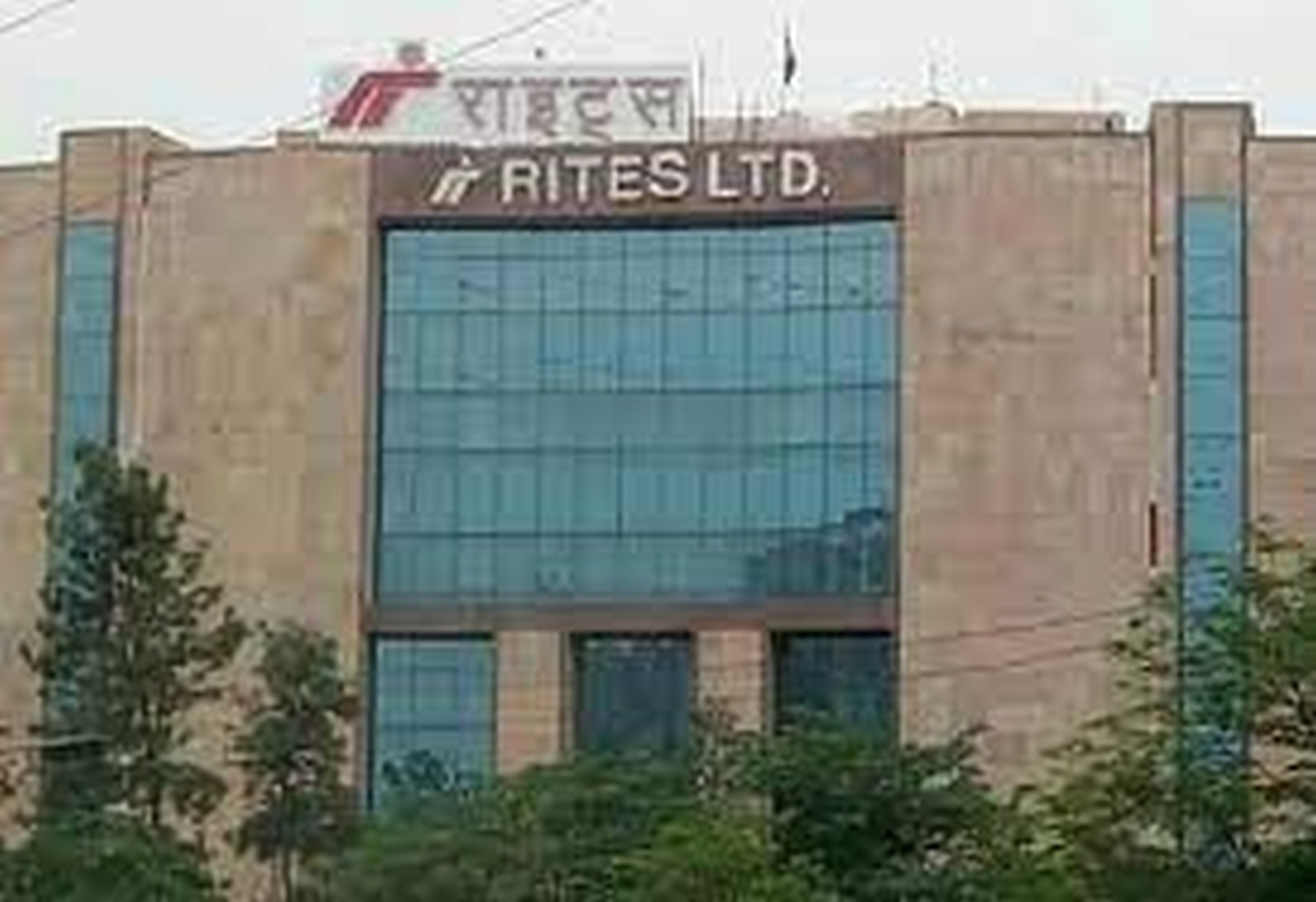
The government-owned engineering consultancy RITES Ltd. has attained the lowest bidder status for an essential urban development project tendered by GUDC in Gujarat. Valued at ₹28.5 crore, this contract centers on third-party inspection services for critical water and sewage infrastructure, further establishing RITES as a trusted partner in India’s urban development efforts.

This latest bid win demonstrates the company’s growing footprint beyond railways and into diverse infrastructure sectors.

Inspection and quality assurance under flagship schemes

The GUDC project aims to provide Third-Party Inspection (TPI) services covering water supply pipelines, sewer networks, and sewage treatment plants under the ambit of AMRUT 2.0 and the Shri Vajpayee Municipal Scheme for Urban Development (SJMMSVY). These schemes target enhancement of urban living standards through reliable infrastructure upgrades.

Covering several urban local bodies across Gujarat, the contract is scheduled to last 60 months, providing RITES with a consistent flow of projects and revenue upon final award after technical and financial clearance.

By supervising the quality and adherence to standards of these essential civic amenities, RITES plays a key role in ensuring the success and sustainability of the state’s urban missions.

Market responds positively to announcement

Following the disclosure of the bid results, RITES’ stock witnessed an intraday gain of approximately 2%, closing near ₹285 per share. This rally reflects investor optimism regarding the company’s ability to secure government contracts and convert them into consistent earnings streams.

The stock’s technical indicators remain favorable, with the Relative Strength Index (RSI) positioned at 63.22, indicating healthy demand without excessive overvaluation. Additionally, the share price is comfortably trading above its key moving averages, reinforcing a bullish outlook.

Such market responses underline confidence in RITES’ growth trajectory fueled by project wins and steady order inflows.

Strong recent order book

RITES’ success is not limited to Gujarat. Recently, it secured a ₹36.36 crore contract from the Delhi Metro Rail Corporation (DMRC) to refurbish RS-1 trainsets — a testament to its core strength in metro and rail projects.

RITES secured a ₹59.13 crore project from Uttar Pradesh to supervise the development of elevated roads and bridges, highlighting its increasing involvement in civil infrastructure projects.

Internationally, RITES made waves by winning a $9.71 million highway consultancy assignment in Guyana, emphasizing its growing overseas presence.

The ₹298 crore Ministry of External Affairs project to develop Integrated Check Posts at major border crossings further demonstrates RITES’ strategic participation in national infrastructure sectors outside transport and utilities.

Why RITES remains a favored bidder

RITES’ evolution from a rail-focused entity to a multi-sector infrastructure consultant has helped it diversify its project portfolio, reducing risks associated with dependence on any single domain.

The company’s PSU status lends it credibility and preferred access to government contracts. Its reputation for delivering technically sound projects on time and within budgets further enhances its appeal.

As urban centers grow and the government ramps up smart city and sustainable development projects, the demand for quality monitoring and inspection services like those RITES offers will continue to rise.

Outlook and future prospects

RITES’ leading position in the GUDC project bid signals its readiness to capture a larger share of India’s urban infrastructure market. The importance of quality oversight in water and sanitation projects can’t be overstated, and RITES’ expertise aligns well with this need.

For investors, the company offers a stable business model backed by government support, a strong order book, and diversified revenue streams. These factors combine to create a promising outlook for sustainable growth.

With a robust pipeline of domestic and international contracts, RITES is positioned to maintain its momentum in the coming years.


The image added is for representation purposes only

Blue Cloud Softech Defies Market Trends: What’s Behind the Stock Surge?

Liquor stocks beat FMCG peers in one year; 3 rally drivers & 3 future growth triggers

Blue Cloud Softech Defies Market Trends: What’s Behind the Stock Surge?

Blue Cloud Softech Defies Market Trends: What’s Behind the Stock Surge?

In an otherwise subdued market environment where small-cap stocks have faced considerable headwinds, Blue Cloud Softech Solutions Ltd. stands out with a noticeable uptick in share price. This rise comes amid growing investor interest fueled by the company’s recent financial disclosures and strategic capital-raising plans.

Rising Above a Challenging Market

The broader Indian stock market has struggled recently, weighed down by global economic uncertainties, tightening monetary policies, and inflation worries. Small-cap stocks, in particular, have borne the brunt of cautious investor sentiment, often experiencing significant price corrections. Against this backdrop, Blue Cloud Softech’s shares rallied impressively, closing at ₹23.04 on June 3, 2025, gaining 2% and hitting the upper circuit limit on the BSE.

Such resilience amid bearish trends raises questions about the factors driving investor enthusiasm for this technology firm.

Capital Infusion Plans: A Vote of Confidence

Central to the stock’s upward momentum is the company’s announcement of an upcoming board meeting on June 5, where directors will deliberate on a proposal for a preferential allotment of equity shares or convertible instruments. This capital-raising move is intended to strengthen Blue Cloud Softech’s balance sheet, fund growth initiatives, and enable strategic investments in technology and operations.

Fundraising through preferential allotment signals the management’s forward-looking approach to business expansion. It shows readiness to mobilize resources proactively in a competitive sector that demands continuous innovation.

Financial Performance Highlights

Blue Cloud Softech’s recent quarterly results further bolster investor confidence.The company’s revenue dipped nearly 14% to ₹183.62 crore, yet net earnings surged 52% year-over-year to ₹13.04 crore for the March quarter.

The apparent paradox—lower sales but higher profits—reflects effective cost management and operational discipline. The company expanded its operating margin to 8.73%, marking a 36% improvement, highlighting its ability to focus on profitable projects while trimming expenses.

These results underscore management’s capability to navigate challenges by optimizing resource allocation and emphasizing efficiency.

Evaluating Financial Health

Beyond the quarterly numbers, Blue Cloud Softech’s key financial ratios present a picture of a company generating attractive returns. The firm’s ROCE of 36.9% and ROE of 44.5% highlight its strong effectiveness in turning invested funds into earnings.

With a price-to-earnings (P/E) ratio near 23 and a price-to-book (P/B) ratio of about 8.4, the stock appears reasonably priced, reflecting both its growth potential and inherent risks typical of small-cap IT firms.

Sector Dynamics and Growth Opportunities

Operating in the IT services domain, Blue Cloud Softech offers software development, cloud computing, and digital transformation services to clients across diverse sectors including retail, finance, and logistics. With digital adoption accelerating globally, especially in emerging markets like India, demand for customized IT solutions is expanding rapidly.

This backdrop presents growth opportunities for Blue Cloud Softech, provided it continues to innovate and scale its operations effectively. The planned capital raise could serve as a catalyst for such expansion, enabling investments in new technologies and market outreach.

Investor Considerations and Risks

Although there are encouraging developments, investors should exercise caution due to underlying risks. Small-cap stocks often exhibit higher volatility, and Blue Cloud Softech’s shares have endured a decline exceeding 50% over the past year. Macroeconomic uncertainties and competitive pressures in the IT sector add further complexity.

The upcoming board meeting will be crucial. Clarity on the terms of the preferential issue and a detailed plan for utilizing proceeds will influence market sentiment. The ability to translate fresh capital into tangible growth will determine if the recent share price gains can be sustained.

Looking Forward

Blue Cloud Softech’s latest financial successes and planned capital infusion demonstrate its commitment to growth amid a tough market landscape. Its focus on profitability and operational efficiency provides a solid foundation, but consistent execution will be vital.

As India’s digital economy continues to expand, companies like Blue Cloud Softech have the potential to capitalize on this momentum. Investors should monitor future earnings releases, management commentary, and progress on capital deployment to assess the stock’s medium- to long-term prospects.


The image added is for representation purposes only
MRF Reclaims India’s Most Expensive Stock Title from Elcid Investments

Gold and Silver Aim for Key Resistance Zones

MRF Reclaims India's Most Expensive Stock Title from Elcid Investments

MRF Reclaims India’s Most Expensive Stock Title from Elcid Investments

MRF bounces back to the top spot as India’s costliest stock, surpassing Elcid after a steady rally and solid financial performance

MRF Regains Top Position in India’s Stock Market

Tyre manufacturing giant MRF has once again emerged as the most expensive stock in the Indian market, surpassing Elcid Investments after months of consistent upward momentum. As of June 3, 2025, MRF’s stock price climbed notably to ₹1,38,539, showcasing a strong resurgence from its lowest point in the past year—₹1,02,124—set just a few months earlier in March 2025.

The sustained rise in MRF’s stock price also signals growing investor confidence in traditional blue-chip manufacturing firms amid a market where speculative plays have recently made headlines. The company’s long-standing reputation, combined with strong earnings visibility, continues to make it a preferred choice for institutional and retail investors alike.

Elcid’s Meteoric Rise and Rapid Decline

In late 2024, Elcid Investments momentarily captured widespread attention across the country due to a remarkable surge in its stock price. During a special call auction conducted by the Bombay Stock Exchange (BSE) on October 29, Elcid’s share price shot up from a modest ₹3.53 to a jaw-dropping ₹2,36,250 within a single day. This astonishing surge of 66,92,535% propelled Elcid past MRF, whose shares were valued at ₹1,22,576 at that time.

The surge was fueled by a Securities and Exchange Board of India (SEBI) initiative that aimed to assess the real market value of underpriced holding companies. For a short period, this valuation adjustment made Elcid the most expensive listed stock in India.

However, the rally did not last long. The stock peaked in November 2024 at ₹3,32,399.95 before undergoing a steep correction. A key factor behind this decline was the falling valuation of Elcid’s 1.28% stake in Asian Paints. The value of this asset declined from ₹3,616 crore in October 2024 to ₹2,775 crore by June 2025.

Asian Paints Decline Impacts Elcid Valuation

The downward spiral in Asian Paints’ stock had a cascading effect on Elcid’s market value. Currently, Elcid’s total market capitalization stands at around ₹2,584 crore—now less than the value of its stake in Asian Paints. The paint major’s shares have plunged over 21% in the past year and nearly 30% over the last two years. This sustained fall weighed heavily on Elcid’s valuation, causing its share price to retreat to ₹1,29,899.

Understanding the Price: Valuation vs. Actual Worth

While Elcid’s short-lived reign as the highest-priced stock was largely driven by revaluation strategies and low liquidity, MRF’s lofty share price has a different origin. MRF maintains a relatively small number of outstanding shares, which contributes to its high per-share value.

It is important to understand that the market price of a stock often does not accurately represent its fundamental value. Elcid’s case serves as a prime example of how external market forces and concentrated holdings can artificially inflate valuations.

MRF’s Strength Lies in Fundamentals

In contrast to Elcid’s price surge fueled by valuation shifts, MRF’s shares have risen gradually, supported by strong underlying financial health and reliable operational results. The company’s upward trajectory has been supported by healthy financials and operational efficiency.

In the quarter concluding March 2025, MRF achieved a net profit of ₹498 crore, reflecting a notable increase from ₹380 crore in the same quarter of the previous year. The company’s topline grew by 12%, touching ₹6,944 crore, while EBITDA witnessed an 18% upswing to ₹1,043 crore, accompanied by a margin enhancement to 15%.

The company’s focus on operational excellence and cost management strategies has also played a pivotal role in strengthening its profitability. In an increasingly competitive sector, MRF’s disciplined approach to capital expenditure and innovation has helped maintain its leadership position.

Market Leadership and Diversification Fuel MRF’s Growth

As India’s largest tyre manufacturer, MRF holds a dominant position in the automotive sector. Its product portfolio spans a wide range of categories including tyres for passenger vehicles, commercial trucks, two-wheelers, and agricultural machinery.

Over time, MRF has expanded its business ventures well beyond just tyre manufacturing. The company is also involved in the production of conveyor belts, paints, and even sports goods, which adds depth to its business model and offers additional revenue streams.

This level of diversification not only reduces dependency on the core tyre business but also creates long-term growth potential. MRF’s multi-segment strategy has allowed it to adapt to shifting market dynamics more effectively than many of its peers.

Final Thoughts

The battle for India’s highest-priced stock highlights two contrasting stories: one driven by valuation adjustments and the other by solid performance. Elcid Investments briefly claimed the title due to a dramatic market revaluation, but its reliance on a single major holding made it vulnerable to volatility.

MRF’s resurgence to the leading position highlights the critical role of solid financial foundations and steady profit generation. With diversified offerings and stable growth, MRF continues to attract long-term investors, proving that sustainable value ultimately outshines short-term hype.


The image added is for representation purposes only

Piccadily Agro Faces Stock Slump in 2025 Amid Soaring Costs and Expansion Strain

Tilaknagar Industries Q1 FY26: Profit Soars Amid Expansion Plans

Piccadily Agro Faces Stock Slump in 2025 Amid Soaring Costs and Expansion Strain

Piccadily Agro Faces Stock Slump in 2025 Amid Soaring Costs and Expansion Strain

Piccadily Agro Industries Ltd., known for its growing range of premium alcoholic beverages, has seen its stock decline sharply in 2025. Despite a strong push into the high-end liquor market, the company’s shares have tumbled by more than 40% this year, sparking concerns among investors about profitability and rising expenses.

Declining Performance in Recent Quarter

The company’s financials for the fourth quarter of FY25 show a visible strain. Net profit fell by over 7% year-on-year to ₹39.80 crore. This drop came despite the company’s efforts to market its premium whisky and cane-based rum internationally. At the same time, operational revenue also slipped by 4.5%, settling at ₹271.63 crore for the quarter.

The primary pressure came from the expense side. Material costs shot up by nearly a third compared to the previous year. On top of that, interest payments surged due to rising borrowings, causing overall finance costs to more than double. These expenses weighed heavily on the company’s margins, erasing gains from its premium product focus.

Stock Slide Highlights Investor Concerns

As of early June 2025, Piccadily Agro’s share price was down to ₹572.90. This marked a steep drop from its recent high of ₹1,019.90. Over the past six months alone, the stock has fallen by around 25%, and year-to-date performance shows a loss exceeding 40%.

The stock volatility points to investor uncertainty, especially around whether the company can convert its brand value into sustainable earnings. While product recognition has improved globally, it hasn’t yet translated into steady bottom-line growth.

Premium Push Amid Financial Pressure

In recent years, Piccadily Agro has tried to distinguish itself through premium liquor offerings. Its ‘Indri’ single malt whiskies and ‘Camikara’ cane juice rum have received praise in global markets. These brands were introduced to cater to a growing segment of consumers looking for unique and high-quality Indian spirits.

To meet rising demand, the company has announced an investment of over ₹500 crore. This capital is being deployed for expanding its main production facility in Indri, Haryana, and setting up a new plant in Chhattisgarh. The Chhattisgarh unit is expected to be operational by FY26 and will help scale up production significantly.

However, this expansion drive has come at a cost. Increased capital expenditure, alongside rising input and finance costs, has squeezed profitability. Until these investments begin generating meaningful returns, pressure on earnings is likely to continue.

Mixed Market Sentiment

Analyst opinions remain divided. Some view the current price drop as a correction from overvaluation, while others see it as a buying opportunity for long-term investors. There is consensus, however, that unless operating margins improve, the near-term stock outlook will remain muted.

Some brokerage reports indicate that Piccadily Agro’s current strategy might yield results in the medium term if brand recognition leads to higher pricing power and export growth. Yet the road to that future may involve navigating cost challenges and achieving efficient execution of the expansion plan.

The Bigger Picture: Industry Tailwinds Remain

Despite company-specific setbacks, India’s premium liquor market continues to grow. The rise in disposable income, evolving consumer preferences, and international interest in Indian spirits present a fertile environment for expansion. Piccadily Agro, with its strong product pipeline and brand equity, has the potential to ride this wave — but only if it can address short-term financial hurdles.

The key will be converting brand success into scalable, profitable growth. Investors will be watching closely for improvements in future quarterly results, particularly around revenue growth and cost controls.

Conclusion

Piccadily Agro Industries is at a critical juncture. Its share price decline in 2025 reflects underlying financial pressures, even as the company makes bold moves in premium product development and capacity expansion. With execution discipline and market support, a recovery is possible — but the company must prove its strategy can deliver consistent, profitable outcomes.


The image added is for representation purposes only

Suzlon Energy Shares Retreat After Rally, Investors Book Profits Post Q4 Surge

Suzlon Soars 2% After Sealing Its Biggest Deal of FY26

Suzlon Energy Shares Retreat After Rally, Investors Book Profits Post Q4 Surge

Suzlon Energy Shares Retreat After Rally, Investors Book Profits Post Q4 Surge

Shares of Suzlon Energy witnessed a notable decline of 4.5% on June 3, 2025, slipping below the ₹70 mark and closing around ₹68. This correction came after a steep upward movement in May, where the stock rallied over 27%, reaching a multi-month high of ₹74.30. Market analysts attribute this pullback to profit-taking by investors following the company’s strong Q4 performance and overall bullish trend.

Impressive Fourth Quarter Spurs Upward Momentum

The recent price volatility follows a spectacular set of financial results from Suzlon for the fourth quarter of FY25. The company recorded a sharp surge in its net profit, climbing 365% year-on-year on a consolidated basis. This earnings beat was driven by increased demand for wind energy solutions, operational efficiency, and expansion of manufacturing capabilities.

The stellar results not only reignited interest in the company’s stock but also attracted new investors. This enthusiasm pushed share prices to their highest level in six months by the end of May 2025. However, as often happens following a major rally, investors began locking in profits at elevated levels, leading to the observed price drop.

Market Correction, Not a Red Flag

Experts suggest that the recent dip is more of a short-term adjustment than a reflection of weakening fundamentals. With such a sharp rise in May, some degree of correction was expected. Profit booking is a typical response in equity markets when investors choose to secure their gains, especially after such a strong upward run.

Traders and institutional investors likely used the rally as an opportunity to rebalance their portfolios. The drop is considered healthy and could pave the way for more sustainable price movements ahead.

Strong Order Pipeline and Solid Business Fundamentals

Despite the short-term volatility, Suzlon’s long-term outlook appears promising. By the end of FY25, the company had built a record order book totaling 5.6 gigawatts (GW), showing a substantial increase in client demand. A major share of these orders came from its next-generation S144 turbine platform, which crossed 5 GW in cumulative orders.

Suzlon has scaled up its manufacturing capability to an annual capacity of 4.5 GW, enhancing its ability to meet growing demand. The company’s Wind Turbine Generator (WTG) segment also saw its contribution margin expand to 23%, indicating improved cost controls and pricing power.

These factors together position Suzlon strongly to capitalize on India’s green energy transition and further solidify its presence in the renewable energy market.

First FY26 Guidance Brings Strategic Visibility

Adding to the momentum, Suzlon has issued financial guidance for FY26 for the first time. The guidance includes targets across multiple performance parameters such as revenue growth, margin stability, and project delivery timelines. This forward-looking approach enhances transparency and helps the market assess the company’s strategic direction.

Investors generally view official guidance positively as it reflects management’s confidence in execution. It also assists analysts in modeling forecasts more accurately and evaluating the company’s near-term potential.

Policy Environment Favors Renewables

India’s policy landscape continues to support renewable energy initiatives, which bodes well for companies like Suzlon. The country is committed to achieving 500 GW of non-fossil fuel energy capacity by 2030, with wind energy playing a vital role in that goal. Various policy measures, such as renewable purchase obligations (RPOs), production-linked incentives (PLIs), and bidding opportunities from government agencies, are expected to drive sectoral growth.

Suzlon, with its legacy, deep industry expertise, and technological innovations, is well-positioned to take advantage of these favorable conditions.

Investor Outlook: Short-Term Dip, Long-Term Strength

Although the stock has temporarily dipped, the sentiment around Suzlon remains largely positive. The fundamentals—strong earnings, order book growth, margin expansion, and strategic clarity—are intact. Many market observers believe that the current drop could offer a fresh entry point for investors with a medium to long-term horizon.

Several brokerage houses continue to rate the stock favorably, seeing potential for value creation driven by sectoral tailwinds and company-specific performance improvements.


The image added is for representation purposes only

BEML Unveils Electric Vehicle Fleet, Phases Out Diesel for Greener Future

BEML Unveils Electric Vehicle Fleet, Phases Out Diesel for Greener Future

BEML Unveils Electric Vehicle Fleet, Phases Out Diesel for Greener Future

BEML Unveils Electric Vehicle Fleet, Phases Out Diesel for Greener Future

BEML kickstarts its electric journey from Bengaluru HQ, committing to eliminate diesel vehicles and accelerate its nationwide push for environmental responsibility.

BEML’s Bold Step Toward Sustainable Mobility

In a groundbreaking move toward sustainable transportation, BEML Limited has unveiled its inaugural fleet of electric vehicles at its central office in Bengaluru, signaling a firm pivot away from conventional fuel reliance. This launch is a significant milestone that signals the company’s dedication to reducing its environmental impact and aligns seamlessly with the Indian government’s ‘Go Green’ mission.

Unveiled just ahead of World Environment Day, the deployment of these electric vehicles represents a major shift in BEML’s approach to fleet modernization and eco-conscious mobility. Alongside this rollout, BEML has declared its plan to completely retire all diesel-powered vehicles from its existing fleet, aiming to embrace cleaner, emission-free alternatives going forward.

The shift represents more than a symbolic gesture—it reflects a long-term vision that places sustainability at the heart of BEML’s corporate values. By embedding environmental considerations into its core operations, BEML is reshaping how public sector enterprises can lead by example in India’s clean energy transition.

Ceremony Highlights and Leadership Vision

In a symbolic launch event, BEML’s Chairman and Managing Director, Shantanu Roy, officially inaugurated a fleet of ten electric vehicles, marking the company’s transition toward green mobility. The event saw participation from several senior executives and directors, reinforcing the collective commitment across the company’s leadership team.

Addressing the significance of this milestone, Roy emphasized, “Launching these electric vehicles on the eve of World Environment Day reflects BEML’s enduring promise to protect our environment. This shift transcends emissions reduction—it represents our responsibility to lead sustainable innovation and set exemplary standards for our sector.”

The presence of top-tier leadership at the event symbolized BEML’s unified commitment to accelerating green mobility adoption. It also highlighted the importance of organizational alignment when executing environmentally conscious transformations at scale.

A Strategic Roadmap to Carbon Neutrality

This initial EV deployment is part of BEML’s larger vision to achieve carbon neutrality and embed sustainability throughout its business model. The company plans to gradually extend the adoption of electric vehicles beyond its headquarters, incorporating green mobility into manufacturing facilities and regional offices nationwide.

To support this transition, BEML is also investing in the development of EV-friendly infrastructure. This includes installing energy-efficient transport systems and creating scalable solutions across its four manufacturing plants, ensuring a robust ecosystem to back its sustainable mobility goals.

In addition, BEML is exploring partnerships and collaborations to enhance its clean energy capabilities. By combining technical innovation with eco-conscious practices, the company aims to position itself as a pioneer in green engineering solutions within the public sector landscape.

BEML’s Role in India’s Clean Energy Movement

With its shift to electric mobility, BEML becomes part of an expanding circle of government-run organizations adopting sustainable energy innovations. This initiative not only reduces the company’s carbon footprint but also strengthens its position as a forward-thinking, responsible organization committed to environmental and social governance.

The move is expected to inspire innovation and encourage other companies within the public sector to adopt greener practices, driving India closer to its sustainability targets.

BEML’s efforts reflect a growing trend where companies are increasingly held accountable not just for profitability but also for their contributions to climate action. As consumer and investor expectations evolve, initiatives like this will likely become the norm rather than the exception.

Final Thoughts

BEML’s launch of its first electric vehicle fleet is a landmark step that underlines its commitment to sustainable development and environmental stewardship. By pledging to phase out diesel vehicles and investing in green infrastructure, the company is setting a precedent in the public sector for responsible, future-oriented business practices.

This initiative enhances BEML’s leadership role in fostering eco-conscious innovation, not just within its operations but across the wider Indian industry landscape. As BEML continues to expand its green mobility footprint, it contributes meaningfully to India’s broader goal of reducing carbon emissions and promoting clean energy alternatives.

The company’s journey serves as an inspiring example of how traditional enterprises can embrace modern sustainability principles, balancing growth with ecological responsibility in today’s evolving market. With public and private sectors increasingly aligning toward green goals, BEML’s leadership sends a strong message about what it means to be a climate-conscious organization in 21st-century India.


The image added is for representation purposes only

Murae Organisor Shares Surge After Dividend, Bonus, and Stock Split Announcements

India: Infrastructure Set to Outpace IT as the Growth Engine

Murae Organisor Shares Surge After Dividend, Bonus, and Stock Split Announcements

Murae Organisor Shares Surge After Dividend, Bonus, and Stock Split Announcements

Investor optimism grows as Murae Organisor unveils bonus shares, 100% dividend, stock split, and bold expansion plans for agro and distillery sectors.

Penny Stock Rallies After Shareholder-Friendly Announcements

Shares of Murae Organisor Limited, a micro-cap company trading at penny stock levels, soared to hit the 5% upper circuit at ₹1.95 during intra-day trading on Tuesday, June 3, 2025. The sharp upswing followed a major announcement from the company’s board about an upcoming meeting scheduled for June 13, 2025, where several investor-centric proposals will be discussed. Among these are plans to issue bonus shares and declare a significant dividend payout.

The rally is being driven by renewed investor interest and confidence sparked by the company’s strategic moves aimed at rewarding shareholders and boosting long-term business potential.

Dividend Declaration of Up to 100% on the Cards

Through a freshly submitted regulatory disclosure, Murae Organisor announced its plan to recommend a dividend payout reaching as high as the full face value of its equity shares for the fiscal year concluding on March 31, 2025. If approved, this would be a significant reward for shareholders, reflecting a turnaround in the company’s financial health.

This dividend initiative is likely to spark heightened optimism among individual investors while signaling the leadership’s firm belief in the company’s continued financial strength.

Bonus Shares Proposal to Boost Liquidity

Alongside the dividend plan, the company’s board will also deliberate on issuing bonus shares—a move that often increases share liquidity and attracts broader investor participation. This proposal, if greenlit by shareholders and regulators, could significantly enhance the visibility and market activity of the stock.

Bonus shares not only serve as a goodwill gesture from the management but also make the stock more appealing to smaller investors by increasing the number of available shares.

Stock Split to Make Shares More Affordable

Adding to its series of shareholder-focused actions, Murae Organisor disclosed plans to divide its existing shares to enhance affordability for individual investors. As per the company’s formal announcement, June 11, 2025, has been designated as the cutoff date to determine eligibility.

Investors owning one equity share with a face value of ₹2 will be allotted two shares valued at ₹1 each. This subdivision was approved through a postal ballot on May 29, 2025, and is expected to enhance trading activity by improving affordability.

Expansion Plans in Agro and Distillery Sectors

Beyond shareholder rewards, Murae Organisor is also focusing on scaling its business. The board meeting will include discussions on deploying capital into existing and new projects, particularly in the agro and distillery industries.

The company appears to be gearing up for significant operational expansion, a move that signals its intention to transition from a small-cap player to a more robust mid-cap enterprise over time.

Strategic Land Acquisition in Gujarat Underway

Furthering its expansion ambitions, Murae Organisor has disclosed plans to acquire agricultural land in the Kutch region of Gujarat—an area with high industrial and agricultural growth potential. The proposed investment, estimated between ₹20 crore and ₹25 crore, will support its agro-based initiatives.

This acquisition is, however, contingent on due diligence, regulatory clearances, and other statutory approvals. Once completed, it will mark a pivotal step in the company’s broader diversification strategy.

Strong Financial Results Back Growth Plans

The company’s bold plans are backed by an impressive financial turnaround in FY25. Closing out the fiscal year on March 31, 2025, Murae Organisor unveiled an extraordinary surge in earnings, with total revenue soaring to ₹85.48 crore—an immense leap from the minimal ₹0.25 crore reported in the previous year. Its bottom line experienced a parallel upswing, with net earnings reaching ₹7.51 crore—an extraordinary growth from the ₹5.31 lakh achieved the year before.

Impressively, the company generated ₹2.85 crore in profit during just the fourth quarter of FY25, highlighting its stable and sustained quarterly performance.

Stock Trend Reflects Volatility with Upward Momentum

Murae Organisor’s stock has experienced a roller-coaster ride over the past year. After a period of decline between December 2024 and March 2025, the stock began recovering in April. It gained 3.6% in April, followed by a 24.5% surge in May, and has already climbed 9.5% in June.

In a span marked by sharp price fluctuations, the stock reached a peak of ₹2.73 in November 2024, following a trough of ₹1.04 just a month earlier in October—highlighting its unpredictable nature alongside promising upward momentum. With recent developments, the upward momentum seems to be gaining strength.

Final Thoughts

Murae Organisor is making headlines with a series of bold and investor-friendly initiatives. From proposing a 100% dividend and bonus shares to executing a stock split and planning strategic expansion into the agro and distillery sectors, the company is clearly aiming for long-term growth and market relevance.

These developments come on the back of a strong financial performance in FY25, signaling that Murae Organisor may be evolving from a volatile penny stock into a more stable, growth-oriented player.

While the stock remains subject to market volatility, the latest corporate actions indicate a promising future for shareholders who are in it for the long haul.


The image added is for representation purposes only

Sika Interplant Soars 16% After Signing Licensing Deal with Collins Aerospace